
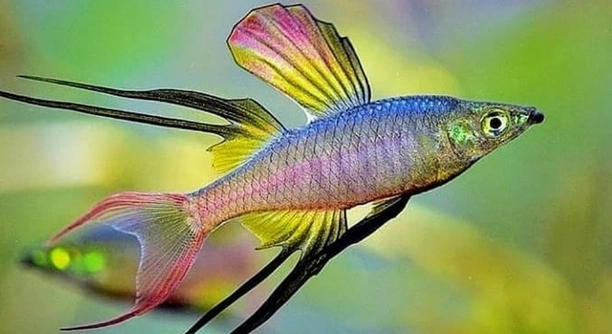
Do you ever find yourself admiring the bright colors of threadfin rainbowfish but wondering how they manage on their own in a tank? These small, peaceful fish are known for their shimmering scales and active behavior.
Threadfin rainbowfish can survive without tank mates, but they thrive best in groups. Solitary fish may experience stress, reduced activity, and lower overall health, as social interaction plays a crucial role in their well-being and natural behavior patterns.
Maintaining the right environment and understanding their social needs will help your threadfin rainbowfish live a healthier, happier life in any aquarium setup.
Social Behavior of Threadfin Rainbowfish
Threadfin rainbowfish are naturally social creatures. In the wild, they move in small schools, swimming together for protection and stimulation. In a home aquarium, this behavior continues. When kept alone, these fish can become withdrawn, often hiding or staying near the bottom. Interaction with other fish of the same species encourages active swimming, displays of their vibrant colors, and normal feeding habits. Observing a school of threadfin rainbowfish provides insight into their natural instincts, such as coordinating movement and responding to potential threats together. Even minor environmental changes, like adding plants or rearranging decorations, are more easily navigated when they have companions. A solitary fish may fail to explore its surroundings fully, limiting mental stimulation. Providing a social group helps maintain their overall health, reduces stress, and supports longevity. Keeping at least three to five individuals creates a more natural environment, fostering behaviors that solitary fish often miss. This social interaction is essential for their daily well-being and energy levels.
A small group of threadfin rainbowfish ensures they remain active, colorful, and healthy, showing natural behavior patterns more reliably than solitary individuals.
Fish kept in groups display more consistent feeding habits and interact with the environment more fully. Tank mates help reduce stress and maintain vitality.
Tank Setup for Single or Multiple Fish
A proper tank setup is essential for threadfin rainbowfish, whether alone or in groups. A minimum of 20 gallons is recommended for a single fish, but larger tanks work better for schools. Include plants, hiding spots, and open swimming areas. Regular water changes and stable conditions are critical for health.
When keeping multiple fish, space becomes even more important. Threadfin rainbowfish appreciate a mix of planted areas for security and open zones for schooling. Plants such as Java fern or floating vegetation provide shade and comfort. Filtration must be strong but not create a harsh current, as they prefer gentle water movement. Temperature should remain between 72–78°F, and pH near neutral. Adding a few companions prevents boredom, reduces stress, and encourages natural behavior, while solitary fish may show signs of lethargy or color fading. Feeding should be consistent, offering high-quality flakes, micro-pellets, or frozen foods to maintain vibrant health. Observing interactions within the school allows owners to spot early signs of illness or bullying. Planning a tank layout with both social and environmental needs in mind ensures your fish thrive and remain visually striking. Proper care and setup create a comfortable, stimulating environment where threadfin rainbowfish can flourish for years.
Feeding Habits and Nutrition
Threadfin rainbowfish eat a variety of foods, including flakes, pellets, and small frozen or live items. They require a balanced diet to maintain their vibrant colors and energy. Overfeeding can lead to water issues and health problems, so portion control is important.
A consistent feeding routine helps maintain health and coloration. These fish thrive on small portions multiple times a day rather than one large feeding. High-quality flakes or micro-pellets provide essential nutrients, while occasional live foods like daphnia or brine shrimp add protein and stimulation. Observing their feeding behavior helps identify stress or illness early. Solitary fish may eat less readily, so monitoring intake ensures they receive adequate nutrition.
Providing variety is crucial for overall well-being. Mixing flake food with frozen or live options encourages natural hunting behavior and prevents boredom. Avoid excessive feeding to reduce waste buildup. A carefully planned diet contributes to longevity and keeps the fish active and colorful. Maintaining proper nutrition supports immunity and strengthens their natural resilience against common aquarium diseases.
Health and Stress Management
Stress in threadfin rainbowfish can arise from poor water quality, aggressive tank mates, or isolation. Addressing these issues promptly reduces the risk of illness. Regular observation is essential to detect early signs of stress, such as hiding, color fading, or loss of appetite.
Stable water conditions prevent stress-related problems. Temperature, pH, and filtration should be monitored consistently, as fluctuations can weaken immune systems. Introducing companions carefully ensures harmony in community tanks. Solitary fish may display subdued behavior or develop health complications over time. Providing adequate swimming space, plants for hiding, and maintaining routine care helps mitigate stress. Additionally, avoiding sudden changes in lighting or tank layout contributes to a calmer environment. Monitoring interactions and behavior patterns allows early intervention when issues arise, promoting long-term health and vibrant coloration. Consistent care, combined with attention to social and environmental needs, creates a supportive habitat that reduces stress-related risks and encourages natural behavior, ultimately improving quality of life.
Ideal Tank Companions
Threadfin rainbowfish do well with peaceful, small to medium-sized fish. Avoid aggressive species that may nip fins or dominate the tank. Compatible companions include tetras, danios, and other rainbowfish species, which encourage social behavior and reduce stress.
Introducing new tank mates gradually helps prevent aggression. Quarantining new fish before adding them protects the original inhabitants from potential illness or parasites.
Breeding Considerations
Threadfin rainbowfish are egg scatterers and require a separate breeding tank for successful reproduction. Fine-leaved plants or spawning mops provide surfaces for eggs to attach, while adults may eat their own eggs if left together. Maintaining stable water conditions and proper nutrition encourages spawning behavior.
Observing Behavior
Regularly monitoring your fish helps detect early signs of stress, illness, or aggression. Healthy threadfin rainbowfish are active, swim in groups, and display bright colors.
FAQ
Can threadfin rainbowfish live alone?
Threadfin rainbowfish can survive alone, but they are naturally social fish. Solitary individuals often become less active, hide more frequently, and may lose color vibrancy. While a single fish can live in a well-maintained tank, having a small group improves mental stimulation, encourages natural behaviors, and promotes overall health.
How many threadfin rainbowfish should be kept together?
A minimum of three to five fish is recommended to encourage social interaction. Larger groups allow them to swim in schools, display natural behaviors, and reduce stress. Overcrowding should be avoided, as it can cause territorial disputes, water quality issues, and increased disease risk.
What size tank is needed for a group of threadfin rainbowfish?
For a single fish, at least 20 gallons is suitable, but a school of three to five should be kept in a tank of 30–40 gallons or more. Larger tanks provide enough swimming space, reduce stress, and allow proper water circulation, which is vital for their well-being.
Can threadfin rainbowfish coexist with other species?
Yes, they do well with peaceful, small to medium-sized species. Avoid aggressive or fin-nipping fish, which can harm them. Suitable companions include small tetras, danios, and other rainbowfish species. Introducing new tank mates gradually helps maintain harmony and reduces stress for all fish.
What should I feed threadfin rainbowfish?
A balanced diet is essential. High-quality flakes or micro-pellets should form the main diet, supplemented with live or frozen foods like daphnia, brine shrimp, or bloodworms. Feeding small portions two to three times daily prevents overfeeding and maintains water quality while supporting vibrant coloration and healthy growth.
How do I manage water quality for solitary fish?
Water quality is critical. Regular testing for ammonia, nitrite, nitrate, pH, and temperature ensures a stable environment. Frequent partial water changes, proper filtration, and careful monitoring prevent stress and illness. Even a single fish produces waste, so consistent maintenance is necessary for health and longevity.
Do solitary threadfin rainbowfish breed successfully?
Breeding is less likely in solitary individuals because social triggers often stimulate spawning behavior. To breed, they need a small group in a separate breeding tank with fine-leaved plants or spawning mops. Adults may eat eggs, so separation or protection of eggs is recommended.
How can I tell if my fish is stressed?
Signs of stress include hiding, loss of color, reduced activity, or poor appetite. Solitary fish may show these behaviors more often. Stress can lead to illness and shorter lifespan. Maintaining proper water conditions, providing hiding spaces, and offering occasional social interaction can reduce stress significantly.
Are there common diseases I should watch for?
Threadfin rainbowfish are generally hardy, but poor water quality or stress can lead to ich, fin rot, or bacterial infections. Early signs include white spots, frayed fins, lethargy, or loss of appetite. Prompt treatment and maintaining a clean, stable tank environment prevent most common illnesses.
How long do threadfin rainbowfish live?
With proper care, they typically live 5–8 years. Adequate tank size, good water quality, proper nutrition, and social interaction all contribute to longevity. Providing a safe, enriched environment encourages healthy, active, and vibrant fish throughout their lifespan.
Can I keep only one fish if I provide extra care?
Yes, with careful attention to tank setup, diet, and enrichment, a solitary fish can survive. However, the lack of social interaction may still affect behavior and color vibrancy. Group housing is strongly recommended to ensure natural behavior and overall well-being.
How often should I observe my fish?
Daily observation is important, even for solitary fish. Watching swimming patterns, feeding behavior, and color changes helps detect early signs of stress or illness. Consistent monitoring ensures quick intervention and supports long-term health, maintaining a lively and colorful aquarium.
Is lighting important for solitary fish?
Lighting affects both behavior and coloration. Moderate, consistent lighting supports activity, shows off colors, and helps maintain a stable day-night cycle. Avoid sudden changes, which can stress solitary fish and impact feeding and swimming habits. Proper lighting also supports plant growth in a planted tank.
Can solitary fish interact with humans?
Yes, threadfin rainbowfish can become accustomed to human presence. They may swim closer during feeding or follow movement near the tank. Interaction provides mental stimulation, though it does not replace the social benefits of having tank mates. Observation and gentle feeding enhance engagement safely.
What enrichment can I provide for a solitary fish?
Plants, driftwood, hiding spots, and open swimming areas create a stimulating environment. Moving decorations occasionally encourages exploration. Live or frozen foods can simulate natural hunting behaviors. Even with careful enrichment, solitary fish benefit from the occasional presence of compatible tank mates to promote full natural behavior.
This FAQ provides practical guidance for both solitary and group housing, ensuring threadfin rainbowfish remain healthy, active, and colorful in any aquarium setup.
Final Thoughts
Threadfin rainbowfish are naturally social creatures that thrive best when kept in small groups. While a single fish can survive alone in a properly maintained tank, solitary living may lead to stress, reduced activity, and loss of color vibrancy. Social interaction is an important part of their daily behavior, encouraging swimming, exploring, and feeding in a more natural way. Observing a school of these fish shows their active nature, coordinated movements, and the full range of their colors. Keeping more than one fish not only improves their mental stimulation but also promotes overall health and longevity.
A well-planned tank environment is essential for both solitary and group fish. Proper filtration, temperature control, and water quality help reduce stress and prevent disease. Adding plants, hiding spots, and open swimming areas creates a more comfortable and engaging space. Even a single fish benefits from thoughtful tank setup and enrichment, but a small group will respond more naturally to the environment. Careful feeding with a balanced diet, including high-quality flakes and occasional live or frozen foods, supports energy levels and coloration. Paying attention to behavior, appetite, and activity allows early detection of potential health issues, helping maintain a vibrant and healthy aquarium.
Overall, threadfin rainbowfish are resilient and rewarding pets when their basic needs are met. Solitary fish can survive, but they often miss the social stimulation that makes them so lively and colorful. A group of three to five individuals is ideal, allowing natural schooling behavior and reducing stress. With the right tank size, clean water, balanced diet, and attention to social needs, these fish can thrive for many years. Thoughtful care ensures they remain active, colorful, and healthy, providing an enjoyable and visually appealing addition to any home aquarium. The effort to understand their behavior and preferences pays off, as happy threadfin rainbowfish are both engaging to watch and easier to maintain.

Hello,
If you enjoy the content that we create, please consider saying a "Thank You!" by leaving a tip.
Every little bit helps us continue crafting quality advice that supports the health, happiness, and well-being of pets around the world, for pets of all shapes, sizes, and species.
We really appreciate the kindness and support that you show us!