
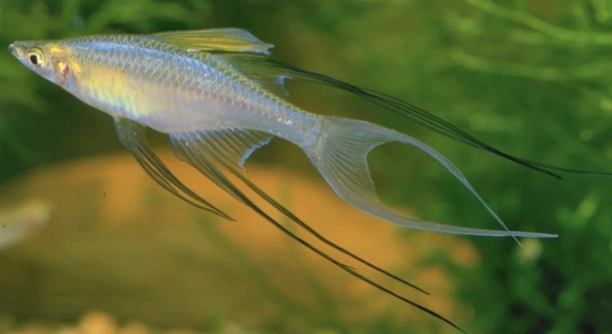
Are your threadfin showing hesitation when new fish are added to their tank? Observing your fish refusing potential companions can be frustrating, especially when you want a peaceful community aquarium that thrives together naturally.
Threadfin may refuse new tankmates due to territorial instincts, stress from sudden changes, differences in water parameters, size disparities, social hierarchy, or incompatible behavior patterns. Each factor can significantly influence their acceptance of newcomers in the aquarium.
Learning about these influences will help you create a balanced tank environment and support your threadfin’s comfort with other fish over time.
Stress From Sudden Changes
Threadfin are sensitive fish and sudden changes in their environment can trigger stress. Adding new tankmates without gradual acclimation can make them feel threatened. Rapid changes in lighting, water temperature, or decorations may also increase anxiety. Stress can lead to hiding, reduced appetite, and refusal to interact with newcomers. Even small disturbances, like rearranging plants or introducing a filter, can affect their comfort. Providing a calm, stable environment helps threadfin adjust more easily to new additions. Slowly introducing new fish, using a quarantine tank, and maintaining consistent water conditions can prevent stress-related conflicts. Observing their behavior closely after each change helps you spot early signs of discomfort. Stress management is crucial not only for social interactions but also for overall health. Over time, a patient and structured approach allows threadfin to coexist peacefully with other species.
Stress is a primary reason threadfin reject new tankmates, as abrupt changes disrupt their sense of security and stability in the aquarium.
Gradual introductions and stable water conditions reduce tension, making them more likely to accept newcomers without aggression or fear.
Territorial Instincts
Threadfin naturally claim areas of the tank as their own, defending them against perceived intruders. They patrol their space and chase away unfamiliar fish to maintain dominance. Tank size plays a role: smaller tanks intensify territorial behavior, while larger tanks give them room to coexist. Hiding spots and visual barriers can reduce conflicts. Knowing their favored areas and arranging the tank strategically helps prevent constant confrontations. Observing which spots they frequent most informs placement of decorations or plants to provide security. Overlapping territories with new fish often cause rejection. Avoid introducing similarly sized or aggressive species to minimize fights. Using floating plants or partitions during introductions can ease tension. Long-term, threadfin become more tolerant once boundaries are respected and they feel secure.
Threadfin will defend their chosen area until they feel confident the new fish are not a threat.
Recognizing and accommodating territorial instincts ensures smoother tank dynamics. Preparing space, using partitions, and carefully monitoring interactions can help new fish settle without provoking aggressive behaviors. Understanding how threadfin perceive their environment and which zones they consider private can guide placement of tankmates and decorations. A structured approach to tank organization prevents repeated stress and conflict. Over time, they may even tolerate newcomers more readily, but respecting their territorial nature is key to maintaining peace. Observing interactions daily helps identify potential issues early. By giving each fish a secure zone, you reduce the chance of injury or long-term stress. Careful planning and patience create a balanced aquarium where both threadfin and new fish can thrive without constant competition.
Differences in Water Parameters
Threadfin are highly sensitive to water conditions, and sudden changes can make them reject new tankmates. Temperature, pH, and hardness must match their comfort zone to encourage acceptance.
If new fish come from tanks with different water parameters, threadfin may sense the difference and become stressed. Even small variations in temperature or pH can cause discomfort, affecting their appetite and social behavior. Gradual acclimation is essential. Adjusting the new fish slowly to match your tank’s conditions reduces shock. Using drip acclimation or floating the new fish in a bag before release allows them to adjust over time. Monitoring water quality consistently ensures both existing and new fish remain healthy. Proper filtration and regular testing support stable conditions. Over time, threadfin are more likely to accept new companions if the environment remains consistent and familiar.
Threadfin may resist newcomers until water parameters are fully stable. Keeping conditions consistent is key to fostering peaceful interactions and minimizing stress-related conflicts.
Size Disparities
Larger or smaller tankmates can intimidate threadfin or trigger aggression. Size differences impact comfort levels and social dynamics.
Threadfin are cautious around fish that are much bigger or smaller than themselves. Larger fish may seem threatening, while smaller ones can be ignored or harassed. This imbalance affects feeding, swimming space, and social behavior. Gradually introducing fish of comparable size minimizes tension. Observing interactions helps identify mismatched pairs early before stress or injuries occur. Providing hiding spaces or separate feeding zones reduces competition. Adjusting stocking density ensures each fish has adequate room, reducing territorial disputes. Over time, threadfin learn to navigate these dynamics if the size difference is not extreme and the environment is well-structured. Proper planning in choosing compatible sizes improves overall tank harmony.
Monitoring size compatibility and adjusting introductions ensures threadfin feel secure and new fish are safely integrated. Proper planning supports long-term peace in the aquarium.
Social Hierarchy
Threadfin follow a clear social hierarchy, and newcomers can disrupt the established order. Existing fish may resist new arrivals until their positions are understood.
Respecting the existing hierarchy helps minimize aggression. Introducing fish slowly and observing interactions allows the community to adjust naturally without excessive stress or fighting.
Incompatible Behavior Patterns
Some fish have behaviors that threadfin find threatening or annoying. Aggressive nipping, excessive chasing, or overly timid movements can cause rejection.
Careful selection of tankmates is essential. Observing potential new fish before adding them ensures their behavior aligns with the peaceful, schooling nature of threadfin. Matching temperament improves acceptance and reduces stress.
Overcrowding
Too many fish in the tank increases stress and conflict, causing threadfin to reject new companions.
Maintaining proper stocking levels gives each fish enough space to swim, hide, and feed comfortably, reducing tension and encouraging peaceful coexistence.
FAQ
Why does my threadfin attack new tankmates even though the tank is large?
Even in spacious tanks, threadfin may feel territorial or stressed. Size alone doesn’t eliminate aggression. If new fish enter their established area too quickly, threadfin may see them as intruders. Gradual introductions, partitions, and monitoring interactions reduce stress and help them adapt more comfortably over time.
How long does it take for threadfin to accept new fish?
Acceptance varies depending on the individual fish, their temperament, and the existing social structure. Some threadfin may adjust in a few days, while others take weeks. Maintaining consistent water conditions, feeding routines, and stable surroundings encourages smoother integration. Patience is key to reducing stress-related conflicts.
Can introducing multiple new fish at once help with acceptance?
Sometimes adding more than one new fish can spread attention and reduce focus on a single intruder. However, it can also increase overall stress if the tank becomes overcrowded. Carefully monitor interactions and ensure there are enough hiding spots for all fish to feel secure.
Are certain fish species better tankmates for threadfin?
Yes, species that are peaceful, similarly sized, and non-territorial work best. Avoid overly aggressive, fin-nipping, or very timid species that may trigger stress or provoke conflict. Observing potential tankmates in a separate environment before introducing them is recommended to ensure compatibility.
Does diet affect how threadfin interact with new fish?
A well-fed, balanced diet reduces stress and aggression. Hungry fish are more likely to compete or attack newcomers. Offering high-quality food consistently helps maintain calm behavior and supports overall health, making them more likely to accept new companions over time.
Can water quality influence acceptance of new tankmates?
Absolutely. Threadfin are sensitive to changes in water parameters. Differences in temperature, pH, or hardness between their current environment and the new fish can cause stress. Gradual acclimation of new fish and maintaining consistent water conditions help improve acceptance.
What should I do if my threadfin continues to reject new fish?
If rejection persists, separate the new fish temporarily to reduce stress. Reassess tank size, decorations, and hiding spots to ensure sufficient space. Introduce newcomers slowly, and consider choosing fish with calmer temperaments. Patience, observation, and proper environmental management are crucial.
Do threadfin ever fully socialize with all tankmates?
Some may never fully integrate with all newcomers, depending on their personality and social hierarchy. While they can coexist peacefully over time, complete social harmony isn’t guaranteed. Providing stable conditions, adequate space, and compatible companions increases the likelihood of long-term coexistence.
How can I minimize stress during introductions?
Use a quarantine tank or floating divider to allow observation without direct contact. Maintain consistent water parameters, provide hiding spaces, and introduce fish gradually. Avoid sudden changes in lighting or decorations, as these can heighten stress and slow acceptance.
Is it better to add new fish when the tank is already established?
Yes, but it requires careful planning. Established tanks have stable water parameters and a clear hierarchy. Gradual introductions are critical. Too many changes at once can overwhelm threadfin and provoke aggression. Proper timing and preparation improve the chances of smooth integration.
What signs indicate my threadfin are finally accepting newcomers?
Signs include reduced chasing, shared swimming areas, normal feeding behavior, and calm interactions near decorations. Fish may gradually swim together or ignore each other without showing stress or aggression. Observing these behaviors over time confirms a successful integration process.
Can rearranging decorations help with introductions?
Yes, adding plants, rocks, or hiding spaces can break sightlines and reduce territorial conflicts. It creates neutral areas for new fish to explore and allows threadfin to establish their zones without constant confrontation. Small adjustments often make introductions smoother.
How often should I monitor interactions during the introduction period?
Daily monitoring is recommended during the first few weeks. Watch for aggression, stress signs, or hiding. Early intervention, such as temporary separation or rearranging the tank, can prevent injuries and long-term conflict. Regular observation ensures a healthy and harmonious tank environment.
Are juvenile threadfin easier to introduce than adults?
Generally, yes. Younger fish are less territorial and more adaptable. Introducing juveniles together increases the chance of social acceptance and reduces stress-related aggression. Adult threadfin may require longer acclimation and careful planning to avoid dominance disputes.
What role do hiding spots play in acceptance?
Hiding spots reduce stress and give both new and existing fish safe zones. They allow threadfin to retreat when feeling threatened and give newcomers space to explore gradually. Properly placed decorations and plants help maintain peace and reduce aggression in the tank.
How important is water temperature during introductions?
Water temperature must be consistent between the new fish and existing threadfin. Sudden differences can trigger stress, making acceptance difficult. Gradually acclimating new fish to the tank temperature ensures comfort and reduces the likelihood of aggression or refusal.
Can threadfin behavior indicate overall tank health?
Yes. Aggression, hiding, or refusal to interact may signal stress, poor water quality, or overcrowding. Observing behavior during introductions provides insight into both fish health and environmental conditions. Addressing underlying issues helps ensure a balanced and peaceful tank for all inhabitants.
Should I ever reintroduce rejected fish later?
Reintroduction can work if conditions change, such as rearranged decorations, added hiding spots, or improved water quality. Waiting several weeks and ensuring compatible size and temperament increases the likelihood of successful integration. Careful observation remains essential during the second introduction.
Does lighting affect acceptance of new tankmates?
Yes, sudden changes in lighting can stress threadfin. Bright or fluctuating light may make them more defensive and less willing to interact with newcomers. Gradual adjustments and stable lighting conditions promote calm behavior and improve social acceptance.
How can I tell if rejection is due to personality rather than environment?
Consistent aggression, refusal to share space, or chasing regardless of tank setup or water conditions often indicates personality differences. Some threadfin are naturally more dominant or cautious. Adjusting tankmates, providing sufficient space, and respecting individual tendencies can minimize stress and conflicts.
Final Thoughts
Understanding why your threadfin may refuse new tankmates is essential for maintaining a healthy and balanced aquarium. Threadfin are naturally sensitive and social creatures, yet they are also cautious and sometimes territorial. Many factors contribute to their reluctance, including stress from sudden changes, territorial instincts, social hierarchy, size differences, water parameters, and incompatible behavior patterns. Each of these elements affects how they perceive and interact with newcomers. When threadfin feel threatened or uncomfortable, they may hide, chase, or outright ignore new fish. Recognizing these behaviors is the first step in helping them adjust. Observing their reactions closely allows you to respond appropriately and make adjustments to the tank environment or introduction process.
Creating a supportive and stable environment is crucial. Gradual introductions are more effective than sudden changes, as they allow threadfin to familiarize themselves with new companions without feeling overwhelmed. Providing adequate hiding spots and visual barriers can reduce stress and make them feel secure. Attention to water quality, temperature, and pH is equally important. Threadfin are highly sensitive to changes in their surroundings, so maintaining consistent conditions can prevent rejection or aggressive behavior. Size compatibility is another key factor; larger or much smaller fish can intimidate or annoy threadfin, while similarly sized, peaceful fish are more easily accepted. By carefully selecting compatible species and paying attention to the details of their environment, you create a tank that promotes calm behavior and encourages social interactions.
Patience and observation are vital components of successful tank management. Some threadfin may never fully integrate with all new tankmates, depending on individual temperament and established social hierarchies. While complete acceptance is not always guaranteed, providing a stable, well-organized environment increases the likelihood of peaceful coexistence. Monitoring behavior over time allows you to spot problems early, such as stress, aggression, or discomfort, and take corrective measures. With careful planning, proper acclimation, and consistent care, your threadfin can live harmoniously with other fish. Understanding their needs and respecting their natural tendencies ensures a healthier, calmer, and more enjoyable aquarium for all inhabitants.

Hello,
If you enjoy the content that we create, please consider saying a "Thank You!" by leaving a tip.
Every little bit helps us continue crafting quality advice that supports the health, happiness, and well-being of pets around the world, for pets of all shapes, sizes, and species.
We really appreciate the kindness and support that you show us!