
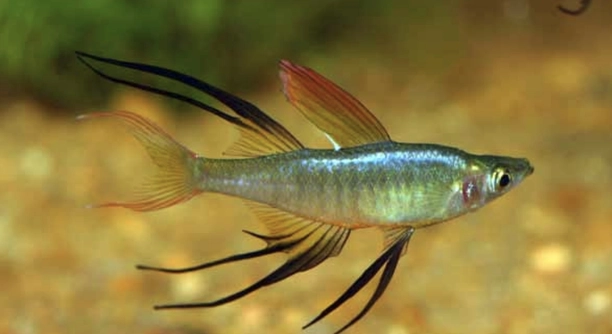
Threadfin Rainbowfish are small, colorful fish often kept in home aquariums. They are lively but cautious, preferring areas with plenty of plants or hiding spots instead of open water spaces. Their natural behavior leans toward safety and shelter.
Threadfin Rainbowfish tend to avoid open areas due to increased vulnerability to predators and stress. These fish instinctively seek cover or shaded regions, which provide security, reduce anxiety, and mimic their natural habitat, allowing them to maintain normal activity levels.
Understanding their need for hiding places can improve your aquarium setup and keep these fish healthy and comfortable. Proper placement of plants and decorations makes a significant difference.
Natural Habitat and Instincts
Threadfin Rainbowfish are native to slow-moving streams and shallow rivers in northern Australia and New Guinea. In these areas, dense vegetation and submerged structures provide protection from predators. Open water exposes them to danger, so they naturally prefer hiding among plants or near rocks. Their bright colors make them more visible, which increases risk in exposed spaces.
These fish are highly alert and react quickly to movement or shadows, an instinct developed over generations to survive in predator-rich environments.
Providing dense planting in your aquarium simulates these natural conditions. Floating plants, tall stems, and small caves offer comfort and security. Observing your Rainbowfish using these areas shows they feel safe. Over time, they will explore open areas slightly but always return to cover. Mimicking their native environment reduces stress, encourages natural behavior, and can improve coloration and appetite.
Social Behavior and Group Dynamics
Threadfin Rainbowfish thrive in groups and feel safer when with others.
In a group, these fish establish a loose social hierarchy that helps reduce stress. They often swim together near shelter and only venture into open water briefly. The presence of companions lowers the chance of panic when they sense potential threats. When setting up an aquarium, keeping at least six Rainbowfish together creates a sense of security. Observing their interactions shows subtle communication, such as color changes or synchronized swimming. A well-planted tank allows them to retreat if tension arises, reducing aggressive behavior and keeping the group harmonious. Properly understanding their social nature helps prevent stress-related health problems. When fish feel safe with companions, they are more likely to eat consistently, display natural behaviors, and interact calmly with their surroundings. Group dynamics play a crucial role in their comfort, and open areas should be balanced with sufficient cover to maintain their well-being.
Aquarium Layout Considerations
Open areas in a tank can make Threadfin Rainbowfish feel exposed. Even small open spaces should be balanced with plants or decorations to provide shelter. They often swim near the edges or behind structures to feel secure and avoid stress.
Using tall plants and driftwood creates natural hiding spots while still allowing room for swimming. Rocks, caves, and floating vegetation help them feel less vulnerable. Arranging decorations in clusters encourages exploration without forcing them into exposed spaces. A thoughtful layout mimics their natural environment and supports calm behavior. Over time, they may gradually move into open areas, but secure zones remain essential.
Proper lighting also affects how safe these fish feel. Bright, harsh lights make open areas intimidating, so diffused or adjustable lighting helps them use exposed sections comfortably. Combining layout and lighting ensures a balanced environment where Rainbowfish can thrive naturally and maintain healthy behavior patterns.
Feeding and Foraging Behavior
Threadfin Rainbowfish prefer foraging near cover rather than in open water.
They naturally pick at small insects, plankton, or flakes close to plants or decorations. Feeding near hiding spots reduces stress and encourages consistent eating. In a tank, scattering food across both sheltered and slightly open areas lets them explore without feeling vulnerable.
Feeding habits are strongly influenced by their sense of safety. If a tank lacks cover, they may hesitate to eat or become skittish. Providing live or frozen foods near plants mimics natural foraging and keeps them engaged. Over time, they learn to approach open areas gradually while still having secure zones nearby. This balance between exposure and protection ensures they receive proper nutrition without added stress. Observing where they feed can help you adjust tank layout and feeding practices to match their instincts and comfort.
Predation Risks
Threadfin Rainbowfish instinctively avoid open areas to reduce exposure to predators. Even in an aquarium, sudden movements or reflections can trigger this cautious behavior.
They rely on plants, rocks, or driftwood to create safe zones. Open spaces without cover can make them freeze or dart nervously, showing their natural survival instincts.
Stress and Health
Stress from exposed areas can affect their immune system, making them more prone to illness. Constant anxiety reduces appetite and activity, impacting overall health.
Providing multiple hiding spots lowers stress and encourages natural behavior. A tank with both cover and open swimming areas ensures they feel secure while maintaining a healthy, active lifestyle.
Lighting and Visibility
Bright lighting over open areas can make Rainbowfish feel unsafe. Adjusting light intensity or adding shaded sections allows them to explore comfortably without constant fear.
Tank Companions
Aggressive or fast-moving tank mates increase avoidance of open spaces. Keeping peaceful companions allows Rainbowfish to swim more freely and feel secure within their environment.
FAQ
Why do Threadfin Rainbowfish hide so much?
Threadfin Rainbowfish are naturally cautious fish. Hiding is an instinct that helps them avoid predators. In a tank, they use plants, rocks, or driftwood to feel safe. Even small disturbances like reflections or sudden movements can trigger hiding. Providing ample cover reduces stress and encourages natural exploration. Over time, they may swim more openly but will always rely on secure zones. Observing their patterns helps you understand when they feel comfortable.
Can I encourage them to swim in open areas?
Yes, but it should be gradual. Adding floating plants or creating partial open spaces with nearby shelter allows them to explore without feeling exposed. Bright lights or aggressive tank mates can make them retreat, so maintaining calm conditions is key. Using consistent feeding locations in open areas can also help them associate those spaces with safety. Patience is important, as forcing them into exposed areas may increase stress and affect health.
Do they need a lot of hiding spots?
Threadfin Rainbowfish thrive with multiple hiding spots. Plants, rocks, and small caves mimic their natural environment and make them feel secure. Even small clusters of decorations can provide comfort. Without adequate cover, they may become skittish or refuse to feed. A mix of tall plants, driftwood, and shaded zones works best. Rotating or rearranging decorations occasionally can also keep them curious while maintaining a sense of safety.
Will they be healthier if they swim more openly?
Swimming in open areas is not required for health but can indicate low stress. They are naturally cautious, so feeling comfortable enough to explore shows they feel safe. Stress-free fish eat better, display brighter colors, and behave more actively. Proper tank layout with cover and open spaces provides balance, allowing them to swim freely when they choose. Ensuring hiding spots remain accessible supports long-term health.
Do tank mates affect their willingness to explore?
Yes, tank mates play a significant role. Aggressive or fast-moving fish increase anxiety, causing Rainbowfish to stick to cover. Peaceful, slow-moving companions encourage exploration. Observing interactions helps identify stress sources. Grouping Rainbowfish together also increases confidence, as they feel safer in numbers. Careful selection of tank mates ensures a calm, secure environment where they can move freely.
How does lighting influence their behavior?
Bright or direct lighting over open areas can make them feel exposed. Adjusting light intensity or using floating plants to create shaded spots helps them move comfortably. Gradually introducing open spaces with softer light allows exploration without stress. Lighting should mimic natural conditions, with areas of both brightness and shadow. Proper lighting encourages normal activity, feeding, and reduces stress-related behavior.
Can stress from open areas make them sick?
Yes, constant stress weakens their immune system. Fish may lose appetite, hide excessively, or display dull colors. Providing secure areas and minimizing sudden disturbances is essential. Stress management is key to preventing illness. Observing their behavior and adjusting the tank environment accordingly helps maintain overall health.
Is it normal for them to always stay at the edges of the tank?
Yes, staying near the edges or behind decorations is a natural instinct. Open water feels risky, so they prefer places with cover. This behavior is common and not a sign of poor health, as long as they eat and swim normally within sheltered areas.
How many Rainbowfish should be kept together?
A group of six or more is ideal. Being in a small school reduces anxiety and encourages natural behavior. They communicate subtly through swimming patterns and color changes. A well-sized group also prevents bullying and makes them more confident to explore partially open areas.
Does tank size matter for their comfort?
Yes, adequate space is essential. Larger tanks allow both open areas and plenty of hiding spots. Small tanks can increase stress if open spaces dominate. A balance of swimming room and shelter ensures they remain healthy, active, and comfortable in their environment.
Can rearranging the tank help them feel safer?
Yes, but it should be done gradually. Sudden changes can increase stress. Rearranging one section at a time, keeping familiar hiding spots intact, helps them adjust. Gradual modifications stimulate curiosity while maintaining security, encouraging exploration without causing fear.
Do they need specific plant types for hiding?
Dense, tall, or bushy plants are most effective. Floating plants and stems provide vertical cover and shaded areas. Artificial plants work if natural ones are difficult to maintain. A mix of plant types encourages natural swimming patterns and makes open areas feel safer, supporting both comfort and well-being.
Is water quality linked to their stress in open areas?
Yes, poor water conditions increase anxiety. Clean water with stable temperature and pH helps them feel secure and explore more freely. Even with hiding spots, poor conditions can cause lethargy or excessive hiding. Maintaining good water quality supports natural behavior and overall health.
Do they ever completely avoid open water?
Some individuals may rarely leave cover, especially if the tank has insufficient hiding spots or stressful conditions. This is normal as long as they feed and interact with the environment. Providing a mix of open and sheltered spaces encourages occasional exploration without forcing them.
Can feeding influence their confidence in open areas?
Yes, placing food near open spaces gradually teaches them that these areas are safe. Consistent, gentle feeding helps them associate exposed spots with positive experiences, reducing anxiety. Over time, Rainbowfish may venture further from cover to forage.
How can I tell if they feel stressed?
Signs of stress include hiding excessively, erratic swimming, loss of appetite, or faded colors. Observing behavior daily helps identify discomfort early. Adjusting tank layout, lighting, or companion choices often alleviates stress and promotes natural behavior.
Are all Threadfin Rainbowfish equally cautious?
No, individual personality affects behavior. Some are bolder, while others remain near cover most of the time. Understanding each fish’s temperament helps tailor tank setup to ensure both safety and comfort for every individual.
What’s the best way to combine open areas and hiding spots?
A thoughtful tank layout balances open swimming sections with dense plant clusters, driftwood, or rocks. This combination allows exploration without feeling exposed. Gradually increasing open space while maintaining secure zones creates a healthy, comfortable environment for Threadfin Rainbowfish.
Final Thoughts
Threadfin Rainbowfish are naturally cautious and thrive in environments where they feel safe. Open areas can make them feel exposed, so they often stick close to plants, rocks, or other decorations. This behavior is normal and reflects their instincts from the wild, where predators are a constant threat. In a home aquarium, providing a mix of hiding spots and open swimming areas allows them to maintain this natural sense of security. Observing where they spend most of their time can help you understand how comfortable they feel. If they are hiding constantly or showing signs of stress, it is a signal that the tank may need more cover or that the current setup is too exposed. By paying attention to their behavior and adjusting the environment accordingly, you can create a space where these fish feel safe while still having room to explore.
Stress management is an important part of keeping Threadfin Rainbowfish healthy. Constant exposure to open areas without sufficient shelter can lead to anxiety, reduced appetite, and weakened immune systems. Adding tall plants, floating vegetation, driftwood, or small caves can create natural hiding spots that encourage calm behavior. Even small additions, like a cluster of decorations or a shaded corner, make a noticeable difference in their comfort level. Over time, these fish may venture into open water more often, but they will always return to secure areas when they feel uncertain. It is important to remember that their cautious nature is not a problem, but a reflection of their instincts. By respecting this behavior, you can maintain a healthier, more balanced tank environment that allows them to thrive.
Finally, the social and environmental aspects of your aquarium significantly influence how Threadfin Rainbowfish interact with open areas. Keeping them in groups of six or more helps reduce stress, as they feel safer in numbers. Peaceful tank mates, proper lighting, and consistent feeding locations also encourage confidence. When their natural needs are met, these fish display brighter colors, more active swimming patterns, and consistent feeding behavior. The key is balance—providing secure zones while leaving enough open space for natural movement. Paying attention to these factors allows you to create an aquarium that supports both their instincts and well-being. By focusing on comfort, safety, and thoughtful tank design, Threadfin Rainbowfish can live happy, healthy lives while maintaining their cautious but beautiful behavior.

Hello,
If you enjoy the content that we create, please consider saying a "Thank You!" by leaving a tip.
Every little bit helps us continue crafting quality advice that supports the health, happiness, and well-being of pets around the world, for pets of all shapes, sizes, and species.
We really appreciate the kindness and support that you show us!