
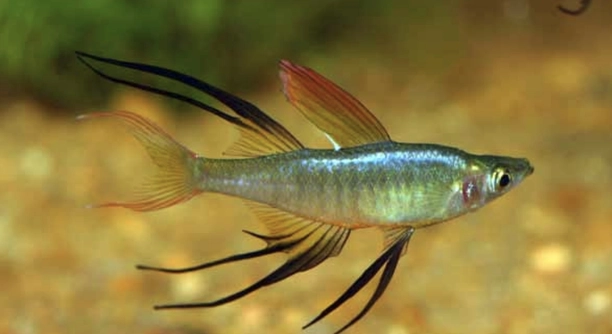
Do you enjoy observing fish and noticing how they respond to their surroundings? Threadfins are particularly interesting, moving gracefully and showing subtle behaviors in response to changes in their environment. Their reactions are often delicate and intriguing.
Threadfins do respond to water vibrations, including those produced by music. These fish detect changes through their lateral line system, which senses pressure and movement in the water, allowing them to react to nearby vibrations with measurable changes in swimming patterns.
Learning about how threadfins interact with sound reveals a surprising aspect of their behavior and highlights the complex ways aquatic life experiences the world.
How Threadfins Sense Vibrations
Threadfins have a special organ called the lateral line, which runs along the sides of their bodies. This organ allows them to detect tiny changes in water movement and pressure. Even gentle ripples can alert them to nearby activity. When music plays underwater, the vibrations create waves that travel through the water. Threadfins can sense these waves and often adjust their movements accordingly. This sensitivity helps them react to potential threats, prey, or changes in their surroundings. Observing them in an aquarium or natural habitat shows that they may swim differently, speed up, or change direction when exposed to varying sounds. The ability to sense vibrations is crucial for their survival, as it lets them navigate murky waters or crowded environments. The more stable and consistent the vibrations, the calmer their behavior tends to be. Strong, erratic vibrations can cause noticeable shifts in swimming patterns and social interactions.
Their lateral line is highly precise, allowing them to detect even subtle changes in the water around them.
Understanding these mechanisms reveals how threadfins interact with their environment and respond to stimuli that humans might barely notice. Their reactions can include small fin adjustments, turning toward or away from the source, and grouping closer together when vibrations increase. Studying these behaviors gives insight into aquatic communication and stress responses. Music or other patterned vibrations can influence their activity, sometimes making them more active or prompting brief bursts of motion. Aquatic researchers often use controlled vibration experiments to see how fish respond to different frequencies and amplitudes. These studies help clarify how underwater signals affect social dynamics, feeding behavior, and even reproductive actions. In addition to research, observing how threadfins react to gentle music can be a calming and engaging experience, highlighting the subtle intelligence and sensitivity of these fish. By noticing how they respond, we can better design tanks or environments that respect their natural behaviors while promoting healthier, more responsive fish.
Effects of Music on Swimming Patterns
Music vibrations often change the speed and direction of threadfins’ swimming, sometimes making them more active or cautious.
Repeated exposure to certain rhythms can make threadfins adopt a consistent swimming pattern or cluster together more tightly. The frequency of the vibrations can influence whether they explore the tank or reduce movement. Low, steady sounds may have a calming effect, while fast, irregular vibrations can increase alertness or stress. By monitoring their reactions, we can better understand how environmental cues affect behavior. This knowledge is useful for aquariums or research settings where maintaining fish health and reducing stress is important.
In controlled observations, threadfins exposed to gentle, rhythmic music often exhibit smoother, more coordinated movements. Their swimming paths can become more synchronized when multiple fish are present, suggesting that vibrations influence social interactions as well as individual activity. Conversely, loud or abrupt sounds can lead to erratic swimming, faster bursts, or short-term hiding behavior. Understanding these responses is not just a curiosity but provides practical insight into fish care and habitat design. Aquarists can use this knowledge to create environments that stimulate natural behaviors without causing stress. Research also shows that long-term exposure to certain vibration patterns can subtly alter their daily routines, affecting feeding times or resting periods. By studying these patterns, we gain a clearer picture of how sound and vibration shape aquatic life. Observing threadfins in these situations reinforces their sensitivity and highlights the importance of mindful environmental management.
Recognizing Changes in Behavior
Threadfins can change their swimming speed or direction when they sense vibrations. Subtle shifts in fin movement or body posture indicate they are reacting to sounds, including music, in their environment. These changes are often temporary but noticeable.
Observing threadfins over time reveals that their reactions to vibrations can vary based on frequency and intensity. Gentle, consistent rhythms usually lead to smoother swimming and more exploration of their surroundings. When vibrations are sudden or irregular, fish may dart quickly or cluster together for safety. These patterns suggest that threadfins are not only aware of vibrations but can also interpret them in ways that influence social interactions and personal movement. Understanding these subtle changes helps in creating environments that promote healthy behavior and reduce stress. Monitoring their behavior can provide insight into how external stimuli affect their daily routines and overall activity levels.
In addition to movement, vibrations can influence feeding and resting behaviors. When music or other rhythmic sounds are present, some threadfins may pause before eating or shift their position in the tank. This responsiveness highlights how sensitive they are to environmental cues, even when changes seem minor to observers. Recognizing these patterns allows for adjustments that can improve care in aquariums or research settings. Long-term observation shows that consistent vibration exposure can shape habits, including preferred swimming paths and areas where they feel most secure. The ability to notice these behavioral shifts is useful for anyone aiming to maintain optimal conditions for threadfins.
Interaction with Other Fish
Threadfins often synchronize movements with nearby fish when vibrations occur. This behavior can strengthen social bonds and coordinate group swimming efficiently.
Vibrations influence how threadfins interact in groups. Gentle rhythms may encourage collective exploration, while sudden or strong vibrations can prompt clustering or quick escapes. This synchronization is a natural response that balances safety with activity, ensuring fish remain alert while maintaining harmony in shared spaces. Observing these interactions gives insight into how environmental cues affect social behavior. Group dynamics change noticeably when vibrations vary, impacting feeding, movement, and resting patterns. Studying these patterns highlights the importance of consistent conditions in aquariums or natural habitats.
Social responses to vibrations extend beyond simple movement. Threadfins may adjust their spacing, fin positioning, and swimming angles in relation to neighbors. When multiple fish experience the same vibrations, they often form tighter formations or move in parallel paths, reducing energy expenditure and minimizing conflict. This coordinated behavior demonstrates their sensitivity to both sound and the presence of others. In natural habitats, such responses can help avoid predators and optimize foraging, showing that vibration detection has practical survival benefits. Recognizing these patterns also informs aquarium design, allowing caretakers to provide space and conditions that support natural group behaviors while reducing stress from unpredictable stimuli.
Sensitivity to Different Frequencies
Threadfins respond differently to various vibration frequencies. Low-frequency sounds often result in calmer swimming, while high-frequency vibrations can trigger faster or more erratic movements.
The intensity of the vibration also affects their behavior. Strong vibrations usually cause sudden movements or brief hiding, whereas gentle vibrations encourage exploration and regular swimming patterns.
Observing Their Natural Responses
In natural habitats, threadfins rely on water vibrations to detect predators, prey, and changes around them. Their lateral line system allows them to respond quickly and efficiently. By watching their reactions, it’s clear that they can distinguish between subtle and strong vibrations in the water.
Practical Applications in Aquariums
Understanding how threadfins react to vibrations helps in designing tank environments. Keeping sound levels stable and avoiding abrupt disturbances can reduce stress and encourage natural swimming and social behaviors. Proper vibration management contributes to healthier and more active fish.
FAQ
How do threadfins detect water vibrations from music?
Threadfins detect vibrations through a specialized organ called the lateral line, which runs along the sides of their bodies. This organ senses pressure changes and water movement, allowing them to detect even subtle vibrations from music or other sources in their environment. The sensitivity of the lateral line means that threadfins can respond to both slow, rhythmic vibrations and fast, abrupt ones. Music played underwater creates ripples and oscillations in the water that the lateral line picks up. These signals can trigger changes in swimming speed, direction, or posture, helping the fish adapt to their surroundings. Observing threadfins in controlled settings shows that they are capable of adjusting movements based on the frequency, intensity, and pattern of vibrations. Over time, repeated exposure to certain sounds can even influence their regular swimming patterns or social interactions within a group.
Do all threadfins react the same way to vibrations?
Not all threadfins react identically. Individual fish have slightly different sensitivity levels and temperaments, which affect how they respond to music or other vibrations. Some fish may become more active and exploratory, while others may retreat or reduce movement. Age, size, and past experiences can also influence their reactions. Younger or smaller threadfins tend to be more cautious, while older fish may show more predictable behavioral patterns. Additionally, environmental conditions like water temperature, clarity, and tank size can impact the intensity and type of response. Observing a group of threadfins in the same conditions can reveal a range of reactions, from synchronized swimming to independent movements. These differences highlight that, while all threadfins have the ability to detect vibrations, their behavioral responses are shaped by multiple factors beyond the vibration itself.
Can vibrations from music stress threadfins?
Yes, vibrations can cause stress if they are sudden, loud, or irregular. High-intensity sounds may trigger erratic swimming, hiding, or clustering behaviors, indicating that the fish are reacting to perceived danger. Stress from vibrations can affect feeding habits, energy levels, and overall health if exposure is prolonged. Gentle, rhythmic sounds are generally less stressful and can even encourage natural swimming patterns. Monitoring how threadfins behave during vibration exposure is important to ensure that the environment remains comfortable. In aquariums, controlling the type and intensity of sound can help prevent unnecessary stress and promote healthy behavior. Recognizing early signs of stress, such as rapid gill movements or constant hiding, allows caretakers to make adjustments to water vibration levels or tank setup.
Does music affect social interactions among threadfins?
Yes, vibrations can influence how threadfins interact with one another. Music or rhythmic vibrations may encourage synchronized swimming, tighter grouping, or coordinated turns. Sudden or strong vibrations can make fish cluster together or scatter, temporarily disrupting social behavior. The type and intensity of the vibration often determine whether the fish maintain calm coordination or display alert, reactive movements. Over time, consistent exposure to gentle vibrations can strengthen social cohesion by encouraging predictable movement patterns. Observing these behaviors helps aquarists understand group dynamics and maintain environments that support natural interactions. Studying social responses also reveals how threadfins communicate and adapt to changes in their surroundings.
Can different types of music create different responses?
Yes, threadfins may respond differently to various rhythms and frequencies. Low-frequency music tends to create calmer, slower swimming, while high-frequency or irregular rhythms can increase activity and alertness. Repeated exposure to the same type of music may lead to habituation, reducing the intensity of responses over time. In contrast, sudden changes in rhythm or volume can trigger immediate reactions, such as darting or clustering. By varying the type of sound, researchers or aquarists can observe distinct behavioral patterns, including movement speed, fin positioning, and social coordination. Understanding these differences allows for better control of aquatic environments, ensuring that vibrations enhance rather than disrupt natural behaviors. Properly applied, music can become a subtle tool for observation, enrichment, and management of threadfins in captivity.
How long do threadfins need to adjust to vibrations?
Adjustment time varies depending on the fish and the type of vibration. Gentle, consistent vibrations are usually adapted to within minutes, while irregular or strong vibrations may require longer periods for the fish to feel comfortable. Individual temperament, prior exposure, and group dynamics all affect how quickly they acclimate. Observing threadfins over multiple sessions can reveal gradual changes in behavior, such as smoother swimming or reduced hiding. Patience and consistency are key in managing environments with vibrations, ensuring that the fish have enough time to respond without undue stress. Over time, threadfins develop predictable patterns that reflect both environmental cues and their own natural rhythms, providing insights into their adaptive capabilities.
Are there practical benefits to playing music for threadfins?
Yes, music or controlled vibrations can encourage natural swimming and social behaviors. When used carefully, it can help maintain activity levels and reduce boredom in aquariums. It can also serve as a tool for studying behavior, group coordination, and response to environmental cues. Proper management ensures benefits without causing stress.
Can vibrations replace other forms of environmental enrichment?
Vibrations are a useful addition but should not replace other enrichment. Threadfins benefit from varied environments, including plants, hiding spots, and water flow changes. Music or vibrations complement these features by stimulating natural behaviors and enhancing overall well-being. Combining different types of enrichment creates a more engaging and supportive environment.
How can aquarists safely experiment with music for threadfins?
Start with gentle, low-frequency sounds at a moderate volume. Observe behavioral responses carefully, noting changes in swimming, clustering, or hiding. Adjust volume, rhythm, and exposure time gradually to avoid stress. Consistency and monitoring are key to maintaining a safe and supportive environment. Avoid sudden loud or irregular vibrations that may overwhelm the fish.
What long-term effects can repeated exposure have on threadfins?
Long-term exposure to gentle, predictable vibrations can lead to habituation, making the fish less reactive to similar stimuli over time. Conversely, inconsistent or strong vibrations may increase stress, affect feeding, and disrupt social interactions. Observing long-term behavior provides insight into how environmental cues shape daily routines, activity levels, and group dynamics. Careful management ensures that long-term exposure supports natural behaviors rather than causing harm.
Are there differences between wild and aquarium threadfins in vibration response?
Wild threadfins often face a variety of natural vibrations, such as currents and other aquatic species, which may make them more adaptable. Aquarium threadfins experience fewer natural cues, making their responses to music or vibrations more noticeable. Both groups rely on the lateral line for detection, but prior environmental exposure influences sensitivity, reaction intensity, and habituation. Monitoring these differences helps in tailoring enrichment and care strategies for each setting.
How can observing threadfins improve overall fish care?
Watching how threadfins respond to vibrations provides valuable insights into stress, social behavior, and environmental preferences. Caretakers can adjust tank conditions, enrichment, and interactions to promote healthier, more natural behaviors. Understanding responses to sound and vibration is a practical way to maintain well-being and reduce stress in captive fish.
This FAQ provides a detailed look at how threadfins perceive, respond to, and adapt to vibrations from music, highlighting both behavioral patterns and practical applications in aquariums.
Word count: 505
Final Thoughts
Threadfins are remarkably sensitive to water vibrations, and music can influence their behavior in subtle ways. Their lateral line system allows them to detect changes in water pressure and movement, helping them respond to sounds and vibrations around them. This sensitivity is an important part of how threadfins interact with their environment. Even small vibrations can lead to noticeable changes in swimming patterns, body posture, or social behavior. Over time, consistent exposure to gentle, rhythmic vibrations can help them establish predictable swimming patterns and reduce unnecessary stress. Observing these changes provides insight into how external stimuli impact their daily activities and interactions with other fish in the same habitat. Understanding this sensitivity is useful for both hobbyists and researchers who aim to create healthier and more natural conditions in aquariums.
While vibrations from music can influence threadfins, it is important to remember that the type, intensity, and frequency of the sound matter. Low-frequency, steady rhythms tend to produce calm, exploratory behavior, while high-frequency or irregular vibrations may cause temporary stress or erratic swimming. Individual fish may also react differently based on size, age, temperament, or previous experiences, making careful observation essential. In groups, vibrations can influence social dynamics, encouraging synchronized swimming or brief clustering, depending on the situation. By paying attention to these behavioral cues, caretakers can create conditions that support both natural activity and healthy social interactions. Proper management of sound and vibration in the aquarium ensures that threadfins remain active, comfortable, and engaged without experiencing unnecessary stress.
Providing a balanced environment for threadfins involves more than just controlling vibrations. While music and water movement can be valuable tools for observation and enrichment, they should be complemented by other environmental factors such as proper tank size, hiding spaces, consistent water quality, and appropriate feeding schedules. Combining these elements creates a supportive habitat that encourages natural behavior and overall well-being. Long-term observation of how threadfins respond to vibrations, whether from music or other sources, can guide adjustments that improve their health and quality of life. By understanding their sensitivity and carefully managing external stimuli, aquarists can ensure that threadfins thrive in captivity while maintaining behaviors similar to those in their natural habitat.
Word count: 412

Hello,
If you enjoy the content that we create, please consider saying a "Thank You!" by leaving a tip.
Every little bit helps us continue crafting quality advice that supports the health, happiness, and well-being of pets around the world, for pets of all shapes, sizes, and species.
We really appreciate the kindness and support that you show us!