
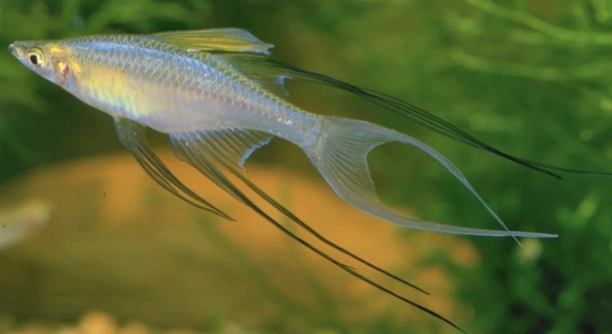
Are your threadfins acting restless or showing unusual behavior in your tank? Many aquarists notice subtle signs that fish experience stress when their environment changes, especially related to temperature shifts that affect their comfort and health.
Threadfins exhibit stress due to improper tank temperatures through observable physical and behavioral indicators. Elevated or lowered water temperatures disrupt metabolism, reduce immune function, and alter feeding patterns, ultimately impacting overall health and increasing susceptibility to disease.
Recognizing these early warning signs will help you maintain a stable environment and support your threadfins’ long-term wellbeing.
Sudden Loss of Appetite
Threadfins often reduce their food intake when tank temperatures fluctuate beyond their comfort zone. A lack of feeding can happen gradually, with fish nibbling less or ignoring meals entirely. This is usually a response to stress, as their metabolism slows when the water is too cold or too warm. Keeping track of how much your fish eat each day can reveal patterns that indicate temperature-related stress. Sudden changes in appetite should not be ignored, as prolonged periods without proper nutrition can weaken your threadfins and make them more vulnerable to illness. Observing the tank environment for temperature inconsistencies is crucial, including checking heaters and thermometers regularly. Small adjustments in water temperature can quickly restore normal feeding behaviors. Additionally, removing leftover food promptly helps maintain water quality, preventing further stress on your fish. Consistent monitoring and timely action are key to supporting your threadfins’ health during periods of temperature fluctuation.
Tracking feeding habits provides a clear early warning sign of stress due to temperature changes.
Monitoring appetite closely allows you to act before your threadfins develop more serious health issues related to prolonged stress or malnutrition. Regular observation ensures a stable environment that promotes their wellbeing.
Erratic Swimming Patterns
Erratic or unusual swimming is a common indicator that tank temperature is affecting your threadfins. Fish may dart around the tank suddenly, hover near the surface, or remain at the bottom for extended periods. These behaviors often occur when water is outside their optimal range. Temperature stress can affect muscle function and energy levels, causing movements to appear irregular. Observing swimming patterns is one of the easiest ways to identify potential problems without invasive measures.
Erratic swimming indicates immediate discomfort in the fish, suggesting a need to check tank conditions.
Prolonged exposure to improper temperatures can result in physical stress, weakened immune response, and increased risk of disease. Threadfins may struggle to maintain buoyancy or coordination, making feeding more difficult and affecting overall growth. Small changes in tank setup, such as adjusting the heater or ensuring adequate water circulation, can alleviate stress. Noticing these patterns early allows for timely intervention, helping maintain a balanced environment and promoting normal behavior. Paying attention to subtle differences in swimming routines can prevent long-term health issues. Adjustments to temperature should be gradual to avoid further stress, and consistent monitoring ensures that threadfins regain comfort. Observing all aspects of tank conditions, including lighting and filtration, also contributes to maintaining a stable habitat for healthy swimming patterns.
Gasping at the Surface
Threadfins gasping at the surface is a clear signal of stress caused by improper tank temperatures. This behavior often occurs when oxygen levels drop or when water is too warm, making it harder for fish to breathe comfortably.
When threadfins spend more time near the surface, it usually indicates that their metabolism is struggling to keep up. Warm water holds less oxygen, forcing the fish to seek higher oxygen concentrations near the surface. Cold water, on the other hand, can slow their metabolism, leading to lethargy and occasional gulping for air. Regularly checking water temperature and ensuring proper aeration helps prevent prolonged periods of stress. Correcting these conditions promptly allows threadfins to resume normal breathing and activity patterns. Monitoring behavior closely helps detect early signs before serious health problems develop.
Surface gasping can also be a response to sudden temperature swings. Rapid changes in the water can shock the fish, making them seek the surface instinctively. Adjusting the heater gradually and maintaining consistent water conditions reduces stress and promotes better oxygen absorption. Pairing these adjustments with routine water quality checks ensures that threadfins remain healthy and active without struggling to breathe.
Clamped Fins
Clamped fins are a common sign that threadfins are uncomfortable with their environment, often due to incorrect tank temperatures. Fins held tightly against the body signal stress and decreased activity levels.
When threadfins clamp their fins, it reduces their surface area and conserves energy, a natural response to stress. Temperature extremes, either too high or too low, interfere with normal physiological processes. Prolonged clamping may indicate that the fish is attempting to cope with suboptimal conditions, and if unaddressed, it can lead to weakened immunity or infections. Regular monitoring of tank temperature and observing fin behavior helps identify issues early. Addressing water inconsistencies promptly is essential to restore comfort and prevent long-term health impacts.
Correcting tank temperature gradually encourages threadfins to relax their fins and return to natural swimming patterns. Sudden shifts can exacerbate stress, making the fish more prone to disease. Using a reliable thermometer, consistent heater adjustments, and observing behavior over several days ensures recovery. Additionally, maintaining proper nutrition and water quality supports overall health, making threadfins more resilient to temperature-related stress. Consistent care helps them regain normal fin posture and active movement, improving their overall wellbeing in the tank environment.
Lethargy and Reduced Movement
Threadfins may appear unusually inactive or spend long periods resting when tank temperatures are not ideal. Lethargy often accompanies other stress indicators and signals that the fish is struggling to maintain normal energy levels.
Reduced movement is a protective response to conserve energy. Cold water slows metabolism, while overly warm water increases stress, making activity more taxing. Regular observation helps detect these subtle changes before they affect health.
Color Fading
Temperature stress can cause threadfins to lose their vibrant colors. Pale or dull coloration is a visible sign that the fish is uncomfortable or unwell. Proper temperature maintenance helps preserve natural hues and overall vitality.
Hiding More Often
Threadfins that retreat frequently to corners, plants, or decorations may be responding to temperature fluctuations. Hiding behavior increases when the environment feels unsafe or uncomfortable, helping them reduce stress and conserve energy.
FAQ
How do I know the tank temperature is stressing my threadfins?
Watch for behavioral changes like reduced appetite, clamped fins, erratic swimming, or gasping at the surface. Physical signs such as faded colors or lethargy are also indicators. Consistently checking water temperature with a reliable thermometer helps confirm whether stress is due to temperature fluctuations.
What is the ideal temperature range for threadfins?
Threadfins thrive in moderately warm, stable water. While the exact range can vary slightly by species, maintaining a consistent temperature around 75–82°F (24–28°C) is generally optimal. Avoid sudden changes, as even small shifts can cause noticeable stress and behavioral changes.
How quickly should I adjust the temperature if it’s off?
Temperature adjustments should be gradual. A sudden increase or decrease can shock the fish, worsening stress. Aim for changes no more than 1–2°F per hour. This slow approach allows threadfins to adapt while minimizing risk to their health and immune system.
Can stress from temperature cause disease?
Yes. Prolonged stress weakens the immune system, making threadfins more susceptible to infections like fin rot or bacterial illnesses. Maintaining stable water temperature, proper filtration, and good nutrition reduces the risk of stress-related disease. Early recognition of stress signs is key to prevention.
Are there signs that temperature stress has passed?
Once water conditions stabilize, threadfins usually resume normal swimming patterns, feeding habits, and vibrant coloration. Clamped fins will relax, hiding behavior decreases, and the fish becomes more active. Monitoring these improvements helps ensure the tank environment is suitable for long-term health.
Can other factors mimic temperature stress?
Yes. Poor water quality, overcrowding, or insufficient oxygen can produce similar signs like gasping, lethargy, and color fading. Regular testing for ammonia, nitrite, nitrate, and oxygen levels is essential. Eliminating other stressors ensures that observed behaviors are actually caused by temperature fluctuations.
How do I prevent future temperature-related stress?
Use a reliable heater with a thermostat and consider a backup thermometer to monitor changes. Keep the tank out of direct sunlight and away from drafts. Routine checks of the heating system and water temperature stability help prevent sudden shifts that stress threadfins.
Is it normal for threadfins to hide occasionally?
Yes, occasional hiding is normal, especially during feeding or when adjusting to a new environment. However, frequent hiding combined with other stress signs often points to temperature issues or environmental discomfort. Observing patterns helps distinguish normal behavior from stress responses.
Should I treat temperature stress with medication?
Medication is rarely needed unless stress leads to secondary infections. The first step is always correcting tank conditions. Support threadfins with stable temperatures, proper diet, and good water quality. Medications should only be used if specific health problems develop and under proper guidance.
Can multiple threadfins in the same tank reduce stress?
Having a compatible group can sometimes provide comfort, but overcrowding increases stress and complicates temperature management. Maintaining appropriate stocking levels ensures each fish has enough space, reducing the likelihood of stress-related behavior or health issues.
How often should I monitor the tank temperature?
Daily checks are ideal, especially if you live in a region with fluctuating room temperatures. Even small, unnoticed changes can affect threadfins over time. Regular observation helps maintain a stable environment, ensuring long-term health and activity.
What equipment helps maintain stable temperature?
A heater with a reliable thermostat is essential. Adding a thermometer at the opposite end of the tank allows for accurate readings. For larger tanks, consider circulation pumps to distribute heat evenly. Backup power sources also prevent sudden drops during outages, protecting the fish.
Can sudden temperature drops be more harmful than gradual increases?
Yes. Rapid decreases can slow metabolism quickly, making threadfins lethargic and vulnerable to disease. Gradual increases are usually easier for the fish to handle, though all sudden changes should be avoided. Consistent monitoring prevents dangerous fluctuations.
How does stress affect feeding behavior?
Stressed threadfins may eat less or stop feeding entirely. Lack of appetite is an early warning sign of temperature problems. Addressing water conditions promptly restores normal feeding and prevents malnutrition-related complications.
Are young threadfins more sensitive to temperature changes?
Juvenile threadfins are generally more vulnerable to fluctuations. Their immune systems are still developing, and they may show stress signs faster than adults. Extra care with heating stability and gradual adjustments is especially important for younger fish.
Can layering plants or decorations help reduce stress?
Yes, providing hiding spots can make threadfins feel secure and reduce visible stress behaviors. However, this does not replace proper temperature control. Hiding places complement a stable environment rather than solving temperature issues directly.
Is it necessary to adjust lighting along with temperature?
Lighting can influence fish activity, but its main effect on stress comes from consistency rather than brightness. Sudden changes in lighting may compound temperature stress, so maintain a predictable day-night cycle to support overall wellbeing.
How quickly can threadfins recover from temperature stress?
Recovery depends on how long they were exposed and the severity of stress. With stable water conditions, proper nutrition, and minimal disturbances, most threadfins show improvement in behavior and color within days to a week. Consistent care ensures full recovery without lingering effects.
Are there signs that threadfins are permanently affected by stress?
Prolonged or repeated stress can result in stunted growth, persistent fin damage, or chronic lethargy. These long-term effects highlight the importance of early detection and consistent environmental management to prevent permanent health problems.
Can I prevent stress while acclimating new threadfins?
Yes. Gradually adjusting new fish to tank temperature reduces shock. Floating the bag in the tank, slowly mixing tank water with the bag water, and avoiding sudden temperature changes ensures a smooth transition and reduces initial stress.
How important is water circulation in stress prevention?
Proper circulation helps maintain even temperature distribution and oxygen levels. Poorly circulated areas can create hot or cold spots, contributing to stress. Ensuring consistent water movement throughout the tank supports both temperature stability and fish health.
What should I do if my threadfins continue showing stress signs?
Double-check temperature, water quality, and tank conditions. Isolate any sick fish if necessary and maintain a calm, stable environment. If stress persists despite stable conditions, consulting an experienced aquarist or veterinarian may help identify underlying issues and protect your threadfins.
How does tank size affect temperature stability?
Larger tanks tend to maintain temperature more consistently than smaller tanks. Small volumes of water are more sensitive to ambient room temperature changes, making them prone to fluctuations. Proper heaters, insulation, and monitoring are critical in smaller setups to prevent stress.
Are some species of threadfins more sensitive than others?
Yes, sensitivity varies by species and age. Some threadfins tolerate minor fluctuations better, while others require very stable conditions. Understanding your specific species’ preferences helps maintain the optimal temperature and reduce stress risks.
Does diet help threadfins cope with stress?
A nutritious diet supports overall health and strengthens resilience to stress. High-quality feed with balanced nutrients ensures threadfins maintain energy and immune function, helping them recover more quickly from temperature-related discomfort.
How can I gradually adjust temperature during seasonal changes?
Incremental adjustments over hours or days prevent shock. For seasonal swings, monitor tank temperature daily and use the heater or cooler to shift conditions slowly. Consistent observation ensures fish adapt without behavioral or health issues.
Is it normal for stress signs to appear even with small temperature differences?
Yes. Threadfins are sensitive to even minor fluctuations. Maintaining consistent conditions and avoiding rapid changes is crucial. Small variations can trigger feeding, swimming, or color changes, signaling the need for careful monitoring.
What combination of factors usually leads to stress?
Stress often results from a mix of temperature fluctuation, poor water quality, overcrowding, and insufficient oxygen. Addressing all environmental variables simultaneously ensures threadfins remain healthy, active, and colorful, minimizing the risk of prolonged stress.
How can I monitor subtle stress signs daily?
Observe swimming behavior, fin posture, hiding frequency, appetite, and color changes each day. Keeping a simple log can reveal patterns and allow early intervention before issues worsen, ensuring your threadfins remain comfortable and healthy.
Can stress be completely prevented?
While it’s difficult to eliminate all stress, maintaining stable temperatures, good water quality, proper feeding, and a well-structured environment significantly reduces its frequency and severity. Consistent care is the most effective way to keep threadfins comfortable and healthy.
Are heaters with built-in thermostats reliable enough?
Most modern heaters are reliable, but it’s wise to double-check with an external thermometer. Malfunctions can occur, and backup monitoring ensures that threadfins aren’t exposed to dangerous fluctuations, protecting their health and wellbeing.
How often should water testing coincide with temperature checks?
Testing weekly is recommended, but if stress signs appear, test immediately. Temperature fluctuations can exacerbate issues with ammonia, nitrite, and nitrate levels. Regular testing allows prompt action to maintain a stable environment.
Do temperature fluctuations affect breeding?
Yes. Unstable temperatures can prevent spawning, reduce egg viability, and stress adults. Maintaining optimal, consistent temperatures is essential for healthy reproduction and the long-term survival of offspring.
Can multiple stress signs occur at the same time?
Absolutely. Reduced appetite, hiding, clamped fins, and erratic swimming often appear together, especially during prolonged temperature stress. Recognizing clusters of behaviors helps identify the root cause and prioritize corrective action.
Are air pumps helpful for stressed threadfins?
Air pumps improve oxygen levels and circulation, helping fish cope with warmer water that holds less oxygen. While not a replacement for proper temperature management, they support overall stress reduction and health maintenance.
What should I do during power outages?
Power outages can quickly alter tank temperature. Using insulated covers or backup heaters helps maintain stable conditions. Minimizing disturbances during this time reduces stress until electricity returns.
Can I use fans or coolers to reduce water temperature?
Yes, but changes should be gradual. Rapid cooling can shock fish, while slow adjustments help maintain comfort. Fans or chillers must be monitored closely to avoid creating hot or cold spots within the tank.
How long does it take for stress signs to appear after a temperature change?
Some behaviors, like erratic swimming or hiding, can appear within minutes to hours. Other effects, such as color fading or appetite loss, may take longer. Observing your threadfins closely after any adjustment helps catch issues early.
Are there natural ways to reduce stress without equipment?
Providing plants, hiding spots, and gentle water flow can help threadfins feel secure. While these measures support wellbeing, they cannot replace consistent temperature control, which remains the most important factor for reducing stress.
How can I differentiate between stress and illness?
Stress primarily affects behavior and fin posture, while illness often shows additional symptoms like lesions, swelling, or abnormal growths. Correcting environmental factors usually alleviates stress, but persistent symptoms may require veterinary attention.
Is it safe to mix species with different temperature needs?
Mixing species with different optimal ranges can increase stress. Choosing fish with similar temperature preferences ensures a stable environment and reduces conflicts or health issues caused by incompatible conditions.
Can temperature stress cause aggressive behavior?
Yes. Stress can make threadfins irritable or defensive. They may chase tankmates or compete more aggressively for food. Stabilizing temperature and providing sufficient space and hiding spots helps reduce tension in the tank.
Does water pH influence temperature-related stress?
Yes, pH swings combined with temperature fluctuations can amplify stress. Maintaining consistent water chemistry alongside stable temperature supports overall fish health and reduces behavioral issues.
Should I isolate stressed threadfins?
Isolation is not always necessary unless aggression or severe illness occurs. Focus on stabilizing the environment first. Removing a stressed fish temporarily can help recovery if tankmates are causing additional pressure.
Can temperature stress affect long-term growth?
Yes. Prolonged stress can stunt growth, delay development, and reduce vitality. Maintaining optimal temperature and reducing environmental stressors ensures threadfins reach their full size and potential.
Is there a difference in response between adult and juvenile threadfins?
Juveniles are generally more sensitive. They may show appetite loss, hiding, and color changes faster than adults. Careful temperature management is especially important for young fish to prevent long-term health issues.
Can stress be cumulative?
Yes. Repeated exposure to suboptimal temperatures adds up, weakening immunity and making fish more vulnerable to disease. Consistent monitoring and gradual adjustments reduce cumulative effects.
How do I know if my corrective measures are working?
Look for improvements in appetite, swimming, color, and fin posture. Gradual positive changes indicate that temperature stabilization and environmental adjustments are effective. Maintaining consistent care ensures long-term recovery.
Are stress signs reversible?
Most stress signs are reversible if the underlying cause, such as temperature fluctuations, is addressed promptly. Early intervention ensures threadfins regain normal behavior, color, and activity levels without lasting damage.
Does stress affect reproductive behavior?
Yes, stressed threadfins may delay or avoid spawning. Stable, optimal temperatures are essential for breeding readiness, ensuring eggs and fry develop normally.
How can I maintain consistency when traveling or away from the tank?
Automatic heaters, battery-powered thermometers, and trusted caretakers help maintain temperature stability. Avoid sudden changes during absences, as threadfins are sensitive to fluctuations and require consistent care.
Can substrate and decorations influence temperature stress?
Yes. Dark substrates can absorb heat, while dense decorations can create cold spots. Monitoring localized temperature differences helps prevent hidden areas of stress. Proper placement ensures even water conditions for all fish.
What is the most important takeaway for preventing temperature stress?
Consistency is key. Stable water temperature, proper equipment, routine monitoring, and attentive care prevent stress, support health, and promote normal behavior in threadfins. Early detection and gradual adjustments are the most effective strategies.
How do I recover threadfins after severe stress?
Provide stable water, high-quality food, minimal disturbances, and adequate hiding spots. Monitor daily for improvements in behavior, color, and activity. Gradual recovery ensures long-term health and reduces the risk of secondary complications.
Can multiple small tanks increase stress risk?
Yes. Smaller tanks are more prone to rapid temperature changes. Extra care with heaters, insulation, and frequent monitoring is essential to prevent stress in compact setups.
Are there signs that stress is minimal and manageable?
Minor hiding, brief clamped fins, or occasional slowed swimming may occur but resolve quickly. Regular observation helps distinguish manageable stress from more serious temperature-related problems.
Should I combine temperature checks with other maintenance routines?
Yes. Pairing daily temperature monitoring with water testing, cleaning, and feeding routines ensures a stable and healthy environment. Consistent care prevents multiple stress factors from affecting threadfins simultaneously.
Can stress affect social behavior among threadfins?
Yes. Stressed fish may become more withdrawn or aggressive. Maintaining stable temperatures and providing adequate space helps preserve normal social interactions and reduces conflicts.
How often should I review my tank setup for stress prevention?
Regularly, at least once a month. Checking heaters, thermometers, water flow, and decorations ensures a consistent environment. Early adjustments prevent temperature-related stress before behavioral or health issues arise.
Are commercial stress-reducing products effective?
Some products may help with minor stress relief, but they cannot replace stable water temperature and proper care. Focus on environmental management first, using additives only as a supplementary measure.
Does temperature stress affect all threadfins equally?
No. Individual tolerance varies. Some fish show subtle signs, while others react quickly. Observing each fish closely helps identify sensitive individuals and ensures timely intervention.
Can temperature swings overnight be harmful?
Yes. Nighttime drops or spikes can be stressful. Using insulated tanks, reliable heaters, and monitoring overnight temperatures helps maintain consistency and reduces overnight stress risks.
How do I combine multiple strategies for stress prevention?
Maintain stable temperature, monitor water quality, provide hiding spots, ensure proper diet, and observe behavior daily. Combining these measures addresses multiple stress factors simultaneously, promoting threadfin health and comfort.
What is the role of aeration in stress management?
Aeration improves oxygen distribution and helps offset minor temperature-related oxygen reductions. Consistent circulation and dissolved oxygen support normal activity and reduce the impact of temperature fluctuations.
Can I rely solely on behavior observation to detect stress?
Behavior observation is important but should be paired with temperature checks and water quality monitoring. Combining methods ensures accurate identification of stress causes and effective interventions.
Are there long-term signs I might have missed?
Yes. Stunted growth, persistent lethargy, chronic hiding, or faded coloration may indicate past or ongoing stress. Monitoring history and patterns helps identify long-term effects and adjust care accordingly.
Can stress affect appetite permanently?
If addressed quickly, appetite usually returns to normal. Chronic stress or repeated episodes may lead to temporary feeding difficulties, emphasizing the importance of early detection and consistent care.
How do I balance temperature stability with other environmental needs?
Ensure proper filtration, circulation, oxygenation, and hiding spaces while maintaining consistent temperature. Balancing all aspects creates a supportive environment that reduces overall stress.
What is the easiest sign to spot daily?
Reduced appetite and erratic swimming are often the first noticeable signs. Daily observation helps catch stress early, allowing for timely corrective measures and minimizing long-term effects.
How much variance in temperature is safe?
Small fluctuations of 1–2°F may be tolerated temporarily, but consistency is crucial. Frequent or larger swings increase stress risk, making strict monitoring essential.
Can I recover fish that have stopped eating entirely?
Yes, with stable temperatures, proper feeding techniques, and minimal disturbances. Gradual recovery is possible, though prolonged fasting increases vulnerability to illness, emphasizing the need for early action.
Is quarantine useful for stressed threadfins?
Quarantine helps if a stressed fish shows signs of disease or aggression. It allows monitoring and treatment without affecting the main tank, aiding recovery.
How does stress affect reproduction long-term?
Chronic stress can delay sexual maturity, reduce spawning success, and affect fry survival. Maintaining consistent environmental conditions supports healthy reproductive behavior.
Are certain tank locations better for temperature stability?
Yes. Avoid direct sunlight, drafts, or near vents. Placing tanks in stable areas minimizes fluctuations and reduces stress on threadfins.
How do I balance multiple stress prevention strategies at once?
Combine temperature control, water quality maintenance, aeration, hiding spots, and observation. Addressing multiple factors together ensures threadfins remain healthy, active, and comfortable.
What is the single most effective daily habit?
Consistent temperature monitoring paired with daily observation of behavior and appetite provides the most reliable early detection of stress, allowing timely interventions that prevent long-term health issues.
How do I know when threadfins are fully recovered?
Normal swimming, feeding, vibrant coloration, relaxed
Maintaining a stable tank temperature is essential for the wellbeing of threadfins. Sudden fluctuations or prolonged periods outside their comfort range can lead to stress, affecting both behavior and overall health. Observing your fish daily and keeping track of their activity, appetite, and physical condition is the first step toward preventing temperature-related problems. Even small changes in water temperature can trigger noticeable stress signs, such as clamped fins, hiding, or erratic swimming. By paying close attention to these behaviors, you can detect issues early and make timely adjustments to the tank environment. Consistency in temperature and water quality is far more effective than occasional interventions. Threadfins respond better to gradual changes and a predictable environment, which supports their metabolism, immunity, and natural behaviors.
Proper equipment and routine monitoring play a key role in reducing stress. Using a reliable heater with a thermostat, along with a backup thermometer, helps ensure water temperature stays within a safe range. For larger tanks, circulation pumps or air stones can maintain even temperature distribution and adequate oxygenation, reducing the risk of localized stress zones. Regular testing of water parameters such as ammonia, nitrite, nitrate, and pH also supports a healthy environment, as these factors interact with temperature to influence fish wellbeing. Additionally, gradual acclimation is important when introducing new threadfins or adjusting tank conditions. Sudden changes can be more harmful than minor, consistent adjustments. By combining proper equipment, monitoring, and careful acclimation, you create a supportive habitat where threadfins can thrive without unnecessary stress.
Supporting your threadfins goes beyond temperature management. Providing hiding spots, maintaining proper nutrition, and ensuring sufficient space all contribute to reducing stress. Observing your fish consistently allows you to notice subtle changes before they develop into more serious issues. Stress is cumulative, and repeated exposure to poor conditions can lead to long-term health problems such as stunted growth or chronic lethargy. By prioritizing a stable environment, you not only prevent stress but also promote normal behavior, vibrant coloration, and healthy development. Consistent care, attention to tank conditions, and proactive adjustments are the best ways to ensure your threadfins remain active, comfortable, and healthy. Creating a balanced and predictable habitat benefits not only the fish but also enhances the overall enjoyment and success of maintaining a thriving aquarium.

Hello,
If you enjoy the content that we create, please consider saying a "Thank You!" by leaving a tip.
Every little bit helps us continue crafting quality advice that supports the health, happiness, and well-being of pets around the world, for pets of all shapes, sizes, and species.
We really appreciate the kindness and support that you show us!