
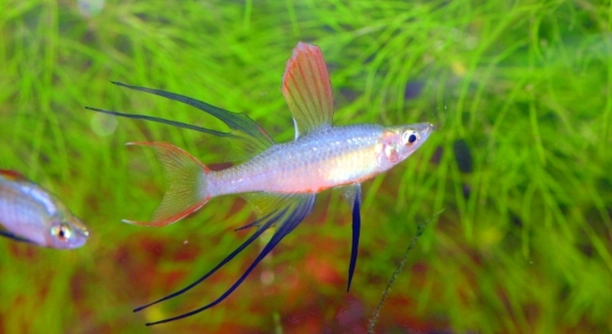
Have you ever decorated your aquarium with care, only to notice your Threadfin Rainbowfish avoiding certain spots? These delicate fish have unique preferences, and understanding them can make their environment more comfortable and stress-free.
Threadfin Rainbowfish avoid specific types of decorations that disrupt their natural swimming patterns, block open spaces, or create unnecessary stress. Large, bulky ornaments, sharp-edged objects, and overly bright elements often make them uncomfortable, reducing their activity and overall well-being.
Creating a habitat that supports their graceful swimming style requires thoughtful choices, and knowing which decorations to avoid is just as important as selecting the right ones.
Large Ornaments and Heavy Structures
Threadfin Rainbowfish are small, graceful swimmers that thrive in open, spacious aquariums. Large decorations, such as oversized castles, logs, or rock structures, can overwhelm their space and restrict natural swimming patterns. These fish prefer environments where they can move freely without bumping into obstacles. Heavy decorations also limit the areas where water can flow smoothly, potentially creating dead zones that lower water quality. This can cause stress and reduce the vibrant behaviors that make Threadfin Rainbowfish so enjoyable to watch. By keeping the tank uncluttered and avoiding bulky items, you provide them with the room they need to thrive.
Smaller, lighter decorations not only keep the aquarium looking balanced but also give your fish safe places to explore without restricting movement. Choosing minimal, strategically placed ornaments supports healthier swimming habits and reduces stress in these delicate fish.
Instead of filling the tank with large pieces, focus on balance and proportion. Select smaller driftwood, slim stones, or gently curved structures that complement the natural beauty of your Rainbowfish without overwhelming their space. Threadfin Rainbowfish display their best colors and activity in open areas where they feel secure and free. An uncluttered setup allows their graceful movements to shine, ensuring both beauty and comfort in their environment.
Sharp-Edged Decorations
Threadfin Rainbowfish have delicate fins that can easily tear when brushed against sharp or rough surfaces. Decorations with jagged edges, poorly finished ceramics, or certain artificial rocks pose risks that make these fish hesitant to explore their tank.
A safer approach is to choose smooth, polished decorations that will not cause harm during swimming. Rounded driftwood, natural stones without jagged points, and high-quality artificial ornaments are better suited for their sensitive fins. If you enjoy using decorative caves or structures, inspect them carefully and sand down any rough areas before placing them in the aquarium. A single rough surface can lead to fin damage, infection, or reduced activity. By avoiding sharp decorations, you ensure your Threadfin Rainbowfish remain confident and active, gliding gracefully through the water. A safe environment not only prevents injury but also highlights their natural beauty, keeping them healthy and stress-free.
Overly Bright Decorations
Bright decorations can create an environment that feels unnatural and stressful for Threadfin Rainbowfish. Neon-colored gravel, fluorescent ornaments, or reflective surfaces often distract them, making them uneasy and less willing to swim in open areas.
These fish thrive in calmer settings that mimic natural habitats. Subdued tones like browns, greens, and soft grays blend seamlessly into the aquarium, helping your fish feel secure. Bright colors may seem attractive to people, but they can overwhelm sensitive species like Threadfins. Opting for natural decorations not only reduces stress but also highlights their delicate fins and vibrant hues.
When the environment feels overly artificial, Threadfin Rainbowfish tend to avoid those areas entirely. This can lead to wasted space within your aquarium and less overall activity from your fish. By creating a more natural balance in color and design, you provide comfort while allowing their beauty to stand out effortlessly.
Cluttered Tank Layouts
Cluttered tank layouts make Threadfin Rainbowfish uneasy because they reduce swimming space and block natural flow. When decorations are crammed together, these fish lose the open areas they need to display their graceful swimming patterns with confidence.
A balanced layout provides both security and freedom, helping Threadfin Rainbowfish thrive. Too many objects can create stress by leaving little room for movement and hiding spots that feel cramped instead of safe. Designing a tank with open middle sections and carefully placed decorations around the edges gives them space to explore naturally. This simple adjustment makes their environment both attractive and functional.
Artificial Plants with Hard Plastic
Artificial plants made from hard plastic can damage the delicate fins of Threadfin Rainbowfish. Their thin edges or rigid stems often cause small tears, leading to stress and possible infections that reduce overall health and activity in the tank.
Soft silk plants or carefully chosen live plants are a safer option. These create a natural look while giving fish shelter without risk of injury. By avoiding stiff, plastic varieties, you keep the tank both safe and visually appealing, encouraging your Rainbowfish to explore comfortably and remain active.
Strong Bubblers and Fast-Moving Decorations
Strong bubblers and decorations that create powerful currents can overwhelm Threadfin Rainbowfish. Their slender bodies are not built for constant battling against strong flows. Decorations such as spinning wheels or bubbling ornaments may look lively, but they often disrupt the calm swimming style these fish prefer. Gentle water movement is far more suitable.
Overcrowded Caves
Overcrowded caves often leave little open space for Threadfin Rainbowfish to swim freely. Too many structures close together restrict movement, making the fish hesitant to explore or settle comfortably. A few well-spaced caves are far more beneficial than many crammed in one tank.
FAQ
What decorations are safest for Threadfin Rainbowfish?
Smooth, rounded decorations such as polished driftwood, natural stones without sharp edges, and silk or live plants are safest. These provide hiding spots and visual interest without risking fin damage. Open areas between decorations allow free swimming and maintain their natural, graceful movements. Choosing natural colors like greens, browns, and soft grays also helps them feel secure.
Can Threadfin Rainbowfish live with bright or neon decorations?
Bright or neon-colored decorations are generally avoided by these fish. Overly vivid colors can create stress and make them hesitant to explore. Using subdued, natural tones promotes a calm environment and highlights their delicate fins and shimmering scales. Fish tend to prefer areas that mimic natural habitats.
How much swimming space do they need?
Threadfin Rainbowfish require open spaces in their tank for unrestricted swimming. Crowding the tank with heavy ornaments, cluttered caves, or dense decorations can cause stress. Leaving open mid-sections and placing decorations along the tank edges allows them to glide freely, reducing anxiety and promoting natural behaviors.
Are sharp-edged rocks or ornaments dangerous?
Yes. Sharp-edged rocks, poorly finished ceramics, or jagged artificial items can tear fins easily. Even minor injuries can lead to infections or reduce activity. Always inspect decorations before adding them and sand down rough areas. Smooth surfaces are safer for maintaining their health and well-being.
Do they prefer live or artificial plants?
Both live and silk plants are suitable if chosen carefully. Avoid hard, stiff plastic plants that can damage fins. Live plants also provide natural hiding spots, improve water quality, and create a visually calming environment. Silk plants mimic natural movement without the risk of fin injury.
What about strong currents or bubblers?
Threadfin Rainbowfish are not strong swimmers compared to other species. Decorations or equipment creating strong currents can overwhelm them. Gentle flow is ideal, keeping the tank oxygenated without causing stress. Positioning bubblers or filters away from open swimming areas ensures the fish can move comfortably.
How many caves or hiding spots are recommended?
A few well-spaced caves or shelters are sufficient. Overcrowding with too many hiding spots reduces open swimming space and can make the fish hesitant to explore. Properly spaced structures allow natural swimming patterns while providing security, keeping activity levels consistent.
Do they avoid decorations with reflective surfaces?
Yes, mirrors or highly reflective ornaments can confuse and stress Threadfin Rainbowfish. They may perceive reflections as rivals or threats, which increases anxiety. Choosing matte or natural-finished decorations avoids unnecessary stress and encourages calm, natural behaviors.
Is gravel color important?
Subdued gravel tones are better than neon or highly contrasting colors. Neutral shades like sand, beige, or soft gray resemble natural riverbeds and help Threadfin Rainbowfish feel safe. Brightly colored gravel can distract or stress them, reducing swimming activity and hiding their subtle color patterns.
Can I mix large and small decorations?
Yes, but placement matters. Large decorations should not block open swimming areas, and small decorations should fill empty corners without creating clutter. A balanced layout gives both visual interest and functional space for the fish to swim, explore, and remain stress-free.
Do Threadfin Rainbowfish avoid areas near equipment?
They may avoid spaces with strong water flow, noisy filters, or rough decorations near pumps. Positioning equipment along tank edges and leaving open swimming areas ensures they remain comfortable and active. Proper tank design supports both aesthetic appeal and the fish’s natural behaviors.
How often should I check decorations for safety?
Regular inspection is important. Sharp edges can develop over time, and artificial plants may break. Checking decorations every few weeks ensures no hazards exist, keeping the environment safe and maintaining consistent activity and health.
Do decorations affect their coloration?
Yes. Stressful or overly bright environments can dull their colors. Calm, natural surroundings help Threadfin Rainbowfish display their vibrant, shimmering hues. Choosing safe, subdued decorations enhances both comfort and visual appeal, allowing their natural beauty to stand out.
Can I use synthetic caves or tunnels?
Synthetic caves are fine if smooth, free of sharp edges, and appropriately sized. Overcrowding should be avoided. They provide shelter and security, but spacing and material quality are crucial to avoid stress and injury. Natural-looking synthetic options often work best.
Are floating decorations a problem?
Floating items that obstruct surface swimming can make Threadfin Rainbowfish uncomfortable. They prefer open water above and around them. Minimal surface clutter ensures unrestricted movement, improves light penetration, and keeps the environment aligned with their natural behavior.
How do decorations impact social behavior?
Threadfin Rainbowfish are social and schooling fish. Overcrowded or stressful decorations can separate individuals and reduce interaction. Well-planned, open layouts encourage schooling, coordinated swimming, and active exploration, supporting both mental stimulation and overall health.
Can I change decorations frequently?
Frequent rearrangements can stress them, especially if hiding spots are removed. Gradual adjustments are preferable. Consistency in layout combined with occasional updates keeps the environment interesting without causing unnecessary anxiety or reduced activity.
Are natural river rocks better than artificial ones?
Natural river rocks are generally safer and more visually calming. They have smooth surfaces, minimal sharp edges, and mimic the natural habitats of Threadfin Rainbowfish. Artificial rocks must be carefully selected to match these qualities to avoid injury or stress.
Do decorations affect breeding behavior?
Yes. Stressful or unsafe decorations can discourage spawning. Calm, spacious environments with smooth hiding spots and natural-looking plants create conditions more conducive to mating. Overly bright or cluttered setups can reduce interest in breeding and impact egg survival.
Can lighting interact with decorations to affect comfort?
Strong, direct lighting on reflective or bright decorations can stress Threadfin Rainbowfish. Soft, diffused lighting combined with natural-colored ornaments helps create a comfortable environment that encourages normal swimming and feeding patterns.
Are DIY decorations safe?
DIY items must be smooth, non-toxic, and free of small pieces that could break off. Unfinished wood, metal, or painted surfaces may leach chemicals or injure fins. Careful material selection and sanding are crucial to ensure safety and long-term tank health.
Do decorations impact feeding areas?
Yes. Overly cluttered tanks may make some areas difficult to access, causing competition or stress during feeding. Keeping feeding zones clear and minimally obstructed encourages even distribution and reduces aggression among fish.
How often should I rearrange decorations for best results?
Occasional adjustments are fine but should be gradual. Sudden, frequent changes can increase stress and make Threadfin Rainbowfish avoid certain areas. Consistency with minor updates keeps them comfortable and active while refreshing the tank’s appearance.
Can Threadfin Rainbowfish tolerate mixed-material decorations?
Yes, if each material is safe and smooth. Combinations of natural wood, soft plants, and polished stones work well. Avoid rough, sharp, or chemically treated items that could harm fins or affect water quality, ensuring a secure, visually pleasing environment.
Are caves or tunnels essential?
They are helpful but should not dominate the tank. A few well-placed shelters provide security, reduce stress, and encourage natural behavior. Overcrowding caves can restrict swimming space and reduce overall activity, so moderation is key.
How do decorations influence overall tank harmony?
Properly selected decorations support both aesthetic appeal and fish well-being. Safe, open, and natural-looking layouts reduce stress, promote activity, and allow Threadfin Rainbowfish to display vibrant colors and normal behaviors consistently.
What is the main takeaway for choosing decorations?
Safety, space, and natural appearance are the priorities. Avoid sharp, bright, or overcrowded items, and provide smooth, well-spaced decorations that support movement, exploration, and comfort. Thoughtful choices enhance both the beauty and health of Threadfin Rainbowfish.
Threadfin Rainbowfish are delicate and graceful swimmers that respond strongly to their surroundings. Creating an environment that meets their needs requires careful consideration of decorations, tank layout, and water flow. Large, bulky ornaments, sharp-edged objects, and bright or reflective items can make them uncomfortable, restricting movement and increasing stress. By avoiding these elements, you give your fish the space to swim freely and display their natural behaviors. Open areas are just as important as hiding spots, providing a balance that supports both security and activity. Small, smooth decorations and natural-colored ornaments allow them to explore comfortably without the risk of injury or anxiety.
Soft plants, either live or silk, are ideal because they add shelter and visual interest without harming delicate fins. Threadfin Rainbowfish also prefer subtle colors and natural textures, which mimic their natural habitat. Heavy use of neon or artificial decorations may look attractive to the human eye but can create an environment that feels overwhelming to the fish. Proper spacing of caves and shelters ensures they can rest and feel secure while still having room to swim. Gentle water currents, as opposed to strong flows created by bubblers or rapid filters, are better suited to their slender, fragile bodies. Maintaining these conditions helps keep the fish active, healthy, and stress-free, allowing their colors and graceful movements to stand out.
Consistency in tank layout is equally important. Frequent rearrangement of decorations can stress the fish, making them hesitant to explore new areas or use hiding spots effectively. Gradual updates or occasional adjustments are preferable to maintain comfort while refreshing the environment. Regularly inspecting decorations for rough edges or broken pieces also ensures safety and prevents injuries. By keeping decorations simple, smooth, and well-placed, Threadfin Rainbowfish can thrive and interact naturally within their habitat. Thoughtful choices in decoration, placement, and water flow create a balanced and comfortable environment that supports both their physical health and natural behavior. These small but deliberate adjustments make a significant difference in their well-being and overall enjoyment of the tank.

Hello,
If you enjoy the content that we create, please consider saying a "Thank You!" by leaving a tip.
Every little bit helps us continue crafting quality advice that supports the health, happiness, and well-being of pets around the world, for pets of all shapes, sizes, and species.
We really appreciate the kindness and support that you show us!