
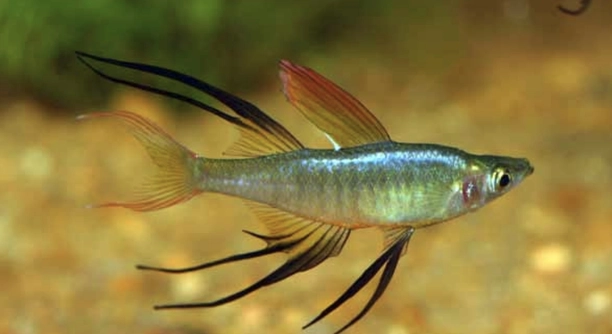
Threadfins are small, sleek fish often seen near coral reefs or rocky areas in the ocean. They glide through the water with gentle movements, sometimes circling around stones or structures. Observing them can be surprisingly calming and intriguing.
Threadfins may swim in circles around rocks to forage for food, establish territory, and maintain social interactions. Circling behavior can also aid in detecting predators, improving navigation, and reinforcing spatial memory within their familiar environment.
This behavior is more than just playful swimming. Understanding it helps explain how threadfins interact with their habitat and each other.
Why Threadfins Favor Rocks
Threadfins often choose areas with rocks because these structures provide safety and resources. Rocks create small crevices and hiding spots that protect them from predators. While swimming around these formations, threadfins can search for tiny invertebrates and algae that cling to the surfaces. This behavior also allows them to remain close to food sources while staying alert. Observing threadfins circling rocks reveals how they use the environment efficiently. Their movements are not random; they are deliberate and help maintain balance within their small groups. Rocks also act as reference points for navigation. Fish use these landmarks to remember safe paths and feeding zones. Circling gives them a chance to check their surroundings multiple times, increasing their chances of spotting danger early. This repeated motion is both a survival tactic and a way to optimize feeding habits. Threadfins are small yet strategic in their behavior, relying on rocks more than open water.
Threadfins prefer rocky areas for protection and feeding, staying close to safety while exploring for small food sources.
Rocks offer threadfins more than just food. They create boundaries within which the fish can interact socially. Small groups often form around specific rock formations, circling together in coordinated patterns. These movements strengthen group cohesion and help younger fish learn routes and safe zones. Rocks also slow down currents, creating calmer water where threadfins can conserve energy. Circling near rocks allows them to constantly check for threats while still feeding, a behavior that blends caution with efficiency. Over time, certain rocks become preferred gathering spots, almost like small community hubs. The patterns of swimming are consistent, suggesting memory and routine. These routines reduce stress and provide predictability in daily life, which is important for survival in the wild. By understanding these behaviors, it’s clear that rocks are essential for threadfins, not just as obstacles, but as critical parts of their habitat.
How Circling Helps Threadfins
Circling helps threadfins detect predators early and maintain social bonds within groups. It is both protective and practical.
Swimming in circles gives threadfins constant awareness of their surroundings, allowing them to spot threats before they become dangerous. The behavior reinforces social hierarchy, as dominant individuals often lead or control the pattern. Young fish imitate older ones, learning feeding areas and safe spots along the rocks. Circling also improves coordination among group members, making it easier to escape together if danger arises. The repetitive movement may even help with energy efficiency, as swimming in curved paths near rocks uses less effort than darting randomly through open water. Over time, these patterns become part of daily routines. Fish return to familiar rocks, maintaining connections and benefiting from shared knowledge of the environment. This combination of survival, learning, and social interaction shows that circling is more than instinct—it is an adaptive strategy for living safely and effectively in a rocky habitat.
Feeding Strategies Around Rocks
Threadfins often circle rocks to find small crustaceans, worms, and algae clinging to surfaces. This behavior lets them feed efficiently while keeping an eye out for predators. Circling also helps dislodge hidden prey from crevices.
Threadfins’ feeding behavior near rocks is highly methodical. They swim slowly around surfaces, inspecting every nook and cranny. By moving in tight circles, they disturb sediment, revealing tiny organisms hiding in cracks. This allows the fish to consume food that might otherwise go unnoticed. Group feeding also encourages competition, which keeps the fish active and alert. Rocks act as natural feeding stations, concentrating small prey in limited areas. Their repeated circling ensures they maximize intake while minimizing energy spent swimming in open water. These strategies highlight how closely threadfins rely on their environment to survive.
Circling also serves as a way to maintain balance while feeding. Rocks break up strong currents, giving threadfins stable zones to hover. They can adjust speed and direction without getting swept away, making feeding more efficient. Over time, fish learn which rocks yield the best rewards. This behavior is a mix of instinct and learned patterns. Individual fish remember productive areas, returning consistently to maximize food intake. The combination of circling, observation, and memory ensures threadfins thrive even in busy or competitive habitats.
Social Interactions During Circling
Circling near rocks strengthens bonds between threadfins, allowing them to communicate and coordinate movements within the group. Dominant fish often lead these patterns.
Social behavior is a key reason threadfins circle rocks. By swimming in groups, fish can observe each other’s positions and respond quickly to changes. This collective movement helps establish hierarchy, with leaders guiding the direction and pace of the circle. Juvenile fish follow experienced adults, learning safe routes and feeding spots. Circling also reduces conflict by spacing individuals evenly, preventing overcrowding around prime areas. These patterns are consistent daily, indicating memory and social awareness. Fish returning to the same rocks interact predictably, strengthening group cohesion. The behavior combines survival, feeding, and communication in a single, efficient routine.
In addition to hierarchy, circling allows threadfins to signal readiness or alert others to danger. Subtle movements and changes in speed convey information about threats or food availability. Fish also use these patterns to synchronize swimming during escapes, minimizing the risk of predation. By maintaining visibility of one another, group members build trust and coordination. Rocks serve as anchor points, making it easier to maintain formation. Over time, consistent circling shapes the social structure within the group, helping individuals navigate both feeding and safety challenges. This balance of social interaction and environmental use highlights the complexity behind seemingly simple circling behavior.
Navigation and Memory
Threadfins use rocks as reference points, circling to remember safe zones and feeding areas. This repetition strengthens spatial memory, helping them return to familiar spots with ease.
Circling reinforces their understanding of the environment. Fish learn distances between rocks and nearby currents, adjusting swimming patterns accordingly. These memory skills reduce energy use and enhance survival, making rocks more than just shelters—they become navigational tools.
Predator Awareness
Circling near rocks allows threadfins to spot predators quickly. Constant movement ensures no area goes unchecked, improving safety while feeding or resting.
Energy Efficiency
Swimming in controlled circles around rocks helps threadfins conserve energy. Currents are weaker near rocks, allowing steady movement without excessive effort. Efficient energy use is crucial for small fish, balancing feeding, escaping predators, and social interactions in one routine.
Environmental Benefits
Rocks provide shelter and create calm spaces. Circling helps threadfins avoid strong currents and maintain position. This interaction supports both feeding efficiency and safety, showing how closely their behavior ties to the environment.
FAQ
Why do threadfins circle the same rocks repeatedly?
Threadfins return to familiar rocks because they provide food, safety, and reference points for navigation. By repeatedly circling the same spots, they remember where prey hides, detect predators early, and maintain social order within their group. Rocks become landmarks that reduce stress and make daily routines predictable.
Do all threadfins exhibit circling behavior?
Most threadfins show this behavior, though the frequency can vary depending on age, group size, and environment. Juvenile fish may circle more often to learn safe routes and feeding areas from adults, while older fish rely on established routines.
Is circling related to mating or reproduction?
Circling is mostly connected to feeding and social interaction, but it can indirectly influence mating. Fish that are familiar with safe rocks and have established group hierarchies are more likely to encounter mates in secure areas. Consistent movement also signals fitness to others.
Can circling help avoid predators?
Yes, circling allows threadfins to monitor surroundings from multiple angles. By moving steadily around rocks, they spot predators early, giving them time to escape or hide. Rocks also provide immediate shelter when danger appears, making circling both defensive and practical.
Do threadfins communicate while circling?
Circling enhances social communication. Subtle changes in speed, direction, or spacing can signal warnings, feeding opportunities, or dominance. Younger fish learn by observing leaders, which reinforces social hierarchy. Circling ensures the group stays coordinated and reacts together if threats arise.
Does circling improve feeding efficiency?
Absolutely. Rocks often hide small crustaceans, worms, and algae. Circling disturbs sediment, exposing hidden prey. Fish can access more food without leaving safe zones. Over time, repeated patterns maximize intake while conserving energy.
Are certain rocks preferred for circling?
Threadfins tend to favor rocks with more crevices, calmer water, and abundant food. Rocks that break currents create energy-efficient zones, making movement easier. Fish often return to the same formations, which act as both feeding stations and social hubs.
How does circling affect young threadfins?
Young threadfins learn critical survival skills by circling with older fish. They memorize safe zones, recognize predators, and practice feeding techniques. Circling also teaches them group coordination and social behavior, which is essential for long-term survival.
Can circling behavior change over time?
Yes, patterns may shift as fish age, groups change, or environmental conditions vary. Currents, food availability, and predation risk influence how often and where threadfins circle. Flexibility in behavior ensures they adapt successfully to changing habitats.
Is circling instinctive or learned?
It is a combination of both. Instinct drives the initial circling behavior for feeding and protection, while repeated practice around rocks strengthens memory, social awareness, and efficiency. Young fish learn from observing older members, blending instinct with experience.
Do threadfins circle in captivity?
They can exhibit circling in aquariums if provided with rocks or structures resembling natural habitats. These behaviors remain similar to the wild, reflecting their need for reference points, social interaction, and feeding opportunities. Rocks help simulate familiar environments, encouraging natural movement.
How long do threadfins typically circle?
Circling duration varies with purpose. For feeding, movements may last a few minutes per rock, repeated throughout the day. Social or defensive circling can continue longer, especially when predators are nearby or when establishing dominance within a group.
Can humans influence circling behavior?
Yes, by altering the environment. Adding or removing rocks, changing water flow, or modifying group size can affect circling patterns. Ensuring safe structures and steady conditions encourages natural behavior, supporting feeding, social interaction, and overall well-being.
Why is circling important for survival?
Circling combines feeding, predator awareness, and social coordination. By maintaining routine patterns around rocks, threadfins conserve energy, stay safe, and strengthen social bonds. It is an adaptive behavior that ensures they thrive in complex aquatic habitats.
Do threadfins ever circle in open water?
Circling mostly occurs near rocks because they provide safety and resources. In open water, the behavior is less common and usually brief, often triggered by temporary food sources or evasion of predators. Rocks remain central to consistent, efficient circling behavior.
How can observing circling benefit researchers?
Watching threadfins circle reveals feeding strategies, social hierarchy, memory use, and predator avoidance techniques. Patterns provide insights into habitat preference, energy conservation, and species interactions. Studying this behavior helps understand ecosystem health and species adaptability in different environments.
Does circling influence growth or health?
Yes. Efficient feeding and reduced energy expenditure help maintain body condition. Social learning during circling teaches survival skills. Consistent behavior around safe rocks decreases stress, contributing to better overall health and improved chances of reaching maturity.
Can threadfins circle rocks at night?
While less active at night, some circling occurs, especially in areas with predators that hunt in the dark. Rocks provide shelter, and circling may help fish monitor surroundings while resting or feeding under low-light conditions.
Is circling seen in other fish species?
Yes, similar behaviors occur in species that rely on landmarks for feeding, safety, and social organization. Threadfins’ circling is distinctive in its combination of feeding efficiency, predator awareness, and social interaction, highlighting their adaptability.
What happens if rocks are removed from their habitat?
Removing rocks disrupts feeding, navigation, and social behaviors. Threadfins may struggle to find food, avoid predators, and maintain group cohesion. Their survival depends heavily on these natural structures, making rock availability critical to sustaining populations in the wild.
Do all rocks serve the same purpose?
Not all rocks are equally useful. Size, shape, and crevices affect how fish interact with them. Rocks with more structure are preferred for shelter, feeding, and circling, while smoother rocks may see less activity. This preference shows how threadfins select habitats carefully.
How long does it take for threadfins to learn circling patterns?
Young fish begin observing adults immediately. Within days, they start mimicking movements. Over weeks, repetition and reinforcement strengthen memory and efficiency. By the time they reach maturity, circling patterns are well-established, supporting survival and social integration.
Does water current affect circling behavior?
Yes, strong currents can alter movement. Threadfins may circle more tightly or shift to calmer zones near rocks to conserve energy. Currents influence feeding efficiency, predator detection, and social interactions, making rocks essential for stable behavior.
Are there signs of stress if circling is disrupted?
Disrupted circling can lead to erratic swimming, decreased feeding, and increased hiding. Stress reduces growth and social interaction, highlighting how essential familiar rock formations are to the health and well-being of threadfins.
How do threadfins maintain consistency in circling?
Repetition, memory, and social cues maintain consistency. Dominant fish lead, younger fish follow, and predictable routines develop over time. Rocks serve as fixed points, anchoring these behaviors, which improves efficiency and safety across daily activities.
Can circling patterns indicate environmental changes?
Yes, changes in frequency, duration, or location can signal shifts in food availability, predator presence, or habitat alteration. Observing circling patterns provides early warnings about environmental stressors affecting threadfins and their ecosystem.
Do threadfins ever circle for play?
While play is difficult to confirm scientifically, circling may have secondary benefits like practicing movement, strengthening coordination, and refining social interaction. Even if instinctual, these repeated actions support survival while offering flexibility in daily activity.
What is the most important reason threadfins circle rocks?
Safety, feeding efficiency, and social coordination all contribute, but survival is central. Circling maximizes energy use, reduces predation risk, and ensures access to food while maintaining social structure. This combination makes circling a critical behavior for threadfins’ overall fitness and longevity.
Can circling be observed in all habitats?
Yes, in habitats with sufficient rocks or structures. The behavior adapts to size, shape, and spacing of available formations. In areas without rocks, circling is minimal or absent, highlighting the importance of habitat structure for natural behaviors.
Do threadfins ever change their favorite rocks?
They may shift preferences if food availability changes, predators invade, or environmental conditions vary. Flexibility ensures survival while maintaining circling benefits. Fish often develop secondary favorites, balancing safety, feeding, and social needs.
How long do groups maintain circling patterns together?
Consistency depends on group stability and environmental factors. Stable groups may follow patterns for months, while changes in members or conditions can shorten or modify routines. Long-term observation shows strong attachment to familiar rocks and group dynamics.
Can circling help threadfins adapt to new environments?
Yes. Using rocks as reference points allows them to explore safely, learn feeding spots, and establish social structure. Circling supports adaptation, memory formation, and efficient navigation, all crucial when moving to unfamiliar areas.
Does circling reduce competition among threadfins?
Yes. Circling creates predictable movement paths and spacing, limiting direct conflicts over food and shelter. This structure supports group cohesion, allowing multiple fish to feed and interact safely without excessive aggression.
Are there differences in circling between males and females?
Differences exist primarily in dominance and territory. Males often lead or patrol preferred rocks, while females follow established routes. Both benefit from feeding and safety, but leadership and social influence vary by sex.
Does circling change with seasons?
Seasonal changes in water temperature, currents, or food availability can affect frequency, duration, and location of circling. Fish adjust patterns to maintain efficiency and safety in response to environmental shifts.
How do threadfins coordinate circling without collisions?
Coordination comes from spacing, observation, and subtle movement cues. Fish adjust speed and direction based on neighbors, maintaining formation and minimizing collisions. Rocks provide boundaries that guide movement and keep groups organized.
Can circling behavior indicate health problems?
Disrupted or erratic circling may signal illness, injury, or stress. Healthy threadfins maintain consistent patterns, demonstrating memory, energy balance, and social interaction. Observing behavior can provide early indications of health concerns.
Do threadfins always circle in the same direction?
Direction can vary based on currents, group dynamics, or obstacles. While some fish show a preference, flexibility ensures feeding and safety remain effective. The pattern is more important than consistent direction.
Does circling improve overall survival rates?
Yes. Circling combines feeding efficiency, predator awareness, social coordination, and energy conservation. These factors increase survival, growth, and reproductive success, making the behavior essential for thriving in complex aquatic environments.
Are there any exceptions to circling behavior?
Exceptions occur in areas without rocks, during extreme environmental changes, or if individuals are isolated. While instinct encourages circling, lack of suitable structures can reduce or prevent this behavior entirely.
Can circling patterns be used in aquaculture?
Yes, understanding circling can improve tank design, feeding schedules, and habitat enrichment. Simulating natural conditions supports fish health, growth, and natural behavior, leading to better management and sustainability.
Do threadfins communicate with other species while circling?
Indirectly. Circling may influence or alert nearby species through movement or disturbance of sediment, but direct interspecies communication is limited. The behavior mainly focuses on intraspecies coordination and safety.
What role does circling play in group cohesion?
Circling keeps groups organized, reinforces social hierarchy, and ensures coordination during feeding and predator avoidance. Rocks act as anchors, supporting predictable movement and long-term group stability.
Are circling patterns inherited or learned?
Both. Instinct provides the initial behavior, while learning from group members strengthens memory, efficiency, and social skills. Young fish combine inherited tendencies with observation, refining behavior over time.
How do environmental changes affect circling efficiency?
Altered currents, food scarcity, or predator presence can force fish to adjust speed, path, or duration. Rocks remain critical, allowing adaptation while maintaining core benefits of feeding, safety, and social coordination.
Do threadfins ever stop circling completely?
Only under extreme conditions such as absence of rocks, severe stress, or illness. Otherwise, circling remains a core behavior that supports survival, feeding, and social structure.
How can researchers measure circling behavior?
Researchers track movement patterns, duration, speed, and group spacing. Observing interactions, feeding efficiency, and predator responses provides insights into social structure, memory, and habitat use. Consistent patterns indicate health and environmental stability.
What long-term benefits come from circling?
Long-term benefits include improved survival, efficient feeding, social learning, memory reinforcement, and reduced stress. Circling strengthens the connection between threadfins and their habitat, ensuring they thrive in complex environments over time.
Does circling influence reproductive success?
Yes. Fish familiar with safe rocks and social hierarchies have better access to mates. Coordinated movement and established territories improve chances for mating and raising offspring in secure areas.
Can circling be disrupted by human activity?
Yes, construction, pollution, or habitat removal can interfere. Disturbances may reduce feeding efficiency, social cohesion, and predator avoidance. Protecting natural rock structures is crucial for preserving threadfin behavior.
How does circling support learning in threadfins?
Young fish learn navigation, feeding techniques, and social cues by observing adults. Repetition reinforces memory and skills, ensuring successful integration into the group and improving survival rates.
Are there any benefits to circling beyond survival?
Circling enhances social learning, coordination, and energy efficiency. It also reduces stress by providing predictability and familiarity, contributing to overall health and well-being in their environment.
Does circling frequency change with age?
Juveniles circle more to learn and explore, while adults maintain established routines. Frequency may decrease slightly with age as patterns become ingrained, but the behavior remains essential throughout life.
Can circling behavior predict ecosystem health?
Yes, consistent and natural circling patterns indicate stable habitats with sufficient resources, proper shelter, and balanced predator-prey relationships. Changes can signal environmental stress or disruption.
Is circling unique to threadfins?
While other fish circle structures, threadfins combine feeding, social, and predator-awareness behaviors in a distinct, efficient pattern. Their reliance on rocks and social coordination sets them apart from similar species.
Do threadfins circle differently in groups versus alone?
Yes, group circling involves coordination, hierarchy, and spacing, while solitary fish focus more on feeding and predator avoidance. Social dynamics significantly influence movement patterns.
Are there any observable signs that circling is improving survival skills?
Yes, fish returning to familiar rocks efficiently, coordinating with group members, and effectively finding food indicate successful learning. Consistency in movement patterns reflects memory, social awareness, and adaptability.
Do environmental enrichments in captivity encourage circling?
Yes, providing rocks, crevices, and stable water flow encourages natural circling. Enrichment supports feeding, social interaction, and memory, making captive habitats more suitable for threadfins.
How long has circling behavior existed in threadfins?
The behavior likely evolved over generations as an adaptive strategy for survival, feeding, and social coordination. It reflects both instinctual and learned traits refined by environmental pressures.
Can circling reduce stress in threadfins?
Yes, predictable movement, familiar rocks, and coordinated social interactions reduce anxiety, improve feeding efficiency, and enhance overall well-being. Circling creates a sense of stability in a complex environment.
Does circling behavior differ in freshwater versus saltwater habitats?
While threadfins primarily inhabit marine environments, behavior adapts to water conditions. Circling remains consistent near structures, emphasizing feeding, safety, and social coordination regardless of salinity.
What is the most common misconception about circling?
Many assume circling is playful or random. In reality, it is a deliberate strategy combining feeding, safety, memory, and social interaction, demonstrating how behavior is shaped by survival needs.
Are there seasonal variations in circling duration?
Yes, during colder or warmer months, fish may adjust duration and frequency to conserve energy, respond to predator activity, or access seasonal food sources.
Do threadfins ever circle vertically as well as horizontally?
Primarily horizontal, but slight vertical adjustments occur when navigating crevices or following prey. Circling focuses on efficient coverage of feeding and safety zones around rocks.
Can circling behavior inform aquarium design?
Yes, understanding patterns guides placement of rocks, feeding strategies, and flow control. Proper design supports natural movement, reduces stress, and encourages social and feeding behaviors.
Does circling contribute to overall ecosystem balance?
Yes, by regulating prey populations, maintaining social structure, and efficiently using habitat resources, threadfins contribute to ecological stability around rocky formations.
Is circling behavior observable at all life stages?
Yes, from juveniles learning from adults to mature fish maintaining established routines. While frequency and purpose may vary, circling remains essential throughout life.
Do threadfins change circling patterns in response to predators?
Yes, they tighten circles, increase speed, or shift location to safer areas. Rocks allow flexible yet consistent defense strategies while maintaining access to food and group cohesion.
How much energy does circling save compared to random swimming?
Controlled circling near rocks reduces effort by taking advantage of calmer currents and familiar routes. Fish avoid unnecessary movement, conserving energy for feeding, escaping predators, and social interaction.
Does circling have long-term impacts on growth?
Yes, efficient feeding, reduced stress, and energy conservation support growth. Regular circling ensures consistent food access and safety, which improves survival and overall development.
Are there any differences in circling between coastal and reef habitats?
Behavior adapts to structure density. Coastal areas with fewer rocks may see shorter or less frequent circling, while reefs with complex formations support longer, more structured patterns.
Can circling influence reproductive timing?
Indirectly. Fish familiar with safe zones and social hierarchies have better access to mates and can time reproduction in secure locations, improving offspring survival.
Do threadfins ever abandon circling entirely?
Only under extreme stress, habitat loss, or severe illness. Otherwise, circling remains a core behavioral strategy essential for survival, feeding, and social stability.
How important is memory in circling behavior?
Memory is crucial. Fish remember rock locations, predator presence, and social patterns. This knowledge ensures efficient feeding, safe movement, and effective coordination with the group, enhancing survival chances.
Does circling improve problem-solving abilities?
Yes, repeated navigation around rocks and adapting to environmental changes strengthens spatial awareness, memory, and decision-making skills necessary for feeding, safety, and social interactions.
Can circling be taught or influenced in captivity?
Observing adults and providing appropriate rock structures encourages natural circling
Final Thoughts
Threadfins circling around rocks is more than just a simple movement in the water. This behavior plays a vital role in their daily life, helping them find food, avoid predators, and maintain social connections. Rocks act as natural guides, providing reference points that allow the fish to navigate their environment with confidence. By circling consistently, threadfins can locate prey hidden in crevices and small spaces that would otherwise go unnoticed. The repetition of these patterns also helps the fish remember safe routes and feeding zones, which reduces stress and improves efficiency. Over time, this behavior becomes part of their routine, ensuring that they can survive and thrive in their habitats. It is clear that the relationship between threadfins and rocks is both practical and adaptive, showing how these small fish rely on the structures around them to stay safe and well-fed.
Circling also has a strong social component. Threadfins often swim together, following older or dominant individuals who guide the movement patterns. Younger fish learn by observing and copying these patterns, which teaches them how to navigate, find food, and avoid danger. The repeated circling reinforces social bonds, ensures spacing between individuals, and helps prevent conflict over resources. At the same time, fish can use subtle signals during circling to communicate about threats, feeding opportunities, or changes in group dynamics. This behavior demonstrates how instinct and learning work together. While circling is driven by survival instincts, the fish also adapt and refine their movements through observation and experience. It shows that even simple movements have multiple layers of purpose, combining feeding, safety, learning, and social interaction into one coordinated routine.
Finally, circling around rocks illustrates the delicate balance between threadfins and their environment. Rocks provide shelter, feeding areas, and calm waters, while the fish benefit from protection, efficient movement, and memory reinforcement. Changes in the environment, such as removal of rocks or disruption of currents, can interfere with this natural behavior, affecting feeding efficiency, social cohesion, and overall well-being. Understanding circling behavior helps us appreciate how small fish interact with their habitats and why these patterns are essential for their survival. Observing threadfins in their natural environment shows that even minor movements carry significant purpose. Their circling behavior highlights the connection between instinct, learning, and environment, reminding us that survival in the wild depends on both adaptation and the careful use of available resources. Recognizing these details can improve our understanding of fish behavior, habitat conservation, and the delicate balance that sustains aquatic life.

Hello,
If you enjoy the content that we create, please consider saying a "Thank You!" by leaving a tip.
Every little bit helps us continue crafting quality advice that supports the health, happiness, and well-being of pets around the world, for pets of all shapes, sizes, and species.
We really appreciate the kindness and support that you show us!