
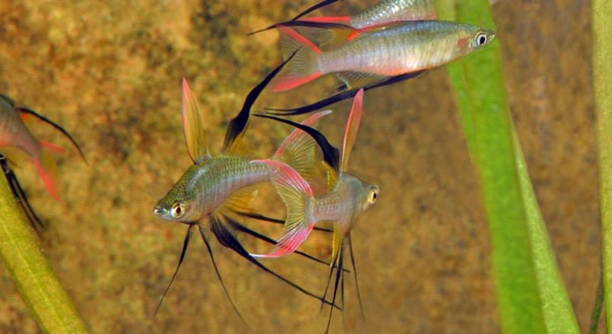
Do you ever find yourself looking for the right foods to keep your threadfin rainbowfish healthy, colorful, and active in their tank?
Soft foods are ideal for threadfin rainbowfish because their small mouths and gentle feeding habits require easily digestible options. Providing the right texture and nutrition ensures their well-being, supports growth, enhances coloration, and reduces stress in a community aquarium.
Your rainbowfish deserve a diet that supports both their health and natural beauty, making the choice of soft foods an important part of their care.
Blanched Vegetables
Blanched vegetables are a simple and healthy choice for threadfin rainbowfish. Softened through gentle boiling, they become easier for small mouths to consume. Zucchini, spinach, and peas are excellent options that provide vitamins and fiber. These nutrients help support digestion, boost energy, and improve coloration, which makes the fish look brighter in the tank. To prepare, lightly boil or steam the vegetables, then cool them before adding to the aquarium. Cutting them into small, manageable pieces ensures the fish can nibble safely without difficulty. Offering vegetables two to three times a week keeps their diet balanced and supports long-term health.
Blanched vegetables are best offered in moderation. Too much can cloud the water and reduce its quality, leading to stress for your fish. Keeping the tank clean while feeding these vegetables ensures your rainbowfish enjoy them without any negative effects.
Threadfin rainbowfish often benefit from the natural fiber found in vegetables. This can prevent constipation and encourage more active swimming. Brightly colored vegetables like spinach also contain important nutrients that contribute to their shimmering hues. Vegetables can be secured with a feeding clip in the tank, making them accessible without floating around and creating a mess. Consistency and moderation make them a safe, beneficial addition to their meals.
Soft Brine Shrimp
Soft brine shrimp provide essential protein for threadfin rainbowfish. Their texture is easy to consume, and they offer important nutrients that promote growth and overall vitality in the tank.
Brine shrimp are one of the most versatile food options for rainbowfish because they deliver protein, fatty acids, and trace minerals in a soft, digestible form. Live or frozen versions are suitable, but frozen brine shrimp are often more convenient to store and prepare. Thawing them properly before feeding prevents digestive issues and makes it easier for fish to eat. Threadfin rainbowfish show vibrant activity when brine shrimp are introduced, as these foods mimic the small invertebrates they naturally consume in the wild. A varied diet with occasional brine shrimp helps strengthen their immune systems and supports breeding health. Consistent feeding in small amounts prevents waste, which maintains tank cleanliness while giving rainbowfish a nutrient-packed meal they genuinely thrive on.
Microworms
Microworms are an excellent soft food that threadfin rainbowfish can consume with ease. Their tiny size makes them suitable for the fish’s small mouths, while their natural movement encourages active feeding behavior in the tank.
Feeding microworms provides a consistent source of protein that supports growth and energy. They are easy to culture at home, making them an affordable and reliable food option. Microworms sink slowly, allowing rainbowfish to pick them off as they move, which keeps the fish active and engaged. Their soft bodies are gentle on digestion, making them safe for regular feeding. However, care should be taken not to overfeed, as uneaten worms can sink and spoil, affecting water quality. Moderation and careful observation during feeding times help maintain a healthy balance in the tank.
Microworms also mimic the type of small live foods that threadfin rainbowfish would encounter in their natural environment. This natural feeding behavior supports better coloration and keeps them active. A well-fed rainbowfish shows more vibrant colors, smoother movement, and a stronger resistance to illness. Microworms can be fed alongside vegetables and shrimp to create variety. Offering different soft food types ensures nutritional balance while preventing the fish from becoming dependent on one single food source.
Daphnia
Daphnia are another beneficial soft food for threadfin rainbowfish, offering both nutrition and digestive support. They are small enough for rainbowfish to consume easily, and their slightly transparent bodies encourage natural hunting instincts during feeding.
Daphnia provide protein, vitamins, and natural fiber, which can aid in preventing constipation. Their soft bodies are gentle on digestion, making them suitable for frequent feeding without health concerns. Live daphnia promote activity and engagement in the tank, while frozen daphnia are a practical alternative that delivers the same benefits. Regular feeding of daphnia can help improve coloration, support growth, and maintain long-term vitality in threadfin rainbowfish. They are a safe option that complements other soft foods, contributing to a well-rounded diet. Keeping portions controlled and feeding at consistent times ensures both the fish and the aquarium environment stay healthy.
Bloodworms
Bloodworms are a soft, protein-rich food that threadfin rainbowfish enjoy. Their texture makes them easy to consume, while their nutrient content supports growth, energy, and overall health. Both frozen and live options are suitable when prepared properly.
Feeding bloodworms in moderation helps prevent overfeeding while still delivering their nutritional benefits. They should not replace other foods but instead be part of a varied diet. A balanced mix of bloodworms, vegetables, and smaller live foods creates a healthier feeding routine for threadfin rainbowfish.
Soft Pellets
Soft pellets designed for small tropical fish are a convenient food option for threadfin rainbowfish. They are specially formulated to provide balanced nutrition, including protein, vitamins, and minerals. Their soft texture makes them easy to consume and digest without causing stress on delicate mouths.
Egg Yolk
Boiled egg yolk can be offered in very small amounts as a protein-rich treat. It should be finely mashed before adding to the tank.
FAQ
What is the best feeding schedule for threadfin rainbowfish?
Threadfin rainbowfish do best when fed small amounts multiple times a day. Two to three feedings spaced evenly encourage active swimming and proper digestion. Overfeeding can lead to water quality issues, so it’s better to offer tiny portions that they can finish within a few minutes.
Can I feed only soft foods to threadfin rainbowfish?
While soft foods are ideal for their small mouths, a completely soft diet should be balanced with occasional hard or crunchy foods like finely crushed flakes. This helps maintain healthy teeth and prevents boredom in feeding routines. Variety ensures proper nutrition and overall vitality.
How do I prepare soft foods like vegetables and egg yolk?
Vegetables should be lightly boiled or steamed until soft and then cut into small, manageable pieces. Egg yolk should be boiled and finely mashed. Always cool the food before placing it in the tank to avoid shocking the fish. Portion control is important to prevent uneaten food from polluting the water.
Are live foods better than frozen or prepared soft foods?
Live foods encourage natural hunting behavior and are highly nutritious, but frozen or prepared soft foods are convenient and still provide essential nutrients. Using a mix of live, frozen, and prepared foods offers a balanced diet while minimizing tank maintenance issues.
How much soft food should I give each feeding?
Offer only as much as the fish can eat in two to three minutes. This usually means a small pinch or a few pieces of blanched vegetables, a tiny portion of brine shrimp, or a few bloodworms. Monitoring feeding behavior helps prevent waste and maintains water quality.
Can soft foods improve coloration in threadfin rainbowfish?
Yes, soft foods like brine shrimp, bloodworms, and vegetables with natural pigments can enhance coloration over time. Regular feeding with nutrient-rich soft foods supports vibrant scales and healthier skin. A varied diet contributes to more consistent, brighter colors throughout the year.
How do I store soft foods properly?
Frozen foods should be kept in the freezer and thawed before use. Prepared soft foods can be refrigerated for a short time but should never be left in water for too long. Fresh vegetables should be blanched, cooled, and stored in the fridge in small portions to maintain freshness and prevent spoilage.
Can soft foods prevent digestive problems?
Yes, soft foods are gentle on the digestive system. Foods like microworms, daphnia, and blanched vegetables provide fiber and easy-to-digest protein. Regularly including these foods in small, controlled amounts helps prevent constipation and encourages healthy bowel movements, keeping rainbowfish active and stress-free.
How often should I rotate different soft foods?
Rotating soft foods daily or every other day keeps the diet varied and provides balanced nutrition. Alternating between vegetables, brine shrimp, bloodworms, and other options prevents reliance on a single food type and encourages natural feeding behavior, which promotes overall health and longevity.
Are there any risks with feeding soft foods?
The main risk is overfeeding, which can pollute the tank and stress the fish. Uneaten food can lead to harmful bacteria growth. Always monitor portions, remove leftovers promptly, and maintain a varied diet to prevent nutritional imbalance. Soft foods are safe when offered in moderation and as part of a structured feeding plan.
Do soft foods help with breeding threadfin rainbowfish?
Yes, protein-rich soft foods like brine shrimp and bloodworms can support breeding health. Adequate nutrition strengthens adults and enhances egg quality. Providing small, frequent feedings ensures that fish receive enough energy and nutrients for reproductive success without overwhelming their digestive system.
Can I combine multiple soft foods in one feeding?
Combining small amounts of different soft foods can make meals more interesting and nutritious. For example, a few blanched vegetables with a tiny portion of brine shrimp provides protein, vitamins, and fiber in a single feeding. Observing how the fish respond helps determine the right mix and portions for their needs.
How can I tell if my rainbowfish likes a particular soft food?
Observe their behavior during feeding. Eager, active swimming toward the food, nibbling, and quick consumption indicate preference. If certain foods are ignored, try offering them in smaller pieces or mixed with another favorite option. Paying attention to their reactions ensures meals are both enjoyable and nutritious.
What is the best way to transition to soft foods for new rainbowfish?
Introduce soft foods gradually alongside their current diet. Start with small portions and monitor acceptance. Over several days, increase soft food portions while reducing other foods. Gradual introduction reduces stress and helps the fish adapt to new textures without affecting appetite or tank health.
Can soft foods be used as treats?
Yes, soft foods like bloodworms, brine shrimp, or mashed egg yolk can be given occasionally as treats. They provide variety and enrichment without replacing the main diet. Treats should always be small in quantity to avoid overfeeding and maintain a balanced feeding schedule.
How do I maintain water quality when feeding soft foods?
Remove uneaten soft foods promptly to prevent decay and bacterial growth. Use small portions and feed slowly, giving fish enough time to eat. Regular water changes and filtration maintenance are essential to handle any extra nutrient load, ensuring a healthy environment for threadfin rainbowfish.
Can soft foods help stressed or recovering fish?
Yes, soft foods are gentle on digestion and provide concentrated nutrition, which is especially helpful for stressed or recovering rainbowfish. Small, easy-to-eat portions support energy levels, recovery, and overall well-being while avoiding further strain on the digestive system.
Are there any soft foods to avoid?
Avoid foods that are too hard, overly processed, or have preservatives that can harm the fish. Stick to fresh vegetables, boiled egg yolk, live or frozen invertebrates, and soft specialized pellets. Always prioritize natural and easily digestible options to ensure safe feeding practices.
How do I know if my rainbowfish is getting enough nutrition from soft foods?
Healthy, active swimming, vibrant colors, regular feeding response, and steady growth are good indicators. Observe their behavior, appetite, and body condition. If they appear lethargic or their coloration fades, it may indicate a need for dietary adjustment or supplementation with additional nutrient-rich soft foods.
What combination of soft foods works best for threadfin rainbowfish?
A mix of blanched vegetables, brine shrimp, bloodworms, microworms, and soft pellets provides a balanced diet. Alternating daily or weekly ensures vitamins, protein, fiber, and fatty acids are included. This combination supports growth, coloration, digestive health, and overall vitality in a natural and manageable way.
Is it safe to feed soft foods every day?
Yes, as long as portions are controlled and the diet remains varied. Daily feeding of small, soft food portions maintains energy levels and supports health, but overfeeding should be avoided. Balanced inclusion of different soft foods ensures adequate nutrition without harming the tank environment.
How can soft foods enhance aquarium life for rainbowfish?
Soft foods encourage natural feeding behavior, increase activity, and reduce stress. They provide essential nutrients that improve color, growth, and overall health. A varied soft food diet keeps rainbowfish engaged, promotes healthy social interactions, and contributes to a thriving, visually appealing aquarium environment.
What is the easiest way to introduce new soft foods?
Start with tiny portions alongside familiar foods. Observe whether the fish accept them, and gradually increase quantity while reducing other foods. Consistent, small introductions help threadfin rainbowfish adapt to new textures and tastes without impacting appetite or tank cleanliness.
Do soft foods need to be rinsed before feeding?
Yes, rinsing soft foods like frozen brine shrimp or vegetables removes excess preservatives or starch and helps maintain water quality. Proper preparation ensures fish safety and prevents sudden changes in water chemistry, which can stress threadfin rainbowfish.
Can soft foods prevent common fish illnesses?
Providing nutrient-rich soft foods strengthens immunity and supports overall health. While they cannot completely prevent disease, a well-fed fish is more resistant to infections and stress. Balanced, digestible meals contribute to longevity and a lower risk of health issues in the aquarium.
How often should I clean the tank after feeding soft foods?
Monitor for leftover food and remove it after a few minutes. Partial water changes weekly and regular substrate cleaning prevent decay and maintain water quality. Soft foods require careful feeding practices to ensure a healthy, balanced tank environment for threadfin rainbowfish.
Are there seasonal considerations for feeding soft foods?
During warmer months, fish metabolism may increase, requiring slightly more frequent feedings. In cooler periods, reduce portions to match slower metabolism. Adjusting feeding based on seasonal activity helps maintain proper nutrition, health, and water quality year-round.
Can I mix soft foods with dry flakes?
Yes, combining soft foods with finely crushed flakes offers variety and balanced nutrition. This method ensures fish receive both easily digestible meals and supplemental nutrients while keeping feeding sessions interesting and promoting natural foraging behavior.
What is the best texture for soft foods?
Soft foods should be tender and easy to swallow, avoiding tough or stringy pieces. Properly prepared vegetables, thawed frozen foods, and mashed egg yolk provide the ideal texture for threadfin rainbowfish to consume efficiently without stress.
How do I know if soft foods are improving my rainbowfish’s health?
Look for brighter colors, steady growth, active swimming, and regular feeding response. Healthy digestion, vibrant scales, and overall alert behavior indicate that soft foods are meeting nutritional needs and contributing positively to aquarium life.
Can juvenile rainbowfish eat the same soft foods as adults?
Yes, but in smaller portions and finer cuts. Juveniles require easily digestible foods with the same nutrients for growth and development. Adjusting portion size ensures they get enough nutrition without overloading their smaller digestive systems.
Are there any signs of overfeeding soft foods?
Uneaten food accumulating in the tank, cloudy water, sluggish behavior, or bloating are indicators. Reducing portion size and spacing feedings appropriately prevents these issues and helps maintain a clean, healthy aquarium for threadfin rainbowfish.
Can soft foods be used for conditioning fish before breeding?
Yes, soft, protein-rich foods like brine shrimp and bloodworms boost energy and reproductive health. Regular, controlled feeding prior to breeding helps strengthen adults, improves egg quality, and increases the likelihood of successful spawning events.
How do I introduce frozen soft foods to new rainbowfish?
Thaw frozen items like brine shrimp or bloodworms completely and rinse if necessary. Offer in small portions alongside familiar foods. Gradual introduction encourages acceptance while preventing digestive issues or sudden changes in feeding behavior.
Are soft foods better for small community tanks?
Yes, soft foods are gentle on small-mouthed fish and reduce competition with larger, more aggressive species. They are easy to portion and digest, making them ideal for maintaining balanced nutrition and harmony in community setups.
Can soft foods help stressed rainbowfish acclimate to a new tank?
Yes, easily digestible soft foods provide energy and nutrients without causing strain. Small, frequent feedings help stressed fish regain strength, maintain coloration, and adjust more smoothly to new environments, supporting overall health during acclimation.
Do soft foods have a shelf life I need to monitor?
Yes, frozen foods should be stored in the freezer, while prepared items like blanched vegetables or egg yolk have short refrigerator life. Always check freshness and discard any spoiled food to protect fish health and water quality.
How can I encourage picky rainbowfish to eat soft foods?
Mix small portions of soft foods with their favorite flakes or live foods. Observing feeding behavior and offering food in multiple spots within the tank can increase interest. Patience and consistency help picky fish gradually accept new textures and flavors.
Are there any health benefits specific to rainbowfish from soft foods?
Soft foods provide digestible protein, fiber, and essential vitamins. They improve color, support growth, enhance immunity, and reduce stress. A diet including soft foods contributes to longevity and helps maintain an active, vibrant, and healthy aquarium population.
What is the role of fiber in soft foods for rainbowfish?
Fiber aids digestion and prevents constipation, especially when feeding vegetables or daphnia. Balanced fiber intake promotes regular bowel movements, keeps the digestive tract healthy, and encourages natural feeding behavior for threadfin rainbowfish.
How can I tell if my rainbowfish prefers live or prepared soft foods?
Observe feeding behavior. Fish that actively chase live foods show preference for movement and natural textures. Those that readily consume prepared items without hesitation demonstrate acceptance. Offering both options occasionally ensures nutritional balance and variety in the diet.
Can soft foods be used as a primary diet for small aquariums?
Yes, provided there is variety and careful portion control. A mix of vegetables, soft pellets, and live or frozen invertebrates can sustain rainbowfish in small tanks, maintaining health, coloration, and activity without overburdening water quality.
What are the easiest soft foods to prepare at home?
Blanched vegetables, mashed boiled egg yolk, microworm cultures, and thawed frozen brine shrimp are simple to prepare. Minimal equipment is needed, and these foods can be portioned for regular feeding while ensuring freshness and nutritional value.
Can I feed soft foods at night?
Yes, but only in small portions. Threadfin rainbowfish are more active during the day, so feeding at night should be limited to avoid uneaten food, which can affect water quality and lead to stress or digestive issues.
Do soft foods need supplements for rainbowfish?
Generally, soft foods provide adequate nutrients if varied and balanced. Occasionally, adding vitamin supplements to vegetables or pellets can enhance health, particularly if natural foods are limited or if fish show signs of deficiency.
How do I know if soft foods are spoiling in the tank?
Cloudy water, foul odor, or leftover particles sinking and decomposing indicate spoilage. Remove uneaten food promptly and adjust portions to prevent waste. Fresh preparation and careful monitoring are key to safe soft food feeding.
Can soft foods be frozen for later use?
Yes, live or fresh foods like brine shrimp, daphnia, and bloodworms can be frozen. Proper packaging prevents freezer burn and maintains nutritional value. Thaw completely before feeding to ensure safe consumption.
Do soft foods affect fish behavior?
Yes, they encourage natural feeding activity, hunting instincts, and interaction within the tank. Active consumption promotes exercise, reduces stress, and enhances overall well-being in threadfin rainbowfish.
Are some soft foods better for young versus adult rainbowfish?
Young rainbowfish benefit from smaller, softer items like microworms and finely mashed vegetables. Adults can handle slightly larger soft foods like bloodworms or brine shrimp. Adjusting size ensures proper digestion and supports growth at every stage.
How important is variety in soft foods?
Variety prevents nutritional gaps, keeps fish engaged, and supports natural feeding behavior. Rotating vegetables, live or frozen invertebrates, and soft pellets ensures a complete diet and encourages long-term health and vibrant coloration.
Can soft foods be part of a breeding diet?
Yes, protein-rich soft foods like brine shrimp and bloodworms enhance reproductive health, boost energy, and improve egg quality. Feeding in small, frequent portions supports adults during pre-spawning conditioning.
What are the safest soft foods for long-term feeding?
Blanched vegetables, microworms, daphnia, soft pellets, brine shrimp, and bloodworms are safe when fed in controlled portions. Regular rotation and proper preparation reduce risk while promoting optimal health for threadfin rainbowfish.
Can soft foods help with coloration during molting or stress periods?
Yes, nutrient-rich soft foods containing pigments, vitamins, and protein support color maintenance. During molting or stress, soft foods are easier to digest and provide the energy needed for recovery while enhancing natural vibrancy.
Are there any foods to avoid mixing with soft foods?
Avoid feeding overly oily, heavily processed, or large, hard foods at the same time as soft foods. Stick to easily digestible, small-sized foods to maintain water quality and prevent digestive issues.
How do I prevent soft foods from contaminating the tank?
Feed small portions, remove uneaten food promptly, and monitor water quality. Using clips for vegetables or controlled feeding tools for invertebrates helps prevent sinking waste and keeps the environment safe and healthy for rainbowfish.
Can soft foods be part of a low-maintenance feeding routine?
Yes, with proper portioning, preparation, and rotation. Soft foods like frozen brine shrimp, prepared pellets, and blanched vegetables allow for a manageable schedule while maintaining nutrition and tank health, making care simpler without compromising fish well-being.
Do soft foods encourage natural foraging behavior?
Absolutely, foods like live microworms, daphnia, and moving brine shrimp stimulate natural hunting instincts. Even prepared soft foods can be presented in ways that encourage active searching, keeping rainbowfish engaged and mentally stimulated.
How can soft foods support immune health?
Protein, vitamins, and minerals in soft foods strengthen immune function, helping rainbowfish resist infections. Regular feeding of nutrient-rich options contributes to long-term health, improves recovery from minor stress, and maintains a more resilient aquarium population.
What is the ideal portion size for soft foods in community tanks?
Small, measured amounts that all fish can consume in two to three minutes are ideal. This prevents overfeeding, ensures balanced access for all species, and maintains water quality while keeping rainbowfish nourished and active.
Are frozen soft foods as nutritious as live foods?
Yes, frozen foods retain most nutrients and offer convenience. Proper thawing ensures digestibility and maintains quality, making frozen soft foods a practical and safe alternative to live options without sacrificing nutritional value.
Can soft foods be offered alongside supplements?
Yes, adding vitamin or mineral supplements to vegetables or pellets is safe. This can enhance nutrition and compensate for any deficiencies in the diet, supporting overall health, growth, and coloration.
Do soft foods affect water chemistry?
Overfeeding or leaving uneaten soft foods in the tank can increase ammonia and nitrite levels. Proper portioning, prompt removal of leftovers, and regular water monitoring prevent harmful changes in water chemistry, keeping rainbowfish healthy.
How often should I introduce new soft foods to prevent boredom?
Introducing a different soft food every few days or weekly helps maintain interest. Rotating between vegetables, brine shrimp, bloodworms, and soft pellets provides mental stimulation and nutritional variety without overwhelming the fish.
Can soft foods be mashed or chopped for easier feeding?
Yes, finely chopping or mashing blanched vegetables, egg yolk, or larger soft foods ensures that rainbowfish can eat efficiently without struggling. Proper preparation reduces stress and promotes complete consumption.
Are there any signs that soft foods are not suitable for my fish?
If rainbowfish ignore the food, show digestive issues, or water quality rapidly declines, it may indicate the food is unsuitable. Adjust preparation, portion, or type to ensure safety and maintain a healthy feeding routine.
Do soft foods contribute to longevity in rainbowfish?
Consistent, balanced feeding with soft foods supports growth, health, immune function, and coloration, all of which contribute to longer life. Properly
Final Thoughts
Threadfin rainbowfish are delicate and beautiful fish that benefit greatly from a diet focused on soft, easily digestible foods. Providing a variety of options like blanched vegetables, soft pellets, brine shrimp, bloodworms, and microworms ensures that they receive the nutrients necessary for growth, coloration, and overall health. A balanced diet also supports their natural behavior, keeping them active and engaged in the aquarium. Observing their feeding habits helps identify preferences and adjust portions so that every fish receives enough nutrition without overfeeding, which can lead to water quality issues. Proper preparation of soft foods is essential. Vegetables should be lightly boiled or steamed and cut into manageable pieces, while protein-rich foods like egg yolk and frozen brine shrimp should be carefully thawed or mashed. These small steps make the food easier to eat and reduce stress on the fish’s digestive system.
Consistency is key when it comes to feeding soft foods. Offering meals two to three times a day in small, controlled portions supports energy levels and prevents health issues like constipation or bloating. It also encourages natural feeding behavior, which is important for both juvenile and adult rainbowfish. Rotating different soft foods ensures a balanced intake of vitamins, minerals, protein, and fiber. For example, a combination of blanched vegetables one day, brine shrimp the next, and occasional bloodworms or microworms provides variety while maintaining nutritional balance. Regular observation allows you to notice changes in appetite, growth, or activity levels, which can signal whether adjustments are needed in their diet. Monitoring water quality is equally important, as uneaten soft foods can quickly decompose and increase harmful ammonia levels if not removed promptly.
Providing soft foods also enhances the overall well-being of your threadfin rainbowfish. Proper nutrition contributes to vibrant colors, stronger immunity, and better reproductive health. Fish that are well-fed with a balanced variety of soft foods tend to be more active, display brighter scales, and are less likely to experience stress-related issues. Soft foods can be used not only as daily staples but also as occasional treats or conditioning meals for breeding. Over time, careful attention to their diet builds healthier, more resilient fish that thrive in a community tank. By focusing on the quality, variety, and preparation of soft foods, you can create a feeding routine that supports long-term health, engages natural behaviors, and maintains a visually appealing aquarium environment for your threadfin rainbowfish.

Hello,
If you enjoy the content that we create, please consider saying a "Thank You!" by leaving a tip.
Every little bit helps us continue crafting quality advice that supports the health, happiness, and well-being of pets around the world, for pets of all shapes, sizes, and species.
We really appreciate the kindness and support that you show us!