
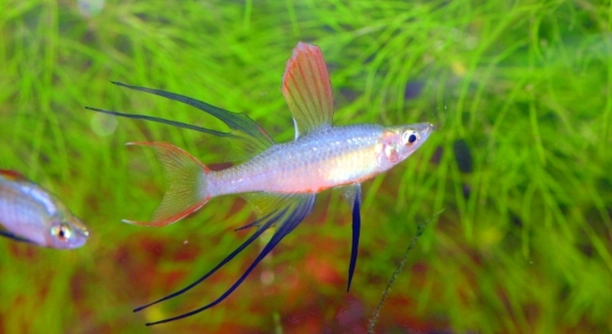
Do you enjoy keeping threadfins but find it challenging to help them adjust to a new environment? Moving to a new tank can be stressful for fish, and proper care ensures a smoother transition.
Threadfins adapt more effectively when their new environment replicates natural conditions, including water quality, temperature, lighting, and hiding spaces. Consistent feeding schedules, minimal disturbances, and careful monitoring of their health further support successful acclimation in a new habitat.
Understanding these basic steps can prevent unnecessary stress and support healthy behavior. Following simple practices will help your threadfins thrive in their new home.
Prepare the Tank Before Arrival
Before bringing threadfins home, it is essential to have their tank fully ready. Clean the tank thoroughly and ensure all equipment, such as filters and heaters, are functioning properly. Maintaining appropriate water parameters is crucial. Threadfins thrive in slightly brackish water, so adjust salinity levels gradually if necessary. Provide adequate hiding spots using plants, rocks, or artificial shelters to reduce stress. Proper lighting helps mimic their natural environment, supporting regular activity patterns. It is also important to cycle the tank fully to establish beneficial bacteria. This step ensures ammonia and nitrite levels remain safe for your fish. Preparing the tank in advance minimizes shock and prevents health issues.
A well-prepared tank ensures your threadfins feel secure from the moment they arrive, helping them settle in smoothly without unnecessary stress or discomfort.
Proper preparation reduces stress, supports long-term health, and promotes natural behavior, allowing threadfins to adapt more quickly to their new surroundings and thrive.
Gradual Acclimation
Introduce threadfins to the new tank slowly to avoid sudden changes in temperature or water chemistry.
Gradual acclimation allows their bodies to adjust safely. Float the bag in the tank for at least 20 minutes, then slowly mix tank water into the bag every five minutes. Monitor them closely for signs of stress during this process. Avoid rushing, as sudden transitions can shock their system, affecting appetite and behavior. Using a drip system for longer acclimation periods can further reduce risk. This careful approach ensures the fish maintain stable internal conditions and settle comfortably into the new environment. Over time, this method supports stronger immune responses and encourages exploration and feeding. Consistent observation during this period allows early detection of health issues and ensures a smooth transition into tank life. Taking the time to acclimate properly prevents setbacks and promotes a stable, stress-free environment for your threadfins.
Maintain Consistent Water Conditions
Stable water conditions are critical for threadfins’ health. Monitor temperature, salinity, and pH levels daily. Avoid sudden changes that could stress them.
Regular water testing helps identify shifts early. Using a reliable filter ensures water remains clean and oxygenated. Partial water changes remove waste and maintain chemical balance. Keep the temperature steady within their preferred range, typically between 24–28°C. Sudden drops or spikes can cause stress, weaken immunity, or trigger illness. Salinity adjustments should be gradual, especially if moving from freshwater to slightly brackish conditions. Observing behavior during changes helps detect discomfort or illness early. Clean substrate and remove uneaten food to prevent bacterial growth. Consistency in water quality supports natural feeding and swimming patterns, encouraging your threadfins to settle in confidently. Maintaining stable conditions fosters a calm environment and reduces risks of disease or stress-related behavior changes.
Proper equipment, regular maintenance, and careful observation are key. Threadfins respond well to steady, predictable water conditions, which allow them to thrive and remain active.
Provide Adequate Hiding Spaces
Threadfins feel secure when they have places to hide. Rocks, plants, and artificial shelters help reduce stress.
Hiding spaces are essential for resting, exploring, and establishing territory. Without sufficient cover, threadfins may hide constantly or exhibit nervous behavior. Arrange decorations thoughtfully to create open swimming areas while offering retreats. Live plants provide natural cover and improve water quality, while artificial options add flexibility and ease of cleaning. Threadfins use these spaces to escape sudden disturbances or bright lights, maintaining comfort. Rotating decorations occasionally can stimulate exploration and reduce boredom. Proper hiding spots encourage natural interactions and territorial behavior, promoting confidence in a new environment. Observing how they use these areas can help you adjust layout and enrichment to better suit their preferences. Balanced spaces support both security and activity, fostering a healthy, stress-free habitat.
Monitor Feeding Patterns
Threadfins eat small, frequent meals. Observe their appetite to ensure they are adjusting properly.
Provide high-quality food appropriate for their size. Avoid overfeeding, as uneaten food can pollute the tank and affect water quality.
Avoid Overcrowding
Keep the number of fish suitable for the tank size. Overcrowding increases stress and competition. Threadfins need space to swim freely and establish territories. Overcrowded tanks may lead to aggression, stunted growth, and poor water quality. Maintaining proper stocking density supports healthy behavior and reduces risk of disease.
Maintain Light and Temperature
Consistent lighting and temperature support natural activity and feeding. Adjust gradually when making changes to prevent stress.
Observe Health Daily
Check for signs of illness, stress, or injury. Early detection allows prompt care and treatment.
FAQ
How often should I feed threadfins in a new tank?
Feed threadfins small portions two to three times daily. New environments can make them nervous, so observe their appetite closely. Offer food they can consume in a few minutes to prevent leftover waste from contaminating water. Gradually adjust amounts as they become comfortable and show consistent feeding behavior. Maintaining a regular schedule helps them settle and reduces stress.
What is the ideal water temperature for threadfins?
Threadfins thrive in water between 24–28°C. Sudden changes can shock their system and weaken immunity. Use a reliable heater and thermometer to maintain stable temperatures. Monitor daily, especially during seasonal changes or if the tank is near windows or drafts. Consistency in temperature encourages normal swimming, feeding, and resting patterns.
Can threadfins live with other fish?
Yes, but choose tank mates carefully. Select peaceful species that occupy different levels of the tank. Avoid aggressive or territorial fish. Threadfins may become stressed or hide excessively when crowded with dominant species. Monitor interactions during the first few weeks to ensure harmony. Providing hiding spaces and open swimming areas reduces conflict.
How important is salinity for threadfins?
Salinity is critical, especially if they are transitioning from freshwater to slightly brackish conditions. Gradual adjustments prevent shock. Measure salinity using a refractometer or hydrometer. Target levels depend on species but generally remain low to moderate. Proper salinity supports overall health, appetite, and immune function, helping them adapt smoothly to a new tank.
What signs indicate stress in threadfins?
Stress can appear as hiding excessively, loss of appetite, erratic swimming, or color fading. These behaviors often signal environmental issues like poor water quality, improper temperature, overcrowding, or sudden changes. Early observation allows corrective action, reducing risk of illness. Addressing stress promptly ensures threadfins regain confidence and adapt well.
How often should I change the water?
Partial water changes of 10–20% weekly are ideal. Frequent full changes can disrupt beneficial bacteria, while neglecting changes increases toxins. Use a siphon to remove debris and top off with conditioned water at the same temperature and salinity. Consistency in maintenance prevents sudden shifts that could stress the fish.
Are hiding spaces really necessary?
Yes. Threadfins need shelters to feel secure, rest, and explore. Plants, rocks, or artificial caves create safe retreats. Lack of cover may result in nervous or withdrawn behavior. Balanced placement of hiding spots with open swimming areas encourages exploration and natural activity while reducing stress.
How long does it take for threadfins to settle in a new tank?
Typically, threadfins take a few days to two weeks to adjust. Factors such as water quality, temperature, hiding spaces, and minimal disturbances affect the timeline. Observe their behavior, feeding, and interaction patterns to gauge comfort. Patience is key, as rushing or disturbing them may prolong adaptation.
Should I treat water before adding threadfins?
Yes, always use a water conditioner to remove chlorine and chloramine. Check parameters such as pH, ammonia, nitrites, and nitrates before introducing fish. Proper preparation prevents stress and supports long-term health. Gradual adjustments for temperature and salinity help create a safe, stable environment for settling in.
What should I do if a threadfin appears sick?
Isolate the fish immediately to prevent transmission to others. Check water quality and feeding. Consult reliable resources or a veterinarian specializing in fish health for treatment options. Early intervention increases recovery chances and minimizes long-term effects. Observation and proactive care are essential for maintaining a healthy tank.
Can overfeeding harm threadfins?
Yes, uneaten food can pollute water, leading to ammonia spikes and stress. Offer only what they can consume in a few minutes. Monitor appetite daily and adjust portions. Proper feeding supports growth, immune function, and overall comfort while reducing risk of water quality issues.
Is it necessary to monitor water parameters daily?
Daily monitoring is highly recommended during the initial weeks. Temperature, pH, salinity, and ammonia levels can fluctuate, impacting health. Early detection of changes allows prompt corrective actions. Once the tank stabilizes, checks can be slightly less frequent, but vigilance ensures threadfins remain comfortable and stress-free.
How can I encourage natural behavior in threadfins?
Provide consistent conditions, hiding spaces, and open swimming areas. Avoid sudden disturbances or loud noises. Offer varied foods and rotate decorations periodically to stimulate exploration. Observing their patterns and adjusting the environment accordingly helps them exhibit normal swimming, feeding, and social interactions, fostering a healthy and confident fish.
Are artificial plants acceptable for threadfins?
Yes, artificial plants are suitable if arranged thoughtfully. They offer cover and visual interest without altering water chemistry. Combine with live plants when possible to enhance enrichment. Proper placement ensures balance between safe retreats and open swimming areas. Artificial options also reduce maintenance while supporting secure hiding spots.
Can threadfins tolerate brief changes in light or temperature?
Short, controlled variations are generally tolerated, but frequent or sudden changes can cause stress. Gradual adjustments allow the fish to adapt without behavioral or health disruptions. Consistent routines for light cycles and temperature promote natural activity and feeding schedules, supporting long-term well-being.
How do I know if the tank is overcrowded?
Signs include competition for food, aggression, stress behaviors, and poor water quality. A good rule is to follow species-specific stocking guidelines. Adequate space per fish allows normal swimming, feeding, and hiding. Monitoring behavior and growth helps maintain a healthy, balanced environment, preventing stress and disease.
Should I quarantine new fish before adding them to the main tank?
Quarantine is recommended to prevent disease introduction. Use a separate tank for 2–4 weeks, monitoring health, feeding, and behavior. Treat any illness early and ensure water parameters match the main tank. Quarantine protects existing fish and reduces stress during the acclimation process.
Is it necessary to use a heater even in a warm room?
Yes, a heater stabilizes temperature, preventing fluctuations caused by room changes or day-night cycles. Threadfins are sensitive to sudden shifts, which can stress them or suppress appetite. A reliable heater ensures consistent conditions and supports normal activity and immune function.
How can I reduce stress during water changes?
Perform partial changes gently using a siphon. Match replacement water temperature and salinity closely to tank conditions. Avoid sudden splashing or moving fish unnecessarily. Consistent, calm maintenance helps threadfins remain relaxed and supports ongoing adaptation to their environment.
What is the best type of food for threadfins?
High-quality, protein-rich foods suited to small-sized fish are ideal. Offer a mix of pellets, frozen, or live options to provide variety. Ensure portions are appropriate and avoid overfeeding. Proper nutrition supports growth, immune system function, and adaptation to a new environment.
How do I know if a threadfin is eating enough?
Observe their behavior during feeding. Healthy fish actively seek food and consume it quickly without hesitation. Track amounts offered versus leftovers. Consistent feeding patterns indicate proper adaptation and comfort. Reduced appetite or refusal may signal stress, illness, or environmental issues requiring immediate attention.
Can I change tank decorations while threadfins are settling?
Minimal changes are best during the first two weeks. Major rearrangements can increase stress. Once they appear comfortable and feed regularly, gradual updates can stimulate exploration. Provide hiding spaces first, then adjust décor slowly, ensuring the tank remains balanced and secure for all fish.
Are threadfins sensitive to tank noise or vibrations?
Yes, loud noises or vibrations can startle them, causing hiding or erratic swimming. Place the tank in a quiet, stable location. Reduce sudden disturbances and avoid tapping on glass. A calm environment supports normal behavior and reduces stress, helping them settle confidently.
How often should I check for leftover food?
Daily checks prevent water contamination and maintain chemical balance. Remove uneaten portions promptly, especially after feeding. This reduces the risk of ammonia spikes and promotes healthy water conditions. Observing leftovers also helps gauge appetite and adjust feeding quantities appropriately.
Can threadfins adapt to different lighting schedules?
Yes, but gradual changes work best. Sudden shifts may cause stress or disrupt feeding patterns. Consistent light-dark cycles mimic natural conditions, supporting normal behavior. Adjust schedules slowly when needed, and observe responses to ensure comfort. Proper lighting promotes activity and overall health.
What should I do if water parameters fluctuate?
Identify the cause and correct it immediately. Adjust heater, filter, or water chemistry as needed. Monitor fish closely for signs of stress. Consistency is key for threadfins to remain healthy. Frequent testing and preventive maintenance reduce the risk of sudden parameter shifts.
Is it normal for threadfins to hide often at first?
Yes, hiding is a natural response to a new environment. Provide shelters and avoid excessive disturbance. Over time, as they acclimate and feel secure, activity levels and confidence typically increase. Observing their behavior helps gauge adaptation and stress levels.
Can threadfins coexist with bottom-dwelling species?
Yes, bottom-dwellers are suitable companions as they occupy different areas of the tank. Ensure enough space and hiding spots for all fish. Monitor interactions initially to prevent accidental competition or stress. Proper tank setup encourages peaceful coexistence.
How long should I monitor health after introducing new threadfins?
Vigilant observation is most critical during the first few weeks. Watch feeding, swimming, and behavior daily. Early detection of illness or stress allows prompt intervention. Continued monitoring beyond the initial period ensures ongoing comfort and long-term adaptation.
Are water conditioners always necessary?
Yes, conditioners remove chlorine, chloramine, and heavy metals that can harm threadfins. Treat tap water before adding to the tank. Proper conditioning supports health, reduces stress, and ensures a safe environment for newly introduced or existing fish.
Can threadfins adapt to different tank sizes?
Yes, but larger tanks provide more swimming space and reduce stress. Ensure proper filtration, hiding spaces, and stable water conditions. Gradual introduction helps adaptation, regardless of tank dimensions. Adequate space promotes natural behavior, reduces aggression, and supports long-term health.
How do I encourage feeding in shy or stressed threadfins?
Offer food near hiding spots or gradually move it into open areas. Use small portions and consistent feeding times. Observing responses and adjusting placement helps build confidence. Over time, shy fish will begin exploring and feeding more actively as they acclimate.
Is it necessary to adjust tank conditions for seasonal changes?
Yes, monitor temperature, light, and water chemistry during seasonal shifts. Gradual adjustments prevent stress. Ensure equipment like heaters and filters compensate for variations. Stable conditions throughout the year support health, appetite, and normal behavior.
How often should I clean filters during the acclimation period?
Check filters weekly, cleaning lightly as needed to maintain flow. Avoid over-cleaning, which may remove beneficial bacteria. Proper filter maintenance ensures water quality remains stable, reducing stress and supporting healthy adaptation in threadfins.
What are the most common mistakes during acclimation?
Rushing introduction, overfeeding, sudden water changes, overcrowding, and insufficient hiding spaces are frequent errors. Each can cause stress, poor feeding, or illness. Careful planning and observation prevent these issues, promoting smooth adaptation and long-term health.
How can I tell if a threadfin is thriving?
Active swimming, bright coloration, consistent feeding, and regular interaction with the environment indicate thriving health. Reduced hiding, confident exploration, and responsive behavior reflect comfort. Monitoring these signs helps assess well-being and adjustment.
Are small water changes better than large ones for new threadfins?
Yes, small, frequent changes maintain water quality without shocking the fish. Sudden large changes can disrupt parameters, stress the fish, and affect appetite. Consistent partial changes promote stability and support long-term adaptation.
What should I do if a threadfin refuses to eat?
Check water quality, temperature, and stress factors first. Offer varied foods and reduce disturbances. Isolate if illness is suspected. Early intervention helps restore appetite and prevents further health complications. Patience and careful observation are essential.
Is it okay to mix different threadfin species in one tank?
Yes, if they are compatible in size, temperament, and environmental needs. Monitor interactions closely, provide hiding spots, and ensure enough space. Proper planning supports peaceful coexistence and reduces stress or aggression.
How important is observation for new threadfins?
Observation is crucial to detect stress, illness, or behavioral changes. Early recognition allows intervention before serious problems develop. Daily attention ensures health, comfort, and successful acclimation.
Can sudden tank rearrangements harm threadfins?
Yes, moving decorations or equipment abruptly can increase stress. Threadfins rely on familiar layouts for security. Make changes gradually after they are settled to maintain confidence and natural behavior.
How long should I keep new threadfins isolated from existing fish?
A quarantine period of 2–4 weeks is recommended. Monitor for disease and stress, and only introduce to the main tank when healthy. Isolation reduces risk to both new and established fish.
Do threadfins require special water filtration?
Efficient filtration is essential for stable water quality. Use a filter appropriate for tank size that provides mechanical and biological filtration. Proper filtration supports oxygenation, reduces waste buildup, and promotes a healthy environment.
How can I tell if water quality is affecting threadfins?
Symptoms include hiding, loss of appetite, erratic swimming, or discoloration. Testing ammonia, nitrite, nitrate, pH, and salinity helps identify problems. Correcting issues quickly prevents illness and supports smooth acclimation.
Should I provide current in the tank for threadfins?
Yes, moderate water flow simulates natural conditions, encourages exercise, and supports respiratory health. Avoid strong currents that may tire them. Balanced flow promotes natural swimming patterns and reduces stress.
How do I handle water parameter emergencies?
React quickly to spikes in ammonia, nitrite, or pH. Perform partial water changes, check equipment, and isolate stressed fish if needed. Immediate action protects health and prevents long-term effects.
Is it normal for threadfins to explore less at first?
Yes, initial caution is typical. Hiding and slow exploration indicate adjustment. Over time, as comfort grows, activity and confidence increase. Providing safe spaces encourages gradual exploration and natural behavior.
How often should I test pH during acclimation?
Test daily for the first few weeks, then reduce frequency once stable. Maintaining stable pH prevents stress, supports metabolism, and encourages regular feeding. Early detection of shifts allows timely corrective action.
Are threadfins sensitive to chemicals in tap water?
Yes, chlorine, chloramine, and heavy metals can be harmful. Always use water conditioner before adding to the tank. Properly treated water supports immune function and reduces stress.
Can stress affect coloration in threadfins?
Yes, stressed fish may appear pale or dull. Maintaining stable conditions, hiding spaces, and regular feeding helps them regain natural coloration. Observation of color changes is a useful health indicator.
Is it necessary to feed live food?
Live food is optional but can encourage natural hunting behavior. Balanced diets with high-quality pellets or frozen food are sufficient. Variety supports nutrition and engagement without overcomplicating care.
How do I maintain consistent salinity?
Measure regularly and top off with conditioned water matching current salinity. Gradual adjustments prevent stress. Stability supports physiological functions, appetite, and adaptation to the new environment.
Should I remove uneaten food immediately?
Yes, leftover food can degrade water quality and stress fish. Prompt removal prevents ammonia buildup, supports oxygenation, and maintains a clean environment for healthy adaptation.
What is the best way to introduce multiple threadfins simultaneously?
Acclimate each individually, then add to the tank gradually. Observe interactions and ensure sufficient space and hiding spots. Careful introduction prevents stress and promotes harmonious behavior.
Can threadfins adapt to slight variations in water hardness?
Yes, small fluctuations are tolerable, but extreme changes may cause stress. Monitor water chemistry and adjust gradually if needed. Stable conditions support health, feeding, and confidence.
How do I encourage shy threadfins to explore?
Provide nearby food, gentle lighting, and minimal disturbance. Hiding spaces give security while they become confident. Gradual exposure and consistent routines promote natural behavior and reduce stress.
Are threadfins sensitive to tank vibrations?
Yes, sudden vibrations can startle them. Place the tank in a stable, low-traffic area. Reducing external disturbances supports natural behavior and smooth acclimation.
Can I mix threadfins with fast-swimming fish?
Avoid aggressive or overly active species that may outcompete them for food. Choose peaceful companions occupying different areas of the tank. Proper selection prevents stress and promotes thriving behavior.
Is it necessary to feed at the same time each day?
Consistent feeding times encourage routine and reduce stress. Threadfins learn to expect food, supporting natural behavior and smoother adaptation. Monitor response and adjust portion size as needed.
How do I know if hiding spots are sufficient?
Observe if fish use shelters regularly and show confident exploration. Lack of use or excessive hiding may indicate insufficient or poorly placed cover. Adjust layout to balance security and open space.
Should I use a water heater with a thermostat?
Yes, a thermostat ensures precise temperature control. Threadfins are sensitive to fluctuations, and stable heat supports feeding, activity, and stress reduction.
Can threadfins tolerate brief exposure to tap water?
No, untreated tap water contains chemicals harmful to fish. Always condition water before introduction to prevent stress, illness, or long-term health issues.
What is the best approach for introducing food variety?
Offer a combination of pellets, frozen, and occasional live food. Gradually introduce new options, observing acceptance. Variety ensures balanced nutrition and stimulates natural behavior without overwhelming them.
How can I tell if a threadfin is adapting well?
Active swimming, normal feeding, bright coloration, and use of hiding spaces indicate successful adaptation. Monitor consistently during the first weeks to confirm comfort and health.
Is it normal for threadfins to be inactive at first?
Yes, reduced activity is typical in new surroundings. Gradually, as stress decreases and they explore safely, activity levels increase. Adequate hiding spots and consistent conditions encourage confident movement.
Are threadfins prone to disease in new tanks?
Yes, stress and poor water quality increase susceptibility. Proper acclimation, stable conditions, regular observation, and quarantine of new arrivals reduce risk and support healthy adaptation.
How important is patience during acclimation?
Patience is essential. Rushing feeding, interaction, or environment changes increases stress and delays settling. Gradual adjustments and careful observation promote long-term health, confidence, and thriving behavior in threadfins.
Can I use artificial caves instead of live plants?
Yes, artificial caves provide secure hiding spaces without altering water chemistry. Combine with open swimming areas to balance security and activity. Proper placement supports natural exploration and reduces stress.
**Should I adjust tank conditions
Final Thoughts
Threadfins are sensitive fish that require careful attention when settling into a new tank. Their adaptation depends heavily on the environment provided. Maintaining stable water conditions, including temperature, pH, and salinity, is essential for their health. Sudden changes in any of these parameters can cause stress, reduce appetite, and increase susceptibility to disease. Observing your fish daily helps identify early signs of discomfort or illness. Simple routines, like consistent feeding times and partial water changes, contribute to a calm and predictable environment. These practices not only support physical health but also encourage natural behavior, helping threadfins feel secure and confident. Providing proper hiding spaces and open swimming areas allows them to explore and rest safely. Live or artificial plants, rocks, and caves can create a balanced environment that mimics natural habitats. This reduces stress and promotes natural activity, such as swimming, foraging, and interacting with their surroundings. Overcrowding should be avoided, as limited space increases competition, stress, and the risk of aggression.
Acclimation is another critical factor in helping threadfins settle successfully. Gradual introduction to new water conditions, using techniques like floating bags or drip acclimation, prevents shock and ensures a smoother transition. Patience during this process is key, as rushing can lead to health issues or prolonged stress. Feeding should be carefully managed during the first few days, offering small, frequent portions to encourage consumption without overloading the tank. Monitoring behavior during this period provides insight into their comfort level and health. Adjustments to tank layout, lighting, and water flow should also be done gradually, allowing threadfins to adapt without unnecessary disruption. Keeping the tank quiet, stable, and predictable helps reduce fear and encourages exploration. Observation is essential for recognizing subtle changes in behavior, appetite, or appearance, which can indicate issues before they become serious. By creating a structured, stable environment and allowing time for adjustment, threadfins can develop confidence and display natural behaviors.
Long-term care is equally important once threadfins have acclimated. Consistent water maintenance, balanced feeding, and careful monitoring of their health are ongoing responsibilities. Regular testing of water parameters, along with thoughtful cleaning of filters and removal of uneaten food, ensures a safe and comfortable habitat. Adjustments for seasonal changes or minor shifts in lighting and temperature should be made slowly to maintain stability. Providing enrichment through varied food and occasional rearrangement of hiding spaces can stimulate activity and reduce boredom. Careful attention to tank mates ensures peaceful coexistence and prevents stress caused by competition or aggression. Understanding their behavior and preferences allows for a more supportive environment, promoting health, growth, and overall well-being. Ultimately, helping threadfins settle successfully requires consistency, patience, and observation. Creating a calm, secure, and structured environment lays the foundation for thriving fish, encouraging natural behavior and long-term vitality. By following these principles, threadfins can adapt comfortably, remain healthy, and continue to enrich the aquarium environment.

Hello,
If you enjoy the content that we create, please consider saying a "Thank You!" by leaving a tip.
Every little bit helps us continue crafting quality advice that supports the health, happiness, and well-being of pets around the world, for pets of all shapes, sizes, and species.
We really appreciate the kindness and support that you show us!