
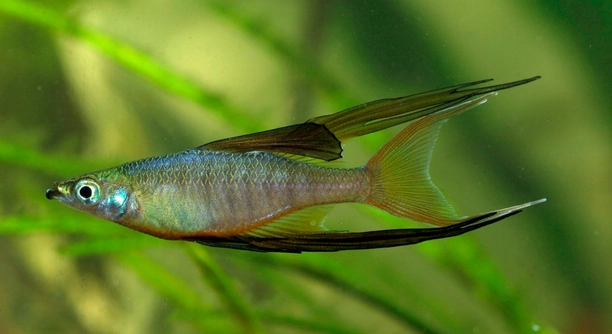
Threadfins are fascinating fish that rely on nature to guide their breeding cycles. Observing their behavior in rivers and coastal waters shows how closely they follow seasonal changes and environmental cues. Their timing is carefully tuned to nature.
Threadfins use a combination of environmental and biological cues to time their breeding. These include water temperature, photoperiod, lunar cycles, food availability, tidal patterns, social interactions, and hormonal changes. Together, these factors ensure successful reproduction in natural habitats.
Understanding these natural signals helps explain why threadfins breed when they do. Learning about these cues offers insight into their behavior and survival strategies in the wild.
Water Temperature
Threadfins are very sensitive to water temperature when it comes to breeding. They tend to spawn in warmer waters because higher temperatures accelerate egg development and larval growth. In cooler waters, their reproductive activity slows, and fewer eggs are produced. Seasonal changes in temperature often act as a natural signal for these fish, guiding them to spawn at the right time. Coastal areas and estuaries where water warms faster often see earlier breeding activity. During temperature shifts, threadfins may move to shallower or deeper areas depending on which conditions are optimal for reproduction. Observing this pattern shows how strongly water temperature influences their reproductive cycle, highlighting the delicate balance between environmental conditions and biological needs. Many fisheries monitor water temperature closely to predict peak breeding times, ensuring sustainable management of threadfin populations. In natural habitats, this temperature cue is one of the most reliable ways these fish know when it is safe and efficient to reproduce.
Water temperature directly impacts the timing of threadfin breeding and is a primary environmental cue for their reproductive cycles.
The sensitivity to temperature means that even slight changes can trigger breeding activity. Threadfins rely on these cues to align their spawning with optimal conditions for survival. By tracking temperature trends, we gain a clearer understanding of their natural reproductive behavior.
Lunar Cycles
Threadfins often synchronize spawning with specific phases of the moon.
The light and gravitational effects of the lunar cycle influence when threadfins release eggs. Many species prefer full or new moon periods, which affect tides and water movement. Lunar cycles help ensure eggs are carried to safe areas, increasing survival chances. The connection between moon phases and tidal patterns guides fish to select times when offspring are least likely to be swept away or exposed to predators. Spawning during these phases also aligns with plankton blooms, providing an abundant food source for newly hatched larvae. This natural timing ensures that threadfins reproduce efficiently, using the predictable lunar rhythm as a guide. Fishermen and researchers often note increased activity during these moon phases, confirming the importance of this cue. Understanding lunar influence is crucial for managing breeding habitats, as human interference can disrupt these cycles. Observing these patterns in rivers and estuaries reveals how lunar timing and environmental conditions work together to support healthy fish populations.
Tidal Patterns
Tides influence threadfin spawning by controlling water movement. Rising and falling tides create optimal conditions for eggs and larvae to disperse safely. Threadfins often spawn during specific tidal phases to increase survival chances and ensure eggs reach protected areas.
Tidal changes are closely linked to threadfin behavior. Spawning often occurs during spring tides when the difference between high and low tide is greatest. This helps eggs travel to shallow nursery areas where predators are fewer and food is abundant. By using tidal patterns, threadfins align reproduction with safer environmental conditions, improving offspring survival. Fisheries observe tidal behavior to predict peak spawning periods, showing how natural rhythms govern reproductive timing.
Tidal influence works together with other environmental cues. Threadfins rely on the combination of tides, temperature, and lunar cycles to ensure eggs and larvae develop under the best conditions. This synchronization reduces risks from predation and environmental stress, allowing populations to thrive. Monitoring tidal patterns is essential for understanding reproductive success and maintaining sustainable fisheries.
Food Availability
Food abundance directly affects threadfin reproductive activity. Spawning usually coincides with times when prey is plentiful, providing energy for adults and nourishment for larvae.
When food is abundant, threadfins increase spawning activity because adults have enough energy to reproduce and their young have immediate access to nutrition. Phytoplankton and small invertebrates bloom seasonally, creating optimal conditions for larvae growth. Timing reproduction with food availability ensures higher survival rates and supports population stability. Threadfins adjust their feeding behavior to store energy in preparation for spawning, showing a clear link between diet and reproduction. Fisheries management often considers seasonal food patterns when assessing spawning habitats, demonstrating the importance of this factor.
Food availability interacts with other natural cues to determine the best timing for breeding. Threadfins rely on a balance of environmental signals and resource abundance to reproduce efficiently. Without sufficient prey, adults may delay spawning, and larvae may face higher mortality rates. Understanding these patterns is crucial for conservation and predicting population trends, as it shows how resource cycles directly influence reproductive success and the long-term sustainability of threadfin populations.
Photoperiod
Day length affects threadfin breeding because it signals seasonal changes. Longer days often indicate warmer months, prompting reproductive activity.
Photoperiod helps threadfins align spawning with favorable conditions. Changes in light duration trigger hormonal responses, preparing adults for reproduction. This natural cue ensures breeding occurs when survival chances for offspring are higher.
Social Interactions
Threadfins respond to the presence of other fish when timing breeding. Group behavior influences spawning readiness and synchronization among individuals.
Social interactions among threadfins encourage coordinated spawning. Males and females adjust their behavior based on nearby fish, increasing reproductive efficiency. Schools of fish create signals through movement and proximity that help synchronize egg release, maximizing fertilization rates.
Hormonal Changes
Internal hormonal cycles control threadfin reproductive readiness. Hormones regulate gamete production and influence timing of spawning events.
Hormonal fluctuations act as an internal cue that integrates environmental signals like temperature and light. These changes ensure threadfins are physiologically prepared to reproduce at the optimal moment, supporting successful breeding.
What environmental factors most influence threadfin breeding?
Water temperature, tidal patterns, lunar cycles, and photoperiod are the main environmental cues for threadfin breeding. Warmer temperatures accelerate egg development and signal the right season to spawn. Tides and lunar cycles guide the timing so eggs reach safe nursery areas. Day length triggers hormonal changes that prepare adults for reproduction.
How does water temperature affect spawning?
Threadfins are highly sensitive to temperature. Warmer water encourages spawning because it speeds up egg maturation and larval development. Cooler temperatures slow reproductive activity, reducing egg production. In natural habitats, fish often move to areas with ideal temperatures, such as shallow estuaries or sheltered coastal zones. Monitoring temperature can predict peak breeding periods.
Why are lunar cycles important for threadfins?
The phases of the moon influence tides and water movement, which directly affect egg dispersal. Many threadfins spawn during full or new moon phases. Timing breeding this way ensures eggs are carried to safe areas and reduces predation risks. Moonlight also helps synchronize group spawning in schools.
How do tides guide reproduction?
Tidal patterns control water flow and the movement of eggs and larvae. Spring tides with strong currents help distribute eggs to nursery habitats where survival is higher. Threadfins often spawn at specific tidal stages to align with these safer environmental conditions. Observing tidal patterns is key for fisheries management.
Does food availability impact breeding?
Yes, abundant food directly affects reproductive activity. Threadfins spawn when prey, such as small invertebrates and plankton, is plentiful. Adequate food allows adults to store energy for spawning and ensures larvae have access to immediate nutrition. Seasonal prey blooms often dictate the timing of reproduction.
How do social interactions affect spawning?
Threadfins use group behavior to synchronize reproduction. The presence of nearby fish can trigger spawning readiness. Schools of fish create cues through movement and proximity, which helps maximize fertilization rates. Coordinated breeding ensures more eggs are successfully fertilized and increases survival chances.
What role do hormones play in timing breeding?
Hormonal changes regulate gamete production and readiness to spawn. Environmental signals like temperature, day length, and food availability influence these cycles. Hormones prepare threadfins physiologically so they can reproduce when conditions are optimal, ensuring higher chances of successful offspring.
Can human activity disrupt these natural cues?
Yes, pollution, coastal development, and overfishing can alter temperature, tidal flow, and food availability. Light pollution can interfere with lunar and photoperiod cues, while habitat destruction limits nursery areas. Maintaining natural conditions is crucial for sustaining threadfin populations.
How can fisheries use this knowledge?
Understanding these natural cues helps predict peak breeding times. Fisheries can plan harvesting to avoid disrupting reproduction, monitor population health, and protect nursery habitats. By aligning practices with threadfin reproductive behavior, sustainable management and long-term species survival become possible.
Are there signs that threadfins are ready to spawn?
Threadfins exhibit specific behaviors before spawning, such as increased movement, grouping in shallow areas, and changes in feeding patterns. Observing these behaviors in combination with environmental cues can indicate imminent spawning activity, helping researchers and fishery managers track reproductive cycles accurately.
Do all threadfin species respond the same way?
While most threadfin species rely on similar cues, the exact timing and sensitivity can vary. Some species spawn earlier or later depending on local environmental conditions, food availability, and tidal patterns. Recognizing species-specific differences is important for targeted conservation and management strategies.
Can climate change affect threadfin breeding?
Rising temperatures, altered tides, and unpredictable food availability due to climate change can disrupt the natural timing of spawning. Fish may spawn too early or too late, impacting larval survival. Protecting habitats and monitoring environmental changes are essential to mitigate these effects and preserve populations.
Is it possible to replicate these cues in aquaculture?
Yes, controlled environments can simulate temperature, light cycles, and food abundance to encourage breeding. Aquaculture systems often adjust photoperiods and water conditions to align with natural cues. Understanding the interaction of these factors allows successful breeding in captivity, supporting conservation and commercial production.
How does egg survival depend on these cues?
Egg and larval survival is highest when all natural cues align. Temperature ensures proper development, tides move eggs to safe areas, and food availability supports larval growth. Disruption of any cue increases mortality rates, emphasizing the importance of environmental timing for reproductive success.
Why is understanding threadfin breeding important?
Knowing how these fish use natural cues to reproduce helps protect ecosystems and manage fisheries responsibly. It allows for better planning of harvesting, habitat conservation, and species preservation. Observing these patterns also provides insight into broader ecological processes that affect many aquatic species.
Can individuals observe these behaviors in the wild?
Yes, careful observation of coastal waters and estuaries reveals breeding behaviors. Grouping, increased activity, and timing with tidal or lunar changes indicate spawning events. Watching these patterns helps connect environmental cues with reproductive success, giving a deeper understanding of threadfin biology.
What happens if one cue is disrupted?
Disruption of a single cue can delay or reduce spawning. For example, a lack of food may cause adults to postpone reproduction, while abnormal tides may prevent eggs from reaching safe areas. Successful reproduction relies on multiple cues working together in a natural balance.
Do juvenile threadfins respond to these cues?
Juveniles are less influenced by reproductive cues but are affected indirectly. They rely on tides and food availability for survival. Timing of adult spawning ensures larvae enter an environment with optimal conditions, giving them the best chance to grow and mature.
How long do threadfins typically rely on these cues each year?
Threadfins follow these environmental and biological cues seasonally. Spawning usually occurs during specific months when water temperature, tides, lunar phases, and food availability align. This annual pattern maximizes reproductive efficiency and supports healthy population cycles year after year.
Can these cues explain unusual spawning patterns?
Yes, changes in temperature, tides, food, or social dynamics can lead to unexpected breeding events. Monitoring all cues helps explain variations in spawning behavior, revealing how threadfins adapt to fluctuating environmental conditions while maintaining reproductive success.
How can this knowledge benefit conservation efforts?
Understanding the natural cues threadfins use allows targeted protection of breeding habitats and timing of interventions. Conservationists can preserve nursery areas, regulate fishing, and ensure environmental stability, which all support successful reproduction and long-term species survival.
Does breeding timing affect population size?
Yes, precise timing ensures higher egg survival and larval growth. Misaligned spawning can reduce reproductive success, decreasing population numbers over time. Consistently following natural cues supports stable populations and the overall health of aquatic ecosystems.
Are there other fish that use similar cues?
Many coastal and estuarine species rely on similar environmental and biological signals for reproduction. Observing threadfins helps understand broader patterns in fish ecology, showing how multiple cues coordinate to maximize reproductive efficiency and offspring survival in aquatic environments.
Threadfins are remarkable fish that carefully follow natural cues to time their breeding. Every aspect of their environment plays a role in ensuring reproduction is successful. Water temperature, tides, lunar phases, and daylight length all influence when adults release their eggs. These cues work together in a precise balance. If one factor changes, it can affect the timing of spawning and the survival of the offspring. Observing threadfins in their natural habitats shows how closely their behavior is linked to these environmental signals. They do not reproduce randomly but rely on predictable patterns that have evolved over time. This sensitivity to nature highlights how important it is to maintain healthy ecosystems. Coastal waters, rivers, and estuaries provide conditions that threadfins need to complete their life cycles. Protecting these areas from pollution, overfishing, and habitat destruction helps ensure threadfins can continue to reproduce successfully.
Food availability is another critical factor that supports threadfin reproduction. Adults need enough energy to produce eggs, and larvae require immediate access to food once they hatch. Seasonal blooms of plankton and small invertebrates provide the necessary nutrition for young fish. Threadfins time their spawning to match these cycles, giving their offspring the best chance to survive. In addition, social interactions within schools help synchronize spawning among individuals, which increases the chances of fertilization. Even internal factors, such as hormonal cycles, depend on environmental signals to prepare fish for reproduction. The coordination between internal and external cues is an impressive example of how species adapt to their surroundings. Understanding these patterns is not only interesting for observing behavior but also essential for managing fisheries and conserving habitats.
Maintaining the natural balance of these cues is essential for the long-term health of threadfin populations. Human activities can disrupt temperature, tidal flow, and food availability, which may interfere with breeding. Climate change, pollution, and coastal development can all affect the environmental signals that threadfins rely on. By protecting natural habitats and monitoring key environmental factors, we can help ensure that threadfins continue to reproduce successfully. Research and observation of their breeding behavior provide insights into the complex interactions between species and their environment. These lessons can be applied to conservation efforts and sustainable fishery practices. Paying attention to the natural rhythms of threadfins reminds us how interconnected life in aquatic ecosystems is and how careful management supports the survival of these fascinating fish.

Hello,
If you enjoy the content that we create, please consider saying a "Thank You!" by leaving a tip.
Every little bit helps us continue crafting quality advice that supports the health, happiness, and well-being of pets around the world, for pets of all shapes, sizes, and species.
We really appreciate the kindness and support that you show us!