
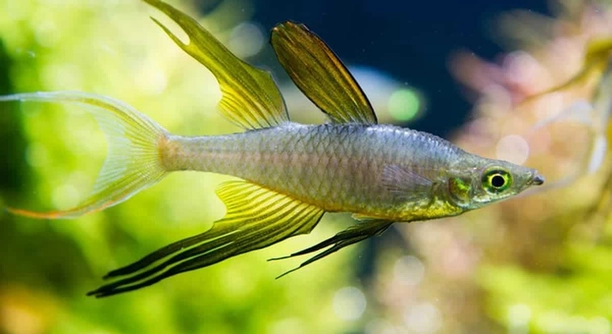
Do you ever find yourself watching your threadfins swim and wonder which foods spark their playful instincts and keep them active? Choosing the right options ensures their well-being while making your aquarium more enjoyable to observe every day.
Threadfins are naturally attracted to specific foods that trigger their hunting behavior across the tank. Seven particular options stand out as favorites, encouraging both exercise and nourishment. Offering these choices ensures their diet remains balanced, stimulating, and supportive of long-term health.
Learning what truly excites your threadfins will help you create a healthier, livelier tank environment filled with activity and natural behaviors.
Brine Shrimp
Brine shrimp are one of the most reliable foods to keep threadfins excited. Their small size and movement across the water naturally attract attention, giving fish something to chase. These shrimp are also highly nutritious, containing proteins and essential fatty acids that help with growth and fin development. When offered live, they encourage natural hunting instincts and provide stimulation that flake foods cannot. Frozen or freeze-dried versions can be used as well, though they may not be as enticing. Regular feeding of brine shrimp supports immune health and brightens coloration, making them a valuable addition to your threadfin’s diet.
Brine shrimp are also easy to portion, ensuring you provide just enough for your fish without clouding the water. This balance helps maintain tank cleanliness and reduces waste build-up that could harm your aquarium environment.
Including brine shrimp in your threadfins’ diet ensures they remain healthy and energetic. Since these foods are lightweight and readily consumed, fish benefit from steady energy without bloating or digestive concerns. Feeding live shrimp two to three times weekly encourages exercise as your fish actively chase them across the tank. Frozen varieties can serve as supplements on alternating days, preventing monotony and keeping your threadfins responsive. Maintaining a feeding schedule with brine shrimp creates consistency, which helps reduce stress and fosters predictable activity levels. Their nutritional richness supports growth and coloration, while the playful pursuit promotes a natural environment. Offering this food in moderation alongside other selections ensures balance, preventing reliance on a single protein source and keeping your threadfins thriving.
Bloodworms
Bloodworms offer a nutrient-rich boost for threadfins while stimulating natural feeding behaviors. They are protein-dense, easy to digest, and provide variety in texture, which keeps fish interested in their meals. Both live and frozen options are widely available and effective.
Feeding bloodworms two to three times a week ensures threadfins receive vital nutrients without overloading their digestive system. Their bright red color immediately captures attention, sparking chasing activity across the tank. This makes them especially helpful in reducing boredom while keeping fish lively. Frozen bloodworms are convenient, while live ones encourage more active behavior. When fed carefully in small portions, they won’t cause water issues. Combining bloodworms with other protein sources helps balance nutrition and prevents your fish from depending too heavily on one food type. This variety maintains health, brightens coloration, and creates a stimulating environment where threadfins remain engaged, active, and consistently excited about feeding.
Daphnia
Daphnia are small, fast-moving crustaceans that threadfins love to chase. Their constant darting across the tank creates excitement while providing essential nutrients like proteins, vitamins, and fiber that support digestion and overall health. Both live and frozen options can be used effectively.
Feeding daphnia brings both physical and nutritional benefits. Their quick movements stimulate natural hunting instincts, encouraging threadfins to stay active and engaged. They are also a safe option since their soft bodies reduce the risk of digestive problems compared to harder-shelled foods. Live daphnia promote more chasing, while frozen versions provide convenience without losing nutritional value. Offering them a few times weekly adds variety to the diet and prevents boredom. Regular feeding ensures improved fin quality, brighter colors, and stronger immune systems. By rotating daphnia with other foods, you can maintain a healthy balance that supports your threadfins’ well-being.
Threadfins thrive on the lively pursuit of daphnia. These small creatures provide fiber, aiding digestion and reducing issues like bloating. Their nutritional profile is excellent for maintaining consistent growth, especially in younger fish. When fed in controlled portions, daphnia keep water quality stable, unlike richer foods that can cloud the tank. Introducing them on alternate days ensures a healthy rotation of proteins, reducing dependence on a single food source. Their movement encourages fish to swim more actively, creating a natural display of energy in the tank. By including daphnia, you provide both stimulation and nourishment, ensuring your threadfins remain healthy, colorful, and active every day.
Mosquito Larvae
Mosquito larvae are an excellent food choice, offering high protein content and irresistible movement that threadfins cannot resist chasing. They mimic natural feeding experiences, keeping fish active and engaged while also supporting growth, immunity, and stronger coloration with regular feeding.
Threadfins benefit greatly from mosquito larvae, as their wriggling movement triggers immediate hunting responses. Feeding them live provides the most stimulation, but frozen varieties remain highly nutritious and practical. These larvae contain beneficial proteins and fats that support muscle development, immune function, and reproductive health. Offering mosquito larvae two to three times weekly promotes variety and prevents diet monotony. They also encourage exercise, as fish actively chase them across the tank. Portion control is important since overfeeding may affect water quality. Balanced with other foods, mosquito larvae strengthen threadfins, maintain vibrant appearances, and bring more excitement into their environment. Their presence makes feeding time an engaging and beneficial experience.
Mysis Shrimp
Mysis shrimp are rich in protein and omega-3 fatty acids, making them highly beneficial for threadfins. Their constant swimming motion excites fish, encouraging them to chase while receiving essential nutrients that support energy, growth, and vibrant coloration.
Frozen mysis shrimp are convenient, retaining much of their nutritional value. They provide variety in texture and taste, preventing mealtime monotony. Offering them two to three times weekly ensures balanced nutrition and stimulates active behavior, keeping threadfins both healthy and engaged in their tank.
Tubifex Worms
Tubifex worms are highly attractive to threadfins because of their movement and high protein content. They stimulate active feeding behavior while supporting muscle growth, immune strength, and vibrant colors. Live or freeze-dried options can both be offered in small, controlled portions.
Fruit Flies
Fruit flies add variety to a threadfin’s diet by offering lightweight, protein-rich nourishment. Their quick movement across the water excites fish and encourages natural hunting behavior, making feeding time more stimulating while adding an enriching experience to their daily routine.
FAQ
How often should threadfins be fed these foods?
Threadfins should be fed small portions two to three times daily. Offering live or frozen foods like brine shrimp, bloodworms, or daphnia two to three times weekly is recommended. These meals can be rotated with flakes or pellets to maintain a balanced diet. Overfeeding should always be avoided, as it can reduce water quality, stress the fish, and lead to digestive issues. Smaller, frequent feedings mimic natural grazing behavior and help keep threadfins more active throughout the day.
Can these foods replace pellets and flakes entirely?
Live and frozen foods should not replace pellets and flakes completely. Pellets and flakes are often fortified with vitamins and minerals that may not always be present in natural foods. Threadfins benefit most from variety, so both prepared and live foods should be part of their diet. A balanced feeding schedule ensures they get proper nutrition without deficiencies. Using live foods as supplemental feeding encourages activity and natural hunting behaviors, while pellets and flakes guarantee a consistent base diet that covers essential nutrients fish need every day.
Which food helps most with color enhancement?
Foods rich in carotenoids, such as bloodworms, brine shrimp, and daphnia, are excellent for enhancing threadfin coloration. These natural pigments improve reds, oranges, and yellows while supporting overall vibrancy. Feeding these regularly alongside a balanced diet ensures color improvements are visible and long-lasting. A consistent rotation of these foods prevents fading and enhances the natural beauty of threadfins. Supplementing with prepared foods that include added color-enhancing vitamins can further strengthen results. This combination works best for achieving strong, vivid colors in threadfins without compromising their health.
Are live foods better than frozen?
Live foods are more stimulating since they move across the tank, encouraging threadfins to chase and exercise. This activity reduces boredom while promoting natural behaviors. However, frozen foods are practical, safe, and still provide most of the same nutrients. A combination of both works well, depending on availability and convenience. Live options like daphnia or mosquito larvae are best for activity, while frozen mysis or bloodworms provide consistency. Alternating between them keeps meals engaging while maintaining balance. Both choices can support health, so preference and access often determine which option aquarists rely on most.
Can these foods cause water issues in the tank?
Overfeeding or failing to remove uneaten food can cause water quality problems, including cloudiness, ammonia spikes, or waste buildup. Foods like tubifex worms and bloodworms are especially prone to fouling the water if given in large amounts. To prevent issues, feed small portions that threadfins consume quickly, and remove leftovers promptly. Live foods also introduce fewer problems if portioned carefully. A good filtration system, combined with consistent feeding practices, ensures that your tank remains stable. Maintaining balance in feeding routines protects both fish health and water clarity over the long term.
What foods should be avoided for threadfins?
Threadfins should not be fed oily, fatty, or processed foods, as these can cause digestive issues and pollute the tank. Large, hard-shelled insects or unclean live foods collected outdoors may carry parasites or pesticides that harm fish. Sticking to aquarium-safe sources of brine shrimp, bloodworms, daphnia, and mosquito larvae is best. Avoiding terrestrial meats, bread, or human food altogether ensures threadfins remain healthy. Frozen foods from reputable suppliers and specially designed flakes or pellets provide safety and reliability. By carefully choosing foods, aquarists can prevent illness and ensure consistent growth, health, and activity.
Do threadfins need vegetables or plant matter in their diet?
Threadfins are primarily carnivorous, but including small amounts of plant-based food is beneficial. Some flakes or pellets contain spirulina or other algae-based ingredients, which help digestion and provide extra vitamins. While live foods like brine shrimp and daphnia cover protein needs, occasional plant-based supplements maintain balance. These additions aid gut health, prevent constipation, and ensure long-term well-being. Offering prepared foods that already include plant ingredients is the simplest way to provide these nutrients. Threadfins do not require large amounts of vegetables, but small portions play a supporting role in a healthy diet.
Can threadfins be overfed with live foods?
Yes, threadfins can be overfed with live foods, which may lead to digestive problems, obesity, or water quality issues. Because live foods are so enticing, fish may eat more than they should. Portion control is important—only provide enough for them to consume within a few minutes. Overfeeding can also create leftover waste in the tank, leading to bacterial growth. Feeding smaller, measured amounts ensures threadfins stay active without straining their systems. Maintaining a variety of foods also reduces reliance on one type and prevents unhealthy eating habits.
How should live foods be prepared before feeding?
Live foods should be rinsed thoroughly in clean water to remove any debris before being added to the aquarium. Some aquarists even quarantine live foods briefly to reduce the risk of introducing harmful organisms. Frozen options should be thawed in a small container of tank water before feeding. Avoid placing them directly into the tank without preparation, as this can introduce harmful bacteria or pollute the water. Ensuring cleanliness not only protects threadfins from potential illness but also maintains water stability. Proper handling helps maximize safety and nutrition from each feeding.
Are threadfins picky eaters?
Threadfins are generally not picky, but they show preferences for live and moving foods. While they will eat pellets and flakes, they display greater excitement chasing live options like daphnia or mosquito larvae. Some individuals may refuse new foods at first, but persistence works. Offering small amounts regularly helps them adapt and broaden their diet. Mixing new foods with familiar ones encourages acceptance. With patience, threadfins usually respond well to variety and maintain healthy eating habits. Their natural hunting instincts guide their preferences, making active foods most appealing.
Can feeding habits influence threadfin behavior?
Yes, feeding habits strongly influence behavior. Regular feeding times create consistency, reducing stress and encouraging predictable activity. Offering live foods encourages chasing, increasing activity levels and natural interaction among fish. Overfeeding can cause sluggishness, while underfeeding creates stress and competition. Balanced feeding helps keep threadfins vibrant, active, and stress-free. By rotating food options, aquarists can maintain excitement while ensuring nutritional balance. Thoughtful feeding habits enhance both health and tank dynamics. A structured schedule with variety not only improves behavior but also keeps threadfins displaying their most natural, active selves daily.
Final Thoughts
Threadfins are beautiful fish that thrive when given a balanced diet filled with variety. Watching them chase after foods like brine shrimp, bloodworms, or daphnia can be one of the most rewarding parts of keeping them. These feeding moments not only support their health but also allow them to display natural behaviors that make the tank environment more lively. By providing foods that stimulate their instincts, you are creating a home that feels closer to what they would experience in nature. A thoughtful approach to feeding goes a long way toward ensuring their long-term well-being.
The importance of balance cannot be overstated when caring for threadfins. While live foods bring excitement and nutrition, prepared flakes or pellets remain essential because of the fortified vitamins and minerals they provide. Relying too heavily on only one type of food can lead to health issues or deficiencies over time. Rotation and moderation are key. Offering live or frozen foods two to three times weekly, alongside daily staple feedings, ensures threadfins receive everything they need to remain strong and vibrant. The right feeding routine also prevents problems such as bloating, water pollution, or unnecessary stress inside the tank. Consistency in feeding habits makes fish feel more secure and keeps their environment stable.
Creating a healthy and enriching feeding plan for threadfins is both simple and rewarding when approached with care. Every food introduced into their diet contributes something different, whether it is protein, color enhancement, or stimulation through movement. Observing how they respond to each feeding helps you understand their preferences and adjust accordingly. These small actions make a noticeable difference in their energy, coloration, and behavior. A well-fed threadfin will be more active, resilient, and enjoyable to watch as it thrives in your aquarium. By staying consistent, mindful, and willing to offer variety, you are giving your threadfins the best chance to live long, healthy, and vibrant lives. Each feeding becomes not just a routine, but an opportunity to connect with your fish and support their happiness in a meaningful way.

Hello,
If you enjoy the content that we create, please consider saying a "Thank You!" by leaving a tip.
Every little bit helps us continue crafting quality advice that supports the health, happiness, and well-being of pets around the world, for pets of all shapes, sizes, and species.
We really appreciate the kindness and support that you show us!