
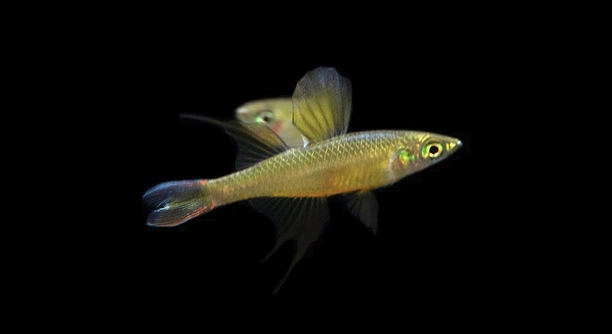
Moving Threadfin Rainbowfish can be tricky, especially if you want to keep them healthy and stress-free. These delicate fish need careful handling and proper preparation to ensure they adapt well to a new environment without harm.
When moving Threadfin Rainbowfish, avoid sudden temperature changes, overcrowding, rough handling, poor water quality, using inappropriate containers, prolonged transport, and mixing them with aggressive species. Each factor can cause significant stress or health issues if not properly managed.
Understanding these key precautions will help you protect your fish during relocation. Following the right steps ensures a smoother, safer transition to their new habitat.
Sudden Temperature Changes
Threadfin Rainbowfish are highly sensitive to temperature fluctuations. Moving them from one tank to another without gradually adjusting the water temperature can cause severe stress or even shock. Ideally, the new tank should be prepared in advance, with water temperature matching the original environment. Using a thermometer is essential to ensure accuracy, and introducing the fish slowly can help them acclimate. Even a difference of a few degrees can be dangerous. Avoid placing them directly into water that is warmer or cooler than what they are used to. Gentle handling and a calm environment during the transfer can further reduce stress. It’s also important to monitor the fish for any signs of distress, such as rapid gill movement or erratic swimming, which may indicate that the temperature is too extreme. Consistent, stable temperatures promote healthy adaptation and reduce the risk of illness in these sensitive fish.
Temperature control during the move ensures the fish remain healthy and stress-free. Gradual adjustment is crucial.
Maintaining a stable temperature is one of the simplest yet most effective steps to protect Threadfin Rainbowfish. Rapid changes can weaken their immune system, making them more susceptible to disease. By carefully adjusting water conditions, you provide a safe environment that supports their long-term well-being and comfort.
Overcrowding in Transport
Overcrowding can quickly overwhelm Threadfin Rainbowfish during transport.
Packing too many fish in a single container reduces oxygen levels and increases stress. Proper spacing ensures each fish has enough room to move and reduces aggressive interactions. Limiting the number of fish per container also helps maintain water quality.
When moving Threadfin Rainbowfish, always consider the size of the container relative to the number of fish. Overcrowding can cause rapid oxygen depletion, leading to breathing difficulties and increased waste buildup. Fish in cramped spaces may display erratic swimming or struggle to maintain balance. Using individual bags or smaller containers for larger groups can help mitigate these risks. Adding a small amount of water conditioner and keeping the containers in a stable, quiet environment will further protect the fish. Careful planning of transport reduces the chance of injury and stress, ensuring the fish arrive safely and can adjust smoothly to their new tank. Attention to container size and fish density is key for their survival and comfort.
Rough Handling
Threadfin Rainbowfish are delicate and can be injured easily. Using nets carelessly or shaking containers can cause physical damage and stress. Always handle them gently and avoid sudden movements.
Rough handling can lead to torn fins, bruising, or even internal injuries. When transferring fish, it’s better to use soft nets or cups, and support them carefully. Avoid grabbing fish with your hands directly unless absolutely necessary. Stress from mishandling can also weaken their immune system, making them more prone to disease. Minimizing physical contact and moving them slowly allows the fish to remain calm and healthy throughout the process.
Even careful transport can cause stress if the fish are jostled or dropped. Maintaining a steady, controlled environment during handling helps prevent injuries and ensures the fish adapt well to their new tank. Small, consistent movements make a noticeable difference in their overall well-being.
Poor Water Quality
Dirty or untreated water can harm Threadfin Rainbowfish quickly.
Water should be clean, properly filtered, and free of harmful chemicals before introducing the fish. Poor water quality can cause stress and disease, making it essential to check pH, ammonia, nitrite, and nitrate levels.
Transport containers must be filled with water that closely matches the original tank in quality. Using conditioned water and avoiding sudden changes in pH or hardness reduces the risk of shock. Even small amounts of chlorine or heavy metals can cause serious health problems. Regular testing and preparation ensure the fish remain safe during the move. Additionally, removing uneaten food and waste beforehand helps maintain oxygen levels and reduces toxins. Maintaining stable, clean water is one of the most important steps to protect the fish during relocation.
Using Inappropriate Containers
Threadfin Rainbowfish need secure, clean containers during transport. Avoid containers that are too small, sharp-edged, or poorly ventilated. Proper containers prevent injury and reduce stress.
Plastic bags or well-sealed buckets work best. Ensure the container has enough water and space for the fish to move without overcrowding.
Prolonged Transport
Extended transport can exhaust Threadfin Rainbowfish, increasing stress and vulnerability. Maintaining oxygen levels, stable temperature, and minimal movement is essential to prevent health problems.
Mixing with Aggressive Species
Aggressive tankmates can harm Threadfin Rainbowfish during relocation. Keep them separate to ensure safety and reduce stress.
FAQ
How long can Threadfin Rainbowfish survive outside their tank?
Threadfin Rainbowfish are sensitive to oxygen levels and temperature. Outside their tank, they can survive only a short period, usually under a few hours if properly contained. Using a well-oxygenated bag or bucket with stable temperature helps extend survival during short moves. Avoid leaving them out longer than necessary.
Can I use any water for transporting Threadfin Rainbowfish?
No, it’s important to match the transport water to the original tank as closely as possible. Use dechlorinated water with similar pH, hardness, and temperature. Sudden changes in water chemistry can shock the fish, weaken their immune system, and increase the risk of disease.
Is it safe to transport fish at night or during the day?
Transporting during cooler parts of the day is usually better, especially if the weather is hot. Nighttime can be safe if the temperature remains stable, but avoid exposing the fish to direct sunlight or rapid temperature changes. Consistent, moderate conditions reduce stress during the move.
Should I feed my fish before moving them?
It’s better not to feed fish 24 hours before transport. Uneaten food can foul the water quickly, reducing oxygen levels and increasing ammonia. A short fasting period keeps the water cleaner and lowers stress, making the fish less vulnerable to illness during transport.
How do I acclimate Threadfin Rainbowfish to a new tank?
Acclimation is crucial. Slowly introduce small amounts of new tank water to the transport container over 30–60 minutes. This helps the fish adjust to temperature and water chemistry differences. Gradual acclimation reduces stress and prevents shock, ensuring the fish settle safely into their new environment.
Can I move multiple fish together?
Yes, but avoid overcrowding. Too many fish in a single container reduces oxygen and increases stress. Use multiple bags or containers for larger groups, ensuring each has enough water and space. Overcrowding can lead to injuries and erratic behavior during transport.
What signs indicate my fish are stressed during the move?
Rapid gill movement, erratic swimming, hiding, or clamped fins indicate stress. Monitor the fish closely and keep the environment calm and stable. Avoid shaking or sudden movements, and maintain proper temperature and water quality to minimize stress.
Do I need special equipment for transporting Threadfin Rainbowfish?
Basic equipment like clean plastic bags, buckets, or containers works well. Use oxygen tablets or a portable aerator for longer trips. Thermometers help maintain stable temperatures. Soft nets or cups should be used for handling, minimizing physical stress during transfer.
Can aggressive tankmates travel with Threadfin Rainbowfish?
No, aggressive fish should be transported separately. Aggressive behavior can injure delicate Threadfin Rainbowfish, increasing stress and risk of disease. Keeping them separate ensures safety and allows all fish to adjust calmly to the new tank.
How do I prevent ammonia buildup during transport?
Avoid overpacking and do not feed fish before moving. Adding a small water conditioner that detoxifies ammonia can help for longer trips. Using clean water and keeping transport times short are key steps to prevent toxic conditions that can harm the fish.
Is temperature control more important than oxygen during transport?
Both are critical, but temperature swings are usually more dangerous for Threadfin Rainbowfish. Oxygen levels are essential, but a stable temperature reduces stress significantly. Use insulated containers, check water temperature regularly, and avoid direct sunlight or extreme heat.
Can I use ice packs to keep the water cool?
Only if necessary and done carefully. Ice packs can create cold spots and shock fish if not insulated properly. Wrap them in cloth and monitor water temperature. Aim for gradual, small adjustments rather than sudden cooling to protect the fish’s health.
How long should I wait before feeding fish in a new tank?
Wait at least 24 hours after moving. This allows the fish to acclimate and reduces stress. Feeding too early can pollute the water and increase the risk of illness. Observe behavior first to ensure the fish are adjusting properly.
Are Threadfin Rainbowfish more sensitive than other tropical fish?
Yes, they are particularly delicate. They are prone to stress from handling, temperature fluctuations, and poor water quality. Extra care during transport, acclimation, and handling ensures their health and helps them thrive in a new tank.
What is the best method to reduce stress during transport?
Use gentle handling, secure containers, stable water temperature, proper oxygen, and minimal overcrowding. Avoid sudden movements, loud noises, or drastic environmental changes. Each small step contributes to reducing stress and preventing illness, helping Threadfin Rainbowfish arrive safely.
This FAQ covers the most common concerns about moving Threadfin Rainbowfish safely and efficiently, helping ensure their well-being throughout the process.
Final Thoughts
Moving Threadfin Rainbowfish requires careful planning and attention to detail. These fish are delicate, and even small mistakes during transport can cause stress or injury. Preparing the new tank in advance, monitoring water quality, and using proper containers are all essential steps. It is important to handle them gently, avoid sudden temperature changes, and ensure the water conditions closely match their original environment. Taking time to plan the move, rather than rushing, makes a significant difference in how well the fish adjust. Each precaution, from container size to oxygen levels, contributes to their health and overall well-being.
Stress is one of the biggest challenges when relocating Threadfin Rainbowfish. Stress can weaken their immune system, leaving them more vulnerable to disease. Minimizing physical handling, maintaining stable water conditions, and limiting overcrowding all help reduce stress levels. Transport containers should be quiet and calm, and water should be treated to remove harmful chemicals. Even small steps, such as avoiding direct sunlight and keeping the temperature stable, play an important role in keeping the fish comfortable. Careful acclimation to the new tank is equally important. Slowly introducing water from the new environment helps the fish adjust to differences in temperature, pH, and hardness without shock.
Overall, moving Threadfin Rainbowfish successfully comes down to preparation, patience, and attention to their needs. By following proper handling techniques, maintaining water quality, and controlling environmental factors, you can reduce stress and ensure their health during relocation. Avoiding overcrowding, keeping aggressive fish separate, and monitoring behavior throughout the move are also key steps. While it may seem like a lot to manage, each measure contributes to a smoother transition. With careful planning, Threadfin Rainbowfish can safely adapt to a new tank and continue to thrive, allowing you to enjoy a healthy and vibrant aquatic environment.

Hello,
If you enjoy the content that we create, please consider saying a "Thank You!" by leaving a tip.
Every little bit helps us continue crafting quality advice that supports the health, happiness, and well-being of pets around the world, for pets of all shapes, sizes, and species.
We really appreciate the kindness and support that you show us!