
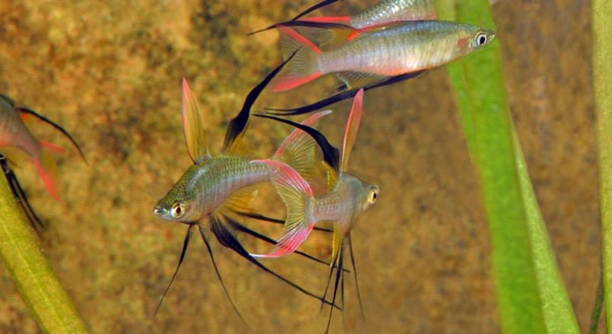
Do you enjoy observing the vibrant colors of Threadfin Rainbowfish in your aquarium but notice them darting suddenly at times? These delicate fish have a unique sensitivity to their surroundings and respond quickly to unexpected movements. Their natural alertness keeps them safe in the wild and influences how they behave in home tanks. Watching their interactions can reveal fascinating insights into their instincts and daily activities.
Threadfin Rainbowfish often exhibit startled responses when encountering reflections. This behavior is primarily driven by their territorial instincts and visual sensitivity, causing them to perceive their reflection as another fish. Sudden movements or changes in light intensity can amplify this reaction.
Understanding why these fish react to reflections can improve your aquarium setup and help reduce stress. Observing their behavior more closely offers a deeper appreciation of their natural instincts and needs.
Why Reflections Startle Threadfin Rainbowfish
Reflections can confuse Threadfin Rainbowfish because their natural instincts interpret mirrored images as other fish. In home aquariums, glass walls and shiny surfaces create reflections that may trigger quick movements or sudden darting. This response is common in smaller tanks, where the fish have limited space to escape or establish territory. Stress from repeated encounters with reflections can affect their feeding patterns and overall health. Adjusting lighting and tank placement helps reduce the intensity of reflections, giving the fish a calmer environment. Over time, Threadfin Rainbowfish may become slightly accustomed to seeing their reflection, but they will usually remain alert to sudden changes. Observation is key to understanding their reactions. By recognizing triggers, it is possible to create an environment that balances their natural instincts with a peaceful home setting. Tank decorations, plants, and floating objects can also break up reflections and provide hiding spots for comfort.
Controlling reflections ensures the fish remain calm and healthy, making the aquarium experience more enjoyable and visually appealing.
Adding soft backgrounds or frosted glass in the tank can reduce reflections significantly. This approach gives the fish a sense of security while maintaining visibility for observation.
How to Minimize Stress from Reflections
Using tank backgrounds or repositioning the aquarium can reduce the impact of reflections on Threadfin Rainbowfish. Limiting direct light and avoiding highly reflective surfaces decreases sudden movements caused by mirrored images.
It is also important to arrange plants, rocks, and decorations strategically within the tank. Dense areas allow the fish to retreat and feel safe when startled by reflections. Floating plants can diffuse light, further minimizing reflection effects. Observing the fish during feeding and playtime can help identify areas that cause the most stress. A consistent routine, including stable lighting and minimal sudden disturbances, contributes to lower stress levels. Gradually, the fish will learn to navigate the tank more confidently. Avoid placing the aquarium near windows or mirrors where changing light patterns can intensify reflections. Regular monitoring and adjustments ensure the fish maintain normal behavior and health. Providing hiding spots not only reduces reflection-related stress but also supports natural exploration and social interactions, creating a more comfortable environment for your Threadfin Rainbowfish.
Common Triggers for Startled Behavior
Reflections are not the only cause of sudden movements in Threadfin Rainbowfish. Rapid changes in light, loud noises near the tank, and sudden water disturbances can also trigger quick, darting reactions. Awareness of these triggers helps maintain a calmer environment.
Threadfin Rainbowfish rely heavily on visual cues to sense their surroundings. Even minor shadows or sudden movements outside the tank can be interpreted as potential threats. Tankmates that swim quickly or compete for food may also provoke startled reactions. Recognizing these triggers allows for better tank management, such as arranging plants to block sudden motions or using gentle feeding methods. Observing their behavior carefully helps identify patterns, enabling adjustments that reduce stress. A consistent environment with minimal sudden changes encourages natural swimming and calmer interactions among the fish.
Providing hiding spots and using plants or decorations strategically can significantly reduce stress. This allows the fish to feel secure and less reactive. Regular observation of their behavior helps identify new triggers.
Adapting Your Aquarium Setup
Positioning the aquarium away from direct sunlight and reflective surfaces minimizes sudden visual disturbances that trigger startled behavior. Soft lighting and stable tank placement contribute to calmer fish.
Decorating the tank with live plants, driftwood, or rocks creates natural barriers that diffuse reflections and offer retreats. Floating plants or background panels can reduce direct exposure to sudden visual changes, while varied textures encourage exploration. Consistency in feeding times, water temperature, and light cycles also helps the fish adapt to their environment. Adjusting the layout gradually, rather than making abrupt changes, allows Threadfin Rainbowfish to acclimate comfortably. Observing their swimming patterns and interactions with tankmates provides insights into which areas may still cause stress. By maintaining a predictable and enriched habitat, the fish remain healthier, less reactive, and more visually vibrant.
Visual Sensitivity of Threadfin Rainbowfish
Threadfin Rainbowfish have highly developed eyesight, which helps them detect movements and potential threats quickly. This sensitivity makes them more likely to react to reflections or sudden changes in light within their aquarium environment.
Even minor disturbances, like shadows from room activity or moving decorations, can provoke rapid movements. Their alertness is a natural defense mechanism, helping them navigate and survive in both wild and captive settings.
Impact on Feeding Behavior
Startled responses can interfere with feeding, as sudden reflections or movements may cause fish to hide or hesitate. Fish may avoid certain areas during feeding times if they feel exposed or threatened. Maintaining a calm environment and minimizing reflections ensures they eat consistently and maintain proper nutrition.
Adjusting Tank Lighting
Soft, indirect lighting reduces sudden glare and reflections, helping Threadfin Rainbowfish remain calm. Avoiding strong direct lights near the tank is key to minimizing stress.
FAQ
Do Threadfin Rainbowfish always get startled by reflections?
Not always. The response depends on the individual fish, tank size, and the intensity of reflections. Some may react frequently, while others might only show brief signs of alertness. Over time, they can become slightly accustomed to seeing their reflection, though sudden movements or bright light may still trigger reactions. Consistent observation helps determine how sensitive each fish is.
Can reflections cause long-term stress in Threadfin Rainbowfish?
Yes, repeated exposure to reflections can lead to chronic stress, which may affect feeding, growth, and overall health. Fish under stress may hide more often or become less active. Introducing tank decorations, plants, and hiding spots can reduce exposure and create a more secure environment for the fish. Gradual adjustments to lighting and placement further lower stress levels.
How can I tell if my fish is stressed by reflections?
Signs include rapid darting, hiding, clamped fins, or refusal to feed. Watch for changes in swimming patterns, as stressed fish often avoid open areas or swim frantically near tank walls. Consistent monitoring allows you to identify triggers and make adjustments that reduce stress, such as moving reflective objects away from the tank or rearranging decor to create natural barriers.
Will reducing tank light completely stop startled behavior?
Reducing light helps but does not completely eliminate reactions. Threadfin Rainbowfish rely on visual cues to detect movement and potential threats, so some startle responses may persist. Using soft, indirect lighting and minimizing reflections is more effective than turning off light entirely. Combining lighting adjustments with tank decorations provides a safer environment without depriving fish of necessary light for health and activity.
Do other fish in the tank affect their reaction to reflections?
Yes, tankmates can influence behavior. Fast-swimming or territorial species may increase alertness, making Threadfin Rainbowfish more likely to react to reflections. Maintaining compatible species and observing interactions is important. Dense plants or hiding spots allow all fish to retreat, reducing stress and providing a calmer, balanced environment.
Are certain tank setups better for preventing startled behavior?
Larger tanks with well-placed plants, rocks, and decorations help diffuse reflections and provide retreat areas. Background panels or frosted glass reduce mirrored surfaces. Avoid placing the tank near windows or shiny surfaces where changing light patterns can create strong reflections. Gradual adjustments to tank layout encourage adaptation without causing additional stress.
Can feeding routines reduce startle responses?
Yes, consistent feeding schedules and methods can help. Fish feel safer when their environment is predictable. Feeding in the same area while minimizing sudden movements helps them associate regular activity with safety rather than threat. Offering hiding areas near feeding spots allows timid fish to eat without stress.
Do reflections affect breeding behavior?
Reflections can disrupt courtship and spawning, as fish may mistake their reflection for rivals. Providing plenty of plants and secluded areas helps reduce interference and allows natural breeding behaviors. Minimizing reflections during breeding periods ensures healthier eggs and fry development.
How quickly can Threadfin Rainbowfish adapt to reflections?
Adaptation varies by individual. Some fish adjust within days, while others remain sensitive for weeks. Gradual exposure, calm surroundings, and consistent care help them become more confident. Patience is key, as forcing sudden changes can increase stress and worsen reactions.
Is it ever necessary to cover parts of the tank to manage reflections?
Yes, partial coverings or tank backgrounds can block strong reflections and provide secure zones. This approach is especially useful in smaller tanks or brightly lit rooms. Using natural materials like plants and driftwood as visual barriers creates a more comfortable habitat while maintaining aesthetic appeal.
Do reflections affect social interactions among Threadfin Rainbowfish?
Yes, fish may perceive their reflection as a rival, leading to aggression or territorial displays. Observing social behavior and reducing reflections with plants or backgrounds can minimize conflict, allowing fish to focus on normal interactions and cooperative schooling rather than reacting to mirrored images.
Can stress from reflections impact their coloration?
Chronic stress may dull their vibrant colors. Healthy, calm fish display brighter hues. By managing reflections, maintaining consistent lighting, and providing a secure environment, their natural coloration can be preserved, enhancing both their appearance and overall well-being.
Are there tools or products to reduce reflection-related stress?
Yes, frosted backgrounds, aquarium films, and floating plants are effective. Soft lighting systems and opaque tank sides can also minimize mirrored surfaces. These tools, combined with careful tank arrangement, help create a stable, low-stress environment that supports normal behavior and health.
Do reflections affect juvenile Threadfin Rainbowfish differently than adults?
Juveniles tend to be more sensitive because they are smaller and less experienced in assessing threats. They may hide more often or react more sharply. Providing dense planting, secure hiding spots, and gentle light exposure helps young fish adapt safely to reflections as they grow.
Is observation enough to manage reflection stress, or are interventions necessary?
Observation is crucial but often needs to be paired with practical interventions. Adjusting tank placement, lighting, and decorations, along with providing consistent routines, ensures the fish remain calm and healthy. Observing behavior guides effective measures without overhauling the entire setup abruptly.
Final Thoughts
Threadfin Rainbowfish are naturally alert and sensitive fish, which makes them highly responsive to their environment. Reflections, sudden light changes, and quick movements often trigger startle responses. While these reactions may seem dramatic, they are part of the fish’s natural survival instincts. In an aquarium, managing these factors can help create a calmer environment. Proper tank setup, careful placement of decorations, and consistent lighting all contribute to reducing unnecessary stress. Over time, observing how each fish reacts allows for small adjustments that improve overall comfort. Understanding that their reactions are instinctive, rather than unusual behavior, makes it easier to respond appropriately and provide suitable conditions for their well-being.
Creating a secure habitat is essential for the health of Threadfin Rainbowfish. Tank size, layout, and decor influence how the fish interact with reflections and other stimuli. Adding plants, rocks, and hiding spots provides shelter and helps diffuse light, which minimizes startling reflections. Soft, indirect lighting also supports a calmer environment. Maintaining a predictable routine, including regular feeding times and minimal sudden disturbances, allows the fish to feel more confident in their surroundings. Careful observation is key; noticing signs of stress or discomfort early allows for quick adjustments. Gradually, fish can adapt to minor reflections and environmental changes without experiencing prolonged stress, improving both their behavior and appearance.
Managing reflections and environmental stressors is part of responsible fishkeeping. Small changes, such as repositioning the tank away from windows or using frosted backgrounds, can significantly reduce startled behavior. Monitoring interactions between tankmates and ensuring compatible species coexist peacefully also lowers stress. Providing natural hiding spots encourages exploration while giving fish a sense of security. By understanding their visual sensitivity and natural instincts, it is possible to create a balanced and harmonious aquarium environment. Attentive care, combined with adjustments to lighting, decor, and tank placement, helps Threadfin Rainbowfish thrive, display their vibrant colors, and exhibit more natural, relaxed behaviors over time.

Hello,
If you enjoy the content that we create, please consider saying a "Thank You!" by leaving a tip.
Every little bit helps us continue crafting quality advice that supports the health, happiness, and well-being of pets around the world, for pets of all shapes, sizes, and species.
We really appreciate the kindness and support that you show us!