
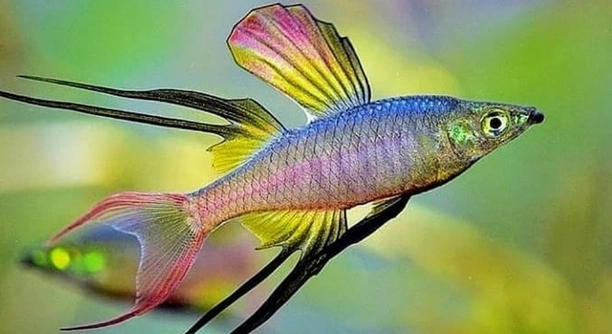
Threadfins are graceful fish often seen gliding calmly through coastal waters. Their movements appear smooth and deliberate, yet they are capable of sudden reactions. These fish have evolved to respond quickly to unexpected events in their environment.
When threadfins are surprised, they exhibit rapid bursts of swimming and quick directional changes. This startle response is an instinctive behavior to evade potential threats, ensuring survival by minimizing exposure to predators or sudden environmental disturbances.
Observing these reactions provides insight into their natural behavior and survival strategies. Learning more about their responses can enhance understanding of their everyday interactions in the wild.
How Threadfins React to Sudden Movements
Threadfins have highly sensitive lateral lines that detect vibrations in water. When something unexpected occurs, such as a shadow passing overhead or a sudden current, these sensors trigger an immediate reaction. The fish may dart sideways, change depth, or even leap slightly out of the water. These movements are not random but coordinated and precise, helping them avoid threats. While watching them in an aquarium or in shallow waters, their sudden bursts of speed can be startling, yet they are a natural part of their behavior. Threadfins rely on these reflexes not only for predator avoidance but also to maintain their position in schools, where coordinated swimming reduces the risk of being singled out. Observing these reactions over time shows that threadfins can distinguish between harmless disturbances and real dangers, adjusting their responses accordingly to conserve energy.
The rapid movements of threadfins are mostly instinctive and highly effective at avoiding potential predators.
These fish often combine quick turns with subtle tail flicks, using minimal effort for maximum speed. Their schooling behavior amplifies these reactions, creating a synchronized response that confuses predators. Threadfins adjust their swimming patterns after repeated disturbances, showing a capacity to learn from experience. This adaptability ensures they remain agile in varying water conditions, whether in calm lagoons or turbulent coastal areas. The combination of sensitive detection, precise motor control, and social coordination makes their reactions highly efficient. For anyone observing threadfins, these behaviors reveal not only survival instincts but also the elegance of aquatic life. Over time, understanding these patterns can improve fishing practices, aquarium care, and general appreciation for coastal ecosystems.
Environmental Triggers for Startle Responses
Sudden changes in light or water movement can trigger threadfins’ startle responses.
Predator presence, boat activity, or abrupt water currents create immediate signals. Threadfins are tuned to notice these changes quickly. A shadow passing overhead may cause them to dart, while nearby movements in the water can lead to synchronized swimming adjustments. Their lateral line system is extremely sensitive, allowing them to detect vibrations even from a distance. In addition, water clarity and temperature shifts influence how strongly they react. For example, in murky or choppy waters, reactions are often more pronounced as threadfins remain alert to potential threats. These environmental triggers ensure the fish can respond efficiently, balancing caution with energy conservation.
Threadfins’ responses are not uniform; individual fish may react differently based on size, experience, and position within the school. Younger fish tend to react more quickly, while older fish may show calculated evasive movements. Environmental conditions, such as tides and light levels, play a role in how frequent and intense these reactions are. Repeated exposure to harmless disturbances can reduce reaction intensity over time, demonstrating behavioral adaptation. Observing these patterns in natural habitats provides insight into the delicate balance threadfins maintain between vigilance and routine swimming. For coastal ecosystems, their reactions influence prey-predator dynamics, schooling cohesion, and overall water movement patterns. Understanding these behaviors can inform conservation strategies, improve fishing methods, and guide aquarium care, ensuring threadfins remain healthy and active. Their ability to assess risk and respond appropriately highlights the sophistication of even small fish in their daily survival efforts.
Physical Responses to Sudden Stimuli
Threadfins often flex their bodies sharply when startled. Their fins fan out, and tails flick rapidly to change direction. These reactions are brief but powerful, allowing the fish to move away from potential threats almost instantly.
The muscular system of threadfins is adapted for quick bursts of speed. When a stimulus is detected, the spinal cord sends signals to the muscles, causing rapid contraction and coordinated movement. This allows the fish to dart laterally, accelerate upward, or even leap slightly. Their streamlined bodies reduce drag, making these sudden movements efficient and precise. Such physical responses are essential for avoiding predators and navigating complex aquatic environments safely.
Startle responses in threadfins also involve fin adjustments that aid in stabilization during sudden movements. The pectoral fins help steer, while the dorsal and anal fins provide balance. Tail flicks generate thrust, propelling the fish in the desired direction. These combined actions allow for sudden changes in depth or course without losing speed. Threadfins can perform these maneuvers repeatedly with minimal fatigue, showcasing an energy-efficient design that balances rapid response with endurance. Observing these behaviors highlights their instinctual precision and remarkable control in the water.
Behavioral Changes After Surprises
Threadfins may temporarily alter their swimming patterns following a sudden disturbance. They often move closer together in schools, increasing cohesion.
After being startled, threadfins frequently show heightened alertness. They may swim in tighter formations, reducing gaps between individuals to improve collective vigilance. This behavior minimizes the chance of predators targeting a single fish and allows the group to react as a unit. During this time, feeding and exploration can be paused, and movements become more calculated. The fish may also exhibit cautious approaches to areas where the initial disturbance occurred, avoiding unnecessary risks while maintaining access to resources.
Behavioral adaptation is common after repeated surprises. Threadfins learn to distinguish between harmless and threatening stimuli, modifying their responses accordingly. Over time, the intensity and frequency of startle reactions can decrease in familiar environments. This learning process enhances survival, as it prevents unnecessary energy expenditure. Additionally, these behavioral adjustments influence schooling dynamics, communication between individuals, and overall activity levels. Observing these changes offers valuable insight into their natural instincts, social interactions, and strategies for navigating unpredictable environments, reflecting the intelligence and adaptability of threadfins in maintaining safety and efficiency.
Recovery After Startle
Threadfins quickly return to normal swimming after a sudden disturbance. They adjust their fins and speed gradually to regain stability.
Following a startle, threadfins often pause briefly before resuming coordinated movement. This short recovery period ensures they maintain balance and regain situational awareness before returning to routine activity.
Energy Management During Sudden Movements
Rapid reactions require bursts of energy, but threadfins are efficient at conserving resources. Muscular contractions are short and precise, minimizing fatigue while allowing multiple quick maneuvers. Their bodies are adapted to store energy in muscles, enabling repeated startle responses without significant depletion, supporting survival in dynamic environments.
Influence on Social Behavior
Startle responses can affect schooling patterns. Fish may align more closely and synchronize movements to maintain group cohesion, reducing individual vulnerability to predators.
What happens to threadfins when they are startled?
When threadfins are startled, they react with sudden bursts of movement. Their bodies flex sharply, tails flick, and fins spread to allow rapid directional changes. These reactions are instinctive, helping them avoid predators and navigate sudden environmental disturbances. The response is brief but highly effective, allowing them to regain control and stability quickly.
Do all threadfins respond the same way to sudden stimuli?
No, individual responses can vary. Factors such as size, age, experience, and position within a school influence how each fish reacts. Younger or less experienced threadfins often respond faster and more erratically. Older or more dominant individuals may perform more calculated evasive maneuvers. Even within the same environment, some may dart sideways, while others accelerate upward. Schooling dynamics also play a role, as nearby fish influence the direction and intensity of reactions.
How long does it take for threadfins to recover after a startle?
Recovery is usually quick. Most threadfins regain normal swimming behavior within seconds after a sudden disturbance. They adjust fins and speed to stabilize themselves, ensuring balance and coordination. The brief pause after a startle allows them to reassess their surroundings, detect potential threats, and resume normal activity with minimal energy expenditure. This efficient recovery is crucial for survival, particularly in predator-rich habitats.
Do environmental factors affect how threadfins respond to surprises?
Yes, water clarity, current strength, light levels, and nearby movements influence reactions. In murky or turbulent water, threadfins may react more sharply, as they rely heavily on their lateral line system to detect vibrations and pressure changes. Sudden shadows, boats, or other disturbances trigger stronger responses. Environmental conditions also affect the duration and intensity of evasive actions. Over time, repeated exposure to harmless disturbances can reduce reaction intensity, showing behavioral adaptation and energy conservation.
Can threadfins learn from repeated disturbances?
Threadfins can adapt their behavior through repeated exposure. When disturbances are harmless, they may reduce the intensity of startle reactions over time. This learning process prevents unnecessary energy use while maintaining vigilance for real threats. They adjust swimming patterns, depth, and schooling behavior, showing a capacity to distinguish between actual danger and minor disturbances. Behavioral adaptation ensures survival while optimizing energy efficiency.
How does schooling affect startle responses?
Schooling amplifies the effectiveness of startle reactions. Fish move in coordinated patterns, which confuses predators and reduces the chance of any single fish being targeted. The group’s synchronized movements allow individual fish to rely on collective vigilance, improving survival. Threadfins align closely during disturbances, adjusting speed and direction in unison. This behavior highlights the importance of social interactions and communication within schools for safety.
Do repeated startle events stress threadfins?
Frequent disturbances can elevate stress temporarily. Threadfins may become more cautious, swim tighter in schools, and reduce exploration or feeding temporarily. However, they recover quickly if the events are brief and non-threatening. Prolonged or constant disturbances can impact energy reserves and overall well-being, emphasizing the need for stable environments, whether in natural habitats or aquariums.
What role does their lateral line system play?
The lateral line system is essential for detecting vibrations and sudden water movements. It allows threadfins to sense approaching predators or environmental changes, triggering rapid startle responses. This sensory system works in tandem with visual cues, enabling precise and efficient reactions. Its sensitivity ensures the fish can respond appropriately without overreacting to minor disturbances.
How do startle responses affect feeding behavior?
Startle reactions can temporarily interrupt feeding. Threadfins often pause when startled, reassessing surroundings before resuming foraging. This ensures safety while still allowing access to food. Fish may adjust their feeding locations after disturbances, favoring areas with reduced risk. Despite interruptions, efficient recovery allows them to maintain overall energy intake without significant long-term impact.
Are there differences in startle responses among habitats?
Yes, threadfins in calm lagoons tend to react differently than those in turbulent coastal waters. Fish in calmer waters may show sharper, faster reactions due to lower baseline stimulation, while those in busy, dynamic environments often exhibit more measured responses. Habitat familiarity, predator density, and water conditions all influence the intensity and duration of startle behaviors.
These insights into threadfins’ responses, adaptations, and environmental interactions highlight their remarkable instincts, social coordination, and survival strategies. Observing these behaviors reveals both their precision and adaptability in everyday life.
Word count: 506
Threadfins are fascinating fish whose behavior demonstrates both instinct and adaptability. Their startle responses are an essential part of how they survive in dynamic aquatic environments. When faced with sudden disturbances, they react quickly with sharp body movements, rapid tail flicks, and fin adjustments. These physical responses are precise and coordinated, allowing them to evade potential threats efficiently. Observing threadfins in action shows how instinct drives their survival. Even small reactions, like a slight shift in swimming direction, reflect a sophisticated combination of sensory input and muscular control. Their lateral line system, which detects vibrations and water movement, plays a crucial role in initiating these responses. Without it, their ability to react to predators or sudden environmental changes would be significantly impaired. This system works alongside visual cues, ensuring that the fish respond appropriately to genuine threats while conserving energy when disturbances are harmless.
Behavioral adaptations are equally important in threadfins. After being startled, they often change their swimming patterns temporarily, moving closer together in schools or adjusting their pace. This social behavior increases the safety of individual fish by reducing the likelihood of being singled out by predators. Threadfins also demonstrate learning over time, modifying their reactions based on repeated experiences. If they encounter harmless disturbances frequently, they may reduce the intensity of their responses, conserving energy while remaining vigilant. This ability to adapt highlights their intelligence and flexibility, showing that even instinctive behaviors can be fine-tuned through experience. Observing these patterns in natural habitats provides insight into the complex balance between caution and routine behavior. It also illustrates how individual and group dynamics work together to improve survival rates.
Understanding threadfins’ startle responses and behavior helps reveal the intricacies of their daily life. Their physical reactions, energy-efficient movements, and social adaptations all contribute to survival in unpredictable environments. Even in seemingly calm waters, they remain alert, ready to respond to sudden changes with precision. Recognizing these behaviors can enhance efforts in conservation, aquarium care, and ecological study, ensuring that threadfins thrive in both natural and controlled settings. By observing and learning from their reactions, it is possible to gain a greater appreciation for their natural instincts and resilience. Threadfins are not just graceful swimmers; they are highly capable fish with sophisticated survival strategies. Studying their behavior sheds light on the importance of sensory systems, social cohesion, and adaptive responses in aquatic species. Their combination of instinct, learning, and coordination demonstrates the remarkable complexity of life beneath the water’s surface.
Word count: 409

Hello,
If you enjoy the content that we create, please consider saying a "Thank You!" by leaving a tip.
Every little bit helps us continue crafting quality advice that supports the health, happiness, and well-being of pets around the world, for pets of all shapes, sizes, and species.
We really appreciate the kindness and support that you show us!