
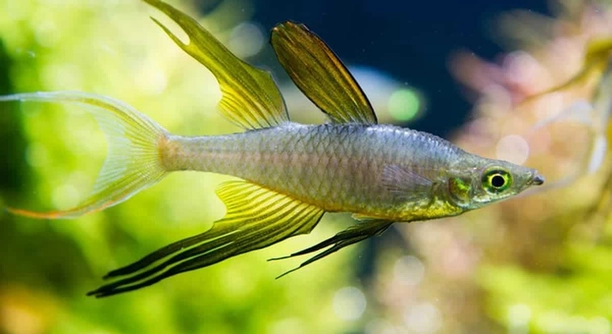
Have you ever noticed the colorful and graceful movements of threadfin rainbowfish and wondered how their behavior might change during the breeding season? These delicate fish often reveal fascinating habits when it comes to mating and territory.
Threadfin rainbowfish can display mild territorial behavior during mating, especially males competing for female attention. This usually involves chasing or guarding specific areas within the tank. However, their territorial tendencies remain relatively gentle compared to more aggressive fish species.
Understanding their behavior during this time helps create a balanced aquarium environment that supports healthy interactions and reduces unnecessary stress for these beautifully delicate fish.
Territorial Behavior in Threadfin Rainbowfish
During mating, male threadfin rainbowfish may become more assertive, especially when competing for females. They can be seen chasing rivals and defending small areas within the aquarium. While this behavior may seem aggressive, it is generally harmless compared to species with stronger territorial instincts. Their actions are mostly short-lived and linked to breeding activity, rather than a constant pattern. Providing enough space and plants helps reduce stress, giving males areas to display their fins and court females without constant conflict. This balance is key to keeping their behavior natural yet manageable during the breeding period.
Males often show off their fins in front of females, using gentle chases as part of courtship. These behaviors are more about display than harm, and aggression rarely escalates beyond brief encounters.
Keeping multiple males together during mating season can heighten displays, but the presence of plants and open space ensures these interactions remain controlled and balanced.
Creating the Right Tank Environment
Threadfin rainbowfish thrive when their environment supports their natural breeding behavior. A tank with plenty of plants, hiding spots, and gentle currents helps minimize stress. It also reduces tension between males, making territorial actions less noticeable.
A well-planned aquarium setup encourages healthy interactions and reduces the need for dominance. Dense vegetation, such as fine-leaved plants, provides safe areas for females and fry, while open swimming space allows males to display without constant clashes. Water quality should remain stable, as stress from poor conditions can amplify territorial responses. Keeping groups balanced in number also lessens competitive behavior. Observing their courtship rituals in the right setup can be rewarding, showcasing the natural beauty of these delicate fish without unnecessary stress or harm. By creating an environment that mimics their natural habitat, you ensure that their territorial behaviors remain subtle and manageable, while still allowing their unique mating displays to shine through.
Signs of Territorial Behavior
Males often chase one another in short bursts, flaring their fins as a display. These interactions are more about showing dominance than causing harm, and they rarely escalate into anything that physically damages the fish.
Threadfin rainbowfish tend to focus their territorial actions around specific areas, often near plants or open spaces they claim during mating. Males will guard these spots while performing courtship displays, aiming to attract females. The displays may include fin flicking, body shimmers, and frequent circling near chosen areas to show control and appeal.
While their behavior can seem aggressive at first, threadfin rainbowfish rarely fight to the point of injury. Instead, their territorial actions are more ritualized, relying heavily on visual displays. These behaviors usually stop once the breeding period ends, returning them to their usual peaceful nature. This makes them easier to manage compared to other territorial fish species.
Reducing Stress in the Aquarium
Stress can increase territorial reactions, so maintaining good conditions is essential. Proper water parameters, stable temperature, and clean surroundings prevent unnecessary conflict, helping males remain focused on natural displays instead of constant competition.
Adding plenty of plants creates natural barriers that help males avoid direct competition. Fine-leaved plants, floating cover, and open swimming areas strike a balance between shelter and display space. Group size also matters, as too many males competing for limited females may increase chases. Careful tank design reduces stress, ensures successful breeding, and highlights the beauty of their natural courtship displays.
Male and Female Interactions
Males often compete for female attention through fin displays and short bursts of chasing. Females respond by choosing the most vibrant or persistent males, which encourages stronger displays but rarely causes any lasting conflict or stress.
During mating, females may retreat to plants or shaded areas when males become persistent. This behavior is natural and helps them manage attention while still engaging in the process of selecting a mate for spawning.
Importance of Tank Size
A larger tank helps reduce tension by giving each male space to display without constant clashes. Smaller tanks often intensify interactions, making males compete more aggressively. Providing enough swimming room ensures their territorial actions stay mild and manageable during the breeding period.
Natural Courtship Displays
Threadfin rainbowfish courtship is often peaceful and beautiful to watch. Males shimmer their bodies, flick their fins, and swim in patterns designed to capture female attention, turning territorial behavior into a natural part of their mating process.
What triggers territorial behavior in threadfin rainbowfish?
Territorial behavior is usually triggered by the presence of other males and the mating season. Males compete for female attention by claiming specific areas in the tank. The behavior can be intensified if the tank is small or lacks enough plants and hiding spots. In a well-planted, spacious tank, males can display without constant conflict, keeping interactions relatively peaceful. Their actions are more about showing dominance and attracting mates than causing harm.
How aggressive are threadfin rainbowfish during mating?
Threadfin rainbowfish are considered mildly territorial. Males may chase rivals, flare their fins, and guard specific spots, but physical harm is rare. Their aggression is mostly visual and ritualized, serving to establish dominance and impress females. It rarely escalates into fights that can injure fish. These displays are brief, and once males secure a preferred area or female attention, the intensity usually decreases. Even in groups, aggression is manageable with proper tank size and sufficient hiding spaces.
Do females show territorial behavior too?
Females are generally less territorial than males. They may retreat to plants or shaded areas to avoid persistent male attention, but they do not typically chase or guard specific areas. Their behavior is focused on managing interactions and selecting a suitable mate. This retreat helps balance the tank dynamics, allowing males to display without constant escalation and ensuring that females can spawn safely and without stress.
How can I manage territorial disputes in a home aquarium?
To reduce territorial conflicts, provide a tank with plenty of swimming space and plant cover. Floating plants, tall stems, and open areas allow males to display while giving females refuge. Avoid overcrowding males, as too many competing for limited females can increase chasing. Maintaining stable water parameters and clean conditions also minimizes stress, which can trigger more aggressive displays. Grouping males and females in appropriate ratios ensures natural behavior without prolonged disputes.
Are there signs that territorial behavior is becoming a problem?
Signs include constant chasing, torn fins, or hiding for long periods. While brief displays are normal, persistent aggression may stress the fish and impact health. Monitoring interactions closely and adjusting tank layout or group composition can help prevent problems. Adding more plants or increasing tank size can diffuse tension and keep displays peaceful.
Do environmental factors influence territoriality?
Yes, water temperature, current, and tank structure affect behavior. Stable water conditions reduce stress, which in turn keeps aggression mild. Strong currents may encourage males to defend certain areas more vigorously, while well-structured tanks with plants and hiding spaces create natural boundaries that lower conflict. Light intensity and feeding locations can also subtly affect interactions, as males may defend high-traffic areas.
Can juvenile fish display territorial behavior?
Juveniles typically do not show strong territorial behavior. As they mature, males gradually begin displaying dominance behaviors during mating periods. Observing their growth and separating overly aggressive juveniles when needed can prevent early stress or injury in the tank. These displays become more pronounced as they reach sexual maturity.
How long does territorial behavior last during mating?
Territorial displays are usually temporary, peaking during mating and declining once eggs are laid or courtship ends. Outside the breeding period, threadfin rainbowfish return to their naturally peaceful behavior. Males may occasionally flare at rivals, but the intensity and frequency are much lower than during mating season.
Does tank size affect territorial behavior?
Smaller tanks amplify chasing and competition since males have less space to display and females have fewer places to hide. Larger tanks reduce stress and keep displays controlled, allowing multiple males to coexist without constant confrontation. Adequate space is critical for maintaining a peaceful, healthy environment during breeding.
Are certain tank setups better for controlling territorial aggression?
Yes, a combination of open swimming areas and dense plant cover is ideal. Plants provide shelter for females and juveniles, while open spaces let males display naturally. Adding floating plants and strategically placing decorations can break sight lines, lowering competition and keeping aggression brief and ritualized. Proper tank design is key to managing behavior effectively.
This FAQ section offers practical insight into managing the subtle territorial behavior of threadfin rainbowfish. Understanding triggers, observing interactions, and adjusting the environment can help maintain a peaceful and healthy breeding tank.
Word count: 525
Threadfin rainbowfish are fascinating fish with gentle personalities, yet they exhibit mild territorial behavior during mating. Observing these interactions can be rewarding, as males display their fins, shimmer their bodies, and perform brief chases to attract females. These behaviors are mostly ritualized and visual, serving more to establish dominance than to cause harm. Understanding this helps in creating a tank environment that supports their natural instincts without increasing stress. By recognizing that territorial behavior is temporary and tied to breeding, you can better manage interactions in the aquarium and ensure the fish remain healthy and balanced.
Providing a proper tank setup is essential for minimizing unnecessary aggression. A larger tank with plenty of plants and hiding spots allows males to display without constant competition. Floating plants, tall stems, and open swimming areas create natural boundaries that reduce tension. Stable water conditions, proper temperature, and clean surroundings are also crucial, as stress can intensify aggressive behaviors. When tank conditions are appropriate, males perform courtship displays in a controlled manner, and females can select mates safely. Balancing the number of males and females also helps prevent excessive chasing, keeping the overall environment peaceful.
It is important to remember that territorial behavior in threadfin rainbowfish is a natural part of their reproductive cycle. These displays are brief, mostly harmless, and decrease once mating concludes. By observing their interactions carefully and adjusting the environment when needed, you can ensure the fish thrive in the aquarium. Providing ample space, proper plant cover, and a stable tank environment supports healthy social dynamics and allows their unique behaviors to be enjoyed without worry. With the right setup, threadfin rainbowfish exhibit natural beauty, maintain peaceful interactions, and remain a rewarding species to care for in a home aquarium.
Word count: 408

Hello,
If you enjoy the content that we create, please consider saying a "Thank You!" by leaving a tip.
Every little bit helps us continue crafting quality advice that supports the health, happiness, and well-being of pets around the world, for pets of all shapes, sizes, and species.
We really appreciate the kindness and support that you show us!