
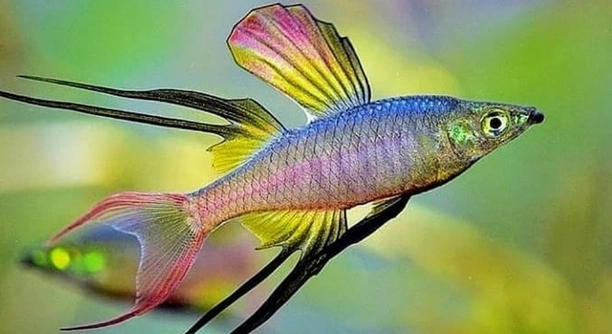
Are your threadfin tanks showing signs of cloudy water or unusual odors despite regular maintenance? Maintaining a clean environment can feel overwhelming, but small adjustments can make a noticeable difference in water quality over time.
Improving threadfin water quality involves implementing simple, consistent changes in feeding routines, filtration, aeration, and tank hygiene. Each adjustment targets specific water parameters, reducing pollutants, stabilizing oxygen levels, and promoting healthier aquatic conditions for long-term fish well-being.
These small steps may seem minor, yet their combined impact significantly enhances the aquatic environment for your threadfin, supporting both their health and your enjoyment of a well-maintained tank.
Adjust Feeding Practices
Overfeeding is a common issue that can quickly degrade water quality. Threadfin fish require small, frequent meals rather than large portions. Uneaten food decomposes in the tank, producing excess ammonia and other harmful compounds that cloud the water. By carefully measuring daily feedings and observing your fish’s consumption, you can prevent nutrient overload while still supporting healthy growth. Switching to sinking pellets or slow-release feeds helps minimize surface waste, especially in tanks with active or aggressive eaters. Additionally, spacing meals throughout the day ensures that all fish receive adequate nutrition without leaving leftovers to pollute the water. Monitoring feeding habits also allows you to notice behavioral changes, which can be early indicators of health problems. Gradually adjusting portion sizes based on fish size and tank population helps maintain stability in water parameters. Over time, consistent feeding practices create a cleaner, safer habitat, making maintenance easier and reducing stress for both the fish and the caretaker.
Controlling the amount and frequency of feeding prevents excess waste, keeping water clearer and fish healthier over time.
Proper feeding practices not only reduce waste but also improve the efficiency of your filtration system. When fewer organic particles accumulate, filters work more effectively, reducing the need for constant cleaning. Maintaining predictable feeding schedules stabilizes nutrient levels, which supports beneficial bacterial colonies that help break down ammonia. Fish receive balanced nutrition without creating sudden spikes in waste products, and tank chemistry remains more consistent. Tracking feeding and observing fish behavior allows adjustments in real time, reducing the risk of overfeeding or underfeeding. Over time, these small changes contribute to a stable, healthy environment where threadfin thrive, making tank management simpler and less stressful.
Improve Filtration Systems
Using high-quality filtration is essential for maintaining clear water.
A well-maintained filter removes debris, excess food, and waste before they affect water chemistry. Mechanical, biological, and chemical filtration each serve a role in keeping the tank clean. Mechanical filtration captures particles, biological filtration converts harmful compounds into less toxic forms, and chemical filtration absorbs dissolved impurities. Ensuring the filter is appropriately sized for the tank volume is critical, as underpowered systems cannot maintain adequate water turnover. Regular cleaning and media replacement sustain efficiency without disturbing beneficial bacteria. Positioning filters strategically improves circulation and prevents dead zones where waste could accumulate. Combining multiple types of filtration maximizes water quality, allowing threadfin to thrive in a stable, healthy environment.
Filtration systems are key to sustaining a balanced habitat, reducing toxins, and supporting long-term fish health. Regular maintenance and proper selection create a consistently clean aquatic environment.
Regular Water Changes
Frequent water changes help maintain stable water parameters and reduce the buildup of toxins. Replacing a portion of the tank water removes dissolved waste, excess nutrients, and other pollutants that can harm threadfin, supporting both clarity and fish health over time.
Performing regular water changes prevents ammonia and nitrite spikes that stress fish. A consistent schedule, such as replacing 20–30% of the tank water weekly, maintains a balanced environment without shocking the system. Using a siphon allows removal of debris from the substrate, which is often where organic matter accumulates. Fresh, dechlorinated water restores essential minerals and oxygen levels, creating a stable habitat that promotes growth and reduces disease risk. Monitoring water parameters before and after changes ensures that adjustments are effective. Over time, routine water replacement stabilizes chemical levels, enhances filter performance, and contributes to long-term tank clarity and fish vitality.
Water changes also support beneficial bacteria by preventing sudden fluctuations in pH and nutrient levels. These bacteria are essential for breaking down harmful compounds, maintaining a naturally balanced ecosystem. Consistent water management reduces algae growth and limits stress on threadfin, resulting in healthier, more active fish. Maintaining a simple, predictable water change routine integrates seamlessly with other tank care practices, reinforcing the overall stability of the aquatic environment.
Maintain Proper Aeration
Adequate aeration ensures oxygen levels remain high and helps circulate water, reducing stagnant areas that can accumulate waste.
Proper aeration supports gas exchange at the water surface, preventing oxygen depletion that can weaken fish and disrupt beneficial bacteria. Using air stones, powerheads, or circulation pumps helps distribute oxygen evenly throughout the tank. Oxygen-rich water improves fish metabolism, enhances immunity, and facilitates more efficient waste breakdown by microorganisms. Positioning aeration devices to create gentle movement prevents stress for threadfin while avoiding strong currents that may interfere with feeding. Monitoring dissolved oxygen levels ensures aeration remains effective, especially in densely stocked or heavily filtered tanks. Over time, consistent aeration maintains a balanced aquatic environment, supporting both water clarity and fish health.
Aeration also assists in maintaining uniform water temperature and reduces the buildup of harmful gases like carbon dioxide. When combined with regular water changes and filtration, it creates a stable environment where threadfin can thrive. Ensuring proper airflow supports all aspects of the tank ecosystem, from microbial activity to fish behavior. By prioritizing aeration, you minimize stress, enhance resilience against disease, and improve the overall efficiency of other water maintenance practices. This small adjustment has a significant impact on long-term tank stability and fish well-being.
Monitor Water Temperature
Keeping water temperature stable prevents stress and maintains optimal metabolism for threadfin. Sudden fluctuations can weaken immune systems, making fish more susceptible to disease and affecting overall water quality. Using a reliable heater and thermometer ensures consistent conditions for the tank.
Regularly checking the temperature allows for quick adjustments, especially during seasonal changes. Threadfin thrive in a narrow temperature range, and maintaining it reduces stress-related behaviors. A stable environment supports biological filtration efficiency, as beneficial bacteria perform best under consistent conditions.
Remove Excess Algae
Algae growth can reduce oxygen levels and release harmful compounds if left unchecked. Regularly scraping tank walls and cleaning decorations keeps the environment cleaner for threadfin.
Maintaining controlled lighting and avoiding nutrient overload prevents excessive algae. Introducing algae-eating species can also help manage growth naturally, supporting overall water clarity.
Use Substrate Vacuuming
Vacuuming the substrate removes accumulated waste, uneaten food, and debris that can degrade water quality. This practice minimizes harmful compound buildup and keeps the tank cleaner.
Check Water Chemistry
Regular testing of pH, ammonia, nitrite, and nitrate ensures a balanced environment. Consistent monitoring allows timely corrections before water quality negatively impacts threadfin health.
FAQ
How often should I change the water in my threadfin tank?
Water changes should be performed consistently, ideally weekly, replacing about 20–30% of the tank water each time. This helps remove dissolved waste, excess nutrients, and other pollutants, maintaining stable water chemistry. Using a siphon to clean the substrate during changes also removes debris that accumulates in hard-to-reach areas. Fresh, dechlorinated water restores essential minerals and oxygen levels, which supports healthy fish metabolism and reduces stress. Consistency is key, as irregular changes can lead to spikes in ammonia or nitrite levels, affecting both water clarity and the overall health of your threadfin.
What type of filter is best for threadfin tanks?
A combination of mechanical, biological, and chemical filtration works best. Mechanical filtration captures solid particles, biological filtration supports beneficial bacteria that convert harmful compounds, and chemical filtration removes dissolved impurities. Choosing a filter rated for your tank size ensures adequate water turnover. Proper positioning is also important to prevent dead zones where debris might settle. Regular maintenance, including media cleaning and replacement, keeps the system efficient while preserving beneficial bacteria. In densely stocked tanks, using multiple filters or supplemental circulation devices can further improve water quality and provide consistent conditions for your threadfin.
How can I prevent overfeeding?
Measure daily portions according to the size and number of fish. Threadfin require small, frequent meals rather than large amounts at once. Observing fish behavior during feeding helps determine if adjustments are needed. Switching to slow-sinking pellets or portion-controlled feeders reduces uneaten food. Overfeeding produces excess waste that increases ammonia and nitrite levels, so maintaining a controlled feeding schedule is essential for stable water chemistry. Gradually adjusting portion sizes as the fish grow ensures they receive adequate nutrition without polluting the tank, which also reduces the frequency of water changes needed.
Why is aeration important in a threadfin tank?
Aeration ensures oxygen levels remain sufficient throughout the tank, preventing stress and promoting healthy metabolism. Devices like air stones, powerheads, or circulation pumps help circulate water and reduce stagnant areas. Oxygen-rich water also supports the efficiency of beneficial bacteria, which break down ammonia and other waste. Properly distributed aeration prevents localized low-oxygen zones that can weaken fish or encourage harmful bacterial growth. Monitoring dissolved oxygen levels, especially in crowded or heavily filtered tanks, ensures that all fish have access to stable conditions, improving overall tank health.
What is the ideal temperature for threadfin?
Threadfin thrive in stable water temperatures within a specific range, typically around 24–28°C (75–82°F). Sudden fluctuations can stress the fish, reduce immunity, and disrupt beneficial bacteria activity. Using a reliable heater with a thermometer allows precise control. Regular monitoring is essential, especially during seasonal changes or in rooms where temperature varies. Maintaining a stable temperature supports efficient filtration, improves fish metabolism, and reduces the risk of disease outbreaks. Small adjustments can make a noticeable difference in both fish activity and overall water quality.
How do I control algae growth effectively?
Algae can deplete oxygen and release unwanted compounds. Limiting light duration, controlling nutrient levels, and avoiding overfeeding are essential steps. Manually removing algae from tank walls, decorations, and substrate helps maintain water clarity. Introducing algae-eating fish or invertebrates provides natural control. Ensuring consistent water changes and filtration reduces excess nutrients that promote algae growth, keeping the tank balanced and supporting a healthier environment for threadfin.
Why should I test water chemistry regularly?
Regular testing of pH, ammonia, nitrite, and nitrate allows early detection of problems before they affect fish health. Monitoring these parameters ensures that feeding, aeration, filtration, and water changes are effectively maintaining stability. Adjustments can be made promptly, preventing toxic buildups and promoting long-term clarity and oxygen balance. Frequent testing helps maintain a predictable environment that supports both fish growth and the efficiency of beneficial bacteria. Accurate records also provide insight into trends, allowing for proactive tank management rather than reactive problem-solving.
Can substrate vacuuming improve water quality?
Vacuuming the substrate removes trapped waste, uneaten food, and decaying matter that contribute to ammonia and nitrate buildup. This practice reduces nutrient levels in the water, supports filtration efficiency, and prevents unpleasant odors. Consistent substrate maintenance also helps maintain a visually clean tank and creates a healthier environment for threadfin. When combined with regular water changes and controlled feeding, vacuuming becomes an essential step in long-term water quality management.
How do I know if my threadfin are stressed from poor water quality?
Signs of stress include sluggish movement, reduced appetite, gasping at the surface, and faded coloration. Rapid changes in water parameters, such as spikes in ammonia, nitrite, or temperature, can trigger these behaviors. Observing your fish regularly helps identify issues early. Promptly adjusting feeding, aeration, or filtration reduces stress and supports recovery. Maintaining consistent care routines ensures a stable, healthy habitat where threadfin can thrive without prolonged exposure to harmful conditions.
What small daily habits help maintain water quality?
Feeding measured portions, observing fish behavior, checking water temperature, and visually inspecting for debris are simple daily actions that support long-term stability. These practices prevent minor issues from escalating, reduce stress for the fish, and keep maintenance manageable. Over time, these small habits create a healthier, more predictable environment, making larger interventions less frequent and keeping both fish and caretaker satisfied. Consistency is the key to sustaining water quality with minimal disruption.
Maintaining threadfin water quality is a process that benefits from small, consistent actions. Each adjustment, from controlling feeding portions to ensuring proper aeration, contributes to a more stable and healthier aquatic environment. While it may seem like minor details, these steps prevent the buildup of harmful substances, reduce stress on the fish, and improve overall tank clarity. Regular water changes, careful monitoring of temperature and water chemistry, and maintaining effective filtration are essential practices that support the long-term health of threadfin. Consistency is more important than perfection, and small, routine efforts often produce better results than infrequent, intensive maintenance.
Observing your fish and the tank environment provides valuable feedback. Threadfin behavior, appetite, and coloration can indicate when adjustments are needed. Likewise, checking parameters such as pH, ammonia, nitrite, and nitrate allows for timely interventions before problems escalate. Simple habits like substrate vacuuming, scraping algae, and monitoring aeration contribute to a balanced ecosystem, ensuring that water quality remains stable. Over time, these measures reduce the need for emergency fixes and create a predictable routine that keeps the tank healthy. Attention to these details fosters a safer and more enjoyable environment for the fish, while also making tank management less stressful.
The overall goal of these efforts is to maintain a balanced habitat where threadfin can thrive. Clean, well-oxygenated water, controlled feeding, and regular maintenance support natural behaviors and healthy growth. Combining all these small practices into a consistent routine helps prevent sudden water quality issues and reduces stress on the fish. With careful observation and regular upkeep, it becomes possible to sustain a stable, clear, and safe aquatic environment. These simple, practical steps not only improve water quality but also enhance the experience of caring for threadfin, creating a tank that is both visually appealing and supportive of long-term fish health.

Hello,
If you enjoy the content that we create, please consider saying a "Thank You!" by leaving a tip.
Every little bit helps us continue crafting quality advice that supports the health, happiness, and well-being of pets around the world, for pets of all shapes, sizes, and species.
We really appreciate the kindness and support that you show us!