
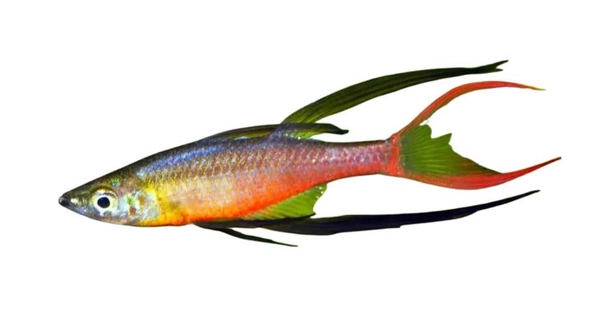
Do you ever find yourself adjusting your aquarium setup but still feeling unsure if your threadfins are truly comfortable in their environment? Sometimes the smallest details can affect their sense of balance and calmness in the tank.
Threadfins are highly sensitive to water flow, and even minor changes can affect their behavior, stress levels, and feeding patterns. Subtle flow issues may not be immediately obvious, but they can influence long-term health and overall tank harmony.
Understanding these subtle flow issues will give you the insight to create a stable and supportive habitat where your threadfins can truly thrive.
Uneven Surface Flow
When the water’s surface does not move evenly, it creates patches where oxygen exchange is less effective. Threadfins are delicate and rely on balanced oxygen levels to stay active and comfortable. Uneven flow often develops from poorly placed filters or blocked outlets. When these spots form, you might notice threadfins hanging near the stronger flow or avoiding certain parts of the tank. Their behavior may look subtle, but over time it stresses them. By checking the direction of your filter output and ensuring circulation reaches all areas, you create a balanced surface movement. This helps threadfins swim with ease while preventing stagnant water pockets that encourage stress or discomfort. Adjusting outlets, adding small circulation pumps, or trimming plants that block water can restore balance. A smooth, even surface keeps the water healthier and makes the environment more natural for your threadfins, ensuring their calm and graceful swimming habits.
Surface imbalances can also reduce gas exchange, leaving your fish less energized and more prone to stress. Keeping flow steady across the surface prevents this.
Threadfins notice these inconsistencies because they are sensitive to water quality and movement. Maintaining even surface flow helps oxygen distribute more effectively while creating a comfortable and reliable swimming environment that encourages natural patterns and reduces hidden stress.
Strong Vertical Currents
When the flow becomes too strong in a vertical direction, threadfins struggle to maintain their natural swimming rhythm. They may appear restless, drifting back and forth, or avoiding areas with intense downward currents.
Vertical currents often occur when filter outlets or return pipes are angled too sharply, pushing water down instead of across. This constant downward push forces threadfins to use extra energy to stabilize themselves, which slowly wears them down. It is especially challenging for smaller or younger fish that do not have the same stamina as adults. Over time, this creates stress and affects their feeding since they spend more effort fighting the water instead of searching for food. Adjusting the angle of your filter outlet can help redirect flow horizontally, which gives the fish more room to swim naturally. Adding plants or driftwood to break up strong currents also creates calmer spaces. Observing your threadfins closely will show if they are struggling with vertical currents. Their subtle avoidance behaviors, like swimming in only one side of the tank, highlight the importance of flow adjustments. By correcting the direction and intensity of vertical flow, you create a balanced habitat where they can swim with less effort, preserve energy, and thrive with more ease.
Dead Spots in the Tank
Dead spots form when circulation does not reach every corner, leaving areas with weaker movement. Threadfins often avoid these zones, sensing the stagnant water and reduced oxygen exchange that can quietly affect their comfort and health.
When dead spots develop, debris and uneaten food settle in these areas, leading to water quality issues that may not be obvious right away. Threadfins are sensitive to these subtle changes and may respond with reduced activity. Rearranging decorations, adjusting filter output, or adding a small secondary pump helps water flow into these hidden areas. By correcting dead spots, you prevent harmful buildup and encourage healthier swimming patterns.
Even if the water looks clear, threadfins can sense imbalances in flow that you cannot easily see. Addressing dead spots creates a tank that feels more stable and natural for them, while also helping keep your water cleaner and easier to maintain.
Excessive Surface Agitation
Too much surface agitation disrupts the calmness threadfins prefer. Strong ripples create unnecessary stress and make feeding at the surface more difficult, as food gets pushed around faster than they can comfortably eat. Adjusting flow can reduce this.
Excessive agitation often comes from filters or air pumps set at high power. While movement supports oxygen exchange, too much motion makes the water feel unstable to sensitive threadfins. They may stay deeper in the tank, avoiding the surface entirely. This behavior can affect their feeding patterns and overall health. Adjusting the output strength, repositioning outlets, or using spray bars can help create a softer, more consistent surface. By keeping agitation controlled, you support both oxygenation and comfort, ensuring threadfins remain active, balanced, and less stressed.
Blocked Flow from Decorations
Decorations and plants can unintentionally block circulation, creating uneven patterns that threadfins quickly notice. When flow is restricted, they may cluster in open areas, avoiding blocked sections where swimming feels less natural and more confined.
Over time, blocked flow reduces oxygen levels in certain areas. Threadfins sense this immediately, shifting their behavior toward spaces where circulation feels balanced and supportive. Small adjustments in placement often restore smooth flow.
Inconsistent Filter Output
Filters that produce irregular or pulsing flow create an unstable environment for threadfins. Sudden shifts in water movement disrupt their natural swimming rhythm and increase stress. Consistent, steady output allows them to glide calmly and conserve energy while exploring the tank.
Overpowering Side Currents
Side currents that push too strongly across the tank make it harder for threadfins to navigate comfortably. They may resist the flow, expending energy just to hold position, instead of swimming with ease and maintaining natural movement patterns.
FAQ
What are the signs that my threadfins are stressed by tank flow?
Threadfins show stress in subtle ways. They may cling to one side of the tank, avoid certain areas, or reduce activity. Skittish or erratic swimming is another sign. They may also skip meals or linger near the filter output if the flow is too strong, signaling discomfort.
How can I test if my tank has dead spots?
You can sprinkle small particles, like fish food or leaf debris, and watch where they settle. Areas where particles linger or barely move indicate poor circulation. Moving your hand slowly through these zones helps you feel the difference in flow. Adding a small powerhead can help balance these areas.
Is too much surface agitation harmful to threadfins?
Yes. Excessive ripples make feeding harder and create stress. Threadfins prefer calmer water near the surface. Strong agitation from pumps or filters can force them deeper, changing their natural behavior and making them less comfortable. Reducing output strength or repositioning equipment usually solves this.
Can decorations really affect water flow that much?
Absolutely. Plants, rocks, and driftwood can block or redirect currents, creating uneven flow patterns. Threadfins notice these differences immediately, often avoiding obstructed zones. Rearranging items or trimming plants can restore smoother circulation and make swimming easier.
How do I adjust filter output to suit threadfins?
Filters should produce a steady, gentle flow across the tank. If the output is too strong, angle it or use spray bars to diffuse water. Observing your threadfins will show if adjustments are effective—they should swim naturally without resisting currents or clustering in calmer areas.
Do vertical currents affect threadfins differently than horizontal ones?
Yes. Vertical currents force threadfins to expend more energy to stay upright. Horizontal currents are easier for them to navigate. Redirecting downward flow and creating smoother horizontal movement helps them swim comfortably and reduces stress, which is critical for maintaining long-term health.
Are threadfins sensitive to subtle changes in circulation?
Very much so. Even small inconsistencies in flow or oxygen distribution can alter their behavior. They may avoid parts of the tank or show subtle signs of discomfort. Regularly monitoring water movement and adjusting equipment ensures a balanced, supportive environment.
Can adding more pumps fix flow problems?
Sometimes. Additional pumps help circulate water into dead spots or reduce overly strong currents. Placement is crucial—pumps should enhance natural movement without creating turbulence. Observing threadfin behavior after changes ensures adjustments improve comfort, not stress.
How often should I check tank flow for threadfins?
It’s helpful to monitor flow weekly or after rearranging equipment. Small changes can create new dead spots or increase agitation. Consistent observation lets you catch subtle issues before they affect your fish’s health or behavior.
What’s the simplest way to create even flow in a tank?
Position filters and pumps so water moves steadily across the tank. Use spray bars, redirect outlets, and remove obstructions. Ensuring circulation reaches corners and the surface promotes oxygen exchange, reduces dead spots, and creates a calmer, more natural environment for threadfins.
How do I know if surface agitation is balanced?
Watch the ripples. Gentle, uniform movement indicates proper balance. Threadfins should be able to feed near the surface without being pushed around. If they avoid the top or struggle against waves, surface agitation is likely too strong and needs adjusting.
Are these flow issues common in small and large tanks alike?
Yes. Both tank sizes can experience dead spots, strong currents, and blocked flow. The difference is scale—small tanks may require gentler adjustments, while large tanks may need multiple pumps or strategically placed filters to maintain consistent circulation.
Can I fix flow issues without changing equipment?
Often, yes. Simply adjusting filter direction, moving decorations, or trimming plants can dramatically improve flow. Observing threadfin responses helps guide minor tweaks before considering new equipment. Simple adjustments often make a big difference.
Do threadfins recover quickly after flow changes?
Generally, yes. Once flow is balanced and stress is reduced, threadfins return to natural swimming patterns. They adapt quickly to improved conditions, showing calmer behavior, consistent feeding, and more even distribution throughout the tank.
What’s the biggest mistake people make with threadfin tank flow?
Ignoring subtle flow issues. Many focus only on water quality or temperature, but threadfins are sensitive to movement patterns. Small imbalances affect comfort, behavior, and long-term health. Regular observation and minor adjustments prevent stress and create a thriving environment.
How can I make the tank feel more natural for threadfins?
Even flow, gentle surface agitation, unobstructed swimming paths, and balanced oxygen distribution make the tank more comfortable. Observing behavior and adjusting equipment as needed ensures the environment meets their needs and encourages healthy, calm activity.
Are there tools to help monitor flow?
Yes. Small floating objects, flow meters, or simply observing how fish move can indicate circulation effectiveness. Using these tools regularly ensures dead spots and strong currents are identified and corrected promptly.
How long should I wait after adjusting flow to see results?
Threadfins often respond within a few hours to days. Watch their swimming patterns, surface behavior, and feeding. Improvements indicate the flow changes are working, while continued avoidance signals further adjustments may be necessary.
Do flow adjustments affect water filtration efficiency?
Not usually, if done carefully. Adjusting direction or using spray bars enhances circulation without reducing filtration. Balancing flow helps both fish comfort and water quality, ensuring oxygen distribution and waste removal remain effective.
Can threadfins sense differences humans can’t see?
Yes. Threadfins detect subtle flow changes and oxygen levels imperceptible to us. Even minor dead spots or strong currents impact behavior. Observing their patterns provides the clearest insight into how well circulation supports their needs.
How often should I rearrange decorations for better flow?
Only when necessary. Rearranging should be guided by observing threadfin behavior or spotting stagnant areas. Frequent changes can stress fish, but minor adjustments to improve flow help maintain comfort without disruption.
Is it normal for threadfins to avoid certain tank areas?
Yes, often due to poor circulation. Dead spots, strong currents, or blocked zones make some areas uncomfortable. Improving flow usually encourages more even distribution and natural swimming throughout the tank.
Can plants alone fix flow problems?
Plants help diffuse currents and provide calm spaces but cannot fully correct strong or misdirected flow. Combining plant placement with outlet adjustment and circulation aids creates a balanced environment that threadfins notice and appreciate.
How do I balance oxygenation and gentle flow?
Spread circulation evenly to reach all areas while keeping surface agitation moderate. Spray bars, diffusers, or redirecting filter outlets help maintain oxygen without creating turbulence. This supports threadfin comfort, activity, and long-term health.
What’s the best sign that flow adjustments worked?
Threadfins swim naturally, feed consistently, and use all areas of the tank. Reduced clustering, calmer behavior, and even distribution show they are comfortable and the water movement now meets their needs.
Are some threadfins more sensitive than others?
Yes, younger or smaller fish often react more quickly to poor flow, while older fish may tolerate minor inconsistencies. Observing individual responses ensures adjustments accommodate all residents in the tank.
Can multiple small pumps be better than one large one?
Often, yes. Multiple pumps can reduce dead spots and avoid overpowering currents. Strategic placement allows smooth, even flow, which threadfins find more comfortable than a single, strong directional current.
How do I prevent flow issues in a new tank?
Plan filter placement, outlet direction, and decoration layout before adding threadfins. Test circulation with floating particles and make minor adjustments. Ensuring even flow from the start prevents stress and helps fish settle quickly.
Is it worth checking flow after adding new decorations or fish?
Absolutely. New items can block or redirect currents, and additional fish can change movement patterns. Monitoring flow after changes keeps conditions stable and ensures threadfins remain comfortable.
Do threadfins communicate discomfort through swimming?
Yes. Subtle changes in speed, direction, or clustering often indicate stress. Observing these behaviors allows you to identify flow issues and make adjustments before long-term health is affected.
How long does it take for threadfins to adapt to new flow conditions?
Usually within hours to days. They quickly explore new patterns, returning to natural swimming behavior when water movement is comfortable. Gradual adjustments help them adapt more smoothly.
Are there risks in overcorrecting flow?
Yes. Excessively reducing currents or overplacing pumps can create stagnant areas. Observing threadfin reactions ensures flow is balanced, not just reduced or intensified. Proper adjustment maintains comfort and healthy movement.
Can threadfins help me identify the best flow setup?
Definitely. Their behavior is the most reliable indicator. Areas they avoid, cling to, or struggle with show where adjustments are needed. Watching them swim calmly shows you’ve achieved a comfortable setup.
Do all tank sizes have similar flow concerns?
Yes, though scale differs. Small tanks may require gentler adjustments, while large tanks need multiple flow points. Observing threadfin behavior guides appropriate corrections regardless of tank size.
Is it important to monitor flow continuously?
Regular checks are more practical than constant monitoring. Weekly observation or after equipment changes helps catch issues early, maintaining a comfortable and balanced environment for threadfins.
How do I combine flow management with temperature and filtration needs?
Adjust outlets, spray bars, or diffusers to maintain consistent flow without affecting filtration efficiency. Monitor temperature stability and oxygen levels to ensure threadfins enjoy a supportive, stress-free environment.
What’s the long-term benefit of proper flow management?
Threadfins remain active, feed reliably, and experience less stress. Balanced circulation supports health, growth, and behavior, creating a tank where they thrive and display natural, calm movement patterns.
Can flow adjustments prevent common health issues?
Yes. Proper circulation reduces stagnant zones, improves oxygenation, and supports energy conservation. This helps prevent stress-related illness, poor feeding, and weakened immunity, ensuring threadfins remain healthy over time.
How can I tell if I need professional advice for flow problems?
If threadfins continue avoiding areas, show prolonged stress, or feeding behavior changes despite adjustments, consulting an aquatic specialist ensures correct flow management and overall tank health.
Are there visual tools to measure flow consistency?
Yes. Floating beads, leaf particles, or small dye tests can reveal uneven circulation. Observing how these move helps identify dead spots, strong currents, and areas needing adjustment for a balanced environment.
Do flow issues affect breeding or reproduction?
Yes. Threadfins under stress from improper flow may delay breeding or exhibit less interest in spawning. Balanced, gentle circulation encourages normal behavior, supporting natural reproductive cycles.
Is it worth investing in flow-optimizing equipment?
Often, yes. Quality pumps, spray bars, and diffusers make it easier to maintain consistent, gentle flow. They support comfort, health, and natural activity, reducing long-term maintenance challenges.
How do I combine decorations, plants, and pumps for optimal flow?
Arrange decorations and plants to diffuse strong currents without blocking areas completely. Place pumps strategically to ensure even circulation and reach all tank sections. Observing threadfins shows whether the setup is effective and comfortable.
Can threadfins adapt to suboptimal flow over time?
They may, but it comes with stress and higher energy expenditure. Consistently proper flow reduces effort, improves feeding, and supports long-term health, which is better than forcing adaptation.
How do I maintain flow in heavily planted tanks?
Use spray bars or multiple pumps to create even distribution. Trim dense areas and observe how threadfins navigate. Adjust placement to prevent dead spots and maintain a comfortable swimming environment.
Are there seasonal flow considerations?
Temperature changes or algae growth can alter water movement. Periodic checks ensure consistent circulation and oxygen levels, helping threadfins stay comfortable throughout seasonal shifts.
What is the simplest daily check for threadfin comfort?
Observe swimming patterns, feeding behavior, and distribution across the tank. Uneven clustering, avoidance, or struggling against currents signals a need for adjustment. These daily observations prevent long-term issues and maintain comfort.
Do different species of threadfins have different flow preferences?
Slightly. Some species prefer stronger currents, while others thrive in calmer water. Understanding the specific needs of your threadfin species ensures proper circulation and reduces stress.
Can lighting affect flow perception?
Indirectly. Bright lighting can make ripples or movement more noticeable, which may influence where threadfins swim. Combining moderate lighting with balanced flow supports natural behavior.
Is water clarity linked to flow issues?
Yes. Poor flow can lead to debris accumulation, reducing clarity. Balanced circulation prevents buildup and keeps the tank cleaner, which benefits both threadfins and maintenance routines.
How often should I reassess flow setup?
Regularly, especially after equipment changes, additions, or noticeable behavior shifts. Observing threadfins and water movement ensures the environment remains balanced and supportive.
Do threadfins prefer slow or moderate flow?
Moderate, steady flow is ideal. It allows them to swim naturally, conserve energy, and feel secure while exploring the tank. Excessively slow or fast flow disrupts their comfort and activity.
Can improper flow cause long-term behavioral changes?
Yes. Chronic stress from poor circulation can lead to avoidance patterns, reduced feeding, and altered swimming behavior. Correcting flow restores natural activity and reduces long-term negative effects.
What’s the easiest way to monitor improvement after adjustments?
Observe changes in swimming patterns, clustering, feeding, and stress behaviors. Even subtle improvements indicate your adjustments are effective and create a more supportive environment.
Do threadfins need flow adjustments differently at night?
Some may seek calmer areas while resting. Ensuring gentle, steady flow throughout the tank maintains comfort during nighttime hours without creating excessive agitation.
Can temperature fluctuations worsen flow issues?
Yes. Warmer or cooler water can alter circulation speed and oxygen levels. Consistent temperature management combined with balanced flow helps threadfins remain comfortable and healthy.
Are there long-term maintenance tips for consistent flow?
Check equipment weekly, reposition decorations as needed, and observe fish behavior. Small, ongoing adjustments prevent dead spots, excessive currents, and uneven surface agitation, keeping threadfins comfortable over time.
Is it possible to over-engineer flow solutions?
Yes. Too many pumps or overly complex setups can create turbulence. Observing threadfin behavior ensures solutions remain simple, effective, and supportive rather than stressful.
How do I balance comfort and filtration needs with threadfins in mind?
Steady, moderate flow supports both oxygenation and debris removal. Position equipment to reach all areas without creating strong currents or stagnant zones. Threadfin behavior indicates whether adjustments are successful.
Can I rely solely on equipment settings for flow management?
No. Equipment is important, but observing threadfins provides the clearest feedback. Even small tweaks based on behavior improve comfort more than relying on default settings alone.
Do threadfins respond immediately to improved flow?
Typically, yes. Within hours to days, they return to calmer swimming, use the entire tank, and feed more consistently, showing they notice and benefit from better circulation.
What’s the overall impact of proper flow management on threadfin health?
Balanced, gentle flow reduces stress, supports feeding, promotes energy conservation, prevents dead spots, and encourages natural behavior, ensuring threadfins thrive and display healthy activity over the long term.
Final Thoughts
Maintaining proper water flow in a threadfin tank is more important than it might first seem. Threadfins are highly sensitive fish, and even small changes in currents, surface agitation, or blocked areas can affect their comfort and behavior. When flow is uneven, threadfins may avoid certain areas of the tank, expend extra energy swimming against strong currents, or show subtle signs of stress, such as reduced feeding or skittish movements. Paying attention to these details helps ensure a more natural environment where they can swim with ease, feel secure, and display normal behaviors that indicate good health. Adjusting equipment, repositioning decorations, and observing the fish carefully are simple steps that go a long way in creating this supportive habitat.
Even minor flow issues, such as dead spots or excessive vertical currents, can quietly affect the long-term health of threadfins. Dead spots can lead to the buildup of uneaten food or debris, which reduces oxygen levels and overall water quality. Strong vertical currents, on the other hand, force threadfins to work harder to stay upright, draining energy that could otherwise be used for feeding and exploration. By taking time to monitor how water moves through the tank and making gradual adjustments, it is possible to prevent these issues before they become serious problems. Small changes, like redirecting filter outlets, adding a gentle secondary pump, or trimming plants that block circulation, can drastically improve the overall comfort of the tank. The fish will respond quickly, returning to natural swimming patterns and exploring the tank more evenly.
Flow management is not a one-time task. Tanks change over time as decorations are added, plants grow, or equipment ages, which can all influence water movement. Regular observation is essential to ensure that threadfins continue to experience stable, balanced circulation. Watching their behavior is often the most reliable way to gauge whether adjustments are effective—calm, evenly distributed swimming and consistent feeding are clear indicators of success. Maintaining even, moderate currents, controlled surface agitation, and unobstructed paths not only supports the physical health of threadfins but also promotes a stress-free environment that encourages natural behavior. Over time, consistent attention to flow creates a tank that is easier to manage, keeps water quality high, and allows threadfins to thrive. By focusing on these subtle details, you can provide a habitat that meets their needs and allows them to flourish comfortably and naturally.

Hello,
If you enjoy the content that we create, please consider saying a "Thank You!" by leaving a tip.
Every little bit helps us continue crafting quality advice that supports the health, happiness, and well-being of pets around the world, for pets of all shapes, sizes, and species.
We really appreciate the kindness and support that you show us!