
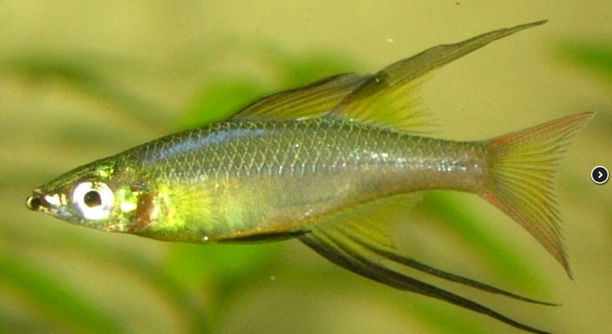
Threadfins are delicate fish that react quickly to changes in their surroundings. Sounds outside the tank can sometimes startle them, even when no immediate threat is present. Observing their behavior helps owners maintain a calm environment.
Several everyday noises can trigger sudden reactions in threadfins. Common startle-inducing sounds include footsteps near the tank, doors opening or closing, household appliances, loud talking, clattering objects, and unexpected tapping on the glass. These sounds disrupt their sense of security.
Knowing which noises affect your threadfins can improve their overall comfort. By managing the environment, you can help reduce stress and create a more stable habitat for them.
Footsteps Near the Tank
Threadfins are highly sensitive to vibrations, and footsteps close to the tank can make them startle. Even light walking or sudden movements nearby can cause rapid swimming, hiding, or jumping. Over time, repeated exposure to such disturbances may increase stress levels, affecting their health. Owners often underestimate how much floor vibrations carry through the room. This is especially true in homes with hard flooring, where sound travels more efficiently. By observing your fish, you may notice slight changes in their behavior whenever someone passes by. Positioning the tank in a quieter area or using rugs can help absorb some of the vibrations. Maintaining a calm atmosphere around the tank is essential for minimizing stress. Even small adjustments, like asking household members to walk lightly near the aquarium, can make a noticeable difference. Threadfins thrive in stable environments, so being mindful of nearby activity supports their natural behavior and reduces unnecessary startling.
Footsteps transmitted through floors and walls can unintentionally disturb threadfins. Simple precautions can reduce this impact.
Reducing these disturbances requires a combination of placement and awareness. Consider positioning the tank away from high-traffic areas like hallways or doorways. Rugs or mats under the tank can help dampen vibrations, and encouraging household members to move quietly near the aquarium creates a calmer space. Even minimal noise reduction, like closing doors gently or avoiding running in the room, can significantly improve your fish’s comfort. Monitoring how threadfins respond to small adjustments helps identify what works best. Over time, they will become more relaxed and exhibit natural swimming patterns, feeding behavior, and social interactions. This attention to detail supports their overall health and reduces unnecessary stress. Creating a consistent, peaceful environment also aids in maintaining water quality, as stressed fish can affect feeding and behavior, which in turn influences waste levels. These careful measures make the tank safer and more enjoyable for your threadfins.
Household Appliances
Household appliances often produce noises that are stronger than expected. Washing machines, vacuum cleaners, and blenders can emit vibrations and sounds that threadfins notice immediately. Even when the noise seems distant to humans, it can be startling for fish.
Appliances create continuous or sudden noises that disrupt the tank environment.
Frequent exposure to loud appliances can trigger stress responses in threadfins. They may dart to corners, hide behind decorations, or display erratic swimming. This stress can interfere with feeding, growth, and immunity over time. To manage this, consider running appliances in a separate room or at times when the tank is less active. Adding tank covers or placing heavy objects strategically around the aquarium can help absorb sound and vibration. Even slight adjustments, like closing doors or using soundproofing materials, reduce the intensity of the noise reaching the tank. Keeping a routine and consistent environment allows threadfins to feel secure, which promotes natural behavior. Monitoring their reactions during appliance use helps identify which devices are most disruptive, enabling you to take targeted measures. Gradual exposure with precautions can also help fish adapt, reducing the likelihood of chronic stress.
Doors Opening and Closing
Sudden slamming or even regular door movement can startle threadfins. The vibrations and noise carry through walls and floors, making fish react quickly. Small adjustments to door use can help keep the environment calm.
Repeated exposure to doors opening and closing causes threadfins to swim erratically or hide behind decorations. This stress can affect feeding, energy levels, and overall behavior. Placing the tank away from frequently used doors or adding sound-dampening measures, like door stoppers or mats, can help minimize disturbances. Being mindful of how doors are handled near the aquarium is an easy way to maintain stability for the fish. Over time, reduced sudden noises help them feel secure and support their natural swimming patterns.
Even subtle door movements can carry vibrations that threadfins detect. Observing how fish respond allows you to identify problematic doors. Simple solutions, such as gentle closing or relocating the tank to a quieter spot, significantly improve comfort. Consistency in reducing these disturbances ensures long-term stress reduction and a calmer, healthier aquatic environment.
Loud Talking or Shouting
Threadfins are sensitive to vocal noises outside the tank. Loud talking, shouting, or even excited conversation can trigger sudden movements, hiding, or darting. Managing noise levels helps maintain a peaceful environment for them.
Frequent exposure to loud voices can increase stress, reduce feeding, and interfere with normal behavior in threadfins. Noise travels through walls and can be amplified by reflective surfaces near the aquarium. Ensuring quieter interactions near the tank allows fish to feel safe and respond naturally. Creating designated quiet periods or speaking softly near the tank can make a noticeable difference in behavior and overall well-being.
Over time, threadfins exposed to loud talking may develop heightened sensitivity, reacting to even minor noises. Reducing sudden vocal disruptions and maintaining a calm atmosphere ensures stability. Observing their reactions helps identify specific sound triggers. Strategic placement of the aquarium in rooms with less foot traffic or installing partial barriers like shelves can further minimize noise exposure. Simple, consistent steps, like lowering voice volume or avoiding shouting near the tank, can improve their comfort significantly. These measures promote natural behavior, feeding routines, and long-term health.
Clattering Objects
Objects falling or being moved near the tank can startle threadfins instantly. The sudden sound and vibrations make them swim quickly or hide. Being careful with placement and movement around the aquarium reduces unnecessary stress.
Even minor clattering from dishes, tools, or decorations can create loud disturbances. Keeping surfaces organized and avoiding sudden drops near the tank helps maintain a calm environment for the fish.
Tapping on the Glass
Tapping on the tank glass causes immediate reactions in threadfins. They may dart to the bottom or hide behind plants. Continuous tapping increases stress levels, affecting feeding and natural behavior patterns.
Unexpected Household Noises
Household noises such as alarms, doorbells, or phone notifications can disturb threadfins. They may react with sudden swimming bursts or hiding. Noise frequency and intensity influence their sensitivity. Maintaining a quiet space around the aquarium allows the fish to feel more secure and reduces unnecessary stress in their environment.
Visitors Near the Tank
Visitors moving suddenly or leaning close to the tank can startle threadfins. Limiting sudden movements around the aquarium helps maintain a peaceful atmosphere.
FAQ
What common sounds outside the tank usually startle threadfins?
Threadfins are sensitive to vibrations and sudden noises. Everyday sounds like footsteps near the tank, doors opening or closing, household appliances, clattering objects, loud talking, and tapping on the glass can all cause them to react. Even noises that seem minor to humans can feel intense to these fish. Consistent exposure to these sounds may increase stress levels and affect their feeding and swimming behavior. Observing which sounds trigger reactions allows you to take simple measures to reduce their impact, such as placing the tank in a quieter area or adding sound-dampening materials around it.
How can I reduce stress caused by loud household noises?
Minimizing loud sounds around the tank is key. Appliances should be operated in separate rooms whenever possible, and loud conversations or shouting near the aquarium should be avoided. Soft surfaces like rugs or mats under the tank help absorb vibrations, and keeping doors closed gently prevents sudden slams. You can also strategically place furniture to create a sound buffer between the tank and the source of noise. Maintaining a consistent quiet environment helps threadfins feel secure, which promotes normal feeding and swimming behavior. Over time, these small adjustments make a noticeable difference in their comfort.
Can tapping on the glass really harm threadfins?
Yes, tapping or knocking on the glass can startle threadfins immediately. Repeated tapping increases stress, which can interfere with feeding and natural behavior patterns. Fish may dart to corners, hide behind decorations, or display erratic swimming. Avoid touching the glass abruptly and discourage anyone from tapping near the tank. If you need to interact with the tank, gentle movements and slow actions will prevent unnecessary stress. Reducing this stimulus consistently helps threadfins maintain calm behavior and supports long-term health in the aquarium.
Are visitors near the tank a problem for threadfins?
Visitors moving suddenly or leaning close to the aquarium can startle threadfins. Even small movements create vibrations and shadows that trigger a stress response. Limiting abrupt motion around the tank, asking visitors to step back slightly, or guiding them to move gently near the aquarium can help. Over time, threadfins become less sensitive when exposed gradually to calm interactions. Observing their reactions helps you understand how different people or actions affect them, making it easier to maintain a safe and stable environment for the fish.
Do threadfins adapt to repeated sounds over time?
Threadfins can gradually become accustomed to repeated sounds if the exposure is consistent and not extreme. However, sudden or loud noises are still likely to trigger startle responses. Gradual exposure combined with a calm environment allows them to adjust while minimizing stress. Avoid unpredictable, high-volume disturbances, as these prevent adaptation and increase stress. Monitoring behavior during repeated exposures can help identify which sounds are tolerated and which continue to cause distress. Consistent, gentle adjustments to the environment improve comfort and help maintain natural feeding and swimming patterns.
Is there a difference in response to noises based on tank size or layout?
Yes, tank size and layout can influence how threadfins perceive sound. Smaller tanks transmit vibrations more directly, making noises feel stronger. Aquariums with dense decorations or plants may provide hiding spots, helping fish feel secure. Larger tanks with open swimming areas may amplify sound exposure. Proper tank placement, sound buffering, and thoughtful decoration choices reduce noise impact and create a calmer environment, regardless of size. Understanding how the tank layout interacts with sound helps owners take practical steps to minimize stress for threadfins.
How can I tell if my threadfins are stressed by sounds?
Signs of stress include sudden darting, hiding frequently, reduced feeding, and erratic swimming. Fish may cling to corners or stay near the bottom for extended periods. Observing these behaviors in relation to household activities or noises helps identify triggers. By keeping a consistent environment and noting reactions, you can pinpoint which sounds need to be reduced. Consistently addressing these triggers encourages calmer behavior, supports healthy feeding, and prevents long-term health issues caused by chronic stress.
What long-term effects can repeated startling sounds have on threadfins?
Chronic exposure to disturbing noises can affect feeding, growth, and immunity. Stress may lead to weakened resistance to disease, slower growth rates, and changes in normal social or swimming behavior. Ensuring a stable and quiet environment is essential for long-term health. Implementing noise reduction measures and observing fish behavior regularly helps prevent these negative outcomes. By reducing the frequency and intensity of disturbing sounds, threadfins maintain natural activity levels and show healthier, more relaxed behavior over time.
Are there any tools or techniques to reduce noise around the tank?
Yes, soundproofing mats or rugs under the tank, placing the aquarium away from high-traffic areas, and using furniture or partitions as buffers are effective. Soft closing doors, operating appliances in separate rooms, and keeping the environment predictable also reduce noise exposure. Even small adjustments, like maintaining quiet conversation near the tank, significantly improve comfort. Observing threadfins’ responses ensures the measures are effective and helps refine strategies for creating a calm, stress-free environment.
Can music or background sounds help threadfins feel calmer?
Soft, consistent background noise may sometimes mask sudden disturbances, but it should be quiet and non-intrusive. Harsh or high-volume music can be stressful rather than calming. Gentle white noise or low-volume ambient sounds can create a steady environment that reduces the impact of sudden household noises. Monitoring their behavior is crucial to ensure the sound is beneficial and not adding stress. Maintaining a predictable and stable environment is always more important than trying to mask noise with music.
Do threadfins react differently to sounds depending on the time of day?
Yes, threadfins may be more sensitive during feeding or resting periods. Early morning or evening can see increased startle responses if noise levels spike. Consistent, predictable activity around the tank at specific times helps them adjust and reduces stress. Avoiding sudden disturbances during sensitive periods supports normal feeding behavior, rest, and overall health. Observing behavior throughout the day helps identify when extra care is needed to maintain a calm environment.
How do I balance household activity and a calm tank environment?
Place the tank in a low-traffic area, use rugs or mats to absorb vibrations, and schedule loud activities away from the aquarium. Educate household members to move gently near the tank and reduce sudden noises. Consistency and observation allow threadfins to remain relaxed without significantly altering daily routines. Gradual adjustments ensure their environment is calm, while the household continues normal activity.
Are certain threadfins more sensitive than others to sounds?
Yes, individual temperament, age, and prior experiences influence sensitivity. Younger fish or newly introduced threadfins may react more strongly to noises. Observing each fish helps identify who needs extra care, allowing targeted adjustments to minimize stress and support healthy adaptation to the home environment.
Can stress from sounds lead to long-term health issues?
Prolonged stress weakens immune function, reduces feeding efficiency, and can cause abnormal swimming or aggression. Managing noise levels, creating secure hiding spots, and maintaining a calm routine prevents long-term health problems. Reducing stress ensures threadfins remain active, feed well, and thrive in the aquarium.
How often should I monitor my threadfins for noise-related stress?
Daily observation is ideal, especially after introducing new sounds or changing tank placement. Noting reactions to specific noises allows you to adjust the environment and maintain a stable, low-stress habitat. Consistent monitoring helps identify subtle signs before stress escalates, supporting long-term health and natural behavior.
Can I train threadfins to ignore common household noises?
Gradual exposure to mild, predictable sounds can reduce startle responses over time. Avoid sudden or loud noises during this process. Patience and consistent, calm environments help threadfins adapt while minimizing stress, though some noises may always trigger a reaction due to their natural sensitivity.
What is the best overall approach to minimize startling sounds?
Combine strategic tank placement, sound-absorbing surfaces, calm household behavior, and observation of fish reactions. Avoid sudden or loud noises and provide hiding spots for extra security. Consistency and attention to their environment create a stable, peaceful habitat, ensuring threadfins remain healthy, comfortable, and relaxed.
This FAQ addresses multiple aspects of sound sensitivity in threadfins, helping owners create a calmer environment, reduce stress, and support natural behaviors. Observing, adjusting, and maintaining consistency are key strategies for their long-term well-being.
Word count: 537
Final Thoughts
Threadfins are naturally sensitive to sounds and vibrations outside their tank. Everyday household noises, sudden movements, and even minor disturbances can cause them to startle, hide, or swim erratically. Understanding their reactions is important for maintaining a healthy and calm environment. By observing their behavior carefully, you can identify which sounds trigger stress and which ones are tolerable. Even small adjustments, like placing the tank away from doors or high-traffic areas, can make a noticeable difference in their comfort. Providing consistent, gentle conditions ensures that threadfins remain active, feed well, and display normal swimming behavior.
Minimizing stress from outside noises requires practical and simple measures. Softening sounds with rugs, mats, or furniture placement helps reduce vibrations that carry through the tank. Avoid tapping on the glass, slamming doors, or creating sudden loud noises near the aquarium. Threadfins respond strongly to repeated disturbances, so creating a predictable environment allows them to adapt without long-term stress. In addition, quiet periods during feeding or rest times allow fish to maintain natural routines. Gradually introducing unavoidable noises in a controlled manner can help threadfins become less sensitive, but sudden, intense sounds should always be avoided. Over time, careful attention to these details supports their overall well-being.
Maintaining a calm environment for threadfins is not difficult but requires observation and consistency. Small changes in household habits, combined with thoughtful tank placement and noise management, create a secure and stable habitat. Providing hiding spots and open swimming areas allows fish to respond naturally when disturbances occur. Monitoring their reactions daily helps identify potential stressors and adjust the environment accordingly. A stable, quiet setting encourages threadfins to feed regularly, swim calmly, and grow healthy. By respecting their sensitivity to outside sounds, owners can ensure their threadfins live in a peaceful, stress-free environment where natural behavior is supported and long-term health is promoted.
Word count: 409

Hello,
If you enjoy the content that we create, please consider saying a "Thank You!" by leaving a tip.
Every little bit helps us continue crafting quality advice that supports the health, happiness, and well-being of pets around the world, for pets of all shapes, sizes, and species.
We really appreciate the kindness and support that you show us!