
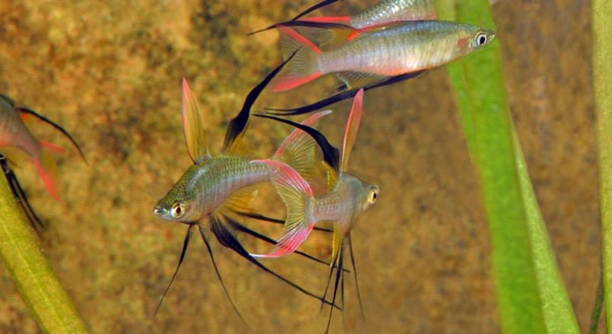
Have you ever noticed your Threadfin Rainbowfish swimming differently when it rains? These small, colorful fish are known for their lively behavior, but weather changes can sometimes affect how they move and interact in their tank.
Threadfin Rainbowfish often exhibit subtle changes during rainy weather. Reduced light levels and shifts in barometric pressure can lead to calmer swimming patterns, temporary hiding, and altered feeding behavior, reflecting their natural responses to environmental fluctuations.
Observing these behaviors can give you valuable insight into their needs and help maintain a healthy, comfortable habitat for your fish.
How Rainy Weather Influences Their Swimming Patterns
Threadfin Rainbowfish tend to become less active when rainy weather affects their environment. They may swim slower or stay closer to the tank’s bottom or corners. This behavior often relates to changes in light levels and barometric pressure. Natural rainfall can slightly lower ambient light and alter water conditions, prompting fish to adjust their movement. In home aquariums, dim lighting or heavy indoor shadows can trigger similar responses. Observing these changes can help you understand when your fish are stressed or simply responding to the environment. Some fish may also seek shelter among plants or decorations, mimicking hiding spots they would use in the wild. Feeding times may shift as well; they may eat less during these periods. Overall, mild weather changes rarely harm them, but consistent monitoring ensures they remain healthy. Adapting tank conditions to reduce sudden shifts can help maintain their normal activity patterns.
Reduced activity is usually temporary, and most fish resume regular swimming once lighting and water conditions stabilize.
Paying attention to these patterns allows for subtle adjustments, like slightly increasing light or hiding spots, which supports their comfort and health in the tank environment.
Feeding Habits During Rainy Days
Threadfin Rainbowfish may eat less during rainy weather, reflecting natural instincts. They often prefer smaller, slower meals and may avoid the top of the tank.
These fish naturally react to weather changes by adjusting feeding frequency and quantity. Sudden shifts in barometric pressure or dimmer light can reduce appetite temporarily. Some may focus on small prey or flakes near the bottom, while others explore corners or plants before feeding. Consistent monitoring helps ensure they receive adequate nutrition without overfeeding. If appetite loss persists beyond a few days, checking water quality, temperature, and tank conditions is essential. Providing varied food and observing changes can help maintain health and prevent stress. Maintaining a regular feeding schedule despite minor appetite changes can reduce long-term impacts. Over time, you will notice patterns in how your fish respond to rainy weather, which can guide adjustments in care. Proper observation and minor environmental tweaks ensure your Threadfin Rainbowfish remain active, healthy, and well-fed even during prolonged periods of rainfall.
Social Behavior Changes
During rainy weather, Threadfin Rainbowfish may group more closely together. They often swim in tighter formations, reducing exposure and feeling safer.
Grouping behavior helps them cope with environmental changes. Reduced light and lower pressure can trigger instinctive responses, prompting them to stay near each other. This behavior is common in aquariums when fish sense subtle changes. You may notice them hovering near plants or decorations, forming compact groups rather than exploring freely. While this may look like stress, it is usually a temporary adjustment. Observing the tank can reveal which areas they prefer, helping you provide better shelter and maintain a comfortable environment. Understanding these shifts allows for small changes, like adding more hiding spaces or adjusting light levels. Over time, they resume normal social patterns once conditions stabilize, returning to looser formations and usual swimming routines. Monitoring their interactions ensures they remain healthy and stress-free.
These social adjustments are natural, temporary, and often indicate how well your fish are adapting to environmental shifts.
Recognizing these changes early can help you maintain an optimal habitat. Providing adequate space, plants, and calm water conditions reduces stress and supports normal social behavior, even during extended rainy periods.
Tank Environment Considerations
Light levels and water movement become more important during rainy periods. Adjusting them slightly can reduce stress and encourage normal activity.
Changes in lighting mimic the effects of overcast skies or rainfall. Fish may seek darker areas or slower currents, avoiding open spaces. Adjusting light intensity gradually helps them adapt without startling their natural instincts. Water movement also plays a role; too strong a current can increase stress when fish already feel less secure. Ensuring consistent temperature, clean water, and hiding spots supports their health during these periods. Observation is key—notice which parts of the tank they prefer and adjust décor or flow to suit their comfort. Over time, minor environmental tweaks allow your Threadfin Rainbowfish to maintain normal routines, feeding habits, and social behavior, even when the weather outside changes. Careful attention to these factors helps maintain a stable and calm aquarium environment.
Stress Indicators
Threadfin Rainbowfish may show minor stress during rainy weather. Signs include clamped fins, slower swimming, or hiding more than usual.
These behaviors are typically temporary. Providing stable water conditions, gentle lighting, and sufficient hiding spaces helps reduce stress and allows fish to return to normal activity quickly.
Adjusting Tank Lighting
Lower light levels during rainy days can make fish feel insecure. Using dimmable lights or adjusting timers can help maintain a stable environment and prevent sudden stress. Consistency is key to supporting natural behavior.
Monitoring Water Quality
Keeping water clean and parameters stable is crucial. Rainy weather may indirectly affect water temperature or chemistry in open tanks. Regular checks prevent sudden shifts and keep fish healthy.
Feeding Adjustments
Offer smaller, more frequent meals during these periods. This helps Threadfin Rainbowfish maintain energy while responding to temporary appetite changes caused by environmental fluctuations.
FAQ
Do Threadfin Rainbowfish get stressed during rainy weather?
Yes, they can show mild stress. Changes in light, pressure, and temperature can make them less active or prompt hiding behaviors. This stress is usually temporary and can be reduced with stable water conditions, gentle lighting, and plenty of hiding spots.
Why do they swim slower when it rains?
Slower swimming is a natural response to environmental changes. Rainy weather often lowers ambient light and can create subtle shifts in barometric pressure. Threadfin Rainbowfish adjust by moving less actively, conserving energy, and staying closer to shelter.
Do they eat less during rainy periods?
Yes, appetite may decrease temporarily. They often prefer smaller meals near the tank bottom. Offering smaller, more frequent feedings ensures they get enough nutrition while accommodating changes in behavior.
Why do they group together more tightly?
Grouping is an instinctive safety response. Reduced light and environmental changes make them feel more vulnerable. Staying close together mimics natural sheltering behavior in the wild, providing security and reducing perceived threats.
Should I adjust tank lighting during rainy days?
Adjusting lighting can help. Dimming lights or using gradual changes reduces sudden stress. Consistent light levels support normal swimming and feeding behavior. Avoid abrupt changes that might startle them or increase anxiety.
How does water movement affect them in rainy weather?
Strong currents can stress fish when environmental conditions already make them feel insecure. Gentle, consistent flow helps maintain comfort. Monitoring and adjusting pumps or filters slightly during these periods can prevent additional stress.
Are temperature changes a concern during rainy weather?
Yes, especially in tanks near windows or outdoor spaces. Rain can lower room temperature, indirectly affecting the water. Maintaining stable temperatures with heaters or monitoring devices ensures the fish remain healthy.
What signs indicate serious stress rather than normal adjustment?
Persistent hiding, refusing food for multiple days, rapid gill movement, or sudden color changes may indicate serious stress. If these signs continue, check water quality, temperature, and overall tank conditions to rule out illness or unsuitable habitat.
How can I encourage normal behavior during rainy weather?
Providing hiding spaces, consistent feeding, gentle lighting, and stable water conditions encourages normal swimming and social patterns. Observation is key—notice which areas your fish prefer and make small adjustments as needed.
Do all Threadfin Rainbowfish respond the same way?
No, individual fish may react differently. Some may become very still, while others continue swimming actively. Differences often depend on age, size, and previous exposure to environmental changes. Tailoring care to your fish’s behavior ensures comfort and health.
How long do these behavioral changes usually last?
Typically, changes last a few hours to a few days. Once light, temperature, and water conditions stabilize, most fish resume regular swimming, feeding, and social interactions. Patience and careful observation help them return to normal routines naturally.
Can adding more plants or decorations help?
Yes, extra shelter provides comfort during low-light or stressful periods. Plants, rocks, or décor give safe spaces for hiding and reduce stress, helping the fish feel secure and maintain normal behavior even during extended rainy weather.
Is it necessary to change feeding routines permanently?
No, temporary adjustments are sufficient. Once conditions normalize, returning to standard feeding routines works best. Overfeeding during periods of low activity can cause water quality issues, so moderation is important.
Can these weather-related behaviors indicate overall health issues?
They can offer clues. While temporary changes are normal, persistent abnormal behavior may signal underlying health problems. Monitoring activity, feeding, and social behavior regularly helps distinguish normal environmental responses from health concerns.
What else should I monitor during rainy weather?
Keep an eye on water quality, temperature, lighting, and overall activity. Observing interactions between fish, appetite, and swimming patterns allows timely adjustments and ensures the aquarium remains a stable, safe environment for your Threadfin Rainbowfish.
Final Thoughts
Threadfin Rainbowfish are sensitive to subtle changes in their environment, and rainy weather can influence their behavior in ways that might be surprising. During these periods, they may swim more slowly, hide more frequently, or group together for security. These adjustments are usually natural responses to changes in light, barometric pressure, or water conditions. Observing these behaviors provides valuable insight into how your fish perceive their environment and can help you make small adjustments to support their well-being. By paying attention to their patterns, you can ensure that they remain comfortable and healthy even during extended rainy periods, without the need for drastic interventions.
Maintaining stable tank conditions is one of the most effective ways to help Threadfin Rainbowfish manage changes in weather. Consistent water temperature, clean water, and gentle lighting create an environment that allows them to maintain normal swimming and feeding behaviors. Providing adequate hiding spaces and adjusting tank décor slightly during rainy weather can also reduce stress and support natural behaviors. Feeding practices may need minor adjustments, such as offering smaller or more frequent meals, to accommodate temporary changes in appetite. Over time, observing how your fish respond to these conditions allows you to fine-tune care practices. These small, thoughtful steps make a noticeable difference in their comfort and long-term health.
Understanding the patterns and behaviors of Threadfin Rainbowfish during rainy weather also strengthens your overall ability to care for them. Each fish may respond differently depending on age, size, or previous exposure to environmental changes, so careful observation is important. Temporary behavioral changes do not necessarily indicate illness, but persistent stress or unusual activity may require a closer look at water quality, diet, or tank setup. By learning to recognize what is normal and what might be cause for concern, you can provide a supportive and stable habitat. Over time, these efforts lead to healthier, more confident fish that adjust naturally to environmental changes, allowing you to enjoy their activity and beauty while keeping their needs a priority.

Hello,
If you enjoy the content that we create, please consider saying a "Thank You!" by leaving a tip.
Every little bit helps us continue crafting quality advice that supports the health, happiness, and well-being of pets around the world, for pets of all shapes, sizes, and species.
We really appreciate the kindness and support that you show us!