
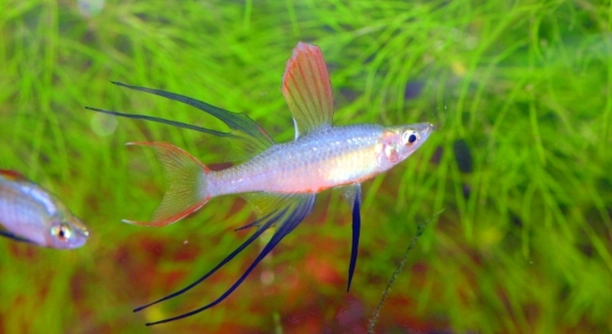
Finger movement often captures the attention of threadfins. These fish are naturally alert and responsive. Watching their reactions can be both relaxing and fascinating, revealing subtle behaviors that reflect their instincts and environment.
Threadfins exhibit a range of responses to finger movement, including approach, avoidance, rapid swimming, fin flaring, subtle orientation changes, following motions, and occasional exploratory pecking. Each reaction reflects sensory perception, environmental awareness, and innate behavioral tendencies within their aquatic habitat.
Observing these reactions offers insights into their natural behaviors and helps create a more engaging experience for anyone interacting with threadfins.
Approaching Finger Movements
Threadfins often swim closer when they notice a finger moving near the tank. This behavior shows curiosity and attentiveness, as they try to understand if the movement signals food or a potential threat. Some fish hover in place, observing each motion carefully. Others may inch forward slowly, maintaining a safe distance while exploring the area. Over time, frequent interaction may make certain threadfins more comfortable, allowing them to approach more boldly. The pattern of approach can vary depending on the individual fish’s temperament and past experiences. Some remain cautious, darting back at sudden movements, while others seem almost playful, gliding alongside the moving finger. Watching this behavior can reveal subtle differences in each fish’s personality. In addition, approach behaviors help threadfins assess changes in their environment. This can include shifts in light, water flow, or objects in their tank. Paying attention to how your threadfins approach can improve your understanding of their sensory cues and comfort levels.
Threadfins’ approach responses indicate a balance between curiosity and caution. They assess potential changes, maintaining awareness of their surroundings while investigating the finger movement.
Observing how a threadfin approaches can be surprisingly revealing. Some glide gently, while others make quick bursts toward the motion, each showing their own method of cautious investigation.
Avoidance Behavior
Threadfins often swim away from sudden finger movements, signaling a natural defense mechanism.
When a finger moves abruptly near the tank, threadfins may retreat toward hiding spots or the tank’s corners. This response is instinctive, stemming from their need to stay safe. Avoidance is more pronounced in younger or more timid fish. Even small changes in speed or direction of finger movement can trigger this reaction. Over time, repeated gentle interactions can reduce the intensity of avoidance, helping the fish feel more secure around humans. Avoidance is a sign of their alertness and awareness of their environment, showing that they are monitoring potential risks. Watching how threadfins respond to different speeds and distances of finger movement provides insights into their comfort zone. It also highlights how sensitive their lateral line system is, allowing them to detect vibrations and subtle currents. Respecting these boundaries ensures a less stressful interaction and helps maintain the fish’s natural behavior patterns. Consistent, calm movements encourage trust, making interactions smoother while keeping the fish attentive but relaxed.
Rapid Swimming
Threadfins may dart quickly when a finger moves too close, reacting instinctively to sudden motion.
Rapid swimming is a defensive and alert response. When they sense quick movement near them, threadfins often propel themselves with sudden bursts, moving unpredictably across the tank. This behavior is common among fish with high awareness of their surroundings. The speed and direction of their swimming can indicate their level of stress or curiosity. Some threadfins recover quickly and return to normal swimming patterns, while others may circle the tank, assessing safety. Understanding these bursts helps in creating calmer interactions.
This reaction can also reflect excitement. When threadfins perceive gentle, rhythmic finger movements, they sometimes combine bursts with slow swimming, creating a mix of caution and interest. Observing these patterns gives insight into individual temperament, showing which fish are more easily startled and which respond with controlled bursts. Consistent, calm approaches can help them adapt, reducing stress while encouraging more interactive behavior. Watching their swimming style allows noticing subtle cues about their comfort, alertness, and interest in the environment.
Fin Flaring
Threadfins flare their fins when a finger moves near, showing alertness and presence.
Fin flaring occurs as a visual response to movement. Threadfins spread their fins wide, either as a display of dominance, curiosity, or defense. The extent of flaring can indicate confidence, with bolder fish showing more prominent displays. This behavior often happens when the finger approaches slowly, giving the fish time to react. It can also serve to make them appear larger to potential threats or rivals in the tank. Regular observation of fin flaring helps interpret how comfortable or stressed the fish are.
Repeated flaring can also signal readiness to interact. Some threadfins flare intermittently while maintaining a safe distance, balancing caution with interest. It can occur alongside other behaviors like slight orientation changes, following movements, or brief approaches. Paying attention to patterns of fin flaring allows understanding of the fish’s mood and temperament. Over time, calmer interactions and gentle finger movements may reduce excessive flaring, indicating increased trust. This response provides a visual measure of how threadfins perceive motion and presence, helping guide appropriate handling and interaction methods.
Orientation Changes
Threadfins often shift their bodies to face a moving finger directly, showing attention and awareness.
These orientation changes help threadfins monitor movement while keeping a safe distance. Adjusting their position allows them to track motion accurately and respond appropriately, whether to approach, retreat, or flare fins.
Following Motions
Threadfins sometimes follow a finger slowly, matching its speed and direction. This behavior demonstrates curiosity combined with caution. Following allows them to investigate potential food or environmental changes without fully committing to contact. It is often seen in more confident individuals, who maintain a careful balance between interest and safety.
Exploratory Pecking
Some threadfins lightly peck at a finger when it hovers near them. This behavior reflects investigation rather than aggression.
Pecking is subtle, often accompanied by small nudges or gentle touches. It allows fish to learn about new objects in their environment and gauge whether they pose any risk or interest.
FAQ
Why do threadfins follow finger movements?
Threadfins follow finger movements primarily out of curiosity. They are naturally alert and use their lateral line system to detect subtle water vibrations. Following allows them to investigate changes in their environment while staying cautious. This behavior also shows a mix of interest and self-preservation, letting them explore without risk.
Is fin flaring a sign of aggression?
Not always. Fin flaring can indicate alertness, curiosity, or a defensive response. While it may appear aggressive, it is often a way for the fish to make themselves look larger when assessing nearby movement. Observing other body language, such as rapid swimming or hiding, helps determine the intent.
Do threadfins peck at fingers out of hunger?
Sometimes. Pecking is often exploratory rather than a direct feeding response. Fish use gentle pecks to learn about new objects in their environment, but repeated pecking near feeding times can indicate they associate the movement with food. Context and timing help clarify the reason.
Why do some threadfins avoid finger movement entirely?
Avoidance is a natural defense mechanism. Threadfins are highly sensitive to changes in water movement and may retreat when a finger approaches. Timid or younger fish are more likely to avoid, while consistent gentle interaction can gradually reduce avoidance over time.
Can rapid swimming be a sign of stress?
Yes. Sudden bursts of speed often reflect alarm or heightened awareness. Rapid swimming can occur when the finger moves abruptly or too close. Observing the frequency and duration of these bursts helps determine if the fish is becoming stressed or simply exploring.
How can I encourage calmer interaction?
Consistent, slow, and gentle movements are key. Allowing the fish to adjust to your presence gradually reduces stress. Avoid sudden changes in motion, and give them space to approach on their own terms. Over time, this fosters trust and encourages more interactive behavior.
Do orientation changes indicate interest?
Yes. When threadfins rotate to face a moving finger, they are paying attention. This adjustment allows them to track motion precisely and decide on a reaction. Orientation changes often occur alongside fin flaring, pecking, or following, providing insight into their comfort and curiosity levels.
Are there individual differences in reactions?
Absolutely. Each threadfin has its own temperament. Some are bolder, approaching fingers quickly and following closely, while others remain cautious, keeping distance and reacting with avoidance. Observing these differences helps in understanding individual needs and preferred interaction styles.
Can repeated interaction reduce fear?
Yes, but it requires patience. Gentle, predictable finger movements over time help threadfins become accustomed to human presence. Avoid forcing contact, and allow them to explore at their own pace. Gradual exposure strengthens trust and encourages calmer, more confident responses.
Why do threadfins sometimes combine behaviors?
Threadfins often mix reactions like following, fin flaring, and pecking simultaneously. This combination reflects their complex assessment of risk and curiosity. It allows them to gather information, express alertness, and maintain readiness to react. Observing these mixed behaviors provides a deeper understanding of their instincts and comfort level.
How important is the tank environment for reactions?
Very important. A well-maintained, calm environment reduces stress and encourages natural behaviors. Elements like hiding spots, stable water conditions, and minimal sudden disturbances affect how threadfins respond to finger movement. A safe environment allows for more predictable and positive interactions.
Do all threadfins react the same way to movement?
No. Reactions vary based on age, personality, and past experiences. Some fish may approach confidently, while others are cautious or shy. Monitoring each fish individually helps tailor interaction methods to their comfort and curiosity levels.
Can finger movements harm threadfins?
Indirectly, yes. Abrupt or aggressive movement can stress the fish, leading to defensive behaviors or hiding. Consistent, gentle interactions are safest. Avoid tapping the glass or sudden motions, and respect their space to prevent unnecessary stress or injury.
What is the benefit of observing these reactions?
Watching finger movement responses helps understand individual temperament, stress levels, and curiosity. It can guide better care, improve interactions, and reveal natural instincts. Being attentive to these behaviors strengthens awareness of threadfins’ needs and promotes a healthier, more engaging environment.
How long does it take for threadfins to respond positively?
It varies. Some fish adjust within days, while others need weeks or longer. Patience, consistency, and gentle movements are essential. Respecting each fish’s comfort zone encourages gradual trust, leading to calmer, more confident responses to finger movements over time.
Final Thoughts
Threadfins are interesting and responsive fish. Their reactions to finger movements can reveal a lot about their natural behavior and comfort levels. Some fish approach slowly, showing curiosity, while others retreat, demonstrating caution. Observing these patterns helps in understanding their instincts, personality, and how they interact with their environment. Each reaction, whether fin flaring, rapid swimming, or gentle pecking, tells a story about how the fish perceives motion around them. Being aware of these behaviors makes it easier to interact with them without causing unnecessary stress. Over time, paying attention to these subtle cues allows you to recognize individual differences between fish, which can improve care and interaction.
Consistent and gentle movements are key when trying to engage threadfins. Sudden motions may startle them, causing defensive or avoidance behaviors. Slow finger movements near the tank allow them to investigate safely and at their own pace. Some fish gradually become more confident, approaching the movement more closely and even following it. Others may remain cautious, and that is normal. The goal is not to force interaction but to respect their natural instincts while providing opportunities for engagement. Creating a calm environment with stable water conditions and enough hiding spots also contributes to positive responses. Observing these reactions carefully over time can help identify which fish are more outgoing and which prefer to maintain distance.
Understanding threadfins’ reactions can make interactions more enjoyable and meaningful. By watching how they respond, you gain insight into their alertness, curiosity, and comfort levels. Each type of response, from rapid swimming to gentle orientation changes, reflects their instincts and personality. Interactions are more successful when patience and consistency are applied, allowing the fish to adjust gradually. Recognizing and respecting their boundaries reduces stress and promotes natural behavior, while also creating opportunities for observation and learning. Paying attention to these behaviors enriches the experience of caring for threadfins and fosters a deeper appreciation for their unique ways of responding to movement in their environment.

Hello,
If you enjoy the content that we create, please consider saying a "Thank You!" by leaving a tip.
Every little bit helps us continue crafting quality advice that supports the health, happiness, and well-being of pets around the world, for pets of all shapes, sizes, and species.
We really appreciate the kindness and support that you show us!