
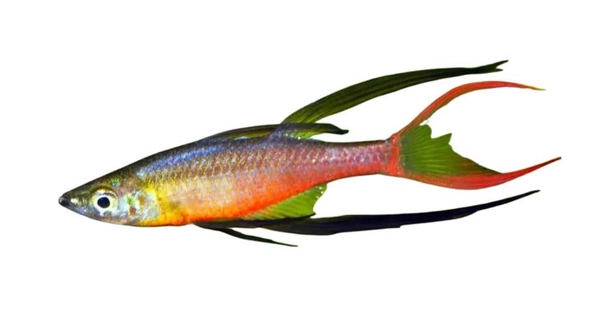
Are your threadfin rainbowfish suddenly gulping at the water surface more than usual? This behavior can be worrying for any aquarist. Observing it closely can help identify underlying causes and maintain a healthy environment for your fish.
Gulping in threadfin rainbowfish typically indicates issues with water quality, oxygen levels, feeding habits, disease, stress, tank overcrowding, or improper temperature. Addressing these factors promptly ensures the fish’s respiratory health and overall wellbeing is preserved.
Understanding the reasons behind this behavior is crucial. Knowing what triggers gulping will help you create a healthier and more comfortable habitat for your rainbowfish.
Low Oxygen Levels
Threadfin rainbowfish are very sensitive to oxygen availability. If your tank water is poorly aerated or overcrowded, they may gulp at the surface to access more oxygen. Signs of low oxygen include rapid gill movement, lethargy, and gasping near the water surface. Proper aeration, such as air stones or strong filtration, can help maintain adequate oxygen. Regular partial water changes also reduce waste accumulation, which can deplete oxygen levels. Keep plants balanced, as too many may consume oxygen at night. Observing your fish’s behavior during feeding and rest times can help spot oxygen issues early. Ensuring a stable environment supports overall health and reduces stress, which is crucial for preventing gulping.
Oxygen depletion can also occur in hot water, as warmer temperatures reduce oxygen solubility.
Maintaining consistent oxygen levels prevents frequent surface gulping and supports fish vitality. Adjusting tank setup, limiting overcrowding, and checking aeration devices can create a stable and breathable environment for your rainbowfish, helping them thrive with minimal stress.
Poor Water Quality
Poor water quality directly impacts fish health and can trigger gulping behavior. High ammonia, nitrite, or nitrate levels irritate gills, causing fish to struggle for oxygen. Regular testing of water parameters is essential. Frequent partial water changes reduce harmful chemical buildup. Avoid overfeeding, as excess food decomposes and worsens water quality. Using a reliable filtration system keeps water clean and maintains chemical balance. Monitoring pH, hardness, and temperature ensures the water matches the natural habitat of threadfin rainbowfish, promoting comfort and reducing stress. Signs of poor water quality include cloudy water, unusual odors, and sudden changes in fish behavior. Maintaining clear, balanced water allows your rainbowfish to swim and breathe normally without excessive surface gulping.
Addressing water quality is vital for long-term fish health. By testing regularly and making consistent adjustments, you create a stable environment that reduces gulping episodes and encourages normal respiratory function. Additionally, avoiding sudden changes and introducing new water gradually helps the fish adapt smoothly, keeping stress levels low. Over time, a well-maintained tank ensures your rainbowfish remain active, colorful, and healthy, minimizing any recurring respiratory issues. Proper care fosters a consistent habitat where fish can thrive naturally, letting you enjoy observing them without constant concern over gulping or unusual behavior.
Overfeeding
Overfeeding can cause gulping as uneaten food decomposes, reducing oxygen and polluting water. Threadfin rainbowfish may struggle to breathe if their tank becomes overloaded with waste. Feeding smaller, controlled portions helps maintain water quality and reduces respiratory stress.
Excess food in the tank leads to higher ammonia and nitrate levels, which irritate the gills and trigger gulping. Over time, this can weaken the fish and make them more susceptible to disease. Feeding once or twice a day with the appropriate amount prevents leftover food from accumulating. Using a feeding schedule and measuring portions ensures the fish receive enough nutrition without harming the tank environment.
Feeding too frequently or giving large amounts can cause behavioral and health issues. Fish may gulp at the surface as they try to compensate for the poor water conditions caused by decaying food. Maintaining proper feeding habits directly supports their respiratory function, keeps the tank clean, and promotes overall health.
Disease and Parasites
Internal parasites or gill infections can make threadfin rainbowfish gulp at the surface. Sick fish often show lethargy, loss of appetite, and unusual swimming patterns. Identifying symptoms early is critical to prevent serious health decline.
Bacterial infections and protozoan parasites are common causes of respiratory distress. They damage gill tissues, reducing the fish’s ability to extract oxygen from water. Treating affected fish with appropriate medication, isolating sick individuals, and improving water quality can help control the infection. Observation is key; regular checks allow early intervention before the condition worsens. Maintaining good hygiene in the tank, such as cleaning substrates and filters, also reduces the risk of disease outbreaks.
Consistent monitoring of behavior and physical appearance is essential. Prompt treatment of illness prevents long-term damage and keeps the tank environment safe. Healthy fish are less likely to gulp excessively, and managing parasites ensures the rainbowfish remain active and vibrant, minimizing stress and promoting normal respiratory patterns.
Stress from Overcrowding
Too many fish in a tank can stress threadfin rainbowfish, causing them to gulp at the surface. Limited space reduces swimming comfort and increases competition for oxygen and food. Maintaining appropriate stocking levels helps keep fish calm and healthy.
Overcrowding also raises waste levels and decreases water quality. Higher ammonia and nitrate concentrations further irritate gills, intensifying gulping behavior. Spreading fish across properly sized tanks ensures balanced oxygen levels and reduces conflict.
Improper Temperature
Temperature outside the ideal range affects rainbowfish metabolism and oxygen absorption. Warmer water holds less oxygen, making fish gulp more often. Sudden fluctuations can also trigger stress and impact respiratory efficiency.
Maintaining stable temperatures with a reliable heater and thermometer prevents respiratory strain. Monitoring the water ensures the fish remain comfortable, reducing gulping and promoting normal activity.
Stress from Tank Environment
Sharp decorations, strong currents, or frequent disturbances can stress rainbowfish. A calm, well-structured tank encourages natural behavior and prevents gulping.
Inadequate Diet
A diet lacking essential nutrients can weaken gill function and overall health. Balanced feeding supports respiration and vitality.
FAQ
Why is my threadfin rainbowfish gulping at the surface?
Gulping often signals that your fish is struggling to get enough oxygen. Low oxygen levels, poor water quality, overcrowding, or high temperatures can make it harder for the fish to breathe. Sometimes, illness or parasites affecting the gills may also be the reason. Monitoring water conditions and fish behavior can help identify the cause.
How can I improve oxygen levels in my tank?
Adding air stones, using a strong filter, and ensuring proper water circulation can increase oxygen levels. Live plants also help, but balance is important since they consume oxygen at night. Reducing overcrowding and performing regular water changes keeps oxygen levels stable and prevents gulping.
Could overfeeding cause gulping?
Yes, excess food decomposes and reduces water quality, which can irritate gills and trigger gulping. Feed your fish small portions once or twice daily, and remove uneaten food promptly. Keeping a feeding schedule prevents water contamination and maintains healthy respiration.
What water parameters are ideal for threadfin rainbowfish?
Rainbowfish prefer slightly alkaline water with a pH around 7.0–8.0 and moderate hardness. Temperature should remain stable between 24–28°C (75–82°F). Regular testing of ammonia, nitrite, and nitrate levels ensures the environment remains safe. Sudden changes in temperature or pH can stress fish and cause gulping.
Can disease or parasites cause gulping?
Yes, infections of the gills or internal parasites can reduce oxygen absorption. Look for lethargy, clamped fins, and abnormal swimming. Quarantine affected fish and treat with appropriate medication. Maintaining clean water and hygiene prevents disease outbreaks and helps fish recover faster.
Does overcrowding affect my fish’s breathing?
Absolutely. Too many fish increase competition for oxygen and raise waste levels, reducing water quality. Keeping appropriate stocking levels ensures enough space and oxygen for each fish. Proper tank size and population management reduce stress and prevent frequent surface gulping.
How does temperature influence gulping?
Higher water temperatures lower oxygen levels, making it harder for fish to breathe. Rapid temperature fluctuations also stress rainbowfish. Use a reliable heater and thermometer to maintain consistent temperature. Gradual adjustments during changes prevent stress and minimize gulping behavior.
What diet helps prevent gulping?
A balanced diet with high-quality flake, pellets, and occasional live or frozen foods supports gill health and overall vitality. Avoid overfeeding and provide variety to ensure proper nutrition. Well-fed fish are more resilient to stress and less likely to gulp excessively.
How can I tell if my fish is stressed?
Signs of stress include rapid gulping, erratic swimming, hiding, loss of appetite, or faded colors. Stress often results from overcrowding, poor water quality, improper temperature, or sudden environmental changes. Addressing these factors promptly helps restore normal behavior.
What regular maintenance prevents gulping?
Performing weekly water changes, monitoring oxygen levels, testing water parameters, cleaning filters, and maintaining proper stocking levels all prevent conditions that trigger gulping. Observing fish behavior regularly allows early intervention for any emerging problems. A well-maintained tank supports long-term health and vitality of threadfin rainbowfish.
Is it normal for occasional gulping?
Occasional gulping can occur, especially during feeding or brief activity spikes. However, consistent surface gulping usually indicates an underlying issue with oxygen, water quality, diet, or health. Tracking frequency and conditions helps distinguish normal behavior from a problem.
How fast should I act if my fish starts gulping?
Prompt action is important. Test water immediately, check temperature, observe for signs of disease, and adjust feeding if necessary. Early correction of environmental or health issues prevents long-term harm and reduces stress. Quick intervention often restores normal breathing behavior.
Can tank decorations or setup affect gulping?
Yes. Sharp objects, heavy currents, or poorly arranged decorations can stress rainbowfish. A calm, open swimming space reduces stress and promotes natural behavior. Proper arrangement also ensures water circulates evenly, supporting oxygen distribution throughout the tank.
Should I isolate a gulping fish?
Isolation can help if disease is suspected. Quarantine reduces stress on other fish and prevents potential spread of infection. Monitor the isolated fish closely, treat if needed, and gradually reintroduce it once it recovers and water conditions are optimal.
How long does it take for gulping behavior to improve?
Improvement depends on the cause. Fixing oxygen levels, water quality, and temperature may show results within hours to a day. Treating disease or parasites could take several days. Consistent care and monitoring ensure the behavior does not recur.
Can stress from tankmates trigger gulping?
Aggressive or territorial fish can stress rainbowfish, causing rapid surface gulping. Providing hiding spaces, managing tank population, and observing interactions helps reduce tension and supports normal respiratory patterns.
How often should I test water to prevent gulping?
Weekly testing for ammonia, nitrite, nitrate, pH, and temperature is recommended. Frequent checks allow early detection of harmful conditions, ensuring oxygen and water quality remain suitable for healthy fish respiration.
Threadfin rainbowfish gulping at the surface is a common behavior that signals the fish may be experiencing stress or difficulty breathing. Observing their behavior closely can help you identify potential issues early. Often, this behavior is linked to environmental factors such as low oxygen levels, poor water quality, or improper tank temperature. Addressing these factors promptly helps prevent long-term health problems. Simple changes, like improving aeration, performing regular water changes, and adjusting stocking levels, can make a noticeable difference. Maintaining a stable environment reduces stress on the fish and allows them to behave naturally without constantly struggling for oxygen.
Feeding habits also play an important role in the overall well-being of threadfin rainbowfish. Overfeeding can cause water contamination, which irritates the gills and triggers gulping. Providing a balanced diet with measured portions supports healthy growth and prevents respiratory stress. In addition, ensuring variety in their diet helps maintain proper nutrition, which strengthens their immune system and reduces the likelihood of disease. Sick or stressed fish often show signs like lethargy, faded colors, and unusual swimming patterns, so keeping a close eye on these behaviors is essential. Early intervention for illness, along with maintaining good tank hygiene, creates a safer and more stable environment for all your fish.
Proper tank management is key to preventing excessive gulping and promoting overall fish health. Factors such as overcrowding, improper tank decorations, and aggressive tankmates can contribute to stress and respiratory difficulties. By organizing the tank thoughtfully, providing adequate space, and ensuring compatible companions, you can reduce these stressors. Consistent monitoring of water parameters, temperature, and oxygen levels ensures that the tank environment remains suitable for the rainbowfish. Over time, maintaining these practices encourages natural behavior, enhances vitality, and reduces the need for frequent interventions. A well-cared-for tank supports not only the respiratory health of threadfin rainbowfish but also their overall activity, coloration, and longevity, making them a vibrant and thriving part of your aquatic setup.

Hello,
If you enjoy the content that we create, please consider saying a "Thank You!" by leaving a tip.
Every little bit helps us continue crafting quality advice that supports the health, happiness, and well-being of pets around the world, for pets of all shapes, sizes, and species.
We really appreciate the kindness and support that you show us!