
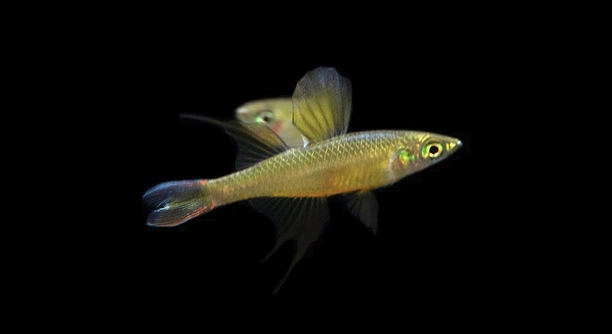
Have you ever set up a tank for threadfin fish but felt like their behavior seemed a little unnatural or restrained indoors?
Designing tanks that reflect natural environments allows threadfin fish to display authentic behaviors. Proper layouts, structures, and features encourage swimming patterns, schooling tendencies, and social interactions. These designs create healthier, more active, and visually engaging fish communities in captivity.
From carefully chosen layouts to thoughtful structural elements, each design plays a role in shaping the everyday life of threadfin fish.
Spacious Schooling Areas
Threadfin fish are active swimmers that thrive when given open water to move in groups. A tank with wide, clear areas encourages natural schooling behavior, which helps reduce stress and improves social interactions. Keeping the center of the tank open is often the best way to achieve this. Decorative elements and plants should be placed near the sides, leaving enough space in the middle for swimming. This design not only supports the physical activity of the fish but also gives them the freedom to establish a rhythm similar to their behavior in the wild. Observing threadfins glide together in smooth, synchronized motions creates a balanced and healthy environment that benefits both the fish and the aquarist. Spacious layouts are a fundamental step in designing tanks that enhance natural activity, and they set the stage for other features that can further enrich the overall setup.
A large swimming zone allows threadfin groups to practice their natural movements with ease. This type of arrangement supports their active lifestyle, making them feel secure while encouraging healthier habits.
When threadfin fish have the ability to swim in open schools, their overall behavior becomes more authentic. They display better patterns of coordination, interact more naturally with each other, and adapt to the tank more smoothly. Designing a tank with these schooling areas also reduces aggression that sometimes appears when fish feel confined. Plants and decorations should still be included, but spacing them out prevents overcrowding and allows fish to weave through gently, similar to how they navigate around plants in streams. A good balance between structure and open water ensures the fish remain active while still having areas to retreat to when needed. Providing this freedom of movement is one of the easiest yet most effective ways to encourage their natural behavior.
Sheltered Spaces
Threadfin fish also benefit from sheltered spaces that mimic their natural hiding areas. Including clusters of plants, driftwood, or caves gives them security and resting places when they need breaks from swimming.
Sheltered zones encourage fish to explore their environment with confidence while having options for retreat. Adding plant cover or gentle structures creates a balance between safety and activity. These areas prevent stress by offering calm resting spots and help shy threadfins feel more at ease in community tanks. When arranged thoughtfully, shelters do not take away from swimming space but rather complement it, creating a more complete tank design. Using live plants like Java moss or tall grasses not only offers protection but also contributes to water quality and oxygen balance. In this way, sheltered spaces provide both functional and behavioral benefits, helping the tank resemble a natural environment while supporting the health and comfort of the fish.
Gentle Water Flow
Threadfin fish thrive in tanks with gentle water flow, which helps them swim naturally without strain. A balanced current encourages movement, supports their slender fins, and prevents still water that may lead to unhealthy conditions.
Creating soft currents with adjustable filters or spray bars gives threadfins the right environment. Too strong of a flow can exhaust them, while stagnant water can stress them. Placing the output at one side of the tank allows smooth water circulation, imitating the slow-moving streams they naturally prefer. This type of arrangement also prevents debris buildup, keeping the water quality stable.
A gentle current provides more than comfort—it shapes how the fish behave daily. Threadfins become more active, gliding with ease rather than fighting against strong pressure. Their fins flow gracefully, and the overall movement in the tank feels calmer. Achieving this balance makes their habitat safer, healthier, and more natural.
Layered Planting
Layered planting creates depth in the tank while offering threadfins natural cover. Using taller plants at the back and shorter plants in the front allows fish to swim through different zones, supporting both shelter and visibility.
Incorporating live plants benefits more than just appearance. Plants like Vallisneria, Rotala, or Java fern not only give structure but also improve oxygen levels. Threadfins swim through tall grasses with confidence, resting among leaves when needed. Arranging plants in layers makes the tank feel larger, offering more opportunities for exploration. This style supports both natural behavior and better overall tank balance, making it practical as well as beautiful.
Natural Substrates
Using sand or fine gravel helps threadfin fish behave more naturally. A soft substrate allows them to sift and forage without injury, supporting behaviors they often display in their natural habitats.
Avoid sharp gravel since it may harm their delicate fins and mouths. Natural-colored substrates not only look appealing but also create a calming environment that keeps the fish less stressed and more active.
Balanced Lighting
Lighting should mimic gentle daylight, supporting both the fish and plant growth. Too much brightness makes threadfins uneasy, while soft, timed lighting creates a natural rhythm. Subtle variations in intensity encourage active swimming and resting cycles that feel familiar.
Floating Plants
Floating plants offer shade and comfort for threadfins. Their presence softens light, reduces stress, and creates safe zones where fish feel secure while continuing to swim naturally in open areas.
FAQ
How large should a tank be for threadfin fish?
Threadfin fish are active swimmers, so they require ample space to move in groups. A minimum of 20 gallons is recommended for a small school, but larger tanks are always better. Wide tanks provide open swimming zones and help reduce stress. Keeping enough room for both shelter and activity ensures that their behavior feels natural and not confined. When space is limited, aggression and unhealthy habits can appear, which makes tank size one of the most important considerations. Bigger tanks also give you more options for arranging plants and structures without crowding the fish.
Do threadfin fish need tank mates?
Threadfins are peaceful by nature and do best in community setups with other gentle fish. Ideal companions include small rasboras, tetras, and Corydoras. Aggressive or fin-nipping species should always be avoided since threadfins have long, delicate fins. When choosing tank mates, focus on fish with calm temperaments that will not outcompete threadfins for food. Keeping them in a school of at least six also prevents stress and encourages natural group swimming. With thoughtful pairing, they thrive in community tanks and remain active, colorful, and calm.
What kind of diet supports natural behavior?
A varied diet that mimics their feeding habits in the wild works best. Threadfin fish enjoy small live or frozen foods like brine shrimp, daphnia, and mosquito larvae. These foods encourage chasing and active feeding behavior, which keeps them stimulated. High-quality micro pellets and flakes can be included to balance nutrition, but live and frozen options should not be skipped. Offering food in small amounts throughout the day matches their natural feeding rhythm, helping them stay healthy. Their delicate mouths make small food sizes essential to prevent stress while eating.
Why is water quality important for threadfin fish?
Threadfins are sensitive to poor water conditions, so stable and clean water is critical. They prefer slightly acidic to neutral water, with a temperature between 75–82°F. Weekly water changes and careful monitoring of ammonia, nitrite, and nitrate levels keep them safe. A strong filter with a gentle flow maintains both quality and circulation. Poor water conditions quickly affect their health and behavior, causing stress, dull coloration, and reduced activity. Stable water quality supports their natural habits and keeps them vibrant. Maintaining balance in the tank helps them thrive without unnecessary stress.
Do threadfin fish need live plants?
Live plants are not required, but they greatly improve the habitat. Plants provide shelter, encourage exploration, and help regulate water quality. Threadfins enjoy weaving through tall grasses and resting among leaves, behaviors that reflect their natural environments. Plants like Vallisneria, Rotala, and Java moss create ideal coverage without taking up too much space. Floating plants are also useful since they soften the lighting and create shaded areas for resting. While artificial decorations can be used, live plants add enrichment and support the overall ecosystem, giving the fish more opportunities for natural interaction.
How can stress be reduced in threadfin fish?
Stress reduction starts with creating a balanced environment. Open swimming zones, gentle currents, sheltered spaces, and consistent water quality all play a role. Avoid sudden changes in lighting, temperature, or tank layout, since threadfins are sensitive to disruptions. Keeping them in groups reduces loneliness and helps them feel secure. Stress often shows through faded coloration or unusual hiding, so noticing these signs early is important. By designing the tank thoughtfully, stress can be minimized, and their natural beauty and behavior will stand out more clearly.
Are threadfin fish difficult to care for?
Threadfin fish are not difficult to care for, but they require attention to detail. Their delicate fins, sensitivity to water quality, and need for calm tank mates mean they should not be placed in careless setups. However, with proper planning, their care becomes straightforward. A tank that includes space, plants, and gentle currents supports their natural activity. Regular feeding with suitable food and routine maintenance keeps them healthy. They are best suited for aquarists willing to provide a stable environment, and in return, they display elegant schooling and unique beauty.
Can threadfin fish be kept with larger species?
It is best to avoid housing them with larger species. Bigger fish often see threadfins as food or outcompete them for resources. Even non-aggressive large fish may accidentally harm threadfins because of their size difference. Smaller, peaceful companions allow them to swim freely without fear. Choosing tank mates closer in size ensures safety and supports natural behavior. Their delicate fins also make them easy targets, so keeping them away from larger species preserves both their health and their graceful appearance.
Do threadfin fish need strong filtration?
A reliable filter is essential, but it should not create a strong current. Threadfins thrive in gently moving water, similar to slow streams. Adjustable filters with spray bars or sponge filters work well. Strong suction or heavy currents can exhaust them and damage their fins. Balanced filtration not only keeps the water clean but also maintains circulation without overwhelming the fish. The goal is to achieve steady, healthy water conditions that support both plants and fish. This setup allows threadfins to swim comfortably and behave as they naturally would.
What signs show threadfin fish are healthy?
Healthy threadfin fish display clear fins, active swimming, and vibrant coloration. They school together, show curiosity, and feed readily when comfortable. Stress or illness may appear as clamped fins, loss of appetite, or dull colors. Observing daily behavior helps detect changes early, giving you time to adjust their environment. When their needs are consistently met, threadfins remain lively, graceful, and active, adding beauty and balance to the tank. Their natural movements and group behavior are strong indicators of their well-being.
Final Thoughts
Designing a tank for threadfin fish is about creating a space where they can feel secure while behaving as they would in nature. These fish are delicate, graceful, and highly social, which makes their environment especially important. Open swimming zones give them room to school in harmony, while planted areas and sheltered spots offer safety and comfort. Gentle water flow, natural substrates, and balanced lighting further shape the tank into a space that matches their instincts. Every element works together to reduce stress and bring out the best in their behavior, making them more active and healthy. A well-planned tank also allows you to enjoy watching them move gracefully, which is part of what makes keeping threadfins so rewarding.
Threadfins are not difficult to care for, but they do require more attention to detail than some other small fish. Their long, flowing fins make them vulnerable to damage, so aggressive or fast-moving tank mates must be avoided. They also prefer stable water conditions, meaning regular maintenance is necessary to keep them thriving. These extra considerations are not a burden, but rather a way of ensuring they live comfortably and display their natural beauty. When given the right conditions, threadfin fish reward you with stunning colors, elegant movements, and a calm presence in the tank. It becomes clear that the effort spent on careful design is worthwhile when you see them gliding together in peaceful groups, showing the kind of behavior they would display in the wild.
In the end, a threadfin tank is about balance. Too much decoration can limit swimming space, while too little can leave them feeling exposed. Bright lighting may make them uneasy, but a dim, shaded environment keeps them calm. Each detail plays a role in shaping their behavior and well-being. By blending open areas, gentle currents, structured planting, and natural substrates, you give your threadfins everything they need to thrive. These choices not only improve their health but also create a tank that feels alive and dynamic. Watching them interact with their environment becomes a daily reminder that thoughtful design makes a difference. Providing threadfins with a natural and balanced home ensures their lives in captivity are rich, healthy, and full of activity, which is the most rewarding outcome for both the fish and the keeper.

Hello,
If you enjoy the content that we create, please consider saying a "Thank You!" by leaving a tip.
Every little bit helps us continue crafting quality advice that supports the health, happiness, and well-being of pets around the world, for pets of all shapes, sizes, and species.
We really appreciate the kindness and support that you show us!