
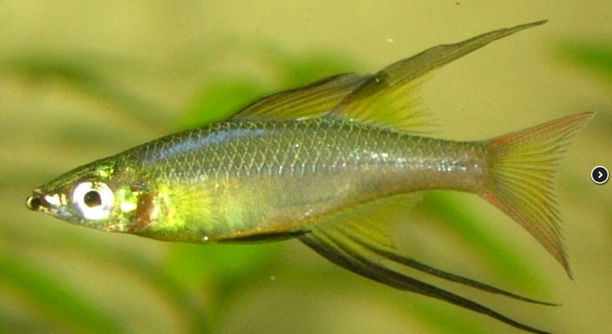
Observing threadfins can be a quiet and rewarding experience. Their movements are often subtle, yet their behaviors reveal patterns that are fascinating when studied closely over time. Spending time with them allows for a better understanding of their routines and interactions.
Careful observation of threadfins reveals consistent behaviors, including feeding patterns, social interactions, and responses to environmental changes. Noting these details helps researchers and enthusiasts understand their habits, ecological roles, and adaptive strategies in aquatic ecosystems.
Watching threadfins closely can uncover details often missed at first glance, revealing insights that are both surprising and informative for their care and study.
Early Morning Movements
Threadfins are most active during the early hours of the day. They move slowly along the shallow edges of their habitat, inspecting the sand and water carefully. Their fins ripple gently as they navigate, creating small currents that stir up tiny particles and uncover hidden food. Observing them, I noticed how precise each movement is, almost as if every motion serves a clear purpose. They rarely rush, instead taking their time to explore and react to subtle changes around them. These movements seem to follow a natural rhythm, influenced by light and water temperature, but also by the presence of other fish nearby. Even slight disturbances in the water can shift their path or alter their focus, showing how finely tuned they are to their environment. Paying attention to these patterns provides insight into their daily habits and highlights their patience and awareness.
Early morning activity is the most revealing for understanding their natural behavior. Patience is key when watching them during this period.
Repeated observation during these quiet hours reveals the subtleties of their interactions. Threadfins not only search for food but also communicate through small movements and fin gestures. Their awareness of surroundings is evident in how they adjust position when others approach. Watching these interactions helps identify patterns in feeding, resting, and social behavior. Over time, these patterns become predictable, allowing a clearer picture of how they adapt to environmental changes. Even minor shifts in light or water flow can change the way they swim or gather in groups. Documenting these movements over multiple mornings highlights their reliance on sensory cues and provides a framework for understanding how they survive and thrive in their habitat. This careful observation can also inform decisions about habitat management and ensure healthier conditions for them.
Feeding Patterns
Threadfins tend to eat small organisms that float or settle near the bottom of their environment. They are selective but opportunistic, often following subtle signs of food in the sand or water.
When feeding, their movements become quicker and more focused. They use their pectoral fins to stir sediment gently, uncovering tiny crustaceans and detritus. Observing this, it’s clear that feeding is both an instinctive and learned behavior. Some threadfins follow others to profitable spots, showing coordination and awareness of nearby activity. Their timing is precise, often syncing with the availability of food sources and light conditions. Feeding sessions can last several minutes, with breaks in between where they hover or drift. These pauses are important, allowing them to scan the area for threats while processing small catches. Noticing these pauses helps understand how energy is managed efficiently, balancing consumption and vigilance.
Over multiple observations, their patterns demonstrate that feeding is not random. Timing, location, and fin movements all indicate a strategy that maximizes energy intake while minimizing risk. Threadfins adjust to changes in food availability and even follow temporary shifts in currents that bring more sustenance their way. Watching them feed highlights the link between environmental conditions and behavioral choices, showing how they adapt naturally to ensure survival. Their coordinated movements suggest a level of awareness that goes beyond simple instinct, integrating sensory input with learned responses. These insights provide valuable information for anyone monitoring their health and habitat.
Social Interactions
Threadfins often swim in small groups, keeping a careful distance from each other while remaining aware of nearby activity. Their movements are coordinated, and they adjust positions based on the actions of others around them.
Observing these interactions reveals subtle communication cues. Threadfins use small fin flicks and body angles to signal presence or intentions. When one fish changes direction, others often follow with a slight delay, suggesting an awareness of group dynamics. These signals help reduce conflict over food and space, allowing the group to move efficiently. They also establish informal hierarchies, with certain individuals leading or occupying preferred spots. Understanding these behaviors highlights their social intelligence and how coordination supports survival in shared habitats.
Patterns of social interaction also show adaptability. Threadfins respond to newcomers or intruders by shifting formation or altering swimming speed. Over time, these adjustments stabilize, indicating learned responses to repeated encounters. Group size affects movement fluidity, and individual behavior influences the collective rhythm. Watching these nuances provides insight into social structures, leadership tendencies, and cooperative strategies. Observing closely, it becomes evident that social behavior is not only instinctual but also shaped by experience and environment.
Response to Environmental Changes
Threadfins react quickly to changes in water temperature and light. Even small shifts alter swimming patterns and depth preferences.
They adjust position in the water column depending on temperature, seeking layers that provide comfort and stability. When light levels change, they often move toward shaded areas or shallower spots, balancing visibility with safety. Currents also influence their path, and they modify movements to conserve energy while maintaining access to food sources. These adjustments are consistent and repeatable, demonstrating their sensitivity to environmental cues and ability to adapt behavior accordingly.
Observation over several days shows that responses are nuanced. Threadfins anticipate gradual changes, moving slightly before conditions become extreme. Rapid alterations trigger immediate, coordinated reactions, affecting both individual and group dynamics. They may shift closer together or spread out depending on perceived risk or comfort. Even minor disturbances, like passing shadows or ripples, result in cautious adjustments. These behaviors highlight an intricate connection between sensory perception and movement. Understanding these responses provides insight into survival strategies and helps maintain optimal conditions when observing or managing them in controlled habitats.
Resting Behavior
Threadfins often rest near the bottom or in calm areas, keeping fins still while maintaining alertness. They may drift slightly with the current, conserving energy but staying aware of surroundings.
Rest periods are short but frequent. During these times, they appear relaxed, yet subtle movements in their eyes and fins show constant monitoring of the environment.
Territory Awareness
Threadfins mark areas through movement and positioning, often returning to familiar spots repeatedly. Boundaries are respected by other fish, minimizing conflict. Their awareness of space helps in finding food efficiently and avoiding unnecessary confrontations, maintaining a balance between activity and safety in their habitat.
Interaction With Other Species
Threadfins show cautious curiosity toward other species. They observe without immediate engagement, maintaining a safe distance while assessing potential threats or opportunities. This behavior indicates an ability to distinguish between harmless and competitive species, ensuring safety and efficient resource use within shared habitats.
Seasonal Patterns
Threadfins’ activity changes with the seasons. Temperature, daylight, and water conditions influence feeding, movement, and rest, causing predictable shifts in behavior across different times of the year.
FAQ
How long do threadfins usually stay in one area?
Threadfins often return to familiar spots throughout the day. While they may explore nearby areas for food, they generally stay within a preferred range. This behavior helps them conserve energy while maintaining access to known resources and avoiding unexpected threats. Their movements are deliberate and predictable when observed closely.
What do threadfins eat most often?
Their diet primarily consists of small crustaceans, detritus, and other tiny organisms found in the sand or water column. They use their fins to stir sediment and uncover hidden food. Feeding is methodical, with short pauses to monitor surroundings, allowing them to balance nutrition intake with safety.
Do threadfins interact with each other while feeding?
Yes, they coordinate subtly when feeding. Movements like fin flicks or body adjustments signal presence and intentions to nearby fish. These small interactions reduce conflicts over food and allow multiple individuals to feed in proximity without aggression. Observing these cues reveals their social awareness and efficiency in shared spaces.
How do threadfins react to predators?
Threadfins are highly alert. At the first sign of a predator, they either move quickly to deeper water or blend near the substrate. Groups adjust their positions, often spreading out or huddling depending on threat level. These reactions are rapid but precise, showing an innate understanding of safety in numbers and environmental awareness.
Do environmental changes affect threadfins’ behavior?
Absolutely. Changes in water temperature, light, and currents directly influence their movement, depth preference, and resting behavior. Even minor disturbances, like passing shadows or ripples, prompt careful adjustments. They continually assess surroundings, demonstrating adaptability to both gradual and sudden changes in their environment.
Can threadfins recognize individual fish?
Observations suggest that threadfins can distinguish regular group members from newcomers. They adjust behavior based on familiarity, showing more confidence and predictable interactions with known fish. Newcomers may prompt cautious monitoring or avoidance until they integrate, indicating a memory and recognition component in their social structure.
Do threadfins rest at night?
Yes, they have regular resting periods, usually near the bottom or in calmer areas. Fins remain mostly still while eyes stay alert. Even during rest, they monitor surroundings for changes, showing that energy conservation does not compromise awareness or safety.
How do threadfins respond to changes in food availability?
When food becomes scarce, they expand their foraging area and adjust feeding times. Groups may synchronize movements to maximize efficiency. They remain cautious while exploring new feeding spots, balancing risk and reward. This flexible approach ensures continued access to resources under varying conditions.
Are threadfins territorial?
They show moderate territory awareness. Preferred areas are revisited frequently, and boundaries are respected to minimize conflict. While not aggressively defensive, threadfins monitor and maintain their space, which helps with efficient feeding and reduces unnecessary confrontations. Their positioning conveys subtle territorial signals to other fish.
How do seasonal changes affect threadfins?
Seasonal variations in temperature, light, and water conditions influence activity levels, feeding, and resting behavior. They adjust swimming patterns, depth preference, and social interactions to align with environmental shifts. Recognizing these patterns allows for accurate observation of natural behavior throughout the year.
Do threadfins interact with other species?
They are cautious but curious. Threadfins observe other species from a safe distance, evaluating threats or potential opportunities. This selective interaction helps them avoid conflict while benefiting from shared habitat resources, showing a balance of vigilance and opportunism.
Can observing threadfins help in habitat management?
Yes, closely watching their behavior provides insight into feeding patterns, social interactions, and environmental responses. These observations inform decisions about water conditions, space allocation, and species compatibility, supporting healthier ecosystems and more effective care in controlled habitats.
Do threadfins display individual personality traits?
Some variations in movement, feeding strategy, and social behavior suggest individual differences. Certain fish consistently take the lead, explore more actively, or respond differently to environmental changes. Noticing these differences can enhance understanding of group dynamics and individual adaptability within their habitat.
What is the best time to observe threadfins?
Early morning and late afternoon often reveal the most activity. These periods show feeding, social interactions, and environmental adjustments in real time. Observing during quieter hours also allows for a clearer view of subtle movements that may go unnoticed during peak activity times.
How can I track threadfin behavior over time?
Regular observation with consistent timing and locations helps identify patterns. Taking notes on feeding, movement, and interactions allows for comparisons across days or weeks. Over time, this documentation provides a detailed picture of habits, social structures, and environmental responses, improving understanding of their natural behavior.
This FAQ covers common observations and practical insights for understanding threadfins, highlighting patterns in feeding, social behavior, environmental response, and individual traits. Close, patient observation is key to fully appreciating their behavior and adaptations in their habitat.
Observing threadfins closely offers a unique window into their daily lives. Their movements, whether slow and deliberate or quick and precise, reveal patterns that are both consistent and adaptable. From early morning activity to feeding routines, each behavior serves a clear purpose, allowing the fish to survive and thrive in their environment. Over time, these observations highlight their reliance on environmental cues, such as light, water temperature, and currents. By noticing how threadfins adjust their swimming patterns, resting behavior, and feeding strategies, it becomes clear that their actions are shaped by both instinct and experience. Watching them requires patience, but the insights gained provide a deeper appreciation of their natural behavior and the subtle ways they interact with their surroundings.
Social interactions among threadfins are also noteworthy. They maintain a balance between personal space and group coordination, using subtle movements to communicate with one another. Fin flicks, changes in body angle, and positioning within a group serve as signals that reduce conflict and support cooperative behavior. These interactions reveal not only their awareness of each other but also their ability to adapt to changes in group dynamics. Observing how threadfins respond to newcomers or intruders highlights their capacity for recognition and cautious assessment, showing that social behavior is complex and responsive to the environment. Group behavior, feeding coordination, and territorial awareness all demonstrate that threadfins operate within an intricate network of social and ecological relationships, which becomes clearer with careful study.
Finally, threadfins’ responses to environmental changes underline their adaptability. Shifts in water temperature, light, and food availability prompt measurable adjustments in behavior, movement, and social interactions. Even minor disturbances are met with caution, revealing a constant monitoring of surroundings. Over time, patterns emerge that show how these fish balance energy conservation, feeding efficiency, and safety. Seasonal variations further influence their activity, requiring flexibility and awareness to maintain stability. Documenting these patterns provides valuable information for understanding their needs and behaviors in both natural and controlled habitats. Close observation uncovers details often missed at first glance, showing that threadfins are not only responsive and adaptive but also organized and purposeful in their actions. By paying attention to these subtle cues, it is possible to gain a deeper understanding of their behavior, ecological role, and the conditions that support their wellbeing.

Hello,
If you enjoy the content that we create, please consider saying a "Thank You!" by leaving a tip.
Every little bit helps us continue crafting quality advice that supports the health, happiness, and well-being of pets around the world, for pets of all shapes, sizes, and species.
We really appreciate the kindness and support that you show us!