
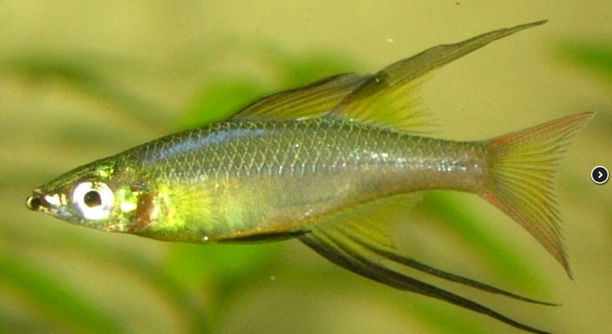
Threadfins are lively fish that thrive in spacious environments, yet overcrowding can quickly stress them. Observing their behavior and environment closely helps maintain a healthy balance, ensuring they remain active, healthy, and content in their tank.
Threadfins exhibit specific signs when experiencing overcrowding, including increased aggression, reduced feeding, erratic swimming, frequent hiding, physical damage, heightened competition, and diminished water quality. Monitoring these indicators allows caretakers to intervene promptly and maintain optimal living conditions.
Recognizing these signs early can prevent long-term health issues and improve the overall well-being of your threadfins. Proper care ensures a happier and more vibrant aquatic environment for them.
Signs of Aggression
When threadfins are overcrowded, aggression becomes more noticeable. They may chase each other repeatedly, nip at fins, or compete for space during feeding. Over time, this behavior can lead to injuries and stress, making it harder for the fish to thrive. Identifying aggression early is crucial.
Aggression often appears during meal times, territorial disputes, or when fish feel cramped in the tank.
Consistent aggression can affect both physical health and social behavior. Injuries from nipping may cause infections, and constant stress can weaken their immune system. Maintaining enough space, adding hiding spots, and managing population density are practical ways to reduce aggressive behavior. Observing interactions daily helps spot tension before it escalates. Overcrowded tanks also increase competition for resources, which can intensify aggression. Ensuring proper tank size and balanced feeding routines can significantly improve harmony among your threadfins. Recognizing these behaviors early allows for timely interventions and a calmer, healthier tank environment.
Changes in Feeding Behavior
Overcrowded threadfins often show altered feeding habits, eating less or competing aggressively for food.
These changes may indicate stress, competition, or discomfort due to limited space.
Monitoring feeding behavior is essential. Fish that consistently eat less may develop nutritional deficiencies or become weaker. Overcrowded conditions increase competition for food, causing some threadfins to dominate while others miss out. Providing multiple feeding points and evenly distributed food can help reduce tension. Adjusting portion sizes and feeding schedules ensures all fish receive proper nutrition. Observing patterns in feeding behavior offers insight into tank conditions and highlights the need for potential adjustments. Regularly checking for slow eaters or sudden changes in appetite helps maintain a balanced and healthy population. Proper management of feeding routines can prevent long-term health issues and maintain a stable environment for your threadfins.
Erratic Swimming Patterns
Threadfins may swim in unusual or frantic patterns when they feel overcrowded. Sudden darting, circling, or moving in irregular directions often signals stress and discomfort in their environment.
Erratic swimming occurs because fish feel threatened or lack sufficient space. Overcrowded conditions limit their freedom, forcing them into tighter areas and increasing stress levels. Constantly swimming without purpose can also be a reaction to other aggressive fish nearby. Maintaining enough open space and visual barriers can help reduce this behavior. Observing these patterns daily allows you to identify when the tank needs adjustments before the fish become physically or mentally affected.
Erratic movement can lead to collisions with tank walls or decorations, causing injuries. Over time, persistent stress weakens their immune system, making them more prone to illness. Ensuring adequate swimming space, reducing population density, and adding hiding spots or plants can restore normal behavior. Tracking individual fish helps identify those most affected and prevents further issues. Adjusting the tank environment promptly improves overall well-being and minimizes erratic activity among the threadfins.
Hiding and Isolation
Threadfins may spend excessive time hiding when overcrowded, seeking refuge behind decorations or in corners. This behavior indicates stress and discomfort due to limited space.
Isolation can lead to decreased activity and reduced feeding. Hiding frequently prevents them from interacting normally with other fish and accessing food evenly.
Extended hiding impacts health and social behavior. Fish that remain isolated often experience reduced growth and weaker immune responses. Overcrowding forces some individuals into less favorable areas, limiting access to light, water flow, and food. Adding more hiding spots and ensuring even food distribution helps balance their environment. Reducing population density or increasing tank size encourages more natural social interactions. Tracking how often fish hide provides insight into stress levels. A well-planned tank layout can restore confidence and activity, allowing threadfins to regain normal swimming patterns and feeding habits.
Physical Damage
Threadfins in overcrowded tanks often show visible injuries like torn fins, scratches, or faded coloration. These marks result from frequent collisions and aggressive interactions among stressed fish.
Maintaining adequate space and monitoring interactions reduces the risk of physical damage. Injured fish may become vulnerable to infections if untreated.
Increased Competition
Overcrowding intensifies competition for food, space, and resting areas. Dominant fish often take priority, leaving weaker individuals struggling to access resources.
This constant competition can lead to malnutrition, slower growth, and heightened stress. Even minor differences in size or strength can create imbalances in the group. Proper feeding techniques, multiple feeding spots, and monitoring the tank population help ensure all fish receive adequate resources. Reducing overcrowding through tank expansion or population control supports healthier interactions and reduces stress-induced behaviors.
Diminished Water Quality
High fish density quickly impacts water conditions, raising waste levels and lowering oxygen availability.
Poor water quality directly affects fish health, behavior, and stress tolerance.
FAQ
How can I tell if my threadfins are overcrowded?
Overcrowding shows up through behavior and appearance. Watch for aggression, erratic swimming, excessive hiding, and changes in feeding habits. Physical damage like torn fins or faded coloration also signals stress. If multiple signs appear together, it’s likely your tank is too crowded.
What is the best way to reduce overcrowding?
Reducing overcrowding can be done by increasing tank size, redistributing fish into separate tanks, or lowering the number of fish in the current tank. Adding hiding spots and decorations also gives fish more space to retreat, which reduces tension and stress.
Why do overcrowded threadfins stop eating?
Limited space and competition can prevent weaker fish from reaching food. Stress from constant interactions may also reduce appetite. Feeding in multiple locations and ensuring all fish can access food helps maintain proper nutrition.
How often should I check water quality in a crowded tank?
In overcrowded tanks, check water parameters at least twice a week. High fish density increases waste, which can lead to spikes in ammonia, nitrites, or nitrates. Regular testing prevents health issues and keeps the environment safe.
Can adding more decorations help with overcrowding?
Yes, decorations, plants, and partitions provide visual barriers and hiding spots. This reduces aggressive encounters and gives fish personal space, lowering stress levels. However, decorations should not further reduce swimming space. Balance is key.
What happens if overcrowding continues for too long?
Prolonged overcrowding can cause chronic stress, illness, reduced growth, and increased mortality. Constant aggression and competition also weaken immune systems, making fish more susceptible to infections. Early intervention is crucial to maintain a healthy population.
How can I prevent overcrowding in the future?
Plan tank size according to the number and growth potential of threadfins. Avoid impulsive additions, and monitor growth regularly. Keeping a balanced population prevents stress and maintains overall tank health. Regular observation and careful planning are essential for long-term stability.
Are there signs of overcrowding that appear first?
Behavioral changes often appear before physical damage. Erratic swimming, hiding, or mild aggression may occur first. Observing subtle behavior helps you act early before serious health issues arise.
Does overcrowding affect water oxygen levels?
Yes, more fish consume oxygen faster and produce more waste. Poor oxygenation can stress fish and reduce activity. Aeration, filtration, and regular water changes help maintain proper oxygen levels and water quality.
Is it necessary to separate aggressive fish?
Sometimes, separating aggressive or overly dominant fish is necessary. It reduces injuries, gives weaker fish a chance to feed, and lowers overall stress in the tank. Temporary or permanent separation depends on the severity of aggression and tank setup.
How do I know if my tank size is appropriate?
Calculate space based on adult size and number of fish. Threadfins need room to swim freely. Overcrowding occurs when fish cannot maintain personal space or swim normally. Observing behavior alongside tank dimensions ensures proper conditions.
Can diet changes help reduce stress in overcrowded tanks?
Feeding nutrient-rich food in smaller, frequent amounts ensures all fish get enough nutrition despite competition. This supports immune function, reduces stress-related health issues, and can mitigate some negative effects of overcrowding.
How often should I perform water changes in an overcrowded tank?
Frequent water changes, at least 25–30% weekly, help control waste buildup, maintain oxygen levels, and stabilize water parameters. In heavily populated tanks, consider more frequent or larger changes to ensure a safe environment.
What is the role of monitoring fish behavior?
Observing daily behavior allows early detection of stress, aggression, or illness. Noticing subtle changes helps prevent overcrowding problems from escalating and supports proactive management of tank conditions.
How do I manage growth in a community tank?
Track fish size and adjust population accordingly. Over time, larger fish need more space. Redistributing or upgrading tanks as fish grow prevents overcrowding and ensures all individuals thrive in a healthy environment.
Final Thoughts
Maintaining a healthy environment for threadfins requires attention and consistent care. Overcrowding can quickly affect their behavior, physical health, and overall well-being. Observing the fish closely on a daily basis allows you to notice changes early. Simple signs, such as increased hiding, erratic swimming, aggression, or changes in feeding habits, often indicate stress from limited space. Addressing these issues promptly helps prevent long-term problems, including illness, injuries, and weakened immune systems. Ensuring each fish has adequate room to swim and access food is crucial. Adding decorations or plants can provide visual barriers and hiding spots, reducing tension and giving threadfins a sense of security. Regular water quality checks also play a vital role, as overcrowded tanks are more prone to spikes in waste and reduced oxygen levels. Monitoring ammonia, nitrite, and nitrate levels, along with maintaining proper filtration and aeration, helps keep the tank stable.
Proper planning and tank management are key to preventing overcrowding in the first place. Calculating the appropriate tank size for the number of threadfins and considering their growth potential ensures that the environment remains balanced as they mature. Avoiding impulsive additions of new fish and tracking population growth over time can prevent sudden overcrowding. Consistent feeding routines that provide enough food for all individuals also help minimize stress and competition. If aggression occurs, separating dominant fish or providing additional hiding spaces can maintain harmony in the tank. Paying attention to these details not only improves the daily lives of your threadfins but also reduces the risk of long-term health issues. Regular observation, thoughtful management, and proper maintenance are essential for a thriving aquatic community.
Taking proactive steps benefits both the fish and the caretaker. Addressing overcrowding early can prevent injuries, illness, and behavioral problems. Maintaining a stable, spacious, and well-structured environment promotes natural behaviors, reduces stress, and supports healthy growth. Even small adjustments, such as rearranging tank decorations, adding plants, or slightly reducing the population, can significantly improve the quality of life for your threadfins. Overcrowding may seem manageable at first, but it can escalate quickly if left unchecked. Careful monitoring, timely interventions, and a focus on creating an organized and spacious environment ensure that threadfins remain active, healthy, and vibrant. Observing their behavior, managing resources effectively, and maintaining clean water are all part of responsible fishkeeping that supports long-term success. By staying attentive and responsive, you create a stable home that allows threadfins to thrive naturally and reduces stress for the entire tank population.

Hello,
If you enjoy the content that we create, please consider saying a "Thank You!" by leaving a tip.
Every little bit helps us continue crafting quality advice that supports the health, happiness, and well-being of pets around the world, for pets of all shapes, sizes, and species.
We really appreciate the kindness and support that you show us!