
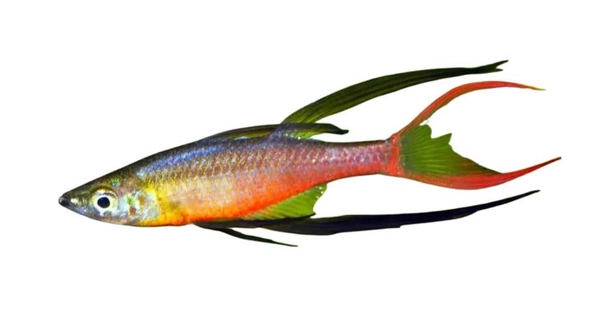
Threadfins are small, delicate fish that seem to glide effortlessly just above the gravel in rivers and streams. Their gentle movements and silvery sheen make them a quiet presence in their aquatic world, often unnoticed by casual observers.
Threadfins hover above the gravel primarily to feed efficiently while avoiding predators. This position allows them to graze on microorganisms and detritus without disturbing sediment, maintaining stability in flowing water and conserving energy necessary for survival and growth.
Observing their behavior reveals subtle strategies that enhance their feeding and safety. Understanding these patterns provides insight into their delicate balance within freshwater ecosystems.
How Threadfins Find Their Space
Threadfins are highly aware of their surroundings, and they carefully select spots just above the gravel where food is abundant and currents are manageable. By staying close to the bottom, they can detect small insects, algae, and organic particles that settle near the substrate. Their bodies are streamlined, allowing them to hover steadily without expending excessive energy. Threadfins often maintain a slight distance from each other, minimizing competition while still benefiting from safety in numbers. When currents shift or debris stirs, they adjust their position almost instinctively, gliding a few inches higher or lower to remain in optimal feeding zones. This behavior also keeps them close enough to quickly retreat into nearby plants or rocks if danger approaches. Their fine-tuned balance between movement and stillness is essential for survival, especially in rivers where water flow can change unpredictably.
Threadfins’ positioning above the gravel is deliberate, balancing feeding efficiency with safety from predators and environmental shifts.
These fish rely on sensitive fins and lateral line systems to sense vibrations. They respond to subtle changes in current and the presence of other fish. By hovering strategically, threadfins conserve energy and avoid unnecessary collisions or disturbances in their feeding area. This behavior demonstrates both instinct and adaptation, showing how even small fish can manage complex interactions within their habitat while staying alert to both food and threats.
Feeding Patterns and Environmental Influence
Threadfins feed most actively in areas where the water is clean and oxygen-rich, making these locations ideal for grazing.
Their feeding is closely tied to water conditions, including flow rate, clarity, and substrate composition. In fast-moving sections, threadfins hover near the gravel to anchor themselves while picking up drifting particles. In calmer areas, they spread out more evenly, taking advantage of a broader surface of sediment. Seasonal changes also influence their patterns; during warmer months, food availability increases, encouraging more frequent movement and hovering behavior. Threadfins adjust depth and position based on light levels, preferring dimmer zones to reduce visibility to predators while still accessing sufficient food. Observing these patterns reveals how flexible and responsive they are to environmental pressures. Their ability to adapt quickly ensures both feeding success and survival, highlighting the sophisticated balance between instinct, environment, and physical capability that defines their behavior.
Interaction with Other Species
Threadfins are careful around other fish, avoiding larger species while staying near smaller ones. Their hovering helps them observe activity without drawing attention. They often share feeding grounds without direct conflict, maintaining a delicate balance in their habitat.
By maintaining a position just above the gravel, threadfins can monitor insects, larvae, and tiny crustaceans while keeping an eye on predators. Their slow, controlled movements allow them to adjust quickly to changes in nearby activity. Threadfins often match their speed and depth to smaller fish, reducing the risk of startling potential food sources. This positioning also allows them to exploit areas where other fish may not reach, giving them a subtle advantage.
When other species approach, threadfins may shift slightly, sometimes rising or lowering a few inches to avoid interference. Their behavior shows a combination of caution and efficiency, optimizing feeding opportunities while minimizing exposure. These interactions are crucial, as maintaining the right distance from competitors and predators can determine their daily success and long-term survival.
Seasonal Variations in Behavior
Threadfins’ hovering patterns change with seasonal shifts in water temperature and flow. Their activity often increases in warmer months, aligning with food abundance.
During spring and summer, insect activity and plant growth provide plentiful feeding opportunities. Threadfins hover closer to nutrient-rich areas, adjusting depth as currents strengthen. Cooler months reduce food availability, causing them to become less active and move more cautiously. Water clarity also influences behavior; sediment stirred by rain or upstream activity can force threadfins to alter their hovering height to maintain access to food. Changes in light and temperature affect both their energy needs and predator avoidance strategies, guiding subtle adjustments in movement and spacing.
Seasonal changes impact not just feeding but social behavior as well. In warmer months, threadfins often gather in loose schools, sharing space and minimizing energy spent on constant vigilance. Cooler seasons encourage solitary or smaller group activity, conserving energy while still ensuring access to resources. These patterns demonstrate their adaptability and sensitivity to environmental shifts, reflecting how even small fish respond strategically to the natural rhythms of their habitat.
Adaptations for Hovering
Threadfins have long, thread-like fins that help stabilize them just above the gravel. These fins act like sensory tools, detecting changes in water flow and nearby movement. They allow the fish to maintain position with minimal energy.
Their body shape is slender and streamlined, reducing resistance against currents. This design supports hovering close to the substrate while feeding or avoiding predators. These physical traits work together, ensuring efficiency and balance in dynamic freshwater environments.
Response to Disturbances
Threadfins react quickly to sudden changes in their surroundings. A shift in water flow or a nearby movement causes them to adjust height and speed. This responsiveness is essential for avoiding predators and maintaining access to food sources.
Importance of Water Quality
Clean, well-oxygenated water is vital for threadfins’ hovering and feeding. Polluted or stagnant areas limit their movement and reduce available food, affecting their overall health and activity.
FAQ
Why do threadfins hover just above the gravel instead of swimming freely?
Threadfins stay close to the gravel because it offers both food and safety. They feed on small insects, algae, and organic particles that settle near the substrate. Hovering allows them to conserve energy while remaining alert to predators. By maintaining a stable position, they can efficiently graze without disturbing the sediment, keeping the water clearer and reducing risk of exposure. This behavior is a natural adaptation, allowing them to balance feeding needs with survival instincts.
Do threadfins interact with other fish while hovering?
Yes, they do, but their interactions are subtle. Threadfins avoid larger, potentially aggressive fish while coexisting with smaller species. Hovering allows them to monitor nearby activity and adjust their position to minimize conflict. They often move slightly higher or lower depending on the presence of other fish, ensuring both safety and access to food. These interactions are mostly about maintaining distance and efficiency, showing their ability to navigate shared spaces carefully.
How do water currents affect threadfins’ hovering behavior?
Water currents play a significant role in how threadfins hover. In faster sections, they stay closer to the gravel to anchor themselves and reduce energy expenditure. In slower-moving water, they spread out more, taking advantage of wider feeding zones. Sudden shifts in currents prompt immediate adjustments in height and position. Their thread-like fins help them sense changes, allowing them to maintain stability even in fluctuating flow conditions. This responsiveness is essential for feeding efficiency and predator avoidance.
Does seasonality change their hovering patterns?
Yes, seasonal changes influence both feeding activity and movement patterns. In warmer months, insect activity and plant growth increase, so threadfins hover more frequently and gather in loose groups. Cooler seasons bring less food and reduced activity, leading to more solitary behavior and cautious hovering. Light, water temperature, and oxygen levels also affect their positioning. Seasonal variations show how adaptable threadfins are, balancing energy needs with environmental conditions to maximize survival.
What physical traits support hovering above the gravel?
Threadfins have long, delicate fins that act as stabilizers and sensory tools. These fins detect changes in water flow and nearby movement. Their slender, streamlined bodies reduce resistance, allowing precise control over position and height. These adaptations work together, supporting both energy-efficient hovering and effective feeding while reducing vulnerability to predators.
Can poor water quality impact threadfins’ behavior?
Absolutely. Polluted or low-oxygen water limits their ability to hover efficiently. Sediment buildup, debris, or contaminants reduce available food and make it harder to maintain position. Poor water conditions increase stress, reduce feeding efficiency, and can even affect growth and survival. Maintaining clean, well-oxygenated water is essential for their natural hovering behavior and overall health.
Do threadfins use hovering to avoid predators?
Yes, hovering is a defensive strategy as well as a feeding method. Staying just above the gravel allows them to remain partially hidden while monitoring the area for threats. Quick adjustments in height or position help them evade larger fish or other predators. Their careful movements are both cautious and calculated, allowing them to feed effectively without unnecessary risk.
How do threadfins detect food while hovering?
Threadfins rely on sensory fins and their lateral line system to detect vibrations and movements of small prey near the gravel. This allows them to target insects, larvae, and organic particles without having to disturb the sediment. Their positioning maximizes efficiency, letting them feed continuously with minimal effort while staying alert to environmental changes.
Are there differences in hovering behavior among threadfins of different sizes?
Yes, size affects both positioning and movement. Smaller threadfins tend to hover closer to the gravel and move more cautiously to avoid predators. Larger individuals can maintain slightly higher positions and cover broader areas, though they remain near the substrate for feeding. Differences in size also influence social interactions and spacing within groups, showing how physical characteristics shape behavior.
Is hovering behavior instinctive or learned?
Hovering in threadfins is largely instinctive, guided by evolutionary adaptations for feeding and survival. However, subtle adjustments in response to local conditions, predators, and food availability show some learned flexibility. They refine movements based on experience, improving efficiency and safety within their habitat over time.
This FAQ covers the main aspects of why threadfins hover above the gravel, explaining their feeding, adaptations, interactions, and environmental responses. Understanding these behaviors highlights their careful balance of energy, safety, and resource use.
Word count: 511
Final Thoughts
Threadfins are fascinating examples of how small fish adapt to their environment. Their hovering just above the gravel is not random but a carefully balanced behavior that helps them feed efficiently while staying safe. By maintaining this position, they can access small insects, algae, and organic particles that settle near the substrate. At the same time, staying close to the gravel provides a level of protection from larger predators that might be swimming higher in the water column. This careful positioning demonstrates how instinct and physical adaptation work together, allowing threadfins to survive and thrive in their natural habitats. Observing them reveals the subtle ways that even small fish manage risk, energy, and feeding. Their hovering is a quiet but important part of the freshwater ecosystem, influencing sediment movement, feeding dynamics, and interactions with other species.
The physical traits of threadfins play a key role in their hovering behavior. Their long, thread-like fins act as stabilizers and sensory tools, helping them detect changes in water currents and nearby activity. Their slender, streamlined bodies reduce resistance, allowing precise control over position with minimal energy expenditure. These traits are complemented by their lateral line system, which senses vibrations and movements in the water. Together, these adaptations make hovering both efficient and sustainable, allowing threadfins to feed effectively without constant movement. Their responses to environmental changes, such as shifts in currents, light, or water quality, highlight their ability to adjust behavior in real time. Seasonal variations further influence their activity, as warmer months encourage more frequent movement and group feeding, while cooler periods lead to slower, more cautious behavior. These patterns show how flexible and responsive threadfins are to natural changes.
Hovering behavior also reflects how threadfins interact with their environment and other species. By keeping close to the gravel, they minimize conflict with larger fish while sharing feeding spaces with smaller species. Their careful movements reduce sediment disturbance, maintain feeding efficiency, and help avoid detection by predators. Water quality is another important factor; clean, well-oxygenated water supports their ability to hover, feed, and move safely. Poor conditions can limit movement, reduce food availability, and increase stress, showing how closely their behavior is tied to habitat health. Observing threadfins hovering above the gravel offers insight into the balance of survival strategies, feeding efficiency, and environmental adaptation. Their quiet, measured movements provide a clear example of how even small fish can manage complex challenges in their habitat. Overall, understanding threadfins and their hovering behavior emphasizes the importance of careful observation and respect for natural ecosystems, revealing the subtle ways fish interact with their surroundings and each other.
Word count: 419

Hello,
If you enjoy the content that we create, please consider saying a "Thank You!" by leaving a tip.
Every little bit helps us continue crafting quality advice that supports the health, happiness, and well-being of pets around the world, for pets of all shapes, sizes, and species.
We really appreciate the kindness and support that you show us!