
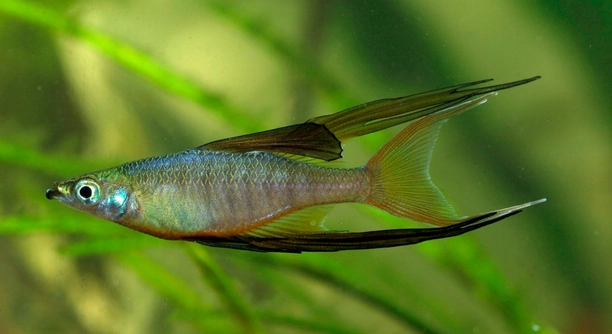
Have you ever noticed your Threadfin Rainbowfish rubbing against plants or tank decorations during quiet moments? These small, colorful fish display behaviors that often puzzle their caretakers, leaving you wondering what motivates such interactions within the aquarium.
Threadfin Rainbowfish may rub against decorations primarily to maintain their scales and skin. This behavior can remove parasites, reduce irritation, and help shed old skin. Additionally, it may serve as a way to mark territory or explore textures in their environment.
Observing these behaviors can give you insight into their health and comfort, helping you better cater to their aquarium needs and habits.
Why Threadfin Rainbowfish Rub Decorations
Threadfin Rainbowfish often rub against decorations to clean themselves and relieve skin irritation. Their scales can trap tiny particles or parasites, and rubbing helps remove them. Sometimes, this behavior is linked to exploring their environment. Fish naturally interact with objects in their tank, using textures to stimulate their senses. Decorations like smooth rocks, driftwood, or plants offer surfaces that help them maintain healthy skin. Rubbing also supports the shedding of old skin, which keeps them looking bright and healthy. Observing this behavior is normal, but consistent rubbing may indicate water quality issues or minor irritation. Ensuring clean, well-maintained water and appropriate tank decor can minimize stress. Different fish have different rubbing preferences, so what you notice may vary from tank to tank. Paying attention to their movements allows you to provide a safer, more comfortable environment while monitoring their health effectively.
This behavior is usually harmless and part of natural maintenance. Regular observation ensures your fish remain healthy and comfortable.
Decor rubbing can also indicate social or territorial behavior. Fish may use decorations to assert presence or mark areas in the tank. Combining environmental enrichment with proper care promotes healthier, less stressed fish.
Signs Your Fish Might Be Irritated
Rubbing against decorations can signal discomfort or irritation. Changes in skin or scale condition often accompany this behavior.
If your Threadfin Rainbowfish is rubbing excessively, it may be reacting to parasites, poor water quality, or minor injuries. Regular water testing and cleaning are essential. Introduce a variety of surfaces for rubbing, like smooth stones or plants, to prevent damage. Stressful conditions, overcrowding, or aggressive tank mates can also increase rubbing. Monitoring their behavior helps you notice patterns early. Removing potential irritants, adjusting tank parameters, and maintaining a balanced diet can reduce excessive rubbing. Sometimes, temporary changes in water hardness or pH may cause mild irritation. Observing feeding habits, swimming activity, and interactions with other fish can help identify the cause. Creating a stable, comfortable environment supports their natural cleaning behaviors without risk. Being attentive to these signs allows you to address problems before they escalate. Regular observation is key to keeping your fish healthy and active in their aquarium.
Choosing the Right Decorations
Smooth surfaces and natural textures work best for Threadfin Rainbowfish. Avoid sharp edges that could injure their delicate scales.
Decorations like polished stones, driftwood, and soft plastic or silk plants allow fish to rub safely. Hard or jagged surfaces can cause cuts or stress. Placing items strategically creates areas for exploration without overcrowding. Consider spacing objects to let fish swim freely while having access to rubbing surfaces. Regularly clean decorations to prevent algae or debris buildup, which can irritate the fish. Observing which items your fish prefer can guide future additions. Balancing safety, aesthetics, and functionality ensures your fish can maintain healthy skin without risk of injury or stress. A well-arranged tank supports both their physical health and natural behaviors.
Properly chosen decorations also reduce stress. Fish feel more comfortable with surfaces that support natural behaviors, which can improve overall health.
Providing variety encourages activity and engagement. Offering multiple textures and surfaces can prevent boredom and promote regular rubbing behaviors.
Monitoring Fish Health
Excessive rubbing may signal underlying health issues. Paying attention to frequency and intensity helps identify potential problems early.
Regular observation is essential to maintain fish health. Look for changes in scale color, small wounds, or unusual swimming patterns. Water testing should be consistent to ensure parameters remain stable. Keep track of their interactions with tank mates, as aggressive behavior can lead to stress and rubbing. Notice if certain decorations are favored repeatedly, which may indicate irritation in specific areas. Addressing small issues early prevents complications, such as infections or parasites. Maintaining a balanced diet and stable environment complements monitoring efforts. Documenting behaviors over time can reveal trends and guide adjustments in care routines.
Prompt intervention when issues arise improves recovery. Addressing water quality, diet, or minor injuries early supports healthier, happier fish.
Preventing Excessive Rubbing
Keep water clean and properly balanced to reduce irritation. Regular maintenance prevents issues that cause rubbing.
Providing smooth surfaces and soft decorations encourages safe rubbing. Avoid overcrowding the tank to reduce stress and allow fish freedom to move comfortably.
Common Causes of Skin Irritation
Skin irritation in Threadfin Rainbowfish can result from parasites, poor water quality, or minor injuries. Stress from aggressive tank mates or sudden environmental changes may also trigger rubbing. Observing the fish closely helps detect early signs of irritation. Maintaining a stable environment, including temperature and pH levels, supports healthy skin. Regular cleaning and monitoring feeding habits reduce risks. Introducing gentle decorations like smooth stones or plants allows fish to rub safely without causing further damage. Tracking their behavior and adjusting care routines prevents excessive irritation and promotes overall well-being. Awareness of these factors ensures your fish remain healthy and active in their tank.
Encouraging Healthy Behavior
Variety in decorations and regular tank maintenance supports natural cleaning behaviors, keeping fish active and comfortable.
FAQ
Why do Threadfin Rainbowfish rub against decorations so often?
Rubbing is usually a natural way for these fish to clean their scales and skin. It helps remove parasites, debris, and old skin. Some rubbing is also linked to exploring their environment or marking areas in the tank. Occasional rubbing is normal, but constant, intense rubbing may indicate irritation or water issues. Observing the frequency and location of rubbing can help you determine if it’s purely maintenance behavior or a sign of discomfort.
Can rubbing damage their scales?
Yes, rubbing on sharp or rough surfaces can cause small cuts or scratches. Smooth decorations like polished stones, driftwood, or soft plants reduce the risk of injury. Providing multiple surfaces ensures the fish can rub safely without harming themselves. Keeping the tank free of jagged edges or debris also prevents accidental damage.
Is water quality linked to rubbing behavior?
Absolutely. Poor water quality can irritate skin, causing more frequent rubbing. Parameters like ammonia, nitrite, and nitrate levels should be checked regularly. Stable temperature, pH, and hardness also play a role in maintaining healthy skin. Clean water reduces stress, prevents disease, and lowers the risk of excessive rubbing caused by irritation.
Do tank mates affect rubbing habits?
Yes. Aggressive or overly active tank mates can stress Threadfin Rainbowfish, prompting more rubbing. Stress can manifest as repetitive behaviors or seeking refuge against decorations. Monitoring interactions in the tank helps identify if rubbing is stress-related. Creating peaceful social groupings and adequate hiding spaces supports calmer behavior.
Are some decorations better than others for rubbing?
Smooth surfaces and natural textures are best. Polished stones, driftwood, and soft plastic or silk plants allow rubbing without injury. Avoid jagged rocks or rough artificial items that can cut scales. Providing variety gives the fish options and prevents overuse of a single surface. Cleaning decorations regularly also prevents debris buildup that could irritate the skin.
Can diet influence rubbing behavior?
A balanced diet supports healthy skin and scales, reducing irritation-related rubbing. Nutrient deficiencies or low-quality food may weaken the skin, making fish more prone to rub against objects. Feeding high-quality flakes, pellets, and occasional live or frozen foods keeps them healthy. Proper nutrition, combined with good water quality, minimizes behaviors linked to discomfort.
How do I know when rubbing is a problem?
Excessive rubbing, visible wounds, changes in scale color, or erratic swimming indicate a potential issue. Occasional rubbing is normal, but persistent or aggressive rubbing warrants checking water parameters, tank mates, and decorations. Early intervention helps prevent infections or worsening skin irritation. Observing their overall behavior, including feeding and social interactions, provides clues to underlying problems.
Can decorations be rearranged to reduce rubbing?
Yes. Strategic placement of smooth objects and hiding spots allows fish to rub safely without constant contact with tank walls or rough surfaces. Avoid overcrowding to give them space to swim freely. Observing their preferences helps decide which decorations should remain or be moved. This promotes natural behavior while minimizing risk.
Does age affect rubbing behavior?
Younger or newly introduced fish may explore more, rubbing frequently as part of adaptation. Older fish may rub less if their scales are thicker or if they have established territories. Monitoring behavior over time helps you distinguish normal activity from irritation-related rubbing.
Can rubbing indicate disease?
Sometimes. Parasites, fungal infections, or bacterial issues can cause itching, leading to more rubbing. If rubbing is paired with lethargy, loss of appetite, or visible sores, it may indicate a medical problem. Quarantine and treatment may be needed depending on the cause. Regular tank maintenance and observation reduce the likelihood of disease-driven rubbing.
How often should I clean decorations?
Decorations should be cleaned regularly to remove algae, debris, or accumulated waste. Dirty surfaces can irritate fish and encourage excessive rubbing. Use gentle cleaning methods to avoid harming the decorations or introducing chemicals that may stress the fish. Clean decorations support healthy skin and reduce the risk of infection.
Are there behavioral signs that complement rubbing?
Yes. Lethargy, frequent hiding, or avoiding tank mates may accompany excessive rubbing. Monitoring overall activity, feeding behavior, and social interactions provides a complete picture of health. Consistent observation helps catch minor problems before they escalate into serious issues.
Does tank size impact rubbing behavior?
Smaller tanks can lead to more frequent rubbing due to limited space. Larger tanks with plenty of swimming room and varied decorations allow fish to express natural behaviors safely. Proper tank size, combined with suitable decoration placement, reduces stress and encourages healthy maintenance habits.
What can I do if rubbing seems excessive?
Check water parameters immediately and adjust as needed. Inspect decorations for rough edges, monitor tank mates, and review feeding routines. Introduce smooth surfaces and ensure adequate hiding spots. Observe fish over several days to see if behavior normalizes, addressing any health issues promptly.
How can I prevent future rubbing problems?
Maintain clean water, provide safe decorations, feed a balanced diet, and monitor social interactions. Routine observation and regular tank maintenance reduce irritation, stress, and disease, helping fish display natural behaviors safely and comfortably.
Are certain times of day linked to rubbing?
Fish may rub more during active periods or after feeding. Patterns can vary depending on light cycles, feeding schedules, or social activity. Observing these trends helps understand whether rubbing is routine maintenance or stress-related, guiding adjustments to care routines.
Final Thoughts
Threadfin Rainbowfish are lively, colorful fish that display many small behaviors in the aquarium, including rubbing against decorations. This rubbing is often a normal, healthy activity that helps them maintain their skin and scales. By moving against smooth surfaces like polished stones, driftwood, or soft plants, they remove debris and old skin. It is also a natural way for them to explore their environment. Observing these behaviors can give insight into their overall health. When fish rub occasionally and seem active, it usually indicates nothing more than normal maintenance. Understanding the reasons behind this behavior allows caretakers to provide better care while ensuring a safe and comfortable environment for their fish.
Excessive rubbing, however, can sometimes signal underlying issues. Water quality is a key factor in keeping Threadfin Rainbowfish healthy. Parameters such as ammonia, nitrite, nitrate, pH, and water hardness should be regularly monitored to prevent skin irritation. Poor water quality can stress fish and lead to more frequent rubbing as they attempt to relieve discomfort. Tank decorations and layout also play a role. Rough or jagged surfaces can injure the fish if they rub too often, while smooth, soft items allow safe interaction. Proper spacing of decorations ensures the fish can swim freely while having surfaces to rub against. Additionally, diet and tank mates influence behavior. A balanced, nutrient-rich diet supports healthy skin, and calm, compatible tank mates reduce stress-induced rubbing.
Consistently monitoring your fish is essential for maintaining their well-being. Paying attention to patterns in rubbing, changes in scale color, or the presence of wounds helps detect potential problems early. Providing a clean, stable environment with safe decorations and suitable tank mates encourages natural behaviors while minimizing risks. By addressing minor issues promptly, whether related to water quality, diet, or decoration safety, caretakers can prevent irritation or health problems. Observing your fish closely and making adjustments as needed ensures they remain active, comfortable, and healthy in their aquarium. Supporting these behaviors through careful care strengthens your ability to maintain a thriving tank and enjoy the beauty of Threadfin Rainbowfish over the long term.

Hello,
If you enjoy the content that we create, please consider saying a "Thank You!" by leaving a tip.
Every little bit helps us continue crafting quality advice that supports the health, happiness, and well-being of pets around the world, for pets of all shapes, sizes, and species.
We really appreciate the kindness and support that you show us!