
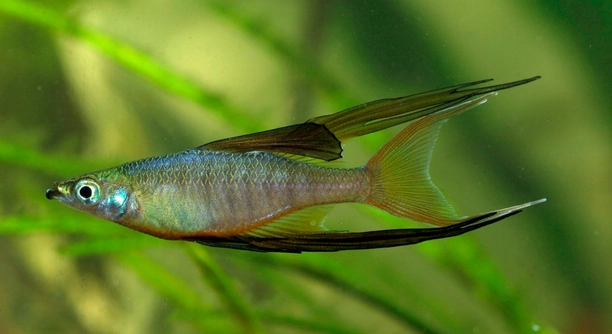
Do you ever wonder how different fish species can share the same tank without stress? Threadfins are active swimmers, while some species move more slowly. Managing their environment carefully helps keep all fish comfortable and healthy.
Threadfins can be housed with slow swimmers if the aquarium is spacious, has ample hiding spots, and feeding routines are adjusted. Proper planning reduces competition and stress, ensuring both fast and slow species coexist safely and maintain their wellbeing.
Balancing activity levels, space, and diet can create a peaceful community tank. These factors are key to keeping all your fish thriving together.
Understanding Threadfin Behavior
Threadfins are naturally active swimmers, often moving quickly across the tank and exploring every corner. They rely on constant motion to stay healthy and can become stressed if confined or crowded. Slow-moving fish, in contrast, prefer calm areas and often need resting spaces. This difference in activity can create tension if the tank is not properly arranged. Observing your fish regularly helps identify early signs of stress, such as hiding, loss of appetite, or unusual swimming patterns. Providing open swimming areas for threadfins and shaded or planted zones for slower fish can help both types coexist. Tank decorations like rocks, driftwood, and plants can break lines of sight, reducing stress and giving slow swimmers safe spots to retreat. Feeding strategies also play a role; ensuring that both fast and slow fish can access food prevents competition and keeps everyone healthy. Adjusting water flow can also help maintain comfort for all species.
Space and hiding areas are essential for peaceful cohabitation.
Proper tank design and careful observation make it possible for threadfins and slow swimmers to live together without conflict, supporting healthy interactions and reducing stress in the aquarium. Consistent maintenance, balanced feeding, and attention to fish behavior ensure that the environment remains suitable for all inhabitants. Over time, both types of fish can adapt to each other, learning to respect boundaries and utilize the tank efficiently. Monitoring water parameters like temperature, pH, and oxygen levels is crucial because both fast and slow swimmers thrive under stable conditions. Introducing new fish gradually allows them to adjust without overwhelming existing tank mates. Paying attention to individual personalities within species also helps; some threadfins may be more aggressive, and some slow swimmers may tolerate activity better. By creating zones within the aquarium, you give every fish space to thrive. Thoughtful planning of decorations, water flow, and feeding schedules leads to a balanced, harmonious aquarium that supports both active and slow-moving species effectively.
Feeding Strategies for Mixed-Speed Tanks
Feeding slowly ensures all fish get nutrition without stress.
Adjusting feeding methods helps maintain harmony. Dropping food in multiple locations allows slow swimmers to feed safely while threadfins enjoy their natural speed. Using sinking pellets for bottom feeders and floating flakes for faster swimmers helps balance nutrition. Timed feedings create routine and reduce competition, making the tank calmer. Observing which fish are missing meals allows small adjustments, such as hand-feeding or target feeding, to support weaker fish. Overfeeding can harm slow swimmers who cannot compete, so portion control is important. Maintaining variety in diet ensures that all fish receive essential nutrients, supporting growth and immunity. Some aquarists prefer using feeding rings or small containers to concentrate food, reducing waste and preventing faster fish from dominating. Supplements like vegetables or specialized pellets can help slow swimmers get proper nutrition. By combining careful portioning, placement, and timing, feeding can become a manageable and stress-free routine that keeps both fast and slow fish healthy, active, and thriving in a shared environment.
Tank Size and Layout
A larger tank reduces stress for both fast and slow swimmers. Providing separate zones helps each fish feel secure while preventing conflicts during feeding and play.
A tank of at least 55 gallons is recommended for threadfins with slower species. Dividing the aquarium into open swimming areas and planted or decorated hiding spots allows threadfins to move freely while slow swimmers rest without interruption. Strategic placement of decorations like driftwood, rocks, and tall plants can create natural boundaries. This layout encourages natural behavior and reduces chasing or territorial disputes. Careful planning ensures both types of fish can coexist comfortably, maintaining their health and reducing stress levels consistently.
Adjusting water flow is also important. Fast-moving currents suit threadfins but may tire slower species. Using filters with adjustable flow or creating calmer areas with plants can keep both types comfortable. Observing fish interactions after layout changes ensures the environment remains suitable, making the tank a balanced space where both fast and slow swimmers thrive.
Monitoring Stress and Health
Watch for signs like hiding, loss of appetite, or erratic swimming. Early detection prevents serious health issues.
Regular observation is key when keeping threadfins with slow swimmers. Stress can manifest through changes in behavior or appearance, such as faded colors, clamped fins, or lethargy. Maintaining stable water parameters, proper temperature, and pH is crucial because fluctuations increase stress, particularly in slower fish. Quarantining new arrivals helps prevent disease spread. Keeping a feeding log ensures all fish are eating enough. Noticing which areas fish prefer and adjusting decor or flow can reduce tension. Healthy fish are more likely to coexist peacefully.
Providing enrichment like plants, caves, or gentle water flow supports mental and physical well-being. Rotating decorations occasionally keeps slow swimmers engaged and helps threadfins expend energy. Avoiding overcrowding is essential, as it increases competition and stress. Balanced nutrition and a clean environment complement stress monitoring, ensuring that both fast and slow fish remain healthy. By combining observation, proper layout, and care routines, you create a thriving tank where species with different activity levels can coexist successfully.
Choosing Compatible Species
Select tank mates with calm temperaments to reduce conflict. Avoid overly aggressive or extremely timid fish.
Consider size and swimming habits when pairing species. Slow swimmers benefit from companions that do not chase or intimidate them, while threadfins need space to move freely. Thoughtful selection creates a balanced, peaceful aquarium environment.
Hiding Spots and Shelter
Providing plenty of hiding spots helps slow swimmers feel safe. Plants, caves, and rocks serve as retreats.
Hiding areas also reduce stress during feeding or when threadfins become active. Arranging shelters at different levels ensures that all fish can find a comfortable spot to rest, promoting harmony in the tank.
Water Quality Maintenance
Consistent water changes keep the environment healthy. Monitor ammonia, nitrite, and nitrate levels.
Observation and Adjustment
Watch fish behavior regularly and adjust tank layout or feeding routines as needed to maintain peace and reduce stress.
FAQ
Can threadfins live with slow-moving fish without constant stress?
Yes, threadfins can coexist with slow swimmers if the tank is properly set up. Providing enough space, hiding spots, and structured feeding routines prevents stress. Observing interactions regularly ensures that both types of fish remain comfortable and healthy. Tank size and layout are key factors.
How large should the tank be for mixed-speed species?
A tank of at least 55 gallons is recommended. Larger tanks provide room for threadfins to swim freely and for slower fish to rest. Creating distinct zones with decorations like plants, rocks, or driftwood helps separate activity areas and reduce conflicts.
What type of decorations work best?
Plants, caves, and driftwood are ideal. They offer slow swimmers hiding spaces and break lines of sight, which reduces stress. Arranging shelters at different levels allows all fish to find suitable resting spots. Floating plants can also soften strong water currents.
How often should feeding occur?
Feed twice daily, adjusting amounts to ensure all fish eat without competition. Dropping food in multiple locations prevents fast swimmers from dominating meals. Using sinking pellets for bottom feeders and floating flakes for threadfins helps balance nutrition. Observing feeding behavior ensures no fish are left hungry.
How do I manage water flow for both types of fish?
Threadfins prefer moderate currents, while slow swimmers thrive in calmer areas. Using adjustable filters or creating gentle flow zones with plants and decorations helps satisfy both needs. Testing different setups and observing fish reactions allows fine-tuning for comfort.
What signs indicate stress in slow swimmers?
Clamped fins, hiding excessively, loss of appetite, faded colors, and lethargy are common signs. Quick intervention, such as adding shelters, reducing flow, or adjusting feeding routines, can reduce stress. Monitoring stress regularly prevents long-term health problems.
How can I introduce new fish without upsetting the balance?
Quarantine new fish for at least two weeks before adding them. Gradually acclimate them to the main tank’s temperature and water chemistry. Place new fish near the edges initially, allowing them to explore at their own pace. Observe interactions and be ready to separate aggressive individuals.
Can slow swimmers thrive in a tank with fast species?
Yes, if the environment is well-planned. Hiding spots, adequate space, and careful feeding prevent slow fish from being overwhelmed. Regular water monitoring and maintenance support overall health, allowing both fast and slow fish to coexist peacefully over time.
What are the risks of overcrowding?
Overcrowding increases competition for food, raises stress, and can trigger aggression. It also impacts water quality, raising ammonia and nitrate levels. Maintaining proper stocking levels, monitoring growth, and adjusting populations help prevent health problems and stress-related behaviors.
Is it necessary to separate threadfins during feeding?
Not always, but it can help slower fish get their share of food. Using feeding rings, sinking pellets, or target feeding ensures all fish eat without being chased or stressed. This approach improves nutrition and reduces conflict during mealtime.
How do I know if my tank layout needs adjustment?
Watch for chasing, hiding, or unusual swimming patterns. If slow swimmers are constantly avoiding threadfins or cannot access food, the layout needs changes. Adding shelters, rearranging decorations, or creating calmer zones can improve comfort and reduce stress.
Are there special considerations for breeding in mixed-speed tanks?
Breeding can be challenging because fast species may disturb eggs or fry. Providing secluded areas or separate breeding tanks helps protect offspring. Observing parent behavior and offering adequate food ensures both adult and young fish remain healthy.
How do water quality issues affect both types of fish?
Ammonia, nitrite, and nitrate spikes stress all fish. Slow swimmers may be more sensitive, showing early signs of illness. Regular water testing, consistent changes, and efficient filtration are essential for maintaining a safe environment for every species.
Can slow swimmers adapt to threadfin activity over time?
With consistent care, slow fish often become accustomed to faster tank mates. Shelters, separate zones, and proper feeding routines help them feel secure. Patience and careful observation allow both species to coexist without continuous conflict, promoting a stable aquarium environment.
What daily care routines support mixed-speed tanks?
Observe fish behavior, check water quality, and monitor feeding daily. Remove uneaten food promptly, adjust flow as needed, and maintain clean filters. Small daily actions prevent stress, disease, and aggression, keeping the tank balanced and healthy.
How often should I perform water changes?
Weekly water changes of 20–30% are recommended. This maintains stable water parameters, removes waste, and supports both active and slow-moving species. Large or infrequent changes can shock fish, so consistency is key.
Are there any signs of aggression to watch for?
Chasing, nipping, and territorial displays indicate aggression. These behaviors can stress slow swimmers and disrupt the tank’s balance. Adding decorations, adjusting stocking levels, or temporarily separating aggressive individuals helps maintain peace and protects vulnerable fish.
Can all threadfin species live with slow swimmers?
Not all species are compatible. Some threadfins are more aggressive or larger, which can overwhelm slower fish. Researching specific species behavior, size, and temperament before introducing them ensures a safer, harmonious tank environment.
What long-term strategies support coexistence?
Maintain spacious tanks, provide hiding spots, monitor health, and adjust feeding routines as needed. Observing behavior, keeping water quality stable, and planning tank layout carefully ensures both threadfins and slow swimmers thrive together for years.
How do I handle sudden stress or illness in a mixed-speed tank?
Isolate affected fish if necessary, test water parameters, and adjust flow or temperature. Providing extra hiding spots and reducing disturbances helps recovery. Acting quickly prevents problems from spreading and protects all tank inhabitants.
Can slow swimmers ever dominate a tank with threadfins?
Rarely, but it can happen if threadfins are underfed or the tank is poorly arranged. Balanced feeding, sufficient space, and proper layout prevent slow species from being stressed and allow healthy coexistence with faster fish.
What are the best feeding tools for mixed-speed tanks?
Feeding rings, pipettes, or small cups help control where food goes. Using floating and sinking foods ensures that all species receive proper nutrition without competition or stress. Observation helps fine-tune the feeding process.
How important is routine observation for success?
Daily observation is crucial. Noticing subtle changes in behavior, appetite, or movement allows early intervention. This simple habit supports harmony, health, and long-term coexistence in mixed-speed aquariums.
Threadfins and slow-moving fish can live together successfully if you provide the right conditions and plan carefully. The key is understanding the differences in their activity levels and needs. Threadfins are naturally active swimmers, requiring open areas to move freely, while slower fish prefer calmer spaces and places to rest. By creating separate zones in the tank with decorations, plants, and hiding spots, both types of fish can feel comfortable. Observing the fish regularly helps identify stress or discomfort early, allowing for adjustments before problems become serious. A tank that considers the needs of all species supports healthier, calmer fish and reduces the risk of aggression or stress-related illness.
Feeding is an important part of managing a mixed-speed tank. Fast swimmers like threadfins can outcompete slow fish if food is not distributed properly. Dropping food in several areas, using floating and sinking pellets, and considering feeding schedules helps ensure that all fish get the nutrition they need. Portion control is important because overfeeding can cause water quality issues and leave slower fish struggling to get their share. Target feeding or feeding small amounts by hand can help slow swimmers access food without stress. In addition, a varied diet keeps both fast and slow fish healthy and promotes growth and immune system support. A thoughtful feeding routine is a simple way to maintain peace in the tank while supporting overall fish health.
Maintaining water quality and monitoring fish behavior are essential long-term practices. Regular water testing and consistent water changes prevent harmful spikes in ammonia, nitrites, or nitrates, which can affect both fast and slow species. Adjustable water flow allows threadfins to swim comfortably while creating calm zones for slow fish. Watching for signs of stress, such as clamped fins, hiding, or changes in appetite, ensures that any issues are addressed quickly. Over time, both threadfins and slower fish can adapt to each other’s presence, learning to share the tank without conflict. By focusing on space, diet, water quality, and observation, you can create a balanced, peaceful environment where all fish thrive together, making the aquarium a stable and healthy space for years.

Hello,
If you enjoy the content that we create, please consider saying a "Thank You!" by leaving a tip.
Every little bit helps us continue crafting quality advice that supports the health, happiness, and well-being of pets around the world, for pets of all shapes, sizes, and species.
We really appreciate the kindness and support that you show us!