
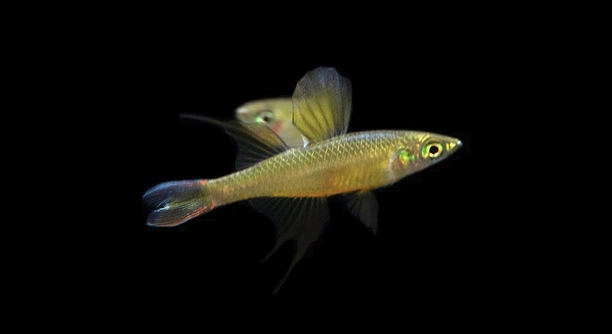
Have you ever noticed your Threadfin Rainbowfish swimming in a specific corner of the tank or hovering near certain plants more than others? These small, shimmering fish can show surprising patterns in how they explore their surroundings.
Threadfin Rainbowfish can recognize aspects of their tank setup, including decorations, hiding spots, and familiar plants. They rely on visual and spatial cues to navigate and feel secure within their environment, demonstrating consistent patterns in behavior related to tank familiarity.
Observing these patterns can help you create a more comfortable and engaging environment for your fish to thrive in.
How Threadfin Rainbowfish Explore Their Tank
Threadfin Rainbowfish are naturally curious, and they quickly learn the layout of their tank. When I first added plants and decorations, I noticed they would swim along the same routes daily, often returning to favorite hiding spots. This behavior shows they are aware of their surroundings. They use visual cues to remember where objects are placed and may even recognize slight changes over time. When rearranging the tank, the fish initially appear cautious or hesitant, highlighting how much they rely on memory. They explore more confidently when the setup remains consistent. Lighting, water clarity, and open spaces also affect their movement patterns. Observing these fish helps you understand how environmental stability contributes to their comfort and reduces stress. Consistency in tank design encourages them to be more active, swim freely, and even interact with other tank mates in a calm manner.
Recognition of their environment affects both behavior and health.
Threadfin Rainbowfish develop routines based on what they recognize in the tank. They tend to revisit familiar plants, rocks, or hiding spots multiple times a day. This pattern is similar to humans creating habits around their home. Knowing these behaviors allows you to place objects strategically for both stimulation and safety. For example, open swimming areas combined with secure hiding spots encourage activity while providing refuge when the fish feel threatened. They are also sensitive to sudden changes, like moving decorations or adding new items, which can temporarily stress them. Gradual changes work best, letting them adjust over time. Feeding habits are influenced too; they may associate certain locations with food, swimming there even before feeding begins. Understanding these habits helps maintain a balanced and engaging environment, ensuring they stay healthy, active, and comfortable within their tank.
Adjusting Tank Setups for Recognition
Changes in the tank can temporarily confuse Threadfin Rainbowfish.
When adjusting the tank, small, incremental changes work best. Adding new plants or rocks slowly lets the fish learn new landmarks without stress. Avoid rearranging all decorations at once, as sudden differences can make them hide or avoid areas. Keeping some familiar items helps maintain a sense of security while introducing new elements encourages exploration. Watching how they react to each adjustment gives insight into their comfort level. Gradual modifications also let you see which setups they prefer, improving both aesthetics and the fish’s wellbeing. For example, adding vertical plants in one corner may encourage them to explore differently, while open spaces in the center allow more active swimming. Recognizing patterns in their movement after each change helps you create a tank that balances stimulation with safety, ultimately leading to a healthier and more confident fish. It also strengthens your understanding of their natural tendencies and how they respond to environmental cues.
Signs They Recognize Their Tank
Threadfin Rainbowfish often return to the same areas, swim familiar paths, and interact with decorations consistently. This repetition shows their awareness of surroundings and comfort with their setup. Watching these behaviors can help identify how well they know their environment.
When I observed my fish, I noticed they consistently used the same hiding spots and plants for rest or safety. Even after small rearrangements, they would explore cautiously, then return to familiar locations. Recognizable landmarks help them feel secure, and they gradually adapt to minor changes without stress. Their swimming patterns, rest areas, and feeding spots all reflect memory of the tank layout. By tracking these signs, you can gauge how well they recognize different elements and adjust the tank to balance comfort with stimulation, making the environment more engaging.
Recognition also affects social behavior. Fish that know their surroundings tend to interact more confidently with other tank mates. Familiarity reduces stress and encourages regular activity, feeding, and exploration. It also supports healthy swimming patterns and natural behavior, as they feel safe navigating both open spaces and sheltered areas. By observing these patterns closely, I realized that small, consistent details in the tank can have a big impact. Even subtle differences, like plant placement or the location of rocks, influence how they move, hide, and play. Creating a predictable yet stimulating environment benefits both their physical and mental health.
Adjusting for Comfort and Engagement
Maintaining a balance between familiar and new elements ensures Threadfin Rainbowfish feel secure while staying active. Gradual changes prevent stress and encourage exploration.
When I added new plants, I placed them near familiar decorations. This allowed my fish to explore safely without losing reference points. Sudden, large changes caused hesitation and hiding, showing how sensitive they are to their environment. By introducing one or two new items at a time, I noticed them gradually inspecting and incorporating these into their daily routines. Providing open swimming areas alongside hiding spots creates a balanced environment that encourages natural activity. Recognizing these patterns makes it easier to maintain a tank that supports both comfort and curiosity.
Tank layout influences long-term wellbeing. Fish that navigate comfortably are less stressed, feed regularly, and show consistent swimming behavior. Gradual adjustments allow them to form new habits while keeping familiar areas intact. Over time, they remember these changes, which increases confidence and reduces anxiety. Proper lighting, clean water, and thoughtful decoration placement all contribute to their recognition of the tank. When rearranging, it’s helpful to track their reactions to each modification. Observing how they approach new plants or explore different corners informs future setup decisions. A carefully designed environment ensures they remain healthy, active, and engaged, providing both stability and stimulation.
Familiar Corners and Hiding Spots
Threadfin Rainbowfish often return to specific corners or hiding spots in the tank. These areas provide comfort and security. Their repeated use shows that they recognize familiar features and feel safe in consistent locations.
I noticed my fish prefer plants near the tank edges. Rocks and small decorations also become favorite resting places. These familiar spots reduce stress and help them navigate confidently, especially after minor tank changes.
Feeding Areas and Recognition
Fish often associate specific areas with feeding. My Threadfin Rainbowfish quickly learn where food is usually offered and swim there even before feeding begins. They rely on visual cues, like landmarks, to identify these spots. Over time, this recognition helps them anticipate feeding schedules and remain calm during routine maintenance. Their ability to remember feeding areas also shows they process spatial information effectively. By consistently placing food in the same location, I noticed they were less stressed and more active throughout the day. Proper feeding placement supports both behavioral patterns and overall tank harmony.
Reacting to New Objects
Introducing new decorations gradually allows the fish to explore without stress. They inspect new items while still using familiar spots.
How do Threadfin Rainbowfish react to rearranged tank decorations?
Threadfin Rainbowfish tend to react cautiously when decorations are moved. I’ve seen mine pause, swim slowly, or hide for short periods until they re-familiarize themselves with the new layout. Small changes are easier for them to adjust to, while major rearrangements can cause temporary stress. Gradual modifications help them explore safely while still recognizing familiar spots. They rely heavily on landmarks, so keeping at least some decorations in their original positions reduces disorientation. Over a few days, they usually resume their normal swimming and resting patterns once they learn the new setup.
Can they remember specific hiding spots?
Yes, Threadfin Rainbowfish have strong spatial memory for hiding spots. My fish often return to the same rocks or plant clusters after exploring other areas. Even after minor changes, they check these favorite spots first. Recognition of hiding places gives them a sense of security, reduces stress, and supports natural behavior. Hiding spots near familiar areas encourage confident movement and prevent excessive anxiety when new objects are introduced. This memory also helps them interact with tank mates more comfortably, as they know where to retreat if they feel threatened.
Do they notice changes in lighting or water clarity?
Threadfin Rainbowfish respond noticeably to changes in lighting or water clarity. Sudden bright lights can make them hide, while dim or diffused lighting encourages exploration. Clear water allows them to navigate confidently and recognize landmarks. I’ve seen mine avoid areas where water becomes slightly murky, showing their reliance on visual cues. Consistent lighting and clean water help them form routines, feel secure, and maintain healthy activity levels. Adjustments to these environmental factors should be gradual to prevent stress and ensure the fish continue recognizing their tank layout without confusion.
How quickly do they adapt to new plants or decorations?
Adaptation varies depending on the size and placement of new items. Small changes, like adding a plant near a familiar corner, often see them exploring within hours. Larger or central objects may take a few days for full exploration. My fish usually start cautiously inspecting new items, then gradually include them in their daily swimming patterns. Familiar spots remain their primary focus, but over time, they learn to integrate new features into their routines. Gradual introductions make them more confident and reduce the risk of hiding excessively or avoiding parts of the tank.
Do they recognize feeding areas?
Threadfin Rainbowfish quickly associate certain spots with feeding. I consistently place food near the same area, and soon they swim there even before feeding begins. Visual cues, such as nearby decorations or tank corners, help them identify feeding locations. This recognition supports calmer behavior during feeding times and prevents unnecessary stress. Over time, predictable feeding areas encourage routine activity and allow the fish to navigate the tank confidently, knowing where to find nourishment. Adjusting feeding spots gradually ensures they can still recognize and adapt without disrupting their overall sense of security.
How does recognition affect their social behavior?
Recognizing their environment directly impacts how Threadfin Rainbowfish interact with other tank mates. Familiar surroundings reduce stress and allow them to explore and swim confidently around others. My fish show less aggression and more curiosity when they know where to hide or rest. This recognition helps maintain harmony and ensures both active and shy individuals can coexist comfortably. Unfamiliar changes, on the other hand, may cause temporary tension or hiding, highlighting the importance of maintaining consistency while introducing gradual adjustments.
Can they learn over time to explore larger tanks?
Yes, Threadfin Rainbowfish gradually expand their exploration in larger tanks. I’ve noticed that once they recognize key landmarks, they confidently swim into open areas, returning to familiar hiding spots when needed. Familiarity with the layout encourages natural swimming behavior, more activity, and better use of the tank space. Gradual introductions of new zones help them build confidence while keeping stress low. Over time, recognition of both large and small features improves navigation, social interaction, and overall health, proving their ability to adapt to changes in their environment while maintaining a sense of security.
Do sudden changes cause long-term stress?
Sudden, drastic changes can temporarily stress Threadfin Rainbowfish but rarely cause long-term effects if followed by consistent care. My fish may hide or swim nervously initially, but with familiar landmarks restored and gradual reintroduction of new items, they typically return to normal patterns. Consistent feeding, lighting, and clean water support their recovery. Stress can be minimized by introducing changes slowly and observing reactions, ensuring they remain comfortable, active, and engaged in their tank without prolonged anxiety.
How can I encourage them to explore new areas?
Introducing gradual changes, like moving a decoration slightly or adding a new plant near familiar spots, encourages exploration. I often place hiding areas along open swimming spaces to help them feel safe. Observation helps gauge comfort levels and adjust changes accordingly. Consistency combined with minor modifications promotes curiosity while preventing stress.
Do they recognize owners or external activity?
Threadfin Rainbowfish are aware of external activity near the tank. My fish often swim to the front or hover near the glass when I approach. They may anticipate feeding or movement around the tank. This recognition shows their ability to process visual cues and connect routine human activity with events like feeding, highlighting both intelligence and memory in their behavior.
How important is tank consistency for their wellbeing?
Maintaining a consistent environment is crucial. My fish thrive when decorations, plants, and feeding areas remain mostly stable. Predictable surroundings reduce stress, encourage natural behavior, and support social interaction. Sudden changes can cause temporary hesitation, hiding, or reduced activity. Gradual adjustments, along with consistent care, ensure they remain confident, active, and healthy.
Can recognition improve their overall health?
Yes, when Threadfin Rainbowfish recognize their tank, they show less stress, regular feeding, and consistent swimming behavior. Familiar areas support natural routines, and gradual environmental changes prevent anxiety. In my experience, a recognized and predictable tank contributes to both physical and mental wellbeing, ensuring they remain active, social, and comfortable.
Do they rely more on visual cues than other senses?
Threadfin Rainbowfish predominantly use visual cues to navigate. I’ve observed them inspect new decorations visually before interacting. Clear water, consistent lighting, and recognizable landmarks all support confident movement. While they can sense vibrations and chemical signals, visual familiarity is the strongest factor influencing recognition, exploration, and comfort in their tank.
What’s the best way to test if they recognize the tank?
Observing swimming patterns, hiding preferences, and feeding behavior is effective. My fish consistently return to familiar spots, explore cautiously after changes, and anticipate feeding locations. Gradual adjustments and careful observation reveal how well they understand the environment. This helps optimize tank setup for both comfort and activity.
How do they react to other fish in a familiar setup?
Recognition of the tank allows Threadfin Rainbowfish to interact confidently with other fish. My fish swim near companions, share hiding spots, and explore open areas without excessive stress. Familiar surroundings reduce tension, supporting social behavior, natural routines, and balanced interactions among all tank inhabitants.
Do they show individual differences in recognition?
Yes, some fish are bolder and explore quickly, while others remain cautious. In my tank, more cautious fish often rely heavily on known hiding spots, while confident individuals investigate new areas sooner. Understanding these differences helps tailor the tank environment to accommodate all personalities, ensuring comfort and reducing stress.
Can they forget tank features over time?
Threadfin Rainbowfish rarely forget familiar areas if the tank remains consistent. Prolonged absence of certain decorations or major changes can temporarily confuse them, but they usually adapt and recognize features again. Maintaining stability ensures memory retention and continuous comfort.
Does tank size affect recognition ability?
Yes, larger tanks require more time for fish to learn landmarks. I noticed my fish take longer to explore a new, bigger tank compared to a smaller, familiar setup. Gradual introduction and placement of recognizable features help them navigate confidently, ensuring comfort and reducing stress.
How does age influence recognition?
Older Threadfin Rainbowfish often recognize tank features more quickly due to experience, while younger fish explore cautiously. In my tank, juveniles spend more time learning hiding spots and feeding areas, gradually developing spatial memory as they mature. Familiarity improves with age, supporting both confidence and routine behavior.
Are there signs of stress when recognition is disrupted?
Yes, hiding excessively, erratic swimming, or refusing food are common signs. I’ve seen my fish respond this way after sudden rearrangements. Gradual changes and maintaining some familiar features help reduce these behaviors, allowing them to regain comfort and routine over time.
Does recognition influence breeding behavior?
Threadfin Rainbowfish that feel secure in their tank are more likely to display natural breeding behaviors. My fish use familiar hiding spots and recognized areas for laying eggs. Stability and consistent environment support reproductive activity and reduce stress during this sensitive period.
Can recognition affect longevity?
A stable and recognizable environment promotes reduced stress, consistent feeding, and natural behavior. In my experience, fish in such tanks appear healthier, more active, and maintain regular routines. Over time, this stability supports overall wellbeing, potentially contributing to a longer, healthier life.
Do they show memory for previous tank setups?
Yes, if a tank is restored to a previous arrangement, my fish often resume familiar patterns quickly. They remember hiding spots, feeding locations, and swimming paths, indicating strong memory and spatial awareness. Gradual reintroduction of familiar elements aids recognition and reduces stress.
How to balance exploration with comfort?
Maintaining some familiar decorations while gradually adding new items encourages exploration. I place new plants near known hiding spots or open swimming areas. Observing reactions helps adjust placement, ensuring the fish remain curious yet comfortable. This balance supports natural behavior, confidence, and stress reduction.
Can recognition be influenced by tank maintenance routines?
Yes, consistent cleaning, water changes, and feeding schedules reinforce familiarity. My fish respond well to predictable routines, navigating confidently and showing regular activity. Sudden or irregular maintenance can temporarily disrupt recognition, so gradual, consistent care is important for comfort and wellbeing.
Do they react to human interaction differently in a familiar tank?
Fish in a recognized tank are more confident around humans. I’ve noticed mine swim closer during feeding or tank work, anticipating events without stress. Familiar surroundings reduce anxiety and allow natural curiosity to guide behavior during interaction.
Is recognition linked to overall activity levels?
Yes, Threadfin Rainbowfish are more active in tanks they know well. My fish swim steadily, explore freely, and interact with other fish when their environment is familiar. Recognition reduces stress and encourages regular movement, promoting physical and mental health.
Can recognition training improve acclimation to new tanks?
Gradual introduction to new tanks with familiar landmarks helps fish acclimate faster. I use small decorations or plants from their previous tank to provide reference points. This approach reduces stress, encourages exploration, and supports natural behavior during the transition period.
Does water temperature affect recognition behaviors?
Stable water temperature supports normal swimming and recognition patterns. Sudden shifts may cause hiding or erratic movement. I maintain consistent temperature to ensure my fish can navigate confidently and continue recognizing familiar spots, feeding areas, and hiding places without stress.
Do they interact differently with artificial vs natural decorations?
Threadfin Rainbowfish respond similarly to both, as long as items are familiar and safe. In my tank, they explore artificial plants cautiously at first but learn to recognize them over time. Natural decorations often provide additional cover, but recognition depends more on consistency and placement than material type.
Are younger fish less capable of recognizing their tank?
Juveniles take longer to form routines. I observed them exploring cautiously and returning to safe spots repeatedly before gaining confidence. Over time, consistent placement of landmarks helps them build spatial memory, eventually reaching recognition levels similar to adult fish.
How often should I rearrange the tank for stimulation?
Minor, gradual changes every few weeks are sufficient. I move one or two items at a time, letting my fish explore safely while keeping familiar landmarks intact. This balance encourages curiosity without causing excessive stress or disorientation.
Can recognition affect feeding competition?
Yes, fish that know feeding spots may reach food first, reducing stress and avoiding unnecessary aggression. I’ve noticed confident fish anticipate feeding areas, while less experienced ones rely on observation. Consistent placement ensures fair access and maintains calm interactions.
Do fish show preferences for certain decorations?
Yes, my Threadfin Rainbowfish often favor specific plants or rocks. Recognition of these preferred spots encourages regular use, hiding, and exploration. Understanding preferences helps optimize tank layout, providing both comfort and engagement while supporting natural behavior.
How do they react to tank visitors?
Fish in a familiar tank are more curious around visitors, swimming closer to the glass or investigating shadows. I’ve observed them maintain confidence while still using hiding spots if they feel threatened. Recognition of the tank reduces stress during external activity.
Is recognition stronger in smaller or larger groups?
In smaller groups, each fish can more easily recognize landmarks and coordinate movement. Larger groups may take longer to explore, but familiar spots still provide security. I’ve seen consistent patterns of recognition across both small and medium groups, with stress reduced when landmarks remain consistent.
Do tank mates influence recognition?
Yes, confident fish can encourage shyer individuals to explore familiar spots. My experience shows that recognition of landmarks spreads socially, as fish learn from observing others. Familiar surroundings combined with social cues support activity and reduce stress.
Does feeding method affect recognition?
Surface feeding or target feeding reinforces location memory. I place food in predictable spots, and my fish quickly associate the area with feeding. Consistent methods help them anticipate meals and maintain calm behavior, supporting spatial recognition and comfort.
How do they react to reflections or mirrors in the tank?
Threadfin Rainbowfish may investigate reflections cautiously. In my tank, they sometimes approach mirrors or glass reflections, but recognition of actual landmarks prevents confusion. Familiar surroundings help differentiate between real objects and reflections, reducing stress or erratic behavior.
Can recognition influence sleep or rest patterns?
Yes, consistent hiding spots and landmarks support regular resting behavior. My fish retreat to familiar areas at night or during inactivity, maintaining predictable patterns. Disrupted recognition can temporarily alter resting behavior, so stable environments are important.
Do they remember previous stress events?
Fish may be cautious near areas associated with past stress, such as sudden changes or handling. I’ve noticed more careful swimming or temporary hiding after minor disruptions. Gradual reintroduction and consistency help them regain confidence in those areas.
How important is visual complexity in recognition?
Visual complexity supports memory and exploration. My tank includes plants, rocks, and open spaces that help fish identify landmarks. Balanced complexity encourages engagement without overwhelming them, making recognition easier and supporting natural behavior.
Does recognition improve with repeated observation?
Yes, repeated exposure to the same setup reinforces memory. I’ve noticed my fish navigate more confidently after several days, quickly locating hiding spots and feeding areas. Consistent observation strengthens their familiarity and reduces stress.
Can recognition help reduce aggression?
Recognizing safe spaces and boundaries reduces territorial disputes. My fish interact more calmly when they know where to retreat and which areas are shared. Familiar environments support social harmony and minimize aggressive encounters.
Does water current affect their recognition patterns?
Moderate currents don’t disrupt recognition, but sudden changes can temporarily confuse them. I maintain gentle, consistent flow, allowing them to swim confidently while still using familiar landmarks for navigation.
Do they react differently to natural vs artificial light?
Consistent light, whether natural or artificial, supports recognition. I’ve observed that sudden shifts in lighting, even if natural, can temporarily make them hesitant. Maintaining steady light levels helps them navigate and identify familiar areas reliably.
Can recognition be trained?
Yes, gradual introduction of landmarks and consistent feeding routines reinforce memory. I often use repeated placement of decorations and food locations to help my fish learn tank layout. Over time, they adapt, confidently navigating their environment while maintaining comfort and engagement.
How long does recognition take to develop?
Recognition develops over days to weeks depending on tank complexity and fish age. I noticed younger fish take longer, while older fish adapted faster. Gradual exposure, consistent landmarks, and predictable routines accelerate this process, ensuring confident, stress-free navigation.
Does recognition improve with group size?
Smaller groups allow quicker recognition, while larger groups may require more time. Observation of peers helps spread familiarity, but consistent landmarks remain essential. I’ve seen patterns stabilize faster when changes are gradual and predictable.
Are there any signs of poor recognition?
Erratic swimming, excessive hiding, or hesitation in familiar areas indicate poor recognition. I’ve observed this after sudden rearrangements. Restoring familiar landmarks and introducing changes slowly helps fish regain confidence and normal behavior.
Do fish react differently during tank cleaning?
Yes, familiar tanks reduce stress during cleaning. My fish explore cautiously but remain confident, returning to known hiding spots once maintenance ends. Predictable routines and consistent landmarks help minimize stress during these necessary tasks.
Can recognition affect breeding success?
Familiar environments encourage natural breeding behavior. My fish use known hiding spots and recognized areas to lay eggs. Maintaining consistency supports confidence, reduces stress, and promotes successful reproduction.
How can I reinforce recognition daily?
Consistent feeding locations, stable decorations, and predictable routines reinforce memory. Observing behavior and making gradual adjustments ensures familiarity while supporting natural exploration. Daily reinforcement strengthens confidence and comfort in the tank.
Do they show preferences for certain corners?
Yes, fish often favor corners with both cover and visibility. I noticed mine repeatedly returning to these areas for rest, exploration, and feeding. Recognizing preferred corners helps optimize tank layout for comfort and activity.
Can they adapt to changes in tank shape?
Yes, but gradual changes are essential. My fish slowly explored wider tanks after relocation, using familiar landmarks to navigate. Sudden reshaping can cause temporary stress, so incremental adaptation supports recognition and comfort.
Do they respond differently to familiar vs unfamiliar fish?
Familiar environments reduce stress during introductions. My fish interact more confidently with new tank mates in a known setup, using recognized hiding spots and swimming paths to feel secure. Unfamiliar tanks increase hiding and cautious movement.
Does recognition influence energy levels?
Yes, confident navigation reduces stress, allowing more energy for swimming and social interaction. My fish in familiar tanks are active, explore regularly, and feed efficiently, showing that recognition supports both physical and behavioral health.
Are there ways to improve recognition for shy fish?
Gradual introduction of landmarks and maintaining hiding spots helps shy individuals gain confidence. Observing behavior and adding new items near familiar areas encourages exploration without causing stress, supporting memory and comfort.
Do they respond to sound or vibrations in recognized areas?
Yes, familiar areas reduce startle responses. My fish use known hiding spots when exposed to vibrations, remaining calmer than in unfamiliar zones. Recognition of the environment helps mitigate stress from external disturbances.
Can recognition help with disease prevention?
Indirectly, yes. Fish that feel secure and explore confidently maintain better feeding habits, activity, and stress levels, supporting overall immunity. Consistent tank layout reduces anxiety, which can otherwise contribute to vulnerability to illness.
Do they show memory for multiple tank features at once?
Yes, Threadfin Rainbowfish remember feeding spots, hiding areas, and open swimming zones simultaneously. My fish navigate efficiently, returning to preferred locations while exploring new areas, demonstrating complex
Threadfin Rainbowfish are more aware of their tank than many people realize. Observing my own fish, I noticed they quickly learn where plants, rocks, and hiding spots are placed. They often return to the same corners or follow familiar swimming paths, showing that they can recognize their surroundings. This behavior is not random—it reflects memory, comfort, and the ability to navigate their environment confidently. Fish in a consistent tank seem calmer, explore more naturally, and interact better with other tank mates. When a tank is rearranged suddenly, they may pause, hide, or swim more cautiously, which shows how important familiarity is for their sense of security. Gradual changes allow them to adjust without stress, demonstrating that they can learn and adapt over time. Even minor details, like the placement of a favorite plant or the position of a rock, make a noticeable difference in how confident they feel. This awareness is something I hadn’t fully considered before, and watching them adapt has given me a deeper appreciation for their behavior.
Providing a consistent yet engaging tank setup supports both their physical and mental wellbeing. When feeding, I noticed that my fish anticipate where food will appear and swim to those spots ahead of time. This shows that recognition is not just about hiding or resting—it also influences daily routines and habits. Threadfin Rainbowfish use visual cues to remember feeding locations, resting areas, and favorite swimming paths. Their ability to recognize these elements means that small adjustments, like adding a new plant near familiar areas or creating new open spaces, can encourage exploration without causing unnecessary stress. It’s clear that they rely on memory and spatial awareness to feel secure and maintain regular activity. Consistency in lighting, water quality, and decoration placement further supports this recognition. When these factors are predictable, fish are more confident, feed better, and move more naturally. Disruptions can lead to temporary anxiety, but they typically adjust if changes are gradual and familiar landmarks are maintained. Observing these patterns over time gives insight into how environmental factors affect both comfort and behavior.
Recognition of their tank also influences social interactions and overall happiness. Fish that feel secure in a familiar setup are more likely to explore openly and interact calmly with other tank mates. My Threadfin Rainbowfish demonstrate less hiding and more confident swimming when their environment is stable. Gradual adjustments, predictable feeding areas, and accessible hiding spots all contribute to a sense of comfort. Over time, this awareness leads to healthier behavior, better activity levels, and a more balanced tank environment. It is remarkable how such small fish can show such consistent memory and awareness of their surroundings. Paying attention to their reactions and respecting their need for recognizable landmarks creates a space where they can thrive. Understanding that these fish can recognize and remember elements of their tank encourages better care practices, ensuring they remain active, confident, and comfortable for years to come.

Hello,
If you enjoy the content that we create, please consider saying a "Thank You!" by leaving a tip.
Every little bit helps us continue crafting quality advice that supports the health, happiness, and well-being of pets around the world, for pets of all shapes, sizes, and species.
We really appreciate the kindness and support that you show us!