
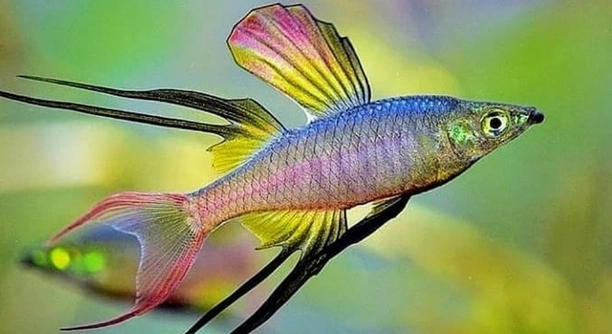
Threadfin Rainbowfish are small, colorful freshwater fish known for their lively movements. Their shimmering scales and elegant fins make them popular in home aquariums, and their behaviors can be surprisingly complex for such tiny creatures.
Threadfin Rainbowfish often swim in zigzags as a natural response to their environment. This movement pattern helps them avoid predators, navigate currents efficiently, and communicate with other fish. Zigzag swimming is a survival mechanism rather than random behavior, reflecting instinctual adaptation.
Observing their zigzag patterns offers insight into their natural instincts and interactions, revealing behaviors that are both fascinating and essential for their well-being.
Understanding Zigzag Swimming Patterns
Watching Threadfin Rainbowfish in a tank, I often notice how they dart back and forth rather than swim in straight lines. This behavior is not random. The zigzag movement helps them remain alert to potential threats while maintaining group cohesion. It also allows them to maneuver around obstacles efficiently. In their natural habitats, such as slow-moving rivers and streams, these fish encounter varying currents and hiding spots. Zigzagging enables them to adjust their direction quickly without expending excessive energy. Additionally, this movement can signal readiness or alertness to other fish nearby, subtly communicating changes in their environment. While they may seem playful or erratic, these patterns are rooted in instinct and survival. Observing them closely, one can see a rhythm in their motions, almost like a silent conversation among the fish. Their behavior illustrates how even small creatures adapt to their surroundings with remarkable precision.
This pattern shows a mix of instinct and adaptation that supports their safety and social interactions within groups.
Threadfin Rainbowfish also use zigzag swimming during feeding. When searching for insects, plankton, or plant matter, sudden directional changes help them catch moving prey more efficiently. These maneuvers create unpredictability, giving them an advantage against fast or agile food sources. In a tank, this is visible when flakes or pellets are added. The fish respond quickly, weaving in patterns to reach the food before others. Zigzagging also improves oxygen intake, as movement through varied paths increases water flow over their gills. Over time, I noticed that fish in groups maintain synchronized zigzags, forming coordinated bursts of motion that are both protective and functional. This behavior demonstrates their natural instincts are strong even outside their native habitat. It’s fascinating to see how such small fish display strategies for feeding, protection, and social interaction all at once, making them lively and intelligent companions in any aquarium.
Environmental Influences on Swimming
Lighting, tank size, and water flow significantly influence how Threadfin Rainbowfish swim. Even small changes can alter their patterns.
Fish respond to currents by adjusting speed and angles. In wider tanks, zigzag movements become more pronounced as they explore space and maintain awareness. Stronger water flow often triggers faster, sharper turns, while calm conditions produce gentler, meandering patterns. Temperature fluctuations may also affect energy levels, influencing swimming activity. Observing these factors helps in creating conditions that support natural behavior, reducing stress and promoting health. Proper plant placement, hiding spots, and moderate currents encourage more natural, energetic swimming. Zigzagging is not just instinctual; it’s a response to environmental cues, helping fish feel secure and active. Recognizing these influences makes maintaining a thriving aquarium more intuitive and satisfying.
Predators and Zigzag Responses
Threadfin Rainbowfish use zigzag swimming to evade predators. Quick, unpredictable movements make it harder for larger fish or birds to catch them.
This evasive strategy is especially noticeable when multiple fish are together. They coordinate movements, creating sudden bursts and changes in direction that confuse potential threats. In the wild, small predators rely on straightforward tracking, so the zigzag behavior significantly increases survival chances. Even in a tank, this instinct remains visible, showing how deeply ingrained these patterns are. The fish appear alert and reactive, ready to shift paths at any moment, demonstrating their natural instincts clearly.
Beyond predator avoidance, zigzag swimming also improves spatial awareness. Fish constantly adjust positions relative to one another, obstacles, and currents. This behavior strengthens their agility, balance, and timing, ensuring efficient navigation. I’ve observed them weaving through plants and rocks with surprising precision. Even minor disturbances trigger coordinated responses, reflecting the importance of this movement for both safety and social interaction. Zigzag swimming combines instinct, communication, and environmental adaptation seamlessly, highlighting the intelligence behind their motion patterns.
Social Signaling and Communication
Threadfin Rainbowfish use zigzag patterns to convey information within the group. Rapid movements signal alertness, readiness, or changes in the environment.
These fish constantly observe one another. When one begins a sharp turn or dart, others adjust quickly to maintain formation. Zigzag swimming allows subtle signaling without vocalization, relying on body movement and timing. In crowded tanks, this behavior reduces collisions and promotes cohesion. Coordination enhances survival by keeping the group aware of potential dangers and opportunities for feeding. Patterns vary depending on group size, stress levels, and presence of other species, showing a flexible approach to communication. Even minor deviations in movement carry meaning, creating a dynamic visual language that I find fascinating.
Tank Setup and Zigzag Behavior
Proper tank setup influences how Threadfin Rainbowfish swim. Open spaces encourage more active, zigzag movements.
Plants, rocks, and hiding spots provide security and allow fish to practice natural maneuvers. When tanks are cluttered, zigzag patterns may be reduced, limiting exercise and engagement.
Feeding Patterns and Movement
Threadfin Rainbowfish use sharp turns while feeding to reach food efficiently. Zigzagging improves access to floating flakes or live food.
Coordinated bursts of movement also prevent one fish from dominating feeding spots. I’ve noticed that fish actively adjust angles and speed during feeding sessions, demonstrating their agility and instinct. Zigzag swimming ensures every individual can reach the food while staying alert to surroundings.
Stress and Swimming Changes
Changes in water quality or temperature can alter zigzag behavior. Fish may swim slower or reduce turns when stressed.
FAQ
Why do Threadfin Rainbowfish swim in zigzags?
Threadfin Rainbowfish swim in zigzags primarily as a survival strategy. This movement helps them avoid predators, navigate currents efficiently, and communicate with other fish. Even in home aquariums, these instincts remain, allowing the fish to feel safe and maintain natural behavior patterns.
Is zigzag swimming a sign of stress?
Not necessarily. While excessive or erratic zigzagging can indicate stress, normal zigzag patterns are natural and healthy. Stress-related movements often include rapid, repeated changes in direction without coordination, while normal patterns remain fluid and purposeful. Observing the overall health and tank conditions helps differentiate behavior.
Does tank size affect zigzag behavior?
Yes. Larger tanks allow more pronounced zigzag swimming because the fish have space to maneuver freely. Smaller or cluttered tanks can limit movement, causing less noticeable zigzag patterns. Providing adequate space encourages natural swimming behaviors and keeps the fish active.
How does group size influence zigzag swimming?
Threadfin Rainbowfish are social and often swim in schools. In groups, zigzag patterns become synchronized, allowing coordinated movement for protection and communication. Smaller groups or solitary fish may still zigzag but show less cohesion and fewer coordinated bursts of motion.
Do water currents change their swimming patterns?
Yes. Currents can directly influence speed, direction, and sharpness of zigzags. Stronger flows encourage faster, more abrupt turns, while calm water produces gentler, slower patterns. Adjusting flow carefully in an aquarium helps mimic natural conditions, promoting healthy activity.
Can feeding habits affect zigzag swimming?
Feeding triggers bursts of zigzag movement. Fish dart and turn to reach food efficiently, especially with floating flakes or live foods. Coordinated bursts reduce competition, ensuring all fish access food while staying alert to surroundings. Feeding time often provides the clearest view of their natural zigzag behavior.
Do lighting and decorations matter?
Lighting and tank decorations impact how Threadfin Rainbowfish move. Bright light may encourage more active swimming, while too dim or uneven lighting can reduce activity. Plants and rocks create hiding spots and obstacles, stimulating zigzag patterns and helping fish practice natural maneuvers.
Are zigzag movements linked to breeding behavior?
Sometimes. During breeding or courtship, zigzag swimming can increase as males display agility to attract females or compete with other males. These movements combine instinct, energy, and communication, reflecting natural reproductive behaviors within the species.
Can disease affect zigzag swimming?
Yes. Illnesses such as swim bladder disorders or parasitic infections can alter swimming patterns. Fish may float abnormally, swim sluggishly, or lose coordination. Regular monitoring of water quality, diet, and health is important to ensure their natural zigzag behavior is maintained.
How can I encourage healthy zigzag behavior in my tank?
Providing a spacious tank, moderate water flow, plants, and hiding spots encourages natural movement. Maintaining consistent water quality, appropriate temperature, and a balanced diet supports activity and alertness. Observing daily patterns helps identify changes that may indicate stress, illness, or environmental issues.
Do all Rainbowfish species swim this way?
While many Rainbowfish display similar zigzag swimming for safety and communication, the exact pattern varies by species. Threadfin Rainbowfish are particularly noticeable due to their size, agility, and schooling behavior, making their movements easier to observe.
Can zigzag swimming indicate intelligence?
In a way, yes. Coordinated, responsive zigzag movements show awareness of surroundings, group dynamics, and predator avoidance strategies. Their behavior reflects instinctive intelligence rather than learned actions, showing a remarkable ability to navigate and adapt to changing environments.
What is the best way to observe zigzag patterns?
Watching fish during feeding or when adjusting tank flow highlights zigzag movements. Observing in groups shows coordination and social signaling. Keeping distractions minimal, using clear water, and positioning decorations strategically allows a better view of natural patterns.
Do age and size affect zigzag behavior?
Younger fish may swim more energetically, while older or larger fish show controlled, deliberate patterns. Growth affects stamina and maneuverability, influencing the sharpness and frequency of turns. Both age and size play a role in how prominently zigzag swimming appears.
How often should I monitor their behavior?
Daily observation is ideal. Short, consistent checks allow noticing changes in movement, health, or social dynamics. Recognizing deviations early helps prevent stress or illness and ensures Threadfin Rainbowfish maintain their natural zigzag swimming behavior.
Final Thoughts
Threadfin Rainbowfish are small but fascinating creatures. Their zigzag swimming is not random or playful; it is a natural behavior rooted in survival, communication, and environmental adaptation. Observing them over time makes it clear that each sharp turn, sudden dart, and coordinated burst of movement serves a purpose. Even in home aquariums, these instincts remain strong, showing how deeply ingrained these patterns are. The fish respond to changes in their surroundings, whether it is the presence of other fish, water currents, or feeding opportunities. Watching them move gives a sense of how active and aware they are, demonstrating intelligence in navigating space and interacting with their group. Understanding their zigzag swimming can also help aquarists create better environments that support natural behavior and overall health.
Tank setup plays a critical role in encouraging healthy zigzag movement. Larger tanks with open swimming areas allow Threadfin Rainbowfish to display their full range of motion. Adding plants, rocks, and hiding spots provides opportunities for maneuvering and practicing natural patterns, which keeps the fish engaged and mentally stimulated. Moderate water flow can replicate conditions similar to rivers or streams, helping the fish maintain agility and balance. Feeding routines also influence activity levels, as the fish dart and weave to reach food efficiently. Providing a balanced diet, maintaining proper water quality, and keeping temperature stable all contribute to consistent and natural swimming patterns. Observing the fish during feeding or environmental changes reveals both their instinctual behavior and their ability to adapt, making it easier to recognize signs of stress or discomfort.
Social dynamics are another important aspect of their behavior. Threadfin Rainbowfish often swim in schools, and their zigzag patterns reflect coordination and communication within the group. Fish respond to each other’s movements, adjusting speed and direction to maintain cohesion. This creates a dynamic visual pattern that serves multiple functions, including predator avoidance, signaling alertness, and facilitating feeding. Even in smaller tanks, observing these interactions shows how important group behavior is for their well-being. Understanding these behaviors helps aquarists provide conditions that encourage natural instincts, reduce stress, and promote healthy interactions. By paying attention to movement patterns, environmental factors, and social interactions, it becomes easier to ensure that Threadfin Rainbowfish thrive, exhibiting the lively, zigzagging behavior that makes them so captivating to watch.

Hello,
If you enjoy the content that we create, please consider saying a "Thank You!" by leaving a tip.
Every little bit helps us continue crafting quality advice that supports the health, happiness, and well-being of pets around the world, for pets of all shapes, sizes, and species.
We really appreciate the kindness and support that you show us!