
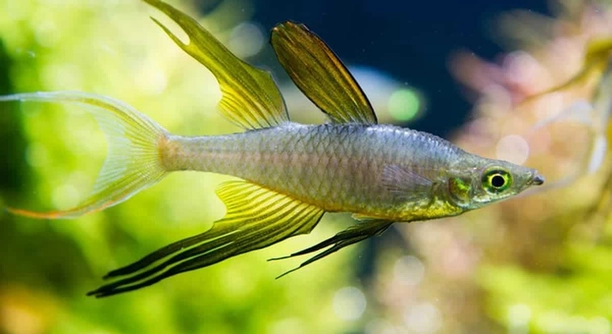
Do you often watch your Threadfin Rainbowfish swim around and notice the little ways they explore their tank? These small fish show a remarkable curiosity, moving with grace and investigating every corner of their aquatic environment.
Threadfin Rainbowfish display curiosity through investigative behaviors, such as slowly approaching new objects, hovering near changes in their surroundings, and gently probing unfamiliar items with their mouths or fins. These actions allow them to gather information while minimizing potential risks.
Observing these behaviors provides insight into their natural instincts and highlights the subtle ways fish interact with their environment daily.
How Threadfin Rainbowfish Explore Their Surroundings
Threadfin Rainbowfish are naturally drawn to new elements in their tank. They often swim slowly around plants, decorations, and substrate to investigate textures and shapes. When something unfamiliar is introduced, they approach cautiously, pausing before interacting. They may nibble gently or swim around it repeatedly, testing the object from different angles. These fish rely on both sight and lateral line sensing to detect changes in water currents caused by movement. Group behavior also plays a role; when one fish investigates, others may follow, observing its reactions. Over time, they learn which areas and objects are safe, showing patterns of repeated exploration. This behavior is not just about curiosity—it is essential for their mental stimulation and overall well-being. Maintaining a varied and enriched tank encourages these investigative actions, helping to mimic conditions closer to their natural habitat.
This exploration helps reduce stress and keeps their environment engaging, promoting healthier fish behavior.
Threadfin Rainbowfish often display small, subtle signals during exploration. They may flick their fins slightly, hover in place, or pause to observe movements around them. Eye movement and body orientation reveal their focus, and they sometimes make short darting motions toward areas of interest. These patterns are consistent across individuals, demonstrating an innate approach to curiosity. Watching these behaviors can be calming and educational, as each fish has its own style of exploration. Over time, tank owners can notice preferences, such as favored hiding spots or objects that attract attention. Observing these tendencies provides insight into their comfort levels and helps optimize tank layout. Providing varied textures, floating plants, and safe open spaces allows the fish to exhibit these natural investigative behaviors fully. Engaging with the tank setup in this way supports their physical activity while encouraging mental alertness, reducing boredom, and promoting a dynamic, lively environment for each fish to thrive.
Interaction With Objects
Threadfin Rainbowfish often investigate new objects carefully, approaching with slow, deliberate movements.
Introducing objects like smooth rocks, floating plants, or small decorations allows them to engage naturally. They may circle items multiple times, test edges with fins, or hover near them before moving away. These behaviors indicate sensory exploration, assessing both safety and interest. Fish can display differing levels of curiosity; some will fully interact, while others may only observe from a short distance. Over time, repeated exposure helps them become more confident and adaptable, supporting cognitive development. Providing a variety of objects in different textures, shapes, and positions keeps the environment stimulating, encouraging continued exploration. Watching these behaviors reveals subtle social dynamics, such as how group members influence each other’s interactions. By carefully monitoring these interactions, you can better understand individual personalities and preferences, leading to a more enriched and responsive tank environment that aligns with their natural instincts.
Social Cues and Group Behavior
Threadfin Rainbowfish often rely on observing others when exploring. They mimic movements or respond to signals from tank mates, creating a subtle but important social dynamic that helps them navigate new surroundings safely.
Group behavior strongly influences curiosity. When one fish approaches a novel object, others may follow cautiously or wait to see the reaction. This mimicry reduces risk and encourages gradual exploration while reinforcing social bonds. Fish communicate through body orientation, fin movements, and changes in swimming speed, allowing them to coordinate activities efficiently. Observing these interactions helps identify individual personalities, from bold explorers to cautious observers. Understanding group dynamics can improve tank setup by ensuring both space for solitary investigation and areas for social interaction, maintaining balance and minimizing stress.
Curiosity in Threadfin Rainbowfish also promotes learning. Repeated exploration teaches them about safe areas, preferred hiding spots, and favorable objects, shaping behavior over time. Providing opportunities for interaction with peers and objects supports both mental and physical health. Regularly rotating decorations or plants encourages continual engagement, preventing stagnation. Observing these behaviors allows tank owners to tailor enrichment effectively, ensuring each fish remains active, confident, and alert. A well-structured environment with both social and solitary elements fosters natural instincts and improves overall vitality in the tank.
Environmental Triggers
Certain changes in the tank can spark curiosity quickly, such as new lighting, decorations, or water flow adjustments. Threadfin Rainbowfish respond promptly to these alterations.
Environmental triggers influence behavior by creating novel stimuli. Adjusting water flow, adding floating plants, or introducing gentle currents encourages investigation. Fish may hover, dart, or circle the new area, evaluating safety and accessibility. Variations in light intensity or direction can draw attention to corners or objects previously overlooked, prompting careful inspection. These triggers provide mental stimulation, keeping fish alert and engaged while supporting natural instincts. Monitoring their responses helps identify preferred areas, ensuring enrichment aligns with behavioral patterns and comfort levels.
Providing a dynamic environment is key to maintaining interest. Subtle shifts in decoration, structure, or flow simulate natural conditions, prompting continual exploration. Fish develop strategies for navigating changes, strengthening problem-solving skills and adaptability. Observing these interactions allows for tailored tank design, supporting both individual and group needs. Regularly updating the environment with safe, varied stimuli sustains curiosity, encourages healthy activity, and reduces boredom. Over time, Threadfin Rainbowfish become more confident and proactive in their surroundings, demonstrating clear signs of engagement, learning, and thriving within a thoughtfully structured habitat.
Sensory Exploration
Threadfin Rainbowfish rely heavily on sight and touch when investigating their environment. They often hover near new objects, using fins and mouths to sense texture, movement, and potential hazards.
They also use subtle water currents to detect changes. Shifts in flow or vibrations alert them to nearby activity, prompting cautious inspection or quick movement.
Feeding Curiosity
Curiosity extends to feeding behavior. Fish may inspect new food types before consuming them, testing taste and texture. This cautious approach ensures safety and helps them identify preferred items, supporting healthy dietary habits.
Interaction With Tank Mates
Observing peers can guide behavior. Fish often mimic or respond to movements, using social cues to decide when and where to explore, balancing caution with engagement.
Safe Exploration
Providing hiding spots and open areas encourages confident investigation. Threadfin Rainbowfish feel secure and are more likely to interact with their environment when safety is ensured.
FAQ
How can I tell if my Threadfin Rainbowfish is curious or stressed?
Curiosity is shown through slow, deliberate movements toward new objects or areas, gentle probing with fins or mouth, and hovering in place. Stress, in contrast, appears as rapid darting, hiding, clamped fins, or avoiding all new elements. Observing the difference helps maintain a balanced tank environment.
What types of objects encourage exploration?
Smooth rocks, floating plants, and small, safe decorations attract attention. Varied textures and shapes provide mental stimulation. Even subtle changes, such as rearranging existing plants or adding gentle currents, can spark interest without overwhelming the fish. Rotate items periodically to maintain engagement.
How do Threadfin Rainbowfish use social cues during exploration?
They often follow or mimic the actions of tank mates. When one fish approaches a new object, others may watch, circle, or join cautiously. Body orientation, fin flicks, and swimming speed act as signals. Understanding these social interactions can improve tank layout and enrichment.
Do all Threadfin Rainbowfish react the same way to new stimuli?
No, individual personalities affect behavior. Some fish are naturally bolder and explore immediately, while others remain cautious. Both responses are normal. Observing patterns over time allows you to adjust tank features to suit each fish’s comfort and stimulation needs.
Can environmental changes trigger curiosity?
Yes, even minor alterations in water flow, lighting, or plant placement prompt investigation. Fish hover, dart, or circle altered areas, evaluating safety and accessibility. These triggers keep them mentally active, mimicking natural conditions. Carefully timed changes prevent stress while encouraging exploration.
How often should I introduce new stimuli?
Frequent, small changes are better than infrequent, dramatic ones. Rotate plants or decorations weekly or biweekly to keep the environment dynamic. Sudden large changes can cause stress, so gradual updates are recommended. Regular variation promotes mental alertness and active behavior.
Is curiosity important for the fish’s health?
Absolutely. Exploration supports mental and physical well-being. Investigating objects and interacting with peers strengthens problem-solving skills, prevents boredom, and encourages movement. Active, curious fish are typically healthier, more confident, and better adjusted to their environment.
What signs indicate a fish is enjoying new objects?
Positive signs include hovering near the object, repeated gentle interactions, or circling and inspecting from different angles. Fish may also return to the object repeatedly, showing sustained interest. Avoid forcing interaction, as voluntary engagement is a better indicator of comfort and curiosity.
How can I make my tank more stimulating without causing stress?
Introduce new elements gradually and ensure hiding spaces are available. Vary textures, plant types, and decorations while keeping open swimming areas. Observe reactions and adjust as needed. Balanced enrichment supports natural behaviors and reduces anxiety, creating a more harmonious habitat.
Are there differences between males and females in curiosity?
Yes, males may display bolder or more exploratory behavior, especially when establishing territory or during social interaction. Females often approach cautiously, observing peers first. Both behaviors are normal, and providing space for independent exploration supports comfort and reduces conflict in the tank.
Can curiosity help in monitoring fish health?
Observing exploration can reveal early signs of illness or discomfort. Reduced interaction with objects, hiding excessively, or unusual movements may indicate stress or disease. Maintaining enrichment allows you to track behavior trends and intervene promptly if problems arise.
Does curiosity decline with age?
Older fish may show less vigorous exploration but can remain engaged with familiar objects or gentle changes in their environment. Continuing to provide safe, interesting stimuli helps maintain activity and mental alertness even as fish mature.
How do I balance curiosity and safety in the tank?
Ensure objects are smooth, non-toxic, and free from sharp edges. Provide both hiding spots and open swimming areas. Gradually introduce new elements and observe reactions. This approach encourages natural curiosity while minimizing stress and injury risks, keeping the fish confident and active.
Can observing curiosity strengthen the bond with my fish?
Yes. Spending time noticing how fish investigate objects or interact with peers builds awareness of their habits and preferences. Understanding these behaviors helps create a supportive environment and deepens appreciation for their personalities and natural instincts.
Final Thoughts
Threadfin Rainbowfish are small but fascinating creatures. Their natural curiosity drives much of their behavior, from investigating new objects to interacting with tank mates. Watching them explore offers insight into their instincts and personalities. Each fish approaches changes differently, and observing these responses can help owners understand how to provide a supportive and engaging environment. Their curiosity is not just a playful trait—it is essential for their mental stimulation, physical activity, and overall well-being. By paying attention to the subtle ways they move, hover, and inspect their surroundings, tank owners can ensure that their fish remain active and confident in their habitat. Even small actions, like slowly circling a new plant or gently nudging a decoration, reveal their intelligence and natural problem-solving abilities.
Maintaining a balanced environment is key to supporting this curiosity. Providing a variety of objects, textures, and safe hiding spaces allows the fish to explore without feeling threatened. Gradual changes, such as moving plants or introducing small decorations, can spark engagement while preventing stress. Observing social dynamics is also important. Fish often learn from one another, following bold individuals or hesitating to investigate until a peer signals safety. Understanding these interactions helps create a harmonious tank where both cautious and adventurous fish can thrive. The careful placement of decorations, varied water flow, and open swimming areas encourages natural investigative behavior and keeps the fish mentally alert. Supporting curiosity in this way promotes a healthier, more dynamic environment, benefiting both individual fish and the group as a whole.
Finally, curiosity is a valuable indicator of health and well-being. Active investigation of surroundings shows confidence and engagement, while avoidance or lack of interest can signal stress or illness. Regular observation allows owners to detect subtle changes in behavior and respond appropriately. Encouraging exploration strengthens natural instincts, keeps the fish physically active, and provides mental stimulation that reduces boredom. Threadfin Rainbowfish thrive when their environment is enriched, safe, and dynamic. By recognizing and supporting their curious behaviors, owners can ensure their fish lead active, engaging lives while maintaining both mental and physical health. Fostering this balance creates a more rewarding experience for the caretaker and allows the fish to exhibit their full range of natural behaviors.

Hello,
If you enjoy the content that we create, please consider saying a "Thank You!" by leaving a tip.
Every little bit helps us continue crafting quality advice that supports the health, happiness, and well-being of pets around the world, for pets of all shapes, sizes, and species.
We really appreciate the kindness and support that you show us!