
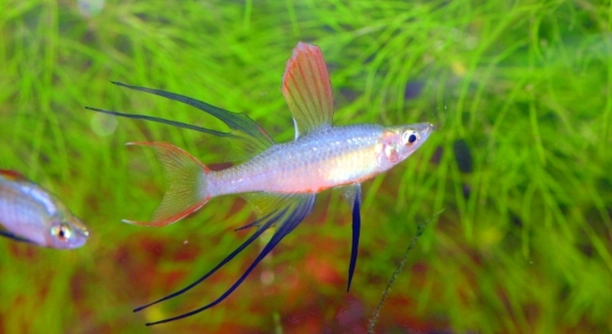
Threadfins are quiet swimmers often found near coastal waters. They move gracefully through currents, yet subtle changes in their behavior can reveal a lot about how they sense their surroundings. These fish are more alert than they appear.
When threadfins feel observed, they may increase their swimming speed, change direction abruptly, or form tighter schools. This behavior is a defensive mechanism, allowing them to monitor potential threats while maintaining cohesion and safety within their group.
Observing these reactions offers a glimpse into the cautious nature of threadfins and their strategies for staying safe in open waters. Their responses reveal more than just instinctive movement.
Subtle Movements and Vigilance
Threadfins often display small, careful movements when they feel watched. They may pause mid-swim, flick their fins lightly, or shift their orientation to keep an eye on observers. These fish rely on keen senses to detect changes in light, shadows, and vibrations in the water. Even minor disturbances nearby can trigger noticeable reactions. By swimming in a slightly curved path or changing depth gradually, threadfins maintain a balance between foraging and remaining alert. Their schooling behavior also provides safety, as the group can quickly respond to potential danger. Observing these subtle shifts in movement can reveal patterns that help researchers and fish watchers understand their natural instincts. Over time, it becomes clear that these behaviors are not random; they are calculated strategies that threadfins use to remain cautious while continuing their regular activities in open waters.
These small movements are consistent signs that threadfins are aware of being observed and ready to react.
Threadfins’ vigilance is shaped by both environmental factors and social interactions. Water clarity, predator presence, and current strength influence how they respond. In schools, one alert individual can trigger a ripple effect, causing the entire group to adjust speed or direction. This collective awareness minimizes risk while allowing fish to maintain access to food sources. Over time, these behaviors become ingrained, ensuring survival in dynamic habitats where threats can appear suddenly. Monitoring these responses provides insight into how fish perceive their environment and the balance they strike between caution and daily activity.
Schooling Patterns and Reactions
Schooling behavior is one of the most visible responses when threadfins feel observed.
When threadfins sense attention, they often tighten their formation and move in coordinated patterns to protect themselves. Tight schooling reduces exposure to predators, as the group appears larger and more intimidating. Individual fish adjust their spacing, speed, and alignment to match their neighbors, creating synchronized movements that are almost hypnotic to watch. This behavior also allows threadfins to communicate non-verbally through subtle fin movements and body positioning. Outside threats, including humans nearby, can amplify these responses, leading to sudden bursts of activity or abrupt directional changes. These shifts are not chaotic; they are precise and help the group maintain cohesion while navigating potential danger. Understanding these patterns highlights how threadfins balance alertness with social interaction, demonstrating that their schooling is both a survival tactic and a method of monitoring their surroundings carefully. Observing these reactions over time reveals the intelligence behind seemingly simple aquatic movements and the importance of group dynamics in their everyday life.
Changes in Feeding Behavior
When threadfins feel observed, they may slow their feeding or pause entirely. This cautious approach helps them stay alert and respond quickly to any perceived threat in their surroundings.
Feeding patterns shift subtly under observation. Threadfins often pick at smaller, safer prey rather than chasing larger targets that require more movement. They may hover near cover, using rocks, sand, or plants as protection while feeding. This allows them to monitor their surroundings without losing access to food. Even minor changes in water activity can trigger this behavior, showing how sensitive these fish are to external stimuli. Observing this can reveal how their survival instincts override immediate hunger.
In schools, feeding becomes even more controlled. Individuals mimic each other, creating synchronized pauses and small bursts of movement. This reduces vulnerability while maintaining overall nutrition. The group’s collective awareness ensures that every fish can react if danger arises, showing the link between social behavior and individual safety. Threadfins balance feeding needs with constant vigilance, making their actions purposeful rather than random.
Interactions with Other Species
Threadfins often modify their behavior around other fish when being watched. They stay closer together and avoid risky areas where larger species are present.
The presence of predators or competitive species significantly influences threadfin behavior. When observed, they become more alert and selective in choosing which spaces to occupy. Small adjustments, like maintaining mid-water positions or keeping near the bottom, reduce exposure. Their swimming speed may fluctuate, and sudden bursts can occur if they feel unsafe. Interactions with other fish are cautious; threadfins monitor movements, distance, and approach angles to avoid unnecessary conflicts. Over time, these behavioral adjustments allow them to coexist without compromising their safety or feeding opportunities.
Group dynamics are key in these interactions. In mixed-species environments, threadfins use spacing, synchronized movements, and minor directional changes to avoid contact while staying within their school. By mimicking neighbors’ reactions and maintaining collective vigilance, they reduce the risk of attacks or territorial disputes. This coordination allows threadfins to exploit feeding areas effectively while keeping alert for potential threats. Social awareness and careful observation are central to their survival strategy.
Avoidance and Hiding
Threadfins often seek cover when they feel observed. They use rocks, plants, and shadows to stay out of sight while still scanning their surroundings.
This hiding behavior allows them to reduce risk while remaining aware. Even small changes in the environment can trigger a shift toward concealed spaces, showing their cautious nature.
Rapid Swimming Responses
When threatened or feeling watched, threadfins may suddenly dart in short bursts. These rapid movements help them escape potential danger quickly and efficiently. Schools often synchronize these bursts, creating a coordinated reaction that confuses predators and keeps the group safe.
Environmental Awareness
Threadfins adjust their depth and position in response to subtle changes in light, water movement, or nearby activity. This constant monitoring allows them to react quickly and maintain a balance between feeding, movement, and safety.
FAQ
Why do threadfins swim in tight schools when they feel watched?
Threadfins tighten their schools to stay safer. Being close together makes it harder for predators to target a single fish. The group moves in sync, allowing each individual to react quickly if danger appears. This behavior also makes it easier for the fish to monitor changes in their environment while staying alert.
Do threadfins stop feeding when they sense someone watching?
Yes, they often reduce or pause feeding temporarily. When they feel observed, safety becomes more important than eating. Threadfins may hover near cover or pick at small, safe prey rather than chasing larger food items. Slower, cautious feeding helps them stay aware of surroundings without exposing themselves.
How quickly do threadfins react to potential threats?
Threadfins are highly responsive. Even subtle changes in water movement or light can trigger quick bursts of movement. Their reactions are often immediate, allowing them to escape predators or avoid being caught off guard. Schools coordinate these bursts, creating synchronized patterns that confuse threats and protect the group.
Do threadfins behave differently around other fish species?
Yes, interactions with other species influence their behavior. Threadfins maintain cautious distances from predators or competitive species. They adjust their depth, speed, and position to avoid conflicts while staying close to their school. This careful observation allows them to coexist safely and still find food efficiently.
Are these behaviors instinctual or learned?
Most responses are instinctual. Threadfins are born with the ability to sense threats and respond accordingly. However, repeated exposure to certain conditions can refine their behavior. Over time, they may become more attuned to environmental cues, improving their ability to avoid danger while maintaining feeding and social patterns.
Why do threadfins change direction suddenly when observed?
Abrupt changes in direction are defensive maneuvers. These movements make it difficult for predators to predict their path. Sudden shifts also allow them to move toward safer areas or stay within the protection of the school. This behavior shows their careful balance between caution and continued movement.
Can humans observing threadfins affect their behavior long-term?
Repeated human presence can influence threadfin patterns. Fish may become more cautious around certain areas, limiting feeding or altering their usual swimming routes. While they adapt, these adjustments demonstrate how sensitive threadfins are to external stimuli, highlighting the impact of persistent observation on natural behavior.
How do threadfins communicate within their schools?
Communication is subtle. Threadfins use fin movements, body positioning, and small shifts in speed to signal changes or threats. Each fish reacts to its neighbors, creating a network of signals that maintains group cohesion. This coordination helps the school respond collectively to perceived dangers efficiently.
Do all threadfins respond the same way when watched?
Responses can vary based on size, age, and position within the school. Younger or smaller fish may stay closer to the center of the group, while larger or more experienced individuals may take leading positions. These differences reflect individual strategies for staying safe while maintaining access to food.
Is it possible to study threadfins’ behavior without disturbing them?
Yes, careful observation techniques like remote cameras or snorkeling at a distance allow researchers to watch threadfins without causing stress. Minimizing human impact ensures the fish display natural behavior, providing accurate insights into their vigilance, feeding, and schooling patterns.
What is the most noticeable sign that threadfins feel observed?
Tightened schooling and sudden bursts of swimming are the most visible signs. Slowed feeding or hovering near cover also indicates awareness. Watching these reactions over time can reveal patterns that show how threadfins balance caution, social interaction, and daily activity.
How does environmental context influence threadfin reactions?
Factors like water clarity, current strength, and predator presence greatly affect behavior. Clear water or strong currents may make them more cautious, while crowded areas with competitors might trigger tighter schooling. Threadfins constantly monitor these conditions to decide when to feed, hide, or adjust their movement.
Are there differences in behavior between threadfin species?
Yes, behavior can differ based on species, habitat, and ecological pressures. Some threadfins are more skittish, while others tolerate human presence better. Observing these differences provides insight into how evolutionary adaptations shape vigilance, schooling, and feeding strategies across environments.
Do threadfins ever ignore observers?
Occasionally, when they feel safe or accustomed to low-risk disturbances, threadfins may continue normal activities. Their awareness never completely disappears, but habituation to non-threatening stimuli can reduce the intensity of defensive behaviors, allowing them to feed or swim more naturally despite being watched.
How important is schooling for survival?
Schooling is vital. It reduces individual risk, allows shared vigilance, and improves chances of escaping predators. Coordinated swimming creates confusion for threats while maintaining access to food. This social structure is a key factor in how threadfins manage both danger and daily life efficiently.
Can observing threadfins teach us about other fish species?
Yes, studying their reactions offers clues about general fish behavior. Vigilance, schooling, and feeding adjustments in threadfins reflect strategies seen in many species. Observing these patterns helps understand predator-prey dynamics, social interactions, and environmental awareness across aquatic ecosystems.
Do threadfins ever change their hiding spots regularly?
Yes, rotation of hiding spots prevents predictability and reduces risk. They may move between rocks, plants, or shadows depending on perceived threats. This behavior highlights how adaptable threadfins are in managing safety while staying active and feeding efficiently.
How does being observed affect stress levels in threadfins?
Increased alertness can elevate stress temporarily. Cautious swimming, slowed feeding, and tight schooling are signs of this stress. Over time, chronic disturbances may impact energy expenditure and foraging efficiency, showing the importance of minimal interference when observing these fish in natural habitats.
Can environmental enrichment reduce stress for threadfins in captivity?
Yes, providing hiding spots, variable depths, and naturalistic structures helps threadfins feel secure. Enrichment mimics natural conditions, allowing them to express vigilance, schooling, and feeding behaviors safely. Observing them under these conditions provides a more accurate view of their natural responses to potential threats.
What should observers focus on to understand threadfin behavior best?
Key indicators include schooling tightness, feeding pace, depth adjustments, and sudden swimming bursts. Watching interactions with other species and reactions to environmental changes also provides valuable insight. Careful observation over time reveals consistent patterns, helping understand how threadfins balance caution, safety, and daily activity.
Threadfins are cautious fish that respond carefully when they feel watched. Their movements, feeding patterns, and interactions with other species all change in subtle ways. These behaviors are not random; they are part of a natural strategy to stay safe while living in open waters. By tightening their schools, changing direction quickly, and seeking cover, threadfins reduce the risk of being caught or startled. Even small adjustments, like hovering near shadows or picking at smaller prey, are important for their survival. Understanding these reactions shows how sensitive threadfins are to their surroundings and how they balance caution with daily activities. Observing these fish provides insight into their instincts and how they respond to potential threats in their environment.
Their schooling behavior is one of the clearest examples of this balance. When threadfins swim together in tight formations, each fish is both protecting itself and contributing to the group’s safety. Sudden bursts of movement or changes in speed help confuse predators while keeping the school coordinated. Even interactions with other species are influenced by this awareness. Threadfins adjust their spacing and position to avoid conflict while maintaining access to food. These strategies show a combination of instinct and environmental awareness. Over time, the careful study of these behaviors can help us understand not only how threadfins survive but also how social dynamics shape the actions of fish in general.
Awareness of environmental conditions is another key aspect of their behavior. Threadfins respond to changes in light, water movement, and nearby activity with small, calculated movements. They may hide behind plants or rocks or adjust their depth to stay safe. Even when observed by humans, these fish continue to show these natural responses. Feeding patterns change, schools tighten, and movements become more deliberate. These responses highlight the importance of caution and adaptability for threadfins. Observing them closely allows us to appreciate how even small, everyday behaviors are essential for survival. It is clear that their responses are a mix of instinct, social interaction, and environmental awareness, making threadfins fascinating examples of aquatic life.

Hello,
If you enjoy the content that we create, please consider saying a "Thank You!" by leaving a tip.
Every little bit helps us continue crafting quality advice that supports the health, happiness, and well-being of pets around the world, for pets of all shapes, sizes, and species.
We really appreciate the kindness and support that you show us!