
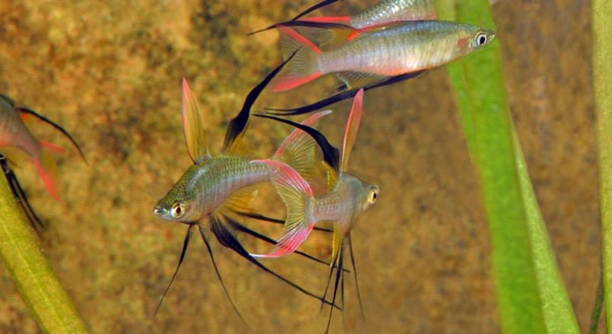
Have you ever noticed your Threadfin Rainbowfish acting differently when kept in groups and wondered if this behavior may signal territorial instincts? These delicate fish are often admired for their peaceful nature but sometimes display unexpected actions.
Threadfin Rainbowfish can develop territorial behaviors in group settings, especially in confined aquariums or when competing for space, mates, or food. While generally peaceful, males may establish dominance hierarchies, leading to occasional chasing or displays of aggression within the group.
Learning how these behaviors emerge will help you create a balanced aquarium environment, ensuring your Threadfin Rainbowfish remain comfortable and healthy when living together.
Understanding Territorial Behavior in Threadfin Rainbowfish
Threadfin Rainbowfish are admired for their elegance, yet they can show surprising levels of territorial behavior under certain conditions. Males, in particular, may become more assertive when they feel their environment is too limited or when competing for mates. This often results in chasing or fin displays designed to establish dominance. Such behaviors are not unusual and can sometimes be mistaken for outright aggression. They serve as natural instincts meant to balance social structures within the group. By recognizing these signs, aquarists can respond appropriately, ensuring harmony remains within the tank and preventing unnecessary stress among the fish.
When tank space is insufficient or poorly arranged, territorial behavior often becomes more noticeable. Creating areas for retreat, adding plants, and keeping group sizes balanced helps reduce stress and minimize displays of dominance.
It is important to understand that territorial behavior does not always indicate aggression. Instead, it reflects the natural interactions that help fish establish order. Careful observation allows you to differentiate between normal displays of dominance and behavior that could escalate into harmful stress, guiding you to make adjustments that support a healthier aquarium environment for your Threadfin Rainbowfish.
Creating a Balanced Tank Environment
A balanced environment helps Threadfin Rainbowfish feel secure while reducing tension between group members. Proper planning is essential to support their natural behavior and keep the tank peaceful.
Threadfin Rainbowfish thrive best in spacious aquariums with plenty of swimming room. A tank of at least 20 gallons is generally recommended for a small group, though larger spaces are always better when multiple males are present. Plants, driftwood, and decorations provide hiding places and break up lines of sight, helping reduce stress during displays of dominance. Keeping the group size even, with more females than males, encourages harmony while limiting the frequency of competitive behaviors. Additionally, ensuring regular feeding routines prevents food-based disputes that might trigger territorial tendencies. Maintaining water quality is equally important, as poor conditions can heighten irritability and stress. A well-structured environment gives each fish a chance to feel comfortable, reducing the intensity of territorial behavior and encouraging natural, graceful interactions.
Signs of Territorial Behavior
Threadfin Rainbowfish may chase one another, flare their fins, or display sudden bursts of speed. These behaviors are common in males competing for dominance, and they typically appear more frequently when tank space is limited.
Flaring fins is one of the most recognizable signs of territorial behavior. Males spread their fins widely to appear larger and more intimidating, sending a signal of dominance to rivals. Chasing is also common, often involving short bursts rather than prolonged aggression. While these displays can look concerning, they rarely cause physical harm. Instead, they serve to reinforce social hierarchy within the group.
Another common sign includes blocking or guarding specific spaces within the tank. A dominant fish may claim a corner, cave, or plant area and attempt to exclude others from entering. This behavior is particularly noticeable when males compete for female attention. Recognizing these patterns helps you manage them before stress escalates.
Managing Group Dynamics
Maintaining balance within the group requires careful monitoring and thoughtful adjustments. Overcrowding and uneven male-to-female ratios often increase competition, making displays of dominance more intense. By providing more space and arranging the environment thoughtfully, these issues can be controlled.
Introducing more females than males is one of the most effective strategies for reducing conflict. Males spread their attention across several partners instead of fixating on a single female, lowering tension within the group. Adding plants and decorations breaks up sightlines, preventing one fish from dominating the entire tank. Feeding evenly and at regular times reduces food-related disputes, while routine water maintenance keeps conditions stable. By observing your Threadfin Rainbowfish closely, you can adapt the environment to their needs, ensuring group dynamics remain stable and the fish thrive in their shared space.
Factors That Influence Territorial Behavior
Tank size plays a major role in how territorial Threadfin Rainbowfish become. Smaller tanks often lead to more frequent displays, while larger, well-structured environments reduce stress and encourage calmer interactions among the group.
The male-to-female ratio also influences behavior. Too many males competing for a limited number of females often intensifies displays of dominance. Ensuring more females than males helps distribute attention evenly, preventing unnecessary stress within the group and reducing the chance of persistent territorial disputes.
Best Tank Setup for Peaceful Groups
A tank of at least 20 to 30 gallons is recommended when housing multiple Threadfin Rainbowfish, with larger tanks being even more beneficial. Aquascaping with live plants, driftwood, and caves provides hiding spaces and reduces visual contact, minimizing conflict. Balanced lighting and steady water parameters are essential for lowering stress and keeping behavior manageable. Strong filtration combined with regular maintenance ensures the water remains clean, helping the fish stay healthy and less prone to irritability. Arranging decorations to break up territories supports peaceful coexistence, while consistent feeding routines keep competition to a minimum.
Final Thoughts on Behavior
Threadfin Rainbowfish may show territorial tendencies in groups, but with the right tank setup and care, these behaviors remain manageable. Creating a stable, spacious, and well-structured environment ensures their natural beauty shines without unnecessary stress or conflict.
FAQ
Can Threadfin Rainbowfish live peacefully in groups?
Yes, they generally do. Threadfin Rainbowfish are naturally social and prefer being in groups. Peaceful interactions are possible when the tank is spacious, decorated with hiding spaces, and the male-to-female ratio is balanced. Males may show temporary dominance, but proper tank setup reduces stress and keeps harmony.
How many Threadfin Rainbowfish should be kept together?
A minimum group of six is recommended, ideally with more females than males. This helps distribute male attention and reduces competition. Larger groups in spacious tanks also help establish a stable social hierarchy, preventing one fish from dominating the environment.
Do males fight aggressively in a group?
Fights are usually limited to chasing and fin displays. Physical harm is uncommon if the tank is properly sized and has hiding places. Aggression intensifies in crowded tanks or when males outnumber females, so monitoring interactions and adjusting the environment is important.
What tank size is best to prevent territorial disputes?
A minimum of 20–30 gallons is recommended for small groups. Larger tanks are preferable for multiple males. Providing open swimming areas and plenty of plants, rocks, or driftwood allows fish to establish personal spaces, reducing conflict and stress.
How can I tell if territorial behavior is becoming a problem?
Look for persistent chasing, fin damage, or signs of stress such as hiding or lack of appetite. Occasional displays are normal, but ongoing aggression signals the tank may be too small, or the male-to-female ratio needs adjustment.
Can changing the tank layout reduce territorial behavior?
Yes. Rearranging plants, decorations, and hiding spots disrupts established territories, helping reset social hierarchies. It also provides retreat areas for less dominant fish, reducing stress and maintaining balance within the group.
Does feeding affect territorial behavior?
Absolutely. Uneven feeding can trigger disputes, as dominant males may block others from accessing food. Feeding evenly at multiple points and on a consistent schedule ensures all fish receive adequate nutrition and reduces competition.
Are females territorial too?
Females are generally less territorial than males, but they may establish small personal areas, especially when stressed or crowded. Providing enough space and cover ensures females can coexist without unnecessary conflict.
How can I safely introduce new Threadfin Rainbowfish to an established group?
Quarantine new fish first to prevent disease. Introduce them gradually with visual barriers, such as a tank divider, before full release. Rearranging decorations beforehand helps reduce established territorial claims, allowing smoother integration and minimizing aggression.
Is water quality important for controlling aggression?
Yes. Poor water conditions increase stress, making fish more prone to aggressive behavior. Maintaining stable temperature, pH, and regular filtration is crucial. Clean, well-oxygenated water supports calmer fish and reduces the frequency of territorial displays.
Can I keep other fish with Threadfin Rainbowfish?
Yes, peaceful species of similar size are suitable tankmates. Avoid aggressive or overly territorial fish that could trigger competition. Proper tank setup with sufficient space and hiding spots ensures coexistence without escalating stress.
How long does it take for males to establish dominance?
Dominance hierarchies usually form within days to a week of being introduced to a group. Early signs include chasing and fin displays, which gradually stabilize as each male finds its place within the social structure.
What should I do if a fish is constantly stressed by others?
Consider increasing hiding places, rearranging the tank, or separating overly aggressive males. Ensuring enough females and sufficient space helps reduce pressure on stressed individuals. Monitoring behavior closely allows timely adjustments to maintain a healthy environment.
Are territorial behaviors more common in breeding conditions?
Yes. Males may become more assertive when trying to attract females or protect spawning areas. Providing multiple hiding spots and visual barriers helps reduce tension and allows breeding to occur without excessive stress.
Can lighting affect aggression?
Bright, constant lighting may increase stress, leading to more noticeable territorial displays. Moderate lighting with shaded areas from plants or decorations allows fish to feel secure, reducing aggressive interactions.
Do juvenile Threadfin Rainbowfish show territorial behavior?
Juveniles are generally less aggressive, but some hierarchy may develop as they mature. Early observation of social interactions helps ensure group stability as they grow, and adjustments in tank setup prevent future conflicts.
How often should I observe my fish for territorial behavior?
Daily monitoring is ideal. Observing interactions helps identify early signs of stress or dominance issues. Prompt action, such as rearranging the tank or adjusting group ratios, maintains harmony and prevents escalation.
Are there signs that a tank is too small for Threadfin Rainbowfish?
Yes. Frequent chasing, persistent hiding, and visible fin damage are indicators. Crowding limits movement and increases stress, so expanding tank space or reducing the number of males is necessary.
Can water temperature changes affect territorial behavior?
Sudden fluctuations in temperature can stress fish, making them more prone to aggression. Maintaining a stable, species-appropriate temperature helps ensure calm interactions and supports overall health.
What is the best way to ensure long-term harmony in a group?
Provide ample space, proper male-to-female ratios, hiding spots, stable water conditions, and regular feeding routines. Observing social dynamics and making adjustments early helps Threadfin Rainbowfish coexist peacefully over the long term.
Are some individual fish more aggressive than others?
Yes. Individual temperament varies, and some males may naturally assert dominance more strongly. Monitoring and, if necessary, separating overly aggressive individuals helps maintain a balanced and stress-free environment.
How important is social hierarchy in these fish?
Social hierarchy is crucial for group stability. Once established, it reduces frequent conflicts, as each fish understands its role. Supporting hierarchy through proper tank size, decoration, and group composition ensures peaceful coexistence.
Can territorial behavior ever harm the fish?
Occasional chasing or displays are harmless, but persistent aggression in crowded or stressful conditions can cause injury, fin damage, or long-term stress. Preventive measures and proper tank management minimize these risks.
Does age affect territorial tendencies?
Older, mature males may show stronger territorial instincts, while younger fish are less aggressive. Observing age-related changes helps in planning tank arrangements and group management for a stable environment.
How can I encourage peaceful interactions among males?
Providing ample space, decorations for visual barriers, and an appropriate male-to-female ratio encourages natural dominance displays without prolonged conflict. Regular feeding and clean water support calmer behavior.
Is it necessary to remove aggressive fish permanently?
Only if aggression cannot be controlled through tank adjustments or group management. Temporary separation or increasing space usually resolves conflicts, minimizing the need for permanent removal.
Can water flow or filtration impact territorial behavior?
Strong currents may increase stress or trigger competition for calmer areas. Moderate water flow with areas of reduced current allows fish to swim comfortably and reduces tension, supporting peaceful interactions.
Are territorial behaviors more visible at certain times of day?
Males may display dominance more actively during feeding times or periods of bright light. Observing patterns helps plan feeding and lighting schedules to reduce stress and manage group dynamics effectively.
Can introducing more females calm aggressive males?
Yes. A higher number of females distributes male attention, reducing competition and minimizing chasing. This approach works well alongside environmental adjustments for maintaining group harmony.
Does tank depth influence territorial behavior?
Depth can provide vertical space for retreat and reduce visual confrontation. Fish can use different levels to avoid conflicts, which lowers the frequency and intensity of dominance displays.
How important is plant density in controlling aggression?
Dense planting creates hiding spaces and visual breaks, allowing fish to escape or avoid confrontations. Well-planted tanks reduce persistent chasing and provide a sense of security, which lowers stress and improves overall behavior.
Can aggressive behavior change over time?
Yes. Territorial displays often peak when dominance hierarchies are being established but may decrease once social roles are understood. Regular observation and adjustments help maintain long-term stability.
Are there signs that aggression is stress-related rather than dominance-related?
Yes. Stressed fish may hide excessively, refuse food, or show unusual lethargy. Aggression caused by stress often escalates rapidly and affects all fish, unlike natural dominance, which is more controlled and predictable.
Is it necessary to monitor fish individually in a group?
Monitoring individuals helps identify persistent stress or bullying, ensuring early intervention. This allows adjustments to tank layout, feeding, or group composition before conflicts escalate, maintaining a healthy environment.
Do seasonal changes affect behavior?
Minor seasonal changes may influence activity levels, but stable indoor aquarium conditions generally prevent significant behavioral shifts. Maintaining consistency in temperature, lighting, and feeding reduces unexpected aggression.
Can I use tank dividers permanently to reduce aggression?
Permanent dividers are not usually necessary if space, hiding spots, and group composition are managed correctly. Temporary dividers can help during introductions or conflict periods but are rarely needed long-term.
Are Threadfin Rainbowfish suitable for beginner aquarists given their territorial tendencies?
Yes, if proper tank conditions, group sizes, and observation routines are maintained. Their social nature is manageable with careful planning and monitoring, making them suitable for aquarists willing to invest time in maintaining balance.
How do I maintain a calm environment for multiple males?
Balance males with sufficient females, provide hiding spots, maintain clean water, and offer ample swimming space. Observing interactions and making small adjustments keeps the tank peaceful.
What role does diet play in reducing conflicts?
Consistent, evenly distributed feeding prevents food-related disputes, reduces stress, and helps males focus on natural behaviors rather than competing aggressively. High-quality, nutrient-rich foods support overall health.
Are there signs that a tankmate is causing territorial stress?
Yes. Signs include excessive chasing, hiding, or reluctance to eat. Incompatible or aggressive species can trigger stress in Threadfin Rainbowfish, requiring separation or tankmate replacement.
Can breeding behavior increase aggression temporarily?
Yes. Males become more territorial when courting females or protecting spawning areas. Providing multiple hiding spots and visual breaks helps reduce tension during breeding periods.
How often should tank decorations be changed to reduce stress?
Periodic rearrangement can disrupt established territories, giving less dominant fish opportunities to settle. Changes every few months help maintain balance without causing confusion or excessive stress.
Does schooling behavior affect territorial tendencies?
Threadfin Rainbowfish school naturally, which can reduce aggression by keeping the group visually cohesive. Maintaining group sizes above the minimum recommended ensures schooling supports peaceful social dynamics.
Are there long-term effects of unmanaged territorial behavior?
Persistent aggression can lead to chronic stress, injury, and suppressed immune function. Managing space, group ratios, and environmental enrichment prevents these negative outcomes and promotes healthy, stable groups.
Can observing wild behavior help manage aggression in aquariums?
Yes. Understanding natural interactions, territory use, and social hierarchy provides insight into expected behaviors, guiding aquarium setup and management to mimic natural conditions and reduce stress.
Is isolation ever necessary for aggressive males?
Temporary isolation may help overly aggressive males reset social dynamics. Full-time separation is rarely required if tank conditions, group composition, and hiding places are adequate.
Do Threadfin Rainbowfish show signs of stress in crowded tanks?
Yes. Signs include hiding, fin damage, reduced appetite, and erratic swimming. Increasing space, rearranging decorations, or adjusting group composition alleviates stress and reduces territorial conflicts.
How important is observation for long-term management?
Regular observation is essential. Monitoring behavior allows early detection of stress, dominance issues, or aggression. Timely adjustments to tank setup or group composition maintain harmony and support healthy, peaceful groups of Threadfin Rainbowfish.
Can tankmates help diffuse aggression?
Compatible, peaceful fish can reduce focus on dominance displays, though only if they do not compete for space or resources. Proper tank planning ensures all species coexist without escalating stress.
Do environmental enrichments reduce aggression?
Yes. Plants, caves, and driftwood create retreat areas and visual barriers, giving fish the ability to escape or avoid confrontation. Enrichments reduce stress and encourage natural, non-harmful interactions.
How quickly can changes in tank setup reduce aggression?
Improvements such as adding hiding spots, rearranging decorations, or adjusting group ratios can show effects within days to weeks, depending on the severity of territorial displays and fish personalities.
Are all males equally aggressive?
No. Individual temperament varies. Some males may dominate more strongly, while others remain relatively passive. Observation and occasional adjustments ensure group balance and prevent chronic stress.
Can overcrowding be managed without removing fish?
Only partially. Adding decorations and hiding places may reduce tension temporarily, but overcrowding usually requires either increasing tank size or reducing fish numbers for long-term stability.
Do seasonal breeding cycles affect territorial behavior?
Yes. Aggression may peak during breeding cycles, especially among males competing for females. Ensuring multiple females and adequate hiding spots helps mitigate stress during these periods.
Are fin nips a serious concern?
Minor fin nips from chasing are usually harmless if not frequent. Persistent or severe damage may indicate tank imbalance, requiring adjustments in space, group ratios, or hiding places.
Is it necessary to monitor fish during feeding times?
Yes. Feeding can trigger competitive behaviors. Observing ensures all fish receive food, reduces stress, and allows for adjustments if dominant males monopolize resources.
Do Threadfin Rainbowfish require visual barriers for calm interactions?
Yes. Plants, decorations, or driftwood that block lines of sight reduce prolonged chasing and allow less dominant fish to rest, minimizing territorial stress.
How does tank complexity affect social behavior?
Complex tanks provide multiple territories and hiding places, allowing fish to avoid confrontation. This supports natural hierarchy formation while minimizing stress and aggressive displays.
Are environmental changes stressful for these fish?
Sudden changes can cause temporary stress. Gradual adjustments, such as rearranging decorations or introducing new fish slowly, help Threadfin Rainbowfish adapt without escalating aggression.
Does group composition need regular assessment?
Yes. Changes in fish number, age, or temperament can affect social dynamics. Regular assessment ensures a balanced, harmonious environment and reduces the risk of chronic territorial conflicts.
Can behavior observation predict potential aggression?
Yes. Watching fin displays, chasing patterns, and territory use allows early detection of potential aggression, enabling proactive measures to maintain harmony within the group.
Are hiding spaces more important for dominant or submissive fish?
Both benefit, but submissive fish rely heavily on retreats to avoid persistent chasing. Dominant fish also use hiding spaces to establish personal territory without constant conflict.
Do males ever coexist peacefully without females?
Some may coexist temporarily, but long-term harmony is difficult. Presence of females and adequate space helps diffuse tension and stabilizes male interactions over time.
How does feeding type influence aggression?
Slow-dispersing or single-point feeding can increase competition. Providing evenly distributed, high-quality food reduces disputes and keeps interactions calm.
Are juvenile introductions better than adult introductions?
Juveniles integrate more easily into established groups. Adult introductions may trigger immediate dominance struggles unless carefully managed with visual barriers and tank rearrangements.
Can territorial behavior indicate health issues?
Occasionally. Excessive aggression or lethargy may signal stress from poor water quality, disease, or malnutrition. Addressing these factors helps restore normal behavior.
Do males establish fixed territories permanently?
Territories are flexible and shift over time, especially with new fish introductions or rearrangements. Fixed boundaries are rare; ongoing adjustments support stability and reduce aggression.
Are visual markers important for reducing disputes?
Yes. Plants, rocks, and driftwood create visual separation, allowing fish to recognize personal space and reduce constant dominance displays, supporting peaceful coexistence.
Can environmental enrichment improve breeding success?
Yes. Hiding spots and visual barriers reduce stress, encouraging natural courtship and spawning behaviors while minimizing aggressive interactions during breeding periods.
Is monitoring water parameters more important than tank size?
Both are essential. Clean, stable water prevents stress-related aggression, while sufficient space reduces dominance conflicts. Together, they maintain a healthy, harmonious environment.
Do Threadfin Rainbowfish recognize individual tankmates?
Yes. They develop awareness of group members, which helps maintain social hierarchies. Recognizing individuals reduces the frequency of dominance disputes once roles are established.
How do I address aggression between two dominant males?
Temporary separation or rearranging tank layout can help. Ensuring more females and providing additional hiding spaces allows each male to establish a less confrontational territory.
Does tank lighting affect breeding aggression?
Bright, constant lighting can increase stress and aggressive displays during breeding. Moderate lighting with shaded areas reduces tension and supports calmer interactions.
Are aggressive displays more frequent in new tanks?
Yes. New environments trigger territory establishment and dominance displays. Rearranging decorations or adding hiding places helps stabilize social hierarchies more quickly.
Can adding plants reduce long-term aggression?
Yes. Dense planting provides visual breaks and escape routes, lowering stress and preventing persistent dominance disputes among males.
How quickly should I act if aggression escalates?
Immediate observation and adjustments are necessary. Rearranging hiding spots, checking group ratios, or temporarily separating fish prevents injury and chronic stress.
Are certain decorations better for reducing stress?
Caves, driftwood, and tall plants are ideal. They provide retreat areas, visual breaks, and vertical space, helping fish manage personal territories and minimize conflict.
Is constant monitoring required for established groups?
Regular checks are recommended. Even stable groups may experience occasional disputes. Monitoring ensures issues are caught early and resolved quickly.
Can aggression affect breeding success?
Yes. Excessive stress or chasing can reduce courtship and spawning. Providing adequate space, hiding spots, and balanced ratios supports natural breeding behaviors without unnecessary conflict.
Does fish size influence territorial dominance?
Larger males often assert dominance more easily, but personality and environmental factors play a strong role. Proper tank management ensures balance despite size differences.
Are territorial displays harmful if mild?
No. Brief chasing and fin flaring are natural behaviors. Only persistent or intense aggression causes stress or injury, which should be managed.
Can tank rearrangement reset hierarchy?
Yes. Moving decorations disrupts established territories, allowing fish to establish new hierarchies and reducing prolonged aggression.
Do Threadfin Rainbowfish require social enrichment?
Yes. Interaction with tankmates supports natural behavior and schooling, helping maintain mental stimulation and balanced group dynamics.
Are hiding spaces essential for peaceful schooling?
Yes. Even in groups, fish need retreats to escape chasing or dominance displays, ensuring schooling remains harmonious and stress-free.
Can environmental stress trigger unexpected aggression?
Yes. Poor water quality, overcrowding, or sudden changes can cause normally peaceful fish to become aggressive, highlighting the need for stable, well-maintained conditions.
Does tank cleanliness directly affect territorial behavior?
Yes. Dirty water increases stress and irritability, leading to more frequent displays of dominance. Consistent maintenance reduces aggression and supports healthy interactions.
How long does it take for a group to stabilize?
Typically, a week to two weeks for initial hierarchies to form. Observing and adjusting the environment during this period
Threadfin Rainbowfish are generally peaceful fish, but their territorial behaviors should not be ignored. Males, in particular, may assert dominance when competing for space, mates, or resources. These behaviors are natural and serve to establish social hierarchies within the group. Occasional chasing, fin displays, or guarding of certain areas are typical signs of territorial behavior and do not usually result in injury if the environment is appropriate. Understanding these instincts is key to maintaining a balanced aquarium where all fish can coexist comfortably. Recognizing early signs of dominance and stress allows you to make necessary adjustments before conflicts escalate.
Proper tank setup is one of the most effective ways to manage territorial behavior. A spacious aquarium, ideally 20–30 gallons or larger depending on the number of fish, provides sufficient room for swimming and reduces competition for territory. Adding decorations, plants, and driftwood breaks up sightlines and offers retreat areas for less dominant fish. Ensuring a balanced male-to-female ratio helps distribute attention evenly, reducing the intensity of displays among males. Feeding routines also play a role in minimizing disputes. Regular, evenly distributed feeding points prevent dominant males from blocking access to food and help all fish remain healthy and stress-free. Monitoring water quality, temperature, and lighting further supports a calm environment and reduces triggers for aggressive behavior.
Observing your Threadfin Rainbowfish closely is essential for long-term success. Each group has unique dynamics, and individual temperaments vary, meaning some males may be more assertive than others. Adjustments, such as rearranging decorations, adding more hiding spots, or temporarily separating aggressive fish, can restore balance without permanent changes to the group. Gradual introductions of new fish, consistent care, and attention to environmental enrichment help maintain harmony and reduce stress. By providing a well-structured tank and monitoring interactions, it is possible to support natural behaviors while keeping aggression manageable. Threadfin Rainbowfish can thrive in groups when their social needs are respected, creating a healthy and visually appealing aquarium that showcases their graceful movements and vibrant coloration.
This approach ensures that territorial behavior is understood and managed, rather than feared. With careful planning, observation, and small adjustments, a group of Threadfin Rainbowfish can live together harmoniously. Maintaining proper space, hiding places, and environmental stability allows fish to establish social hierarchies naturally without constant conflict. Over time, peaceful interactions become more consistent, and the aquarium becomes a stable, enjoyable environment for both the fish and the caretaker. Understanding their behavior and providing suitable conditions fosters both the health and well-being of the fish, creating an aquarium that remains balanced, attractive, and stress-free.
By implementing these strategies, it is possible to enjoy a thriving group of Threadfin Rainbowfish without persistent territorial issues. Monitoring behavior, adjusting environmental factors, and supporting natural social structures ensures that each fish can coexist safely. Prioritizing space, structure, and routine care allows dominant males to display natural instincts without causing harm, while less assertive fish have areas to retreat and feel secure. In this way, territorial tendencies are managed effectively, and the group maintains long-term stability. A well-maintained tank with careful attention to social dynamics creates a peaceful, vibrant aquarium where Threadfin Rainbowfish can flourish, displaying their characteristic beauty and social behaviors without unnecessary stress.

Hello,
If you enjoy the content that we create, please consider saying a "Thank You!" by leaving a tip.
Every little bit helps us continue crafting quality advice that supports the health, happiness, and well-being of pets around the world, for pets of all shapes, sizes, and species.
We really appreciate the kindness and support that you show us!