
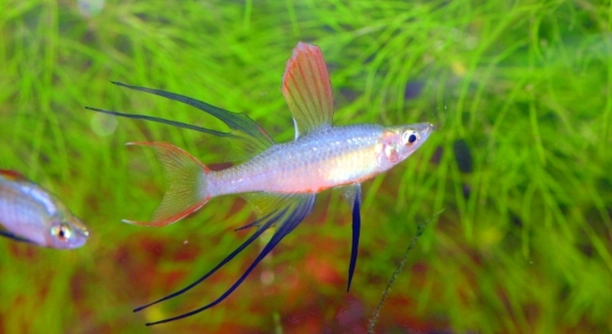
Are your Threadfin Rainbowfish suddenly looking pale, losing the vibrant colors that once lit up your aquarium? Sudden color changes can be alarming and make you worry about the overall health of your fish.
Threadfin Rainbowfish may become pale due to several factors, including stress from poor water quality, illness, inadequate nutrition, sudden temperature fluctuations, or social dominance issues. Each of these conditions impacts pigmentation and overall well-being in predictable ways.
Understanding why your rainbowfish lose their color can help restore their health and vibrancy. The following points explain the main reasons for these sudden changes.
Poor Water Quality
Maintaining clean water is essential for Threadfin Rainbowfish. When water contains high levels of ammonia, nitrites, or nitrates, it can stress the fish and cause their colors to fade. Sudden changes in pH or hardness can also affect pigmentation. Filtration systems should be checked regularly to ensure they are functioning properly. Partial water changes help remove toxins and balance parameters, which directly impacts the fish’s overall health. Observing water clarity, odor, and test results gives insight into potential issues. Even small lapses in maintenance can trigger stress, leading to paleness. Overcrowding exacerbates these problems by increasing waste and competition. Temperature fluctuations can further compound stress, especially if your aquarium lacks a stable heating system. Fish may retreat or show sluggish behavior when water quality is poor. By monitoring these factors consistently, you can prevent sudden color loss and improve the vitality of your Threadfin Rainbowfish.
Regular water testing and maintenance are the simplest ways to keep your fish vibrant.
Even minor issues in water quality can affect behavior, feeding, and long-term health. Proper filtration, consistent water changes, and monitoring temperature help maintain stable conditions. Threadfin Rainbowfish respond quickly to improvements, often regaining color within days, but persistent neglect can lead to disease. Keeping a log of water parameters and adjusting the environment proactively ensures your fish remain healthy and visually striking. Attention to detail in cleaning and testing can make a significant difference, allowing the rainbowfish to thrive and display their natural iridescence.
Stress from Tankmates
Stress from other fish can cause Threadfin Rainbowfish to lose color. Aggressive or territorial species may intimidate them, forcing submissive fish into hiding and triggering paleness.
Social hierarchy impacts rainbowfish coloration. Dominant fish display brighter colors, while submissive fish appear washed out. Ensuring compatible tankmates and providing plenty of hiding spaces can reduce stress significantly.
Stress manifests in multiple ways beyond color loss. Constant harassment or overcrowding can affect appetite, weaken immunity, and increase susceptibility to disease. Even minor disturbances, like sudden movements near the tank or loud noises, may intensify stress responses. Observing interactions and adjusting tank composition are critical for maintaining a peaceful environment. Providing visual barriers, plants, and décor allows fish to escape confrontations and feel secure. Additionally, keeping consistent feeding schedules helps reinforce stability. Over time, reducing stress leads to brighter coloration, healthier behavior, and improved overall vitality. Monitoring social dynamics within the tank is essential for preventing long-term negative effects on both physical health and aesthetic appeal.
Inadequate Nutrition
A lack of proper nutrition can cause Threadfin Rainbowfish to lose their vibrant colors. Diets low in protein, vitamins, and carotenoids directly affect pigmentation and overall health, leading to a faded appearance.
Providing a balanced diet with high-quality flakes, pellets, and occasional live or frozen foods ensures adequate nutrition. Carotenoid-rich foods, like spirulina or krill, enhance red and orange hues naturally. Feeding small portions multiple times a day prevents overeating and maintains digestive health. Poor diet over time weakens the immune system, making fish more susceptible to stress and illness. Observing the fish during feeding can reveal preferences and deficiencies. Supplements may be considered if natural food intake is insufficient. Consistency in diet is crucial to sustaining bright colors and overall vitality.
Even minor changes in diet can show noticeable improvements in color within weeks. Regularly varying food types and ensuring high-quality nutrition keeps Threadfin Rainbowfish healthy and visually striking.
Illness and Parasites
Illness and parasites often cause sudden pale coloration in Threadfin Rainbowfish. Internal infections or external parasites disrupt normal bodily functions, leading to stress and color loss.
Bacterial, fungal, or parasitic infections interfere with metabolism and pigment production. Common signs include lethargy, clamped fins, loss of appetite, and abnormal swimming patterns. Quarantining new fish and treating infected individuals promptly can prevent spread. Medications and water treatments should follow recommended guidelines. Regular observation helps detect early symptoms before serious damage occurs. Maintaining optimal water conditions supports recovery and reduces recurrence of illness. Stress from illness can exacerbate paleness, making treatment and preventive care essential. Routine health checks and maintaining a clean, stable environment are key to preventing infection.
Early intervention often restores color and vitality. Combining proper care, treatment, and consistent monitoring ensures your fish recover quickly and remain healthy.
Sudden Temperature Changes
Threadfin Rainbowfish are sensitive to temperature fluctuations. Rapid drops or rises can stress them, causing pale coloration and lethargy. Maintaining a stable temperature within the ideal range is critical.
Using a reliable heater and thermometer ensures consistent water temperature. Sudden changes should be avoided during maintenance or water changes to reduce stress and protect fish health.
Lighting Issues
Inadequate or inconsistent lighting affects the intensity of rainbowfish colors. Too little light may cause fading, while excessive light can increase stress and algae growth. Proper lighting schedules help maintain natural coloration and overall well-being.
Aging
As Threadfin Rainbowfish age, natural changes in pigmentation may occur. Older fish may appear less vibrant compared to younger ones.
Regular care and a stable environment support aging fish, helping them retain as much color and vitality as possible despite natural aging effects.
FAQ
Why do Threadfin Rainbowfish suddenly go pale overnight?
Sudden pale coloration usually indicates acute stress or a rapid change in environmental conditions. Common triggers include abrupt temperature shifts, sudden water parameter changes, or aggressive tankmates. Illness or parasites can also cause rapid fading, so immediate observation and water testing are crucial. Correcting the underlying issue quickly often restores color.
Can poor diet cause color loss in rainbowfish?
Yes, inadequate nutrition directly impacts pigmentation. Diets lacking protein, vitamins, and carotenoids reduce vibrancy over time. High-quality flakes, pellets, and occasional live or frozen foods, especially those rich in carotenoids, help maintain bright colors and overall health. Consistent feeding schedules and portion control prevent digestive stress.
Is stress from other fish a major factor?
Absolutely. Aggressive or territorial tankmates can intimidate Threadfin Rainbowfish, forcing them to hide and causing paleness. Providing compatible species, adequate space, and hiding spots helps reduce stress and promotes natural coloration. Observing fish interactions regularly is key for maintaining a peaceful environment.
Do water quality issues affect coloration?
Yes. High levels of ammonia, nitrites, or nitrates can stress fish, causing faded colors. Sudden pH or hardness changes also impact pigmentation. Regular testing, proper filtration, and partial water changes are essential to prevent stress-related color loss. Overcrowding worsens these problems.
Can illness or parasites make my rainbowfish pale?
Infections or parasites disrupt normal functions, reducing color intensity. Symptoms may include lethargy, clamped fins, or loss of appetite. Quarantining new fish, prompt treatment, and maintaining clean water prevent spread and help restore vibrancy. Monitoring health regularly ensures early detection.
Do temperature fluctuations affect color?
Yes, Threadfin Rainbowfish are sensitive to rapid temperature changes. Sudden drops or spikes stress the fish, causing paleness. Using a stable heater and thermometer, and carefully adjusting water during changes, helps maintain consistent coloration and overall health.
Does lighting influence rainbowfish coloration?
Inadequate or inconsistent lighting can make colors fade. Too little light reduces vibrancy, while excessive light may stress the fish and promote algae growth. Maintaining a proper lighting schedule supports natural pigmentation and behavior.
Can aging cause my fish to lose color?
Yes, as Threadfin Rainbowfish age, natural pigmentation changes occur. Older fish may appear duller than younger ones. Consistent care, proper nutrition, and a stable environment help aging fish retain as much color as possible.
How long does it take for color to return?
Recovery time depends on the cause. Improving water quality, reducing stress, and providing proper nutrition often shows results within days to weeks. Illness treatments may take longer. Patience and consistent care are essential for restoring vibrancy.
Should I separate pale fish from the group?
Separation is only necessary if illness or severe stress is suspected. Otherwise, creating hiding spots and monitoring interactions is usually sufficient. Quarantining new or sick fish prevents disease spread and protects the group’s health.
Can supplements help restore color?
Supplements can aid pigmentation if the diet lacks essential nutrients. Carotenoid or vitamin-enriched foods support natural coloration, but maintaining overall health and stable water conditions remains the priority. Supplements alone won’t fix environmental or stress-related issues.
How do I prevent my rainbowfish from going pale again?
Consistent water maintenance, balanced nutrition, compatible tankmates, stable temperature, and proper lighting prevent stress and color loss. Regular observation allows early detection of problems, ensuring long-term health and vibrant coloration. Preventive care is always more effective than corrective measures.
Final Thoughts
Threadfin Rainbowfish are known for their bright, shimmering colors that make them a striking addition to any aquarium. Observing their sudden paleness can be concerning, but it often reflects underlying issues that can be addressed with careful attention. Water quality, diet, tankmates, and overall environmental stability play major roles in maintaining vibrant coloration. By regularly testing water parameters, performing partial water changes, and monitoring temperature and pH, you create a stable environment that minimizes stress and supports the natural beauty of your fish. Even small improvements in maintenance can produce noticeable changes in their appearance and behavior.
Nutrition is another key factor in preserving the colors of Threadfin Rainbowfish. Providing a balanced diet that includes high-quality flakes, pellets, and occasional live or frozen foods ensures the fish receive sufficient protein, vitamins, and carotenoids. These nutrients directly influence pigmentation and overall health. Feeding schedules and portion control also prevent digestive issues and support consistent energy levels. A well-fed, healthy fish is less prone to stress, disease, and sudden color loss. Including carotenoid-rich foods like spirulina or krill can particularly enhance red and orange hues, helping your rainbowfish maintain their striking appearance even under normal environmental challenges.
Stress management and observation are equally important for maintaining coloration. Aggressive or territorial tankmates, overcrowding, and rapid environmental changes can all trigger paleness. Providing adequate space, hiding spots, and compatible species reduces conflict and supports natural behaviors. Regular observation helps detect early signs of illness, parasites, or environmental stressors, allowing timely corrective action. Even aging fish, which naturally lose some vibrancy over time, benefit from consistent care, proper diet, and a stable environment. By addressing these factors, you ensure your Threadfin Rainbowfish remain healthy, active, and visually appealing, allowing them to display their full color potential throughout their life.

Hello,
If you enjoy the content that we create, please consider saying a "Thank You!" by leaving a tip.
Every little bit helps us continue crafting quality advice that supports the health, happiness, and well-being of pets around the world, for pets of all shapes, sizes, and species.
We really appreciate the kindness and support that you show us!