
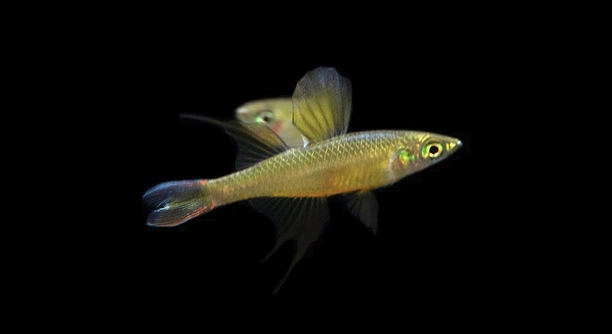
Do your threadfins seem restless in their tank, constantly swimming without settling? Observing their behavior can help you understand their preferences and create an environment where they feel comfortable and secure. Their habits reveal subtle cues.
Threadfins generally prefer bare tanks over heavily decorated ones. A minimally furnished tank allows them ample swimming space and reduces territorial disputes, while overdecorating can stress them, hinder movement, and interfere with their natural schooling behavior in captivity.
Creating the right environment can significantly improve their wellbeing. Proper tank setup influences not just behavior, but also overall health and longevity.
Understanding Threadfins’ Natural Behavior
Threadfins are active swimmers that thrive in open spaces. In the wild, they navigate large bodies of water, moving in schools and responding quickly to changes in their environment. When kept in tanks, their instinct to swim freely remains strong, which is why a bare tank often suits them best. Overcrowding a tank with decorations can restrict their movement and increase stress levels. Observing their swimming patterns is key to understanding their comfort zone. They often circle the tank continuously if they feel confined. Bare tanks make it easier for them to maintain social interactions within the group. Light decorations, like a single hiding spot, can provide security without overwhelming the space. Choosing tank size carefully also helps ensure they have enough room to exhibit natural behaviors. A spacious, open tank aligns with their active lifestyle and encourages healthy growth.
Bare tanks improve both movement and overall wellbeing for threadfins in captivity.
A tank with limited decorations allows threadfins to move freely, form schools naturally, and reduces stress that can lead to illness.
Tank Decoration Considerations
Excessive decorations can stress threadfins and hinder swimming space.
When considering decorations, simplicity is best. A few subtle elements, such as smooth rocks or one or two plants, can create security without limiting swimming space. Avoid sharp objects that might injure fins during active swimming. Decorations should not interrupt line of sight, as threadfins rely on visual cues to stay coordinated within schools. A cluttered tank can cause them to scatter, making them less social and more prone to hiding. Open areas allow the entire group to interact naturally, mimicking conditions in larger, open water environments. Maintaining an open layout also simplifies cleaning and reduces areas where debris might accumulate, which could negatively affect water quality. Monitoring their response to added elements is important; if they show signs of stress, consider removing unnecessary decorations. Minimalist setups with just enough structure for security keep them comfortable while supporting natural behavior. This balance ensures a healthy, active tank environment that promotes long-term wellbeing.
Lighting and Water Flow
Proper lighting helps threadfins feel secure and maintain natural activity. Bright or harsh lighting can cause stress, while soft, consistent light encourages normal swimming patterns. Adjusting the light gradually mimics natural day and night cycles, supporting their biological rhythm and reducing anxiety in the tank.
Water flow should be moderate, simulating their natural habitats. Strong currents can exhaust them, while stagnant water limits oxygen and movement. Positioning the filter and adjusting output helps maintain a gentle flow that allows swimming without struggle. This balance also supports proper filtration and prevents debris buildup, keeping water clean.
Observing their response to light and flow is important. Threadfins may gather in specific areas or reduce activity if conditions are uncomfortable. Making small adjustments gradually ensures they adapt well. Combining soft lighting with moderate water flow encourages schooling behavior, minimizes stress, and promotes overall health.
Feeding and Tank Interaction
Threadfins thrive on a varied diet with regular feeding schedules.
Providing consistent meals of small, high-quality food helps maintain energy and supports natural hunting behavior. Overfeeding can pollute the water, while irregular feeding disrupts social dynamics. Live or frozen foods encourage active foraging and mimic natural behaviors. Observation during feeding also helps detect health issues early, as changes in appetite or aggression can signal stress.
Interaction with the tank environment is subtle but important. Threadfins explore the entire space and respond to minimal decorations or movement outside the tank. They are sensitive to changes in surroundings, and frequent adjustments can cause stress. Maintaining consistent conditions, feeding routines, and a stable layout helps them feel secure, promotes schooling, and supports healthy development over time.
Tank Size Requirements
Threadfins need ample space to swim freely and maintain social behavior. Small tanks restrict movement, increase stress, and can lead to aggression or illness. A larger tank supports natural schooling and allows them to exercise properly.
Depth is important, too. A shallow tank limits vertical movement, which is crucial for their natural swimming patterns. A tall, spacious tank with open swimming areas gives threadfins the room they need to thrive, encouraging healthy growth and interaction.
Water Quality Maintenance
Regular water changes and monitoring parameters are essential for threadfins. High-quality water reduces stress, prevents disease, and supports active swimming behavior. Temperature, pH, and ammonia levels should be checked consistently to maintain optimal conditions. Proper filtration and gentle circulation help keep water clean and oxygenated.
Minimalist Tank Setup
Threadfins perform best in tanks with minimal decorations. Too many items can block swimming paths and cause unnecessary stress, disrupting social behavior and natural movement patterns.
FAQ
Do threadfins need decorations in their tank?
Threadfins do not require heavy decorations. They prefer open spaces to swim and interact with each other. Minimal elements, such as one hiding spot or a few smooth rocks, are enough to provide security without limiting their movement or stressing them.
Can threadfins live in small tanks?
Small tanks are not ideal for threadfins. They are active swimmers that need space to school and exercise. Restricting their swimming area can cause stress, increase aggression, and affect overall health. Larger tanks with open swimming areas are best for their wellbeing.
How many threadfins should be kept together?
Threadfins are schooling fish and feel safer in groups. Keeping at least five or six together helps them display natural social behavior. A group smaller than this may lead to anxiety, while overcrowding can create territorial disputes. Balance is important for their comfort.
What is the best water flow for threadfins?
Moderate water flow works best. Strong currents can tire them out, while stagnant water can reduce oxygen levels and movement. Adjusting filter output to create gentle circulation helps maintain a comfortable environment that supports schooling behavior.
What temperature and pH levels are ideal?
Threadfins prefer stable, moderate temperatures, usually between 75°F and 82°F. pH should remain near neutral, around 7.0 to 8.0. Sudden changes in temperature or pH can stress them, leading to reduced activity or health issues. Regular monitoring is essential.
Do threadfins need live food?
While live food is not strictly required, it encourages natural hunting and foraging behaviors. Frozen or high-quality prepared foods are also acceptable. Feeding a mix of sources keeps their diet balanced and supports energy levels. Observe their feeding patterns to ensure all fish are eating properly.
How often should the water be changed?
Regular water changes are crucial for clean, healthy conditions. A 20–25% water change every week helps maintain low nitrate and ammonia levels. Consistent maintenance prevents stress, disease, and poor swimming behavior. Avoid changing too much water at once to prevent shock.
Can decorations harm threadfins?
Yes, sharp or rough decorations can injure fins during swimming. Stick to smooth rocks, driftwood, or soft plants if decorations are desired. Avoid overcrowding the tank, as blocked swimming paths can stress threadfins and disrupt schooling.
How do threadfins react to light?
Threadfins are sensitive to lighting. Harsh or fluctuating light can cause stress, while soft, consistent lighting encourages normal swimming and schooling. Mimicking a natural day-night cycle helps maintain biological rhythms and overall comfort.
Are bare tanks easier to maintain?
Bare tanks are easier to clean and monitor. Fewer objects reduce debris buildup, simplify water changes, and allow better observation of fish health and behavior. A minimalist setup keeps the environment safer and supports the natural movement of threadfins.
What are common signs of stress in threadfins?
Stress signs include erratic swimming, hiding excessively, reduced appetite, and fin clamping. Overcrowding, strong currents, poor water quality, or excessive decorations are common causes. Monitoring behavior and adjusting conditions helps prevent long-term health issues.
How can I encourage schooling behavior?
Providing open swimming space, moderate water flow, and keeping a proper group size encourages schooling. Minimal decorations and consistent feeding schedules also help threadfins interact naturally. Observing their patterns ensures they remain comfortable and active.
Is tank size more important than decorations?
Yes, open space is the priority. Threadfins need room to swim and exhibit natural behavior. Decorations should only provide minimal security without interfering with movement. Prioritizing tank size over decoration ensures their health and reduces stress levels.
Can threadfins adapt to decorated tanks?
They can adapt if decorations are minimal and the tank remains spacious. Too many objects may cause stress, but a few smooth hiding spots or soft plants can help them feel secure while preserving swimming space. Observation is key during adaptation.
How do I know if my threadfins are happy?
Happy threadfins swim actively, school together, eat well, and display natural behaviors. They rarely hide or act erratically. Maintaining water quality, space, and a simple tank layout supports their comfort and overall health. Regular observation helps ensure they remain content.
Do threadfins require special filtration?
Threadfins need efficient but gentle filtration. Strong currents should be avoided, but water quality must be maintained to remove waste and provide oxygen. Filters that create gentle, consistent flow work best for supporting swimming and overall tank health.
What plants, if any, are suitable for threadfin tanks?
Soft, smooth plants are ideal. Avoid sharp or dense plants that block movement. Minimal greenery can offer visual interest and security while preserving open swimming areas. Floating plants can also help diffuse light and reduce stress.
How long do threadfins typically live in captivity?
With proper care, threadfins can live several years. Maintaining water quality, tank size, diet, and a stress-free environment is essential to their longevity. Observing behavior and health regularly ensures they thrive over time.
Can threadfins live with other fish?
They can cohabitate with compatible species that share similar water and space requirements. Avoid aggressive or slow-moving fish that may compete for space. Open tanks and proper group sizes reduce conflict and promote peaceful interaction.
How important is monitoring water quality for threadfins?
Monitoring water quality is critical. Poor conditions lead to stress, disease, and unnatural behavior. Regular checks of temperature, pH, ammonia, nitrite, and nitrate levels help maintain a safe environment. Clean, stable water supports health, activity, and schooling behavior consistently.
What is the key takeaway for a healthy threadfin tank?
Open swimming space, moderate water flow, minimal decorations, and consistent care are essential. Observing behavior, maintaining water quality, and supporting natural social interactions create a thriving environment for threadfins.
Threadfins are active, social fish that benefit greatly from thoughtful tank design. Creating an environment that prioritizes open swimming space over excessive decorations supports their natural behavior and overall wellbeing. Minimalist setups allow them to school comfortably and move freely without stress. Even small details, like the placement of a single hiding spot or a few smooth rocks, can provide security without interfering with their movement. Observing their swimming patterns and interactions helps gauge their comfort levels and allows you to adjust the tank as needed. Their health and happiness are closely tied to how well the tank mimics aspects of their natural environment, especially the open, flowing spaces they prefer.
Water quality and tank conditions are equally important in maintaining threadfin health. Regular monitoring of temperature, pH, and ammonia levels ensures a stable environment, while consistent water changes prevent buildup of harmful substances. Moderate water flow and soft, consistent lighting support natural activity and reduce stress, helping threadfins feel secure. Feeding schedules and diet variety also play a significant role. Offering a mix of high-quality prepared food and live or frozen options encourages natural foraging behavior while meeting their nutritional needs. Paying attention to these factors allows threadfins to thrive, exhibiting normal schooling behavior, active swimming, and overall vitality.
Providing threadfins with a well-balanced environment requires a combination of space, stability, and simplicity. Overcrowding, cluttered tanks, or sudden changes can create stress, which directly affects their health and social behavior. Minimal decorations, open swimming areas, moderate currents, and proper lighting create a comfortable and manageable tank. Observing their behavior, maintaining water quality, and supporting natural habits are key to long-term success. By focusing on these essentials, threadfins can lead healthy, active lives in captivity. A thoughtful, simple approach ensures they remain comfortable, reduces stress, and promotes the natural behaviors that make these fish both fascinating and rewarding to keep.

Hello,
If you enjoy the content that we create, please consider saying a "Thank You!" by leaving a tip.
Every little bit helps us continue crafting quality advice that supports the health, happiness, and well-being of pets around the world, for pets of all shapes, sizes, and species.
We really appreciate the kindness and support that you show us!