
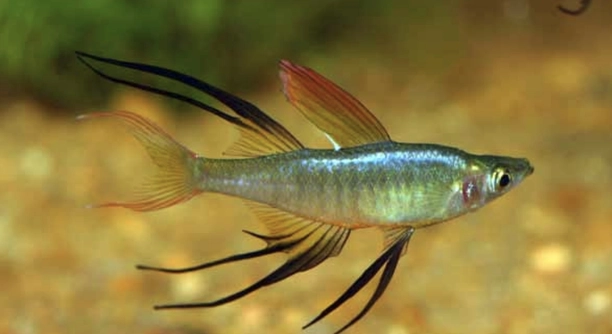
Threadfins are sleek, silver fish often seen gliding across the water’s surface. They are known for their speed and agility, which makes them stand out among other species in both calm and turbulent waters.
Threadfins primarily swim at the top level due to their anatomy and feeding habits. Their elongated fins and streamlined bodies allow efficient surface swimming, while their diet consists mainly of small prey found near or at the water’s surface.
Observing threadfins at the surface reveals insights into their behavior, feeding patterns, and how they interact with their environment. Understanding this can explain why they rarely venture to deeper waters.
Anatomy and Adaptations
Threadfins have long, slender bodies and distinctive pectoral fins that extend like threads. These fins help them sense vibrations in the water and navigate while staying near the surface. Their bodies are built for speed, which allows them to escape predators quickly and catch small prey efficiently. Threadfins’ gills are adapted to extract oxygen effectively from the top layers, where oxygen levels are higher than in deeper water. Their eyes are positioned to scan both above and below the surface, giving them an advantage in spotting food and danger. This combination of physical traits makes surface swimming not just natural but essential for their survival.
Their fins and body shape allow them to remain agile and fast at the surface, optimizing feeding and predator avoidance.
Staying at the top ensures threadfins maintain their energy efficiently. They can feed consistently without expending extra energy to dive deep, and their body structure limits deep swimming. By staying near the surface, they benefit from warmer water temperatures, which aid in digestion and overall metabolism. These adaptations show how evolution has shaped threadfins to thrive in their preferred zone, making them highly specialized compared to other fish that move freely through various depths.
Feeding Habits
Threadfins mainly eat small crustaceans, plankton, and tiny fish found near the surface. Their feeding strategy is tailored to top-level swimming, as prey is abundant in these layers.
Surface feeding allows threadfins to spot schools of small fish quickly and move in coordinated bursts. By staying near the top, they can take advantage of daylight visibility and warmer water, which keeps their prey more active. Unlike fish that hunt in deeper areas, threadfins rely on sight more than smell, and their elongated fins help guide them toward moving prey. Their diet is consistent and requires minimal energy to capture, reinforcing their surface preference.
These feeding habits explain why threadfins rarely explore deeper waters. Their bodies and fins are not optimized for sustained dives, making deep swimming inefficient. At the top, they have immediate access to their food sources, and their surface agility ensures they can respond to threats rapidly. Seasonal changes may slightly shift prey availability, but threadfins consistently remain near the surface. Their gill structure and metabolism are suited to oxygen-rich top waters, making deeper areas less favorable. Overall, their feeding strategy, body design, and environmental preferences create a strong link between anatomy and behavior, highlighting why threadfins are almost always surface swimmers.
Predator Avoidance
Threadfins stay near the surface to monitor predators more easily. Being at the top allows quick escapes and better visibility of approaching threats.
Their elongated fins and streamlined bodies let them dart sideways or forward instantly. When a shadow or movement signals danger, they can accelerate rapidly, reducing risk. Surface swimming also keeps them out of reach of some bottom-dwelling predators, giving them a consistent survival advantage. By staying near the top, threadfins maintain control over their environment and can react to changes in real time.
Predator avoidance affects more than just movement. Their schooling behavior increases protection, as groups create confusion for predators. Surface light conditions improve their ability to detect changes and respond immediately. Staying near the top also reduces energy spent escaping, compared with chasing threats in deeper water where currents are stronger. These combined traits make threadfins naturally suited to surface-level living, ensuring safety while maintaining access to food and oxygen efficiently.
Environmental Factors
Surface waters provide higher oxygen levels and warmer temperatures, which threadfins prefer. This environment supports their metabolism and active swimming.
Temperature and light at the surface allow threadfins to feed more effectively and maintain energy levels. Water movement near the top carries nutrients and prey, making it easier to locate food without excessive effort. Surface zones are also less dense than deeper layers, allowing easier navigation and faster swimming. Threadfins’ gills and respiratory systems are adapted for these conditions, making deep water less optimal.
Environmental conditions shape threadfins’ behavior and survival. Oxygen levels decrease with depth, making deep waters less favorable for a species that relies on high energy and rapid movements. Surface areas are consistently warmer, supporting digestion and overall health. Currents and wave action near the top distribute prey evenly, allowing threadfins to feed efficiently. Light penetration improves vision and predator detection, reducing risk. Combined with their body structure, these environmental factors explain why threadfins almost exclusively remain in top-level waters, where conditions match their biological needs perfectly.
Social Behavior
Threadfins often swim in small schools near the surface. This group behavior improves safety and increases chances of finding food efficiently.
Schools allow threadfins to coordinate movements and reduce predator risk. Being near others helps them respond quickly to sudden threats while keeping energy use low.
Reproduction Patterns
Threadfins spawn near the surface where currents disperse eggs and larvae effectively. Surface waters provide warmth and oxygen, supporting early development. Their reproductive cycles are timed with seasonal changes, ensuring that offspring have access to abundant food and favorable conditions. This behavior reinforces their preference for top-level swimming, as deep waters are less suitable for reproductive success.
Migration Trends
Many threadfin species migrate short distances along coastlines or estuaries. Surface swimming enables them to follow food sources and suitable habitats efficiently while avoiding deeper, riskier waters.
FAQ
Why do threadfins prefer the surface over deeper water?
Threadfins are built for surface swimming. Their elongated fins, streamlined bodies, and gills are optimized for top-level oxygen and warmth. Staying near the surface allows them to access prey more easily, detect predators early, and maintain energy efficiently without unnecessary deep dives.
Do threadfins ever swim deeper than the surface layer?
While threadfins primarily remain near the top, they may occasionally dive short distances for food or to avoid immediate threats. However, their bodies are not designed for prolonged deep-water swimming. Deep water is colder, less oxygenated, and reduces their speed and maneuverability.
What do threadfins eat?
Threadfins feed mainly on small crustaceans, plankton, and tiny fish found in surface waters. Their elongated fins help detect movement and vibrations in the water, making it easier to locate prey. Feeding at the top allows them to conserve energy and maintain consistent nutrition.
How do threadfins avoid predators?
Threadfins rely on speed, agility, and schooling behavior. Their surface swimming provides better visibility to spot predators early. Schools create confusion for attackers, while their streamlined bodies and long fins allow instant bursts of movement to escape threats.
Do environmental factors influence where threadfins swim?
Yes, surface waters offer warmer temperatures, higher oxygen levels, and abundant food. Light and currents at the top also make navigation easier and improve predator detection. These conditions create an ideal habitat compared with deeper, colder, and less oxygenated layers.
Are threadfins social fish?
Threadfins often swim in small schools. Grouping together improves safety and feeding efficiency. Being near others allows coordinated movement and quick reactions to predators. Social behavior also plays a role during spawning, where staying close increases reproductive success.
How do threadfins reproduce?
Threadfins spawn near the surface where currents help disperse eggs and larvae. Surface waters provide warmth and oxygen needed for early growth. Seasonal timing ensures that young have access to abundant food, which helps them survive and develop efficiently.
Do threadfins migrate?
Some threadfin species migrate short distances along coastlines or estuaries to follow food sources and suitable habitats. Migration usually occurs near the surface, allowing them to maintain speed, conserve energy, and avoid deep-water predators.
How long do threadfins live?
Lifespan varies by species but generally ranges from 3 to 7 years. Surface swimming supports efficient feeding, predator avoidance, and reproduction, which are critical for reaching full lifespan potential.
Can threadfins adapt to deeper water if needed?
Threadfins have limited adaptability to deep water. While they may dive temporarily, their bodies are optimized for surface conditions. Prolonged deep swimming is stressful, reduces speed, and increases energy demands, making survival difficult.
Do human activities affect threadfin behavior?
Yes, coastal development, pollution, and overfishing can impact threadfin habitats. Changes in water quality, temperature, and prey availability can force them to alter surface patterns or migrate to new areas. Maintaining healthy surface ecosystems is key for their survival.
Are threadfins important to ecosystems?
Threadfins play a role as both predator and prey. They help control populations of small crustaceans and fish while providing food for larger predators. Their presence near the surface supports ecological balance in coastal and estuarine environments.
How can observing threadfins help scientists?
Studying surface behavior provides insight into feeding patterns, predator interactions, and environmental health. Observations can indicate changes in water quality, prey abundance, and climate impacts on aquatic ecosystems. Understanding threadfin behavior informs conservation and management strategies.
Do threadfins interact with other species?
Yes, threadfins often share surface waters with other small fish and crustaceans. They compete for food but also form part of a larger food web. Their interactions reflect the balance between predation, feeding efficiency, and survival strategies.
Can threadfins be kept in captivity?
Threadfins are challenging to keep due to their size, surface swimming needs, and diet. Aquariums must replicate surface conditions, provide ample space, and ensure high oxygen levels. Captivity may limit natural behavior, so surface simulation is essential for health.
What makes threadfins unique compared to other fish?
Threadfins’ combination of elongated fins, streamlined bodies, surface-focused behavior, and specialized feeding sets them apart. Their adaptations allow efficient top-level swimming, predator avoidance, and reproduction, making them highly specialized and rarely seen in deeper waters.
How does temperature affect threadfin activity?
Warm surface temperatures boost metabolism and digestion, enabling active swimming and feeding. Colder or deeper waters slow activity and energy efficiency, reinforcing their preference for staying near the top where conditions are stable.
Are threadfins sensitive to light?
Yes, light penetration improves their ability to detect prey and predators. Surface waters provide adequate illumination, supporting visual hunting and quick responses, unlike deeper, darker waters where visibility is limited.
Do threadfins show seasonal behavior changes?
Seasonal changes influence spawning, feeding, and minor migrations. They adjust surface activity according to water temperature, prey availability, and reproductive cycles. These adjustments ensure survival and efficiency in changing environments.
How do threadfins maintain energy at the surface?
Staying near the top reduces energy spent swimming against strong currents or diving deep. Access to abundant prey and oxygen-rich water allows them to feed and move efficiently, sustaining their high-speed lifestyle and overall health.
Can climate change impact threadfins?
Yes, rising temperatures, altered currents, and changes in prey distribution can affect their surface behavior. Maintaining favorable top-water conditions is critical for feeding, reproduction, and predator avoidance, making climate impacts significant for threadfin populations.
Are threadfins easy to spot in nature?
Threadfins’ silver bodies reflect sunlight, making them noticeable near the surface. Their schools and coordinated movements also increase visibility, providing opportunities for observation and study in coastal and estuarine environments.
What research gaps exist about threadfins?
More studies are needed on deep-water behavior, long-distance migrations, and responses to environmental changes. Understanding their physiology, social dynamics, and ecological roles will improve conservation strategies and habitat management.
Do threadfins interact with human fishing activity?
Yes, threadfins are targeted in coastal fisheries. Overfishing can reduce populations and disrupt schooling patterns. Sustainable management practices are needed to balance human use with ecological preservation.
How do threadfins impact local ecosystems?
By feeding on small crustaceans and fish, threadfins regulate populations and maintain balance. Their presence supports predators and contributes to nutrient cycling in surface waters, highlighting their ecological importance.
Are threadfins resilient to environmental changes?
Threadfins show moderate resilience but depend heavily on surface conditions. Rapid changes in temperature, oxygen levels, or food availability can stress populations. Their adaptations allow some flexibility, but long-term survival requires stable environments.
Do threadfins have unique sensory abilities?
Yes, their thread-like fins detect vibrations and movement in the water. This sensitivity helps them locate prey, navigate currents, and sense predators, enhancing survival in surface waters.
Can threadfins coexist with other fish species?
They coexist with other surface-dwelling species, balancing competition and predator-prey interactions. Their schooling and feeding strategies reduce conflict and allow efficient use of resources, supporting biodiversity near the surface.
Are threadfins affected by water pollution?
Pollution impacts oxygen levels, prey abundance, and water clarity. Surface contaminants can harm threadfin health, reduce feeding efficiency, and increase vulnerability to disease and predators, highlighting the need for clean aquatic habitats.
Do threadfins adapt to changing salinity?
Some threadfin species tolerate moderate changes in salinity, especially in estuaries. However, extreme shifts can affect metabolism, behavior, and survival, reinforcing their reliance on stable surface environments.
How long do threadfins stay in one area?
Threadfins often remain in productive surface zones as long as food and oxygen are sufficient. Short migrations may occur seasonally or due to environmental changes, but they rarely venture far from familiar surface waters.
Are threadfins important for human consumption?
Yes, they are valued for food in many coastal regions. Sustainable fishing ensures populations remain stable while supporting local diets and economies without harming ecosystems.
What makes threadfins efficient surface swimmers?
Their body design, fin structure, and gill efficiency allow rapid, agile movement at the top. These adaptations support feeding, predator avoidance, and reproduction while minimizing energy use compared with deep-water swimming.
Do threadfins face threats from invasive species?
Invasive predators or competitors can disrupt surface ecosystems, reducing prey availability and increasing predation. Threadfins may alter behavior or migrate to avoid these challenges, but their surface specialization limits flexibility.
Are threadfins sensitive to noise or vibration?
Yes, their thread-like fins detect vibrations, helping locate prey and sense danger. Excessive human noise, like boat engines, can interfere with this sensitivity, affecting feeding and survival.
How fast can threadfins swim?
Threadfins are agile swimmers, capable of quick bursts to capture prey or escape predators. Their streamlined bodies and long fins optimize speed near the surface, where resistance is lower and energy expenditure is efficient.
Do threadfins interact with algae or plant life?
While they do not feed on plants, algae-rich surface areas attract prey. Threadfins benefit indirectly, using these zones for feeding and protection while maintaining their surface preference.
Can threadfins survive in captivity long-term?
Survival is possible if tanks replicate surface conditions, oxygen levels, and diet. However, restricted space and limited environmental complexity may affect behavior, growth, and reproduction.
How do threadfins respond to seasonal prey scarcity?
They may migrate short distances or adjust feeding patterns to follow food availability. Surface adaptability allows them to cope with temporary shortages without venturing into deeper, less suitable waters.
Are threadfins commonly studied?
Research exists but is limited compared to other species. Surface behavior, feeding strategies, and predator interactions are better understood than deep-water activity, long migrations, or climate impact responses.
Do threadfins communicate?
Communication is subtle, mainly through movement, schooling coordination, and fin vibrations. These behaviors maintain group cohesion, coordinate feeding, and alert peers to danger in surface waters.
What is the role of threadfins in fisheries management?
Threadfins are indicators of healthy surface ecosystems. Monitoring populations helps manage fisheries sustainably, ensuring both ecological balance and economic value. Proper management protects their habitats and prevents overfishing.
How do threadfins handle strong surface currents?
Their streamlined bodies and strong fins allow them to swim efficiently in currents. They can maintain position, navigate effectively, and continue feeding despite surface water movement, which is essential for survival and energy conservation.
Are threadfins vulnerable to disease?
Surface conditions affect disease susceptibility. Poor water quality, pollution, or high density in schools can increase risk. Maintaining clean, oxygen-rich surface habitats reduces stress and supports their overall health.
Do threadfins influence smaller species populations?
Yes, they control populations of small crustaceans and fish by predation. This balance prevents overpopulation, supports food chains, and maintains healthy surface ecosystems.
Can threadfins live in freshwater?
Some species tolerate low-salinity or estuarine waters, but most prefer coastal and brackish environments. Freshwater survival is limited due to physiological and dietary adaptations suited to surface conditions near coasts.
Are threadfins nocturnal or diurnal?
Threadfins are mainly active during the day when light supports hunting and predator detection. Night activity is limited due to reduced visibility and increased risk from unseen predators.
Do threadfins compete with other surface fish?
Competition occurs for food and space, but schooling behavior and diet specialization help reduce direct conflict. Coexistence is generally maintained without significant disruption to feeding efficiency.
How do threadfins detect food?
They rely on vision and fin-based vibration sensing. Surface conditions, light penetration, and water movement aid in detecting prey efficiently, allowing rapid responses without deep diving.
Are threadfins affected by tides?
Tides influence surface prey availability and water movement. Threadfins adjust swimming patterns, feeding times, and location to maintain optimal access to food while conserving energy.
Do threadfins have seasonal predators?
Predation varies with season and location. Surface predators, including larger fish and birds, are more active during certain periods. Threadfins respond by adjusting school size, movement, and surface location to reduce risk.
Can threadfins survive in artificial habitats?
Survival depends on replicating surface conditions like temperature, oxygen, and prey availability. Without proper simulation, behavior, growth, and reproduction may be affected, reducing long-term health.
Do threadfins interact with human recreation areas?
Boats, fishing, and coastal activity can disturb surface waters. Threadfins may alter feeding or schooling behavior temporarily but generally return to preferred zones once disturbances pass.
Are threadfins indicators of water quality?
Yes, healthy populations suggest sufficient oxygen, low pollution, and abundant prey. Declines may signal environmental stress, making them valuable for ecological monitoring.
Do threadfins face seasonal migration challenges?
Seasonal food shifts and environmental changes require short migrations. Surface specialization limits flexibility, so adverse conditions can impact survival, feeding, and reproductive success during these periods.
How sensitive are threadfins to water temperature changes?
Temperature affects metabolism, activity, and feeding. Warm surface water supports active swimming, digestion, and predator detection, while colder water slows energy use, reducing efficiency.
Do threadfins show site fidelity?
They often return to familiar surface areas with stable food and oxygen. Limited deep-water exploration keeps them near these productive zones, enhancing survival and energy efficiency.
Are threadfins prey for birds?
Yes, surface-dwelling birds hunt threadfins. Schooling, quick bursts, and awareness help reduce predation, but being near the surface exposes them to avian predators more than deep-water fish.
Can threadfins coexist with shrimp or crabs?
Yes, they share habitats with small crustaceans. Threadfins feed on them, creating natural predator-prey interactions that help maintain ecosystem balance without overexploitation.
Do threadfins show seasonal growth patterns?
Growth rates vary with temperature, food availability, and reproductive cycles. Warmer surface waters and abundant prey promote faster growth, while colder or scarce conditions slow development.
Are threadfins affected by oil spills?
Oil contamination impacts surface water quality, prey availability, and health. Exposure can cause stress, disease, and mortality, showing their dependence on clean surface environments.
Do threadfins interact with jellyfish?
They may avoid stings but occasionally hunt near drifting jellyfish if small prey congregates there. Interaction is minimal but can influence feeding patterns.
How do threadfins respond to sudden surface disturbances?
They react quickly with bursts of speed, school coordination, and short dives. Immediate responses reduce predation risk and help maintain group cohesion and safety.
Are threadfins sensitive to salinity changes?
Moderate variations are tolerated, especially in estuaries. Sudden or extreme shifts stress metabolism, feeding, and reproduction, limiting long-term survival.
Do threadfins show territorial behavior?
They are not highly territorial but defend feeding zones in schools. Surface resources are shared, with coordination reducing conflict and maximizing efficiency.
Can threadfins adapt to new prey?
Yes, they can exploit different small fish or crustaceans near the surface. Adaptation is limited by feeding mechanics and preference for surface conditions.
Do threadfins impact plankton populations?
They consume plankton as part of their diet, regulating populations and affecting nutrient cycling. This contributes to the balance of surface ecosystems.
Are threadfins affected by boat traffic?
Frequent boats can disturb feeding and schooling. Threadfins may temporarily relocate or adjust behavior, but persistent disruption can increase stress and energy expenditure.
Do threadfins respond to light changes?
Yes, light influences feeding efficiency, predator detection, and movement. Surface waters with adequate illumination support optimal activity.
How do threadfins interact with mangroves?
Mangrove areas provide shelter, prey concentration, and shallow feeding grounds. Surface swimming allows threadfins to use these zones efficiently while avoiding deep-water threats.
Are threadfins seasonal spawners?
Yes, spawning is tied to water temperature and food availability, ensuring larvae have access to optimal surface conditions for early survival.
Do threadfins compete with commercial fish species?
Competition occurs for small crustaceans and fish. Their schooling and feeding efficiency help maintain coexistence without significant disruption.
Are threadfins resilient to storms?
Storms can disrupt surface waters, affecting feeding and schooling. Their speed and agility allow temporary adaptation, but prolonged harsh conditions may stress populations.
Can threadfins survive in ponds or artificial lagoons?
Survival is possible if conditions mimic surface oxygen, temperature, and prey availability. Without proper simulation, health, growth, and behavior may be compromised.
Do threadfins have natural parasites?
Yes, surface-dwelling parasites can affect them. Healthy water conditions and schooling help minimize impact, but heavy infestations can reduce fitness and survival.
How do threadfins interact with seagrass beds?
Seagrass attracts prey, creating surface feeding opportunities. Threadfins exploit these areas for efficient hunting while maintaining surface-level movement.
Are threadfins sensitive to water clarity?
Yes, clear water improves prey detection and predator awareness. Turbidity reduces efficiency, increases energy use, and may alter surface behavior.
Do threadfins have seasonal schooling changes?
School size may vary with food availability, predation pressure, and reproductive cycles. Adjustments optimize feeding efficiency and safety at the surface.
Can threadfins tolerate low oxygen?
They prefer oxygen-rich surface waters. Low oxygen limits swimming efficiency, feeding, and metabolism, making deep or stagnant waters unsuitable.
Do threadfins interact with recreational fishing gear?
Yes, nets, lines, and traps can capture them. Surface behavior makes them vulnerable, highlighting the need for careful fishing practices.
Are threadfins influenced by coastal vegetation?
Vegetation supports prey availability and provides mild shelter. Surface swimming allows threadfins to benefit from these areas efficiently without venturing deep.
Do threadfins migrate long distances?
Most species migrate short distances. Surface swimming allows them to follow prey and optimal conditions without expending extra energy on deep-water navigation.
How do threadfins maintain hydration?
Being aquatic, they absorb water naturally. Salinity adaptation in some species helps maintain internal balance without affecting surface behavior.
Do threadfins respond to water vibrations from predators or boats?
Yes, their fins detect vibrations, triggering escape responses. Sensitivity
Threadfins are fascinating fish that have adapted in very specific ways to survive near the surface. Their body shape, long thread-like fins, and gill structure make surface swimming efficient and necessary. Staying near the top gives them better access to oxygen, warmer temperatures, and consistent food sources, all of which are critical for their daily activities. While some fish can move freely through deeper waters, threadfins are highly specialized, and their anatomy makes diving unnecessary and even inefficient. Their preference for the surface is not a random habit but a result of evolution and adaptation to their environment. Every aspect of their behavior, from feeding to avoiding predators, reflects this reliance on the top layer of water. Their schooling behavior, for example, works best in open, well-lit areas near the surface, allowing them to move as a group and reduce individual risk.
Feeding is a key reason threadfins remain at the surface. Their diet mainly consists of small fish, plankton, and crustaceans, all of which are abundant in these layers. By staying near the top, threadfins can hunt efficiently without expending extra energy to dive deep or chase prey into colder, less oxygenated water. Their long fins are sensitive to vibrations, helping them detect prey quickly, while their eyes are positioned to spot movement in the bright surface layers. This combination of traits ensures they can feed effectively and maintain energy levels needed for swimming, escaping predators, and reproducing. Seasonal changes may slightly influence their behavior, but even during shifts in temperature or prey availability, threadfins tend to remain near the surface where their adaptations offer the most advantage. Their reliance on surface waters shows how closely anatomy, behavior, and environment are connected.
Environmental conditions also play a major role in the surface preference of threadfins. Surface water is usually warmer and has higher oxygen content than deeper layers, both of which support metabolism and general health. Currents near the top help distribute food and keep the water oxygenated, while light penetration improves visibility for detecting predators and prey. Threadfins also benefit from being near the surface for reproduction, as currents disperse eggs and larvae more efficiently in these layers. While they may occasionally venture slightly deeper, their bodies are not optimized for prolonged deep-water activity. Observing threadfins at the surface offers insight into how specialized adaptations can shape a species’ behavior and survival strategy. Their life near the top demonstrates how environmental factors, anatomy, and feeding patterns work together to create a highly efficient and specialized lifestyle, making threadfins unique among many fish species.

Hello,
If you enjoy the content that we create, please consider saying a "Thank You!" by leaving a tip.
Every little bit helps us continue crafting quality advice that supports the health, happiness, and well-being of pets around the world, for pets of all shapes, sizes, and species.
We really appreciate the kindness and support that you show us!