
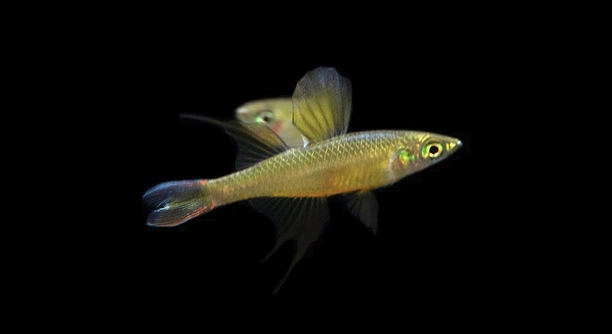
Do you ever find yourself worrying about how to introduce new threadfins into your aquarium without causing stress or upsetting the balance? Smooth transitions can make a difference, both for the fish and for you.
The best way to introduce threadfins without drama is by using a step-by-step approach that minimizes stress, supports acclimation, and promotes harmony. Controlled methods reduce risks, ensure healthy adjustments, and encourage a stable environment for your aquarium inhabitants.
Introducing threadfins successfully is about patience, awareness, and simple practices that keep your aquarium calm and balanced.
Step 1: Create a Calm Environment
Before adding threadfins to your aquarium, you need to make sure the environment feels stable. Fish sense changes quickly, so sudden shifts in water conditions can create stress. Test the water for pH, ammonia, and nitrite before anything else. Consistency is key when preparing the tank. Dim the lights to create a calmer atmosphere and give the existing fish some time to settle. A quiet environment lowers stress for both the new and established fish. Once your aquarium feels balanced, your threadfins will have a much smoother introduction. Taking this first step can prevent many common problems later.
Creating a calm environment allows threadfins to adjust without feeling overwhelmed. Small changes in lighting and water quality can make a significant difference. Keep your aquarium steady, and you give your fish the best possible start in their new home.
Taking the time to focus on tank stability shows care and attention. Threadfins are delicate and sensitive, so they need an aquarium that feels safe from the moment they arrive. Water testing should be done regularly, and stability should always be the main goal. With the lights dimmed and water balanced, you create conditions that lower tension and help every fish feel more comfortable. By doing this first, you set the tone for a positive introduction.
Step 2: Float the Bag First
Floating the bag in your aquarium water gives threadfins a chance to slowly adjust to the temperature. This simple step prevents shock. Keep the bag sealed while it rests in the tank for at least fifteen minutes.
Temperature differences may not seem big, but they can cause real stress for threadfins. By floating the bag, you give them time to match the water temperature gradually. During this time, observe your tank to ensure other fish remain calm. Once the temperatures align, slowly open the bag and add small amounts of aquarium water every five minutes for the next twenty minutes. This helps threadfins adapt to the chemistry of the tank in a safe way. A patient approach avoids sudden stress and makes the introduction much smoother. The effort taken during this step ensures your threadfins are more comfortable, reducing the chances of illness or difficulty once they are released.
Step 3: Release with Care
After acclimating, gently release threadfins using a soft net. Avoid pouring bag water into the tank since it may contain waste. This keeps the aquarium clean and gives threadfins a smoother start in their new space.
Using a net ensures the fish enter without bringing foreign substances into your aquarium. Release them slowly, allowing them to swim out naturally instead of forcing them. Threadfins may scatter at first, which is normal, but within a short time, they begin exploring. Reducing outside stressors at this point helps them settle faster and lowers risk of shock. It’s a simple but very important detail in their introduction.
Patience matters most here. Allow threadfins to find hiding spots and explore without tapping on the glass or rearranging décor immediately. Give them several hours of quiet time. The less disturbance during this stage, the more confident and comfortable they will become in their new environment.
Step 4: Monitor Behavior Closely
For the first twenty-four hours, observe how threadfins interact with other fish. Look for signs of stress, such as clamped fins or hiding excessively. Gentle swimming, normal feeding, and exploring are good signs that they are adjusting well.
If you notice aggression from existing fish, rearrange decorations slightly to break up territories and reduce tension. Threadfins usually prefer calm environments, so creating small hiding spots will help them feel secure. Monitor feeding carefully to ensure they are not outcompeted for food. Healthy behavior often appears within a day or two. Steady observation during this stage is key to long-term success.
Step 5: Keep Feeding Light
Offer only small amounts of food during the first day. Threadfins may not eat right away, and that is normal. Light feeding prevents waste buildup and gives them time to adjust without extra pressure.
Focus on high-quality food in tiny portions. Remove any leftovers after a few minutes to maintain water quality. This keeps the environment stable and reduces stress on your new fish while encouraging them to settle in comfortably.
Step 6: Maintain Water Quality
Stable water quality is one of the most important parts of introducing threadfins successfully. Test your water daily for the first week, keeping an eye on ammonia, nitrite, and nitrate levels. Small, frequent water changes help keep everything balanced. Threadfins respond poorly to sudden changes, so stability is key. Avoid overfeeding or overcrowding the aquarium, as these factors quickly affect water conditions. Clean filters as needed, but avoid large adjustments during this sensitive time. A steady and clean environment will support your threadfins in building confidence and adapting to their new surroundings with fewer risks.
Step 7: Provide Gentle Companionship
Threadfins thrive when surrounded by calm tankmates. Avoid pairing them with aggressive fish that may intimidate or harass them. Choose peaceful species that share similar needs, ensuring a balanced and stress-free environment for everyone in the aquarium.
FAQ
How long should I acclimate threadfins before releasing them into the tank?
Threadfins should be acclimated for about thirty to forty minutes before release. Float the bag for fifteen minutes to equalize temperature. Then, slowly add small amounts of aquarium water into the bag every five minutes. This process reduces stress and avoids sudden changes in chemistry.
Can threadfins be kept with other community fish?
Yes, threadfins are peaceful and do well with other gentle fish. They prefer companions like rasboras, small tetras, and corydoras. Avoid aggressive species such as barbs or cichlids, which can intimidate them. Balanced tankmates help create a calm environment where threadfins can thrive comfortably.
What is the ideal water temperature for threadfins?
The best water temperature for threadfins is between seventy-five and eighty-two degrees Fahrenheit. They are sensitive to sudden changes, so stability is more important than hitting a single number. Using a reliable heater helps maintain a steady temperature and keeps them stress-free in their environment.
Do threadfins need hiding spots in the aquarium?
Yes, threadfins feel more secure when they have hiding places. Plants, driftwood, or rock caves give them shelter and reduce stress. Even though they are active swimmers, safe spaces help them regain confidence after introduction and encourage natural, healthy behavior in the tank.
How often should I feed threadfins during the first week?
Feed small amounts once or twice a day during the first week. It is common for new fish not to eat immediately. Avoid overfeeding, as uneaten food harms water quality. Patience is key while they adapt to their surroundings.
Why do threadfins sometimes hide after being added to a new tank?
Hiding is a normal behavior when threadfins are adjusting. They may be stressed by the move, unfamiliar surroundings, or existing tankmates. Over time, as the environment feels safe, they will become more active. Gentle care helps them settle more quickly.
How can I tell if threadfins are stressed?
Signs of stress include clamped fins, rapid breathing, refusal to eat, or hiding for long periods. Sometimes they may lose color temporarily. Observing these behaviors early allows you to make small changes, like adjusting water quality or reducing disturbances, to help them recover.
Can I add multiple threadfins at once?
Yes, adding a small group is often better than introducing just one. Threadfins are social fish and feel safer in numbers. Introducing a group reduces stress and creates a natural schooling behavior, which helps them feel more comfortable in the aquarium.
What should I do if existing fish act aggressively toward new threadfins?
If aggression occurs, rearrange tank decorations to disrupt territories. Adding plants or hiding spaces can help calm tensions. You may also feed existing fish before releasing threadfins, so they are less focused on defending space. This makes the introduction easier.
How can I maintain water quality while introducing new fish?
Test your water daily, especially during the first week. Small, frequent water changes help keep conditions stable. Avoid overfeeding, since extra food breaks down and affects water chemistry. A balanced routine of testing and cleaning supports threadfins and prevents issues.
Do threadfins need a specific diet during the introduction phase?
A varied diet of high-quality flakes, micro-pellets, and occasional frozen foods works well. During introduction, feed lightly to reduce waste. Focus on nutrient-rich food to help them build strength. Over time, offering variety supports growth, color, and natural energy.
How soon can I expect threadfins to act normally in their new tank?
Most threadfins begin to relax within a few days. Some may adjust quicker, while others take a week or more. Providing calm surroundings, consistent feeding, and safe spaces helps them adapt. With time, they show their natural, active swimming behavior.
Should I quarantine threadfins before adding them to the main tank?
Yes, quarantining is highly recommended. Keep new threadfins in a separate tank for two to three weeks to monitor for illness. This precaution protects your existing fish from potential problems and allows you to observe their health closely before introducing them.
Are threadfins sensitive to lighting changes?
Yes, threadfins can be unsettled by sudden bright light. Keeping the aquarium lighting dim during introduction helps reduce stress. Over time, they will adapt, but starting with softer light creates a smoother transition and makes them feel more secure.
What tank size is best for threadfins?
Threadfins need space to swim and school together. A tank of at least twenty gallons is recommended for a small group. Larger tanks provide stability and room for natural behavior, making it easier to maintain healthy conditions for them long-term.
Why do threadfins sometimes lose color after being introduced?
Color fading is often a stress response. The move, new surroundings, or unstable water can cause temporary dullness. Once threadfins feel comfortable and conditions stabilize, their natural colors return. Proper diet and care also help them regain brightness over time.
Can threadfins live with shrimp or snails?
Yes, threadfins can coexist peacefully with shrimp and snails. These invertebrates add variety and help with tank cleanliness. Ensure there are enough hiding spots for shrimp, as threadfins may show curiosity but rarely cause harm when kept in a stable environment.
What is the biggest mistake people make when introducing threadfins?
The most common mistake is rushing the process. Skipping acclimation, overfeeding, or neglecting water tests can harm threadfins quickly. A slow, careful approach ensures their health. Taking time to observe and adjust creates a much smoother and safer transition.
Final Thoughts
Introducing threadfins into your aquarium does not need to feel complicated, but it does require patience and attention. Each step, from preparing the tank to releasing them with care, builds a smoother experience for both the fish and the keeper. When you focus on stability, calmness, and gradual adjustments, threadfins are more likely to thrive. The details matter, and small actions, like dimming the lights or testing water regularly, make a big difference in how well these delicate fish adapt. Avoiding stress is not just about keeping them alive but about helping them flourish in their new surroundings.
Threadfins are known for their gentle nature and beautiful presence, but they are also sensitive creatures. Because of this, every choice during their introduction can affect their long-term health and comfort. Maintaining water quality, choosing peaceful tankmates, and offering hiding spaces are not optional steps—they are essential. A rushed process often leads to stress, illness, or even loss, while a steady and thoughtful approach rewards you with a lively and balanced aquarium. By treating the introduction as an important phase, you are setting the stage for a thriving community where threadfins can show their natural schooling behavior, vibrant colors, and gentle movements.
The experience of adding threadfins can also teach you more about the importance of observation and patience in fishkeeping. Watching their behavior, adjusting small details, and giving them time to settle strengthens your role as a caretaker. While the process may seem slow at times, the results are worth it. Healthy, confident threadfins bring a unique calmness to any tank, and their well-being reflects the care you put into their introduction. In the end, introducing them without drama is not about following strict rules but about creating balance, respecting their needs, and enjoying the simple beauty they bring to your aquarium. With care, threadfins will not only survive but also thrive, giving you a lasting sense of reward.

Hello,
If you enjoy the content that we create, please consider saying a "Thank You!" by leaving a tip.
Every little bit helps us continue crafting quality advice that supports the health, happiness, and well-being of pets around the world, for pets of all shapes, sizes, and species.
We really appreciate the kindness and support that you show us!