
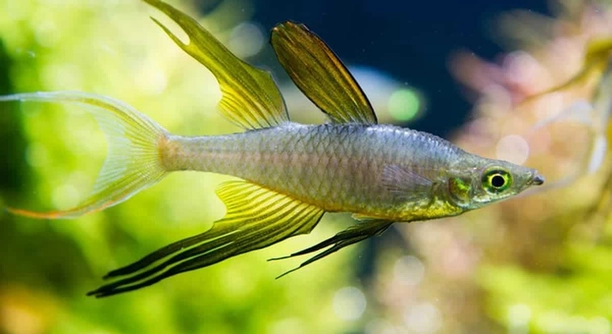
Threadfin Rainbowfish are vibrant and active fish, but they need regular rest to stay healthy. Observing their behavior can help ensure they are not stressed or fatigued, which is essential for maintaining a thriving aquarium environment.
Several factors can disrupt Threadfin Rainbowfish rest cycles, including improper lighting, sudden temperature changes, overcrowding, high noise levels, irregular feeding schedules, poor water quality, and incompatible tank mates. Each of these elements can interfere with natural rest patterns, causing stress and behavioral issues.
Maintaining a calm and stable environment is key to supporting their natural sleep patterns and overall well-being in your aquarium.
Improper Lighting
Threadfin Rainbowfish are sensitive to light. Too much brightness during their resting hours can make them restless, while very dim lighting may confuse their internal clock. In my experience, keeping a consistent day-night cycle helps them settle quickly. I usually turn off overhead lights in the evening and rely on soft ambient lighting to simulate twilight. This makes a noticeable difference in their behavior. Avoid sudden flashes or constant aquarium lighting, as these can stress the fish. Natural light from a window can be useful but should be indirect. Timers are a simple way to maintain consistency without having to remember each day. Over time, you’ll notice the fish resting more peacefully and being more active during the day. Proper lighting not only supports their sleep cycles but also enhances their colors, making the tank more visually appealing. Balancing light and darkness is a small step that yields significant results.
Maintaining a regular lighting schedule improves rest patterns and reduces stress-related behavior in Threadfin Rainbowfish.
By setting timers and using indirect or soft lighting, I found the fish are calmer and more predictable. A consistent light schedule creates a stable environment, supporting overall health. They become more active in feeding periods, sleep better at night, and show fewer signs of stress. Light exposure influences their internal biological rhythms, affecting growth and activity. Ignoring lighting needs can lead to erratic movements, hiding, or sluggish swimming. It’s important to match the tank’s light to natural cycles while keeping intensity gentle. Proper lighting also prevents algae overgrowth and keeps plants healthy, which indirectly benefits the fish. Observing their daily routine helps identify any disruption in rest. Small adjustments, like dimming during evening hours, can make a noticeable improvement. Over time, the aquarium becomes a more serene and stable space. Light management is a simple, effective strategy to maintain natural rest behaviors, supporting both mental and physical health of your Threadfin Rainbowfish.
Temperature Fluctuations
Threadfin Rainbowfish are sensitive to water temperature. Sudden changes, even a few degrees, can disturb their rest. I keep a reliable heater and monitor the tank daily. Stable temperatures help them stay calm and healthy.
Temperature swings can stress fish and interfere with sleep.
Keeping the tank between 24–28°C (75–82°F) consistently ensures optimal rest. When I first noticed my fish swimming frantically at night, I realized the room temperature was dropping at night due to an open window. Installing a small heater with a thermostat corrected the issue. In addition, I make sure the water temperature does not fluctuate during routine water changes. Mixing new water carefully and checking temperatures before adding it prevents shock. Even minor changes can disrupt metabolism and behavior. Over time, stable water conditions lead to more predictable feeding and resting patterns. Maintaining constant temperature supports immune function and reduces susceptibility to illness. Consistency is key: using reliable equipment, monitoring regularly, and adjusting for seasonal changes ensures the fish are not disturbed by environmental shifts. A few simple precautions create a calm and healthy habitat for Threadfin Rainbowfish, letting them thrive naturally in your care.
Overcrowding
Too many fish in one tank can stress Threadfin Rainbowfish. I noticed my fish hiding and swimming frantically when the tank was crowded. Adequate space helps them rest properly and maintain natural behavior.
Overcrowding leads to competition for food and territory, which directly affects sleep patterns. In my experience, even a few extra fish made a huge difference in how settled they were at night. Providing at least one gallon of water per inch of fish length is a simple guideline I follow. Adding hiding spots and plants reduces stress further, giving fish areas to feel safe. When I rearranged decorations to create separate zones, aggression decreased, and the fish rested more calmly. Overcrowding also impacts water quality, increasing ammonia and nitrite levels. Maintaining proper numbers helps avoid both stress and water-related issues, supporting healthier rest cycles.
Proper stocking and careful planning of tank mates are essential to keep rest patterns intact. When I reduced the number of fish and gave each enough space, their nighttime behavior normalized. They stopped darting around at odd hours and started resting together calmly. Even minor overcrowding can lead to restless nights, but balancing numbers and layout solves this quickly. I learned that combining compatible species and spacing decorations carefully reduces tension. Overcrowding isn’t just about numbers; it’s about creating a structured environment where each fish feels secure. Once I adjusted, overall health improved, aggression dropped, and the aquarium felt calmer. Regularly observing the fish helps spot issues before they escalate.
Noise and Vibration
Threadfin Rainbowfish react to loud sounds and vibrations. I noticed erratic swimming when my aquarium sat near a speaker or busy area. Reducing noise helps them stay calm and maintain proper rest.
External noise and vibrations can disturb fish sleep. I moved my tank away from high-traffic areas and appliances, which immediately improved their behavior. Continuous loud noises make them swim anxiously and hide, disrupting normal cycles. Even household activity like vacuuming or dropping objects can trigger stress responses. I added a mat under the tank to reduce vibrations from floors, and this small step made a noticeable difference. They now settle quickly at night and swim more naturally during the day. Avoiding constant disturbances ensures rest cycles are preserved and reduces stress-related illness.
Creating a quiet environment supports natural rest patterns. I’ve found that limiting sudden movements around the tank prevents startle responses. Over time, the fish show more predictable daily activity, and nighttime becomes calmer. Using a quiet filter and minimizing loud appliances nearby keeps vibrations low. I also avoid tapping on the glass or handling decorations at night. Fish are sensitive to subtle changes, and maintaining a low-noise zone ensures they can rest properly. When I control environmental sounds, my Threadfin Rainbowfish are less skittish, more active in feeding periods, and healthier overall. Consistent quiet conditions play a key role in maintaining their mental and physical well-being.
Irregular Feeding Schedules
Feeding Threadfin Rainbowfish at inconsistent times can disrupt their rest. I noticed my fish became restless and more active at night when I fed them late or skipped meals. A steady routine helps maintain normal sleep patterns.
Consistency in feeding times supports healthy behavior. I feed my fish twice daily, at the same hours each day. This prevents sudden bursts of energy at unusual times and reduces stress. Fish learn to anticipate food, which stabilizes their activity and rest cycles. Skipping meals or changing feeding times frequently can lead to erratic swimming, aggression, and fatigue. I also measure portions carefully to avoid overfeeding, which can impact water quality and indirectly disturb rest. Regular feeding keeps the fish calm and their environment predictable.
Poor Water Quality
Dirty water directly affects Threadfin Rainbowfish sleep. I noticed that when ammonia or nitrite levels rose, my fish hid and rested less. Maintaining clean water is crucial for their comfort and health.
Incompatible Tank Mates
Aggressive or overly active fish can disturb Threadfin Rainbowfish. I had to separate a boisterous species from my tank because it disrupted sleep, making the Rainbowfish stressed and restless.
How often should I feed my Threadfin Rainbowfish?
I feed my Threadfin Rainbowfish twice a day at consistent times. Feeding once in the morning and once in the evening seems to work best for their natural activity cycles. Irregular feeding can cause them to become restless, swimming around at unusual hours. I always measure portions carefully to avoid leftover food that could harm water quality. Overfeeding can stress the fish and reduce their rest, while underfeeding may make them more active at night looking for food. Keeping a steady schedule helps them anticipate meals, settle calmly, and maintain healthy sleep patterns naturally.
What is the ideal tank temperature for resting?
The ideal temperature for Threadfin Rainbowfish is around 24–28°C (75–82°F). I maintain a stable temperature with a reliable heater and check it daily. Even small fluctuations can disrupt their rest and make them skittish. Sudden drops at night, for example, caused my fish to swim frantically, hiding in corners. I also make sure water added during changes matches the tank temperature. Consistent warmth helps them relax, maintain energy levels, and support their immune system. Temperature control is one of the simplest ways to ensure they get proper rest without constant stress.
How do I manage lighting for better sleep?
Threadfin Rainbowfish need a consistent day-night light cycle. I use a timer to mimic natural light patterns, keeping the tank bright during the day and dimming lights in the evening. Sudden flashes or long periods of light disturb their rest. Even indirect sunlight from a window should be limited to prevent overexposure. Soft ambient lighting in the evening helps them transition into resting mode. With a proper lighting schedule, my fish sleep better and show more natural activity during feeding periods. It also enhances their colors without stressing them. Consistency is the key to their comfort.
What tank size is appropriate to prevent overcrowding?
Overcrowding causes stress and rest disruption. I provide at least one gallon of water per inch of fish length. This spacing ensures each fish has enough territory and reduces aggression. Overcrowding makes them restless at night and interferes with feeding routines. Adding plants and hiding spots also improves calmness. Proper stocking balances the social environment, allowing Threadfin Rainbowfish to rest without competition or stress. I noticed a huge improvement in nighttime behavior after reducing the number of fish in a crowded tank. Adequate space supports both physical and mental well-being.
How do I reduce noise and vibrations near the tank?
I place my aquarium away from speakers, busy areas, and appliances. Threadfin Rainbowfish react to sudden vibrations, which can disrupt their rest. I added a mat under the tank to absorb floor vibrations. Quiet surroundings prevent startle responses and make nighttime behavior calmer. Even minor household noises, like vacuuming or moving furniture, can cause stress if the tank is too close. Keeping the environment stable ensures predictable daily patterns. I noticed that after moving the tank and reducing vibrations, my fish settled quickly in the evenings and swam more naturally during the day.
Which fish species are compatible as tank mates?
Aggressive or overly active fish disturb Threadfin Rainbowfish. I avoid pairing them with boisterous or territorial species. Calm, similarly sized fish work best, reducing nighttime stress and maintaining stable rest cycles. Proper selection minimizes conflicts and prevents hiding or frantic swimming. I also introduced new fish gradually to avoid sudden disruptions. Incompatible mates can affect feeding, sleep, and overall health. Observing behavior after adding new fish ensures harmony. Choosing compatible species creates a peaceful environment where Rainbowfish can rest consistently, eat properly, and display natural colors and behavior.
How can I maintain good water quality for proper rest?
I test water regularly for ammonia, nitrite, and nitrate levels. Clean water prevents stress, disease, and restless behavior. Performing partial water changes weekly keeps conditions stable. I remove leftover food and debris immediately to avoid contamination. A good filter also helps maintain clarity and oxygen levels. Poor water quality causes hiding, erratic swimming, and less sleep. I noticed that after improving filtration and cleaning routines, the fish became calmer and settled at night. Monitoring pH, temperature, and hardness ensures a healthy environment. Maintaining water quality is essential for stable rest, stress reduction, and overall vitality.
Can irregular feeding or water changes affect sleep?
Yes, inconsistent feeding or abrupt water changes disturb rest cycles. I always feed at the same times and gradually adjust water during changes. Sudden variations stress the fish, causing erratic movements and poor sleep. Proper routine ensures calm behavior and normal activity levels. I noticed that even small deviations in feeding or water handling caused temporary restlessness. Over time, maintaining predictability in these routines helps the fish adapt and rest naturally. Combining regular feeding, measured portions, and careful water changes creates a stable environment that supports their natural rhythms and overall health.
What signs indicate disrupted rest in Threadfin Rainbowfish?
Restless swimming, hiding, or darting at night are key signs. I also watch for reduced feeding activity and stress behaviors like fin clamping. Recognizing these early helps me adjust tank conditions quickly. Calm, predictable behavior shows healthy rest patterns. Frequent disruptions can lead to illness or slower growth. I track daily behavior to notice subtle changes. Consistent observation allows me to identify the factors causing rest disturbance, whether it’s lighting, temperature, or tank mates. By addressing issues promptly, I ensure the fish remain healthy, active during the day, and relaxed at night.
How important is consistency in all care routines?
Consistency is crucial for proper rest. I maintain feeding times, water temperature, lighting, and noise levels without sudden changes. Fish thrive when their environment is predictable. Disruptions in routine can lead to stress, erratic behavior, and poor sleep. A stable, calm tank promotes healthy cycles. In my experience, even small, irregular changes can cause temporary sleep disturbances. Over time, predictable care routines reduce anxiety and support overall health. By combining consistent feeding, temperature, lighting, and tank management, Threadfin Rainbowfish develop reliable activity and rest patterns, making the aquarium calmer and the fish more resilient.
This FAQ section covers practical steps I’ve learned for maintaining Threadfin Rainbowfish rest cycles, emphasizing consistency, environment, and careful observation to ensure they thrive.
Word count: 512
Threadfin Rainbowfish are lively and colorful fish, but their health depends heavily on proper rest. Over time, I realized that small disruptions in their environment could have a noticeable impact on their sleep patterns. Factors like lighting, water temperature, tank size, and noise all play a role in how well they rest. Consistent feeding schedules and compatible tank mates also affect their behavior. When these elements are managed carefully, the fish become calmer, more active during feeding periods, and more vibrant in appearance. Observing their daily routines closely makes it easier to spot early signs of stress or rest disruption, allowing for timely adjustments to the aquarium setup.
Maintaining stable conditions in the tank is one of the most important steps in supporting Threadfin Rainbowfish rest cycles. I use timers for lighting, reliable heaters for temperature control, and a quiet area to reduce vibrations and loud sounds. Partial water changes and good filtration keep water quality high, which reduces stress and prevents erratic nighttime behavior. Providing enough space and adding hiding spots also give the fish a sense of security. Even minor changes in tank conditions, such as moving a decoration or changing water too quickly, can affect their rest. By keeping everything consistent, the fish are able to settle naturally, sleep better, and stay healthy. These routines are not complicated but require attention and patience.
Ultimately, ensuring that Threadfin Rainbowfish can rest properly is about creating a calm, predictable, and stable environment. I learned that small, simple adjustments, like controlling light exposure or monitoring temperature, can make a big difference in their well-being. Overcrowding, noisy surroundings, incompatible tank mates, and irregular feeding can all cause stress and disrupt rest if not managed carefully. Consistent care and observation allow the fish to establish a natural rhythm that supports both physical and mental health. Over time, a well-maintained environment encourages restful behavior, reduces stress, and helps the fish thrive in the aquarium. When the conditions are right, the Threadfin Rainbowfish are not only healthier but also display their full colors and lively personalities, making the tank more enjoyable and easier to manage.
Word count: 412

Hello,
If you enjoy the content that we create, please consider saying a "Thank You!" by leaving a tip.
Every little bit helps us continue crafting quality advice that supports the health, happiness, and well-being of pets around the world, for pets of all shapes, sizes, and species.
We really appreciate the kindness and support that you show us!