
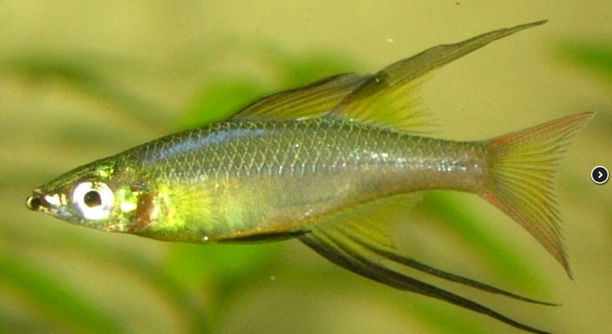
Do you enjoy keeping freshwater aquariums but find yourself noticing your threadfin rainbowfish acting unusually restless or skittish? These small, colorful fish are sensitive creatures that react quickly to changes in their environment, affecting their overall wellbeing.
Threadfin rainbowfish experience stress due to a variety of environmental triggers, including poor water quality, improper temperature, inadequate lighting, overcrowding, sudden changes in habitat, insufficient hiding spots, and excessive noise or vibrations. Addressing these factors helps maintain fish health.
Recognizing these triggers early is essential for maintaining a balanced and thriving aquarium environment for your rainbowfish to flourish comfortably and safely.
Poor Water Quality
Maintaining clean water is essential for threadfin rainbowfish. High levels of ammonia, nitrites, or nitrates can quickly stress these delicate fish. Even minor imbalances in pH or hardness may cause discomfort, lethargy, or abnormal swimming patterns. Regular water testing and partial water changes are crucial to keep conditions stable. Avoid overcrowding the tank, as too many fish can lead to rapid waste accumulation. Using a reliable filtration system helps maintain clarity and removes harmful substances. Be mindful of the water source; untreated tap water may contain chlorine or heavy metals that harm fish. Sudden changes in water chemistry, such as introducing untreated water during cleaning, can shock their system. Observing fish behavior daily allows you to detect early signs of stress. Clear, balanced water ensures that the rainbowfish can feed properly, interact naturally, and maintain vibrant colors. Consistency is more important than frequent cleaning, as drastic changes can be equally harmful.
Maintaining optimal water quality ensures rainbowfish health. Regular testing and careful water changes prevent stress and support normal behavior, feeding, and coloration.
By consistently monitoring water parameters, you create a stable environment that reduces stress and promotes natural activity. This involves testing ammonia, nitrite, nitrate, pH, and hardness, and making gradual adjustments. Filtration and aeration help maintain balance. Overfeeding should be avoided to prevent water contamination. Observing fish for signs of sluggishness or erratic movement helps identify issues early. Routine partial water changes of 20–30% weekly maintain clarity without shocking the fish. Avoid introducing untreated water directly into the tank. Using dechlorinators or water conditioners protects sensitive gill tissues. Clean substrate and remove uneaten food promptly. Even small water fluctuations can impact fish health over time. Maintaining stable water temperature, within the ideal 24–28°C range, further supports their immune system and reduces stress. Over time, these practices build a healthier environment, helping rainbowfish thrive and display natural behavior consistently.
Improper Temperature
Rainbowfish are sensitive to sudden or extreme temperature changes, which can disrupt their metabolism and immune response. Consistency in heating is key.
Temperature outside the 24–28°C range may lead to stress, illness, and decreased activity. Maintaining stable conditions helps fish thrive.
Keeping water temperature consistent is essential for threadfin rainbowfish. Sudden drops or spikes can cause rapid gill movement, erratic swimming, or hiding behavior. Using a reliable aquarium heater with a thermostat ensures stable warmth. Avoid placing the tank near windows, vents, or direct sunlight, which may cause fluctuations. Seasonal changes can also impact water temperature; monitoring daily helps prevent issues. Stress from temperature changes can weaken the immune system, making fish more susceptible to infections. Acclimating new fish slowly to the tank prevents shock. Even small variations in temperature can affect feeding behavior and reproduction. Consistent warmth encourages active swimming, proper feeding, and overall comfort. Monitoring equipment regularly prevents malfunctions that could jeopardize fish health. Gradual adjustments, rather than sudden changes, reduce stress and help rainbowfish maintain their natural vibrancy and energy levels.
Overcrowding
Too many fish in a single tank can cause stress for threadfin rainbowfish. Limited swimming space and constant competition for resources affect their behavior and health. Maintaining a proper fish-to-tank ratio is crucial for their wellbeing.
Overcrowding increases aggression, reduces oxygen levels, and accelerates waste buildup. Rainbowfish may hide more, eat less, or show signs of illness when stressed by too many tankmates. Ensuring adequate space and providing hiding spots helps reduce tension. Monitoring the number of fish and planning tank size accordingly keeps their environment balanced and comfortable.
Providing sufficient room allows rainbowfish to swim freely and establish social hierarchies without constant conflict. Proper spacing also prevents excessive ammonia accumulation and promotes stable water conditions. Balancing fish numbers with tank capacity ensures consistent feeding, less stress, and healthier growth, ultimately supporting their long-term health and natural behavior.
Sudden Habitat Changes
Rapid changes in the tank setup can unsettle rainbowfish. Moving decorations, altering plants, or changing substrates abruptly may cause them to hide or act nervously. Gradual adjustments are recommended.
Rainbowfish are sensitive to shifts in their surroundings. Changing decorations, rearranging plants, or adding new elements suddenly can disrupt their familiar territory. They rely on consistent landmarks for navigation and comfort. When habitat changes occur too quickly, fish may swim erratically, refuse food, or show increased hiding. Gradual introduction of new items or slow rearrangement helps them adapt without excessive stress. Maintaining consistent water conditions during these changes prevents additional strain on their system.
Even minor modifications, like introducing new plants or ornaments, can create temporary stress. Allowing the fish to acclimate slowly minimizes anxiety and supports normal behavior. Consistency in their environment strengthens their immune system, reduces aggression, and encourages active swimming. Observing reactions during adjustments helps identify if further changes are needed gradually. Over time, rainbowfish learn to accept modifications without significant stress. This approach ensures their habitat remains stimulating yet stable, supporting long-term wellbeing and natural interactions.
Inadequate Hiding Spots
Rainbowfish feel vulnerable without proper hiding places. Lack of cover increases stress and makes them more prone to erratic behavior or illness.
Providing plants, rocks, or decorations allows them to retreat when feeling threatened. Adequate hiding spaces reduce tension and support natural behavior.
Excessive Noise and Vibrations
Loud or constant vibrations from household activities can unsettle rainbowfish. These disturbances may cause them to dart, hide, or become less active. Maintaining a quiet area around the tank helps minimize stress.
Improper Lighting
Strong or inconsistent lighting can disturb rainbowfish, affecting their activity patterns. Maintaining gentle, stable lighting supports normal behavior and reduces stress.
FAQ
How often should I test water parameters for threadfin rainbowfish?
Testing water parameters at least once a week is ideal. Key factors include ammonia, nitrite, nitrate, pH, and hardness. Consistent monitoring helps catch imbalances early and prevents stress, disease, or abnormal behavior. Using a reliable test kit ensures accurate readings.
What is the best temperature range for these fish?
Threadfin rainbowfish thrive between 24–28°C. Maintaining stable water temperature prevents stress and supports proper metabolism, feeding, and immune function. Using a thermostat-controlled heater and avoiding drafty areas or direct sunlight ensures minimal fluctuations and a healthy environment.
How can I reduce stress caused by overcrowding?
Ensure an appropriate tank size for the number of fish. Provide ample swimming space and hiding spots. Overcrowding increases competition for resources, waste buildup, and aggression. Monitoring population density helps maintain a calm, balanced environment that allows rainbowfish to behave naturally.
What plants or decorations are suitable for hiding spots?
Live plants like Java fern, Anubias, or Vallisneria work well. Smooth rocks, driftwood, or artificial caves also provide retreats. Avoid sharp or rough surfaces to prevent injuries. A variety of hiding spots allows fish to feel secure while reducing stress and promoting normal activity.
How should I acclimate new rainbowfish to prevent stress?
Float the sealed bag in the tank for 15–20 minutes to equalize temperature. Gradually add small amounts of tank water over 30–60 minutes. This slow process minimizes shock from changes in water chemistry, ensuring smoother adaptation and less stress.
What can I do if fish show signs of stress?
Observe behavior carefully, checking for hiding, erratic swimming, or loss of appetite. Test water parameters immediately. Adjust temperature, lighting, or tank setup as needed. Ensuring stable, clean water and adequate space helps fish recover quickly.
How important is consistent lighting for rainbowfish?
Stable, moderate lighting supports natural day-night cycles and reduces stress. Avoid sudden changes in intensity or duration. Using a timer can help maintain consistency and promote healthy feeding and activity patterns.
Can noise from household activities affect them?
Yes, loud sounds, vibrations, or frequent movement near the tank can stress rainbowfish. Place the tank in a quieter area, away from doors, speakers, or high-traffic spaces, allowing fish to remain calm and maintain normal behavior.
How often should I perform water changes?
Partial water changes of 20–30% weekly help maintain water quality without shocking the fish. Removing debris and uneaten food during changes prevents ammonia buildup, supports stable chemistry, and reduces stress over time.
Are there signs of stress that indicate immediate intervention?
Signs include rapid gill movement, erratic swimming, hiding, faded colors, or decreased appetite. Early detection allows for corrective actions like adjusting water quality, temperature, or habitat setup to prevent illness and ensure well-being.
How can I prevent stress from sudden habitat changes?
Introduce decorations, plants, or substrates gradually. Avoid abrupt rearrangements. Gradual changes allow rainbowfish to explore and adapt at their own pace, minimizing anxiety and maintaining natural behavior while preserving the stability of their environment.
Do different tankmates affect rainbowfish stress levels?
Yes, aggressive or very active species can intimidate rainbowfish. Choose peaceful, similarly sized fish to avoid competition and aggression. Observing interactions helps identify potential stress triggers and ensures a harmonious community tank.
What is the role of diet in managing stress?
A balanced diet with high-quality flakes, pellets, and occasional live or frozen foods keeps fish healthy and resilient. Underfeeding or overfeeding can weaken immunity, leading to stress and vulnerability to disease. Consistent feeding schedules also reduce anxiety.
How long does it take for rainbowfish to recover from stress?
Recovery depends on the severity and cause. Minor stress may resolve within days if water conditions and environment are optimized. Severe or prolonged stress could take weeks, requiring careful monitoring, consistent care, and a calm tank environment.
Can seasonal changes affect stress in rainbowfish?
Yes, temperature or lighting shifts due to seasons can impact behavior and metabolism. Monitoring water temperature, using heaters or chillers, and adjusting lighting duration helps maintain stability and reduces stress throughout the year.
How can I tell if my aquarium setup is ideal?
Healthy rainbowfish display bright colors, regular swimming patterns, and consistent feeding. Minimal hiding, low aggression, and clear water indicate a suitable environment. Regular observation and adjustments ensure the setup remains comfortable and stress-free for long-term health.
Is it necessary to quarantine new fish before introducing them?
Quarantining for at least two weeks prevents introducing diseases and reduces stress on established fish. Observation during this period allows for treatment of any illness, ensuring a safer transition to the main tank.
How do I know if water changes are sufficient?
Water clarity, ammonia/nitrite/nitrate levels, and fish behavior indicate adequacy. Weekly partial changes are typically enough. Excess debris or lingering odors signal the need for more frequent maintenance to maintain optimal conditions.
What is the best way to acclimate to lighting changes?
Adjust lighting gradually over several days using a dimmer or timed increments. Sudden bright light can startle rainbowfish, while slow adaptation maintains normal activity and reduces stress responses.
Are threadfin rainbowfish more sensitive than other species?
They are moderately sensitive due to small size and active nature. Consistent water quality, gentle lighting, adequate hiding spots, and calm surroundings support their health and reduce stress compared to more resilient species.
How important is monitoring fish behavior daily?
Daily observation allows early detection of stress signs, feeding issues, or illness. Immediate intervention prevents prolonged stress, ensures proper care, and promotes a stable, thriving aquarium environment for rainbowfish.
What steps can I take to reduce general stress?
Maintain clean water, stable temperature, gentle lighting, appropriate tankmates, and adequate hiding spaces. Provide a balanced diet and avoid sudden changes. Consistency and careful monitoring foster a calm, healthy environment for threadfin rainbowfish.
How can I tell if stress is caused by water quality?
Signs include gasping at the surface, lethargy, faded colors, and unusual swimming. Testing ammonia, nitrite, nitrate, and pH can confirm water issues. Prompt correction through partial water changes and filtration adjustment reduces stress effectively.
What measures can prevent stress from sudden household activity?
Place tanks in low-traffic, quiet areas. Avoid loud appliances, frequent tapping, or vibrations. Adding plants or decorations near the edges may help buffer disturbances and create a sense of security for the fish.
Are there long-term effects of repeated stress?
Chronic stress can weaken the immune system, reduce lifespan, and cause behavioral issues. Maintaining stable conditions, proper nutrition, and a calm environment helps prevent long-term health problems and ensures vibrant, active rainbowfish.
How can I support rainbowfish during seasonal maintenance?
Monitor temperature, adjust lighting, and ensure water quality is consistent. Introduce changes gradually, maintain feeding schedules, and check for stress signs. Careful planning during seasonal shifts prevents unnecessary stress and promotes overall well-being.
Is stress management more important than disease treatment?
Stress management is preventive, reducing the likelihood of disease. Maintaining optimal water, temperature, and environment is often more effective than treating illnesses after they appear, supporting healthier and more resilient fish.
What is the most common mistake causing stress?
Ignoring water quality, overcrowding, abrupt habitat changes, or inconsistent temperature are the main stress factors. Regular observation and preventive care minimize these risks and maintain a stable, healthy tank environment.
Can I use supplements to reduce stress?
Some aquarium conditioners or stress-reducing additives may help temporarily, but consistent care, clean water, and stable conditions are more effective for long-term stress prevention. Supplements should not replace proper husbandry practices.
How long should I observe fish after introducing changes?
Monitor behavior for several days following adjustments. Persistent hiding, erratic swimming, or appetite loss may indicate ongoing stress, signaling the need for further environmental corrections.
Final Thoughts
Threadfin rainbowfish are small, active fish that respond quickly to changes in their environment. Their health and well-being depend on consistent care and attention to detail. Maintaining stable water conditions, appropriate temperature, and proper tank size are essential for reducing stress. Even minor issues, such as overcrowding or sudden movements in the tank, can affect their behavior. By observing the fish closely, it is possible to detect early signs of stress, such as hiding, erratic swimming, or decreased appetite. Addressing these issues promptly helps prevent long-term health problems. The right balance of water quality, space, and enrichment creates an environment where rainbowfish can thrive and display natural behaviors. Regular testing, partial water changes, and monitoring ensure that the conditions remain stable. Over time, these practices allow the fish to become comfortable in their surroundings and minimize the risk of stress-related illness.
Proper lighting, hiding spots, and calm surroundings also contribute significantly to the comfort of threadfin rainbowfish. Fish that have safe areas to retreat to feel more secure and are less likely to show signs of tension or fear. Decorations, live plants, and gentle substrates create a more natural habitat and provide mental stimulation. At the same time, avoiding abrupt rearrangements and loud disturbances reduces unnecessary stress. Diet also plays a role in overall health. Providing balanced nutrition with high-quality flakes, pellets, and occasional live or frozen foods strengthens immunity and supports active behavior. Feeding schedules should be consistent to avoid stress caused by irregular food availability. When all of these factors are combined, the rainbowfish can maintain vibrant coloration, swim energetically, and interact socially with other tankmates without tension or discomfort. Maintaining such a balanced environment requires attention and patience but yields lasting benefits for the fish.
Monitoring behavior daily is one of the most important habits for any aquarium owner. Watching how the rainbowfish react to changes in temperature, lighting, or tankmates provides insight into their comfort level and overall health. Even small adjustments, such as adding a plant or changing the water gradually, can make a significant difference in reducing stress. Over time, consistent care establishes a stable routine that supports their growth, longevity, and well-being. Threadfin rainbowfish are resilient when provided with proper conditions, but they rely heavily on careful husbandry. Understanding their needs and addressing potential stressors proactively prevents health issues and ensures they remain active and vibrant. By focusing on water quality, space, diet, lighting, and hiding places, it is possible to create an environment where these fish flourish naturally. Following these guidelines encourages a healthier, calmer, and more enjoyable aquarium experience for both the fish and the caretaker.

Hello,
If you enjoy the content that we create, please consider saying a "Thank You!" by leaving a tip.
Every little bit helps us continue crafting quality advice that supports the health, happiness, and well-being of pets around the world, for pets of all shapes, sizes, and species.
We really appreciate the kindness and support that you show us!