
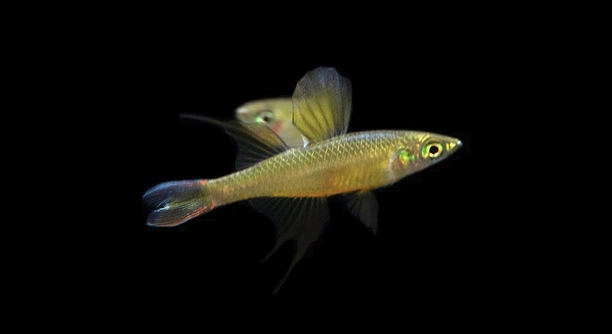
Do you ever find yourself watching your threadfin rainbowfish swim around and wondering if it is truly comfortable and happy in its tank environment? Their behavior often provides gentle hints about their overall well-being and mood.
A happy threadfin rainbowfish can be identified through specific signs, including active swimming, vibrant coloration, healthy appetite, and relaxed social behavior. These indicators reflect proper care, stable tank conditions, and an environment that meets the species’ biological needs.
Learning these signs makes it easier to understand your fish’s behavior and gives you confidence in creating a thriving, peaceful aquatic home.
Sign 1: Active Swimming and Movement
When a threadfin rainbowfish is happy, it will move with energy and confidence throughout the tank. You will notice it swimming across different areas instead of hiding or staying in one spot for long periods. This movement is usually steady and controlled, rather than frantic or erratic. Healthy fish will also interact with their tank mates calmly, showing no signs of stress. Consistent swimming patterns also mean they feel secure in their environment. If your rainbowfish is exploring freely and not lingering near the bottom or top, it is usually a strong sign of happiness and comfort.
Observing daily swimming habits is one of the easiest ways to measure their well-being. Consistency in their activity shows balance in both their physical health and emotional state. A calm but lively swimmer signals contentment and comfort in its surroundings.
Noticing these simple behaviors will help you confidently recognize when your rainbowfish is thriving and truly happy.
Sign 2: Bright and Vibrant Colors
Threadfin rainbowfish are naturally colorful, but their shades become more vibrant when they are healthy and content. A happy fish will display glowing yellows, blues, and silvers that shimmer beautifully under proper lighting. When they feel secure in their environment, their colors appear stronger and more consistent throughout the day. Faded or dull colors can often indicate stress, poor water conditions, or illness, so it is important to pay attention to changes in appearance. Their fins also remain clear and smooth without fraying or discoloration. Even subtle shifts in brightness can tell you a lot about their condition. Observing these changes closely allows you to understand what your fish might need. A vibrant fish signals a thriving environment where it feels safe, comfortable, and properly cared for, making this one of the clearest signs of happiness and health in threadfin rainbowfish.
Sign 3: Healthy Appetite
A happy threadfin rainbowfish will eagerly swim to the surface when it is feeding time. Its quick response to food shows comfort and energy. Lack of appetite, however, can be an early indicator of stress or poor health.
Consistent eating habits are a clear reflection of a fish’s overall well-being. Threadfin rainbowfish enjoy small meals throughout the day, and their willingness to feed without hesitation means they feel secure in their environment. Refusal to eat or spitting out food often points to something being off in the tank.
Maintaining a varied diet of flakes, micro-pellets, and live or frozen foods helps keep them satisfied and nourished. A rainbowfish that eats eagerly and maintains a steady routine is showing strong signs of happiness. Balanced nutrition not only enhances their mood but also supports their glowing colors and overall health.
Sign 4: Calm Social Behavior
Threadfin rainbowfish thrive in groups, and their happiness is often reflected in how they interact with each other. A content fish will swim smoothly alongside its companions without constant chasing, nipping, or hiding. They feel more comfortable in a balanced and stable group setting.
Peaceful social behavior is an important sign of emotional health. When rainbowfish feel stressed or unsafe, they may isolate themselves or act aggressively toward tank mates. However, in the right conditions, they display calm shoaling behavior, gliding together gracefully. Watching them move in harmony is not only reassuring but also a strong indicator of their comfort and happiness in the tank. Proper tank size, stable water conditions, and compatible companions are key to encouraging this positive interaction and ensuring long-term peace among your rainbowfish.
Sign 5: Clear Eyes and Smooth Fins
Bright, clear eyes and smooth, undamaged fins show your threadfin rainbowfish is in good condition. Cloudy eyes or torn fins often signal stress, illness, or poor water quality, making regular observation important for their overall happiness.
Healthy fins should be spread naturally when swimming, not clamped close to the body. Smooth edges and vibrant transparency are positive signs of well-being. When their eyes remain bright and alert, it shows they are comfortable and thriving in their environment, without any underlying health problems holding them back.
Sign 6: Responsive to Surroundings
A happy threadfin rainbowfish reacts quickly to movement outside the tank or changes in its environment. This responsiveness shows alertness and curiosity, which are signs of comfort and energy. A lack of reaction may suggest stress or declining health.
Sign 7: Resting Comfortably
Balanced periods of rest are a natural part of a rainbowfish’s routine. When they pause calmly without floating awkwardly or sinking, it indicates comfort and security. Resting peacefully demonstrates stability and happiness in both their environment and health.
FAQ
How can I tell if my threadfin rainbowfish is stressed?
Stress in threadfin rainbowfish often shows through faded colors, clamped fins, or frantic swimming. They may also hide more than usual or refuse food. Poor water quality, sudden changes in temperature, and overcrowding often contribute to stress. Monitoring tank conditions and maintaining consistency are the best ways to reduce it. A stressed fish will usually calm down once the environment is stabilized.
What causes threadfin rainbowfish to lose their bright colors?
Loss of vibrant colors is usually a sign of stress, poor diet, or illness. When conditions in the tank are not stable, fish may display duller shades. Overcrowding and aggressive tank mates can also impact their appearance. Providing a high-quality diet rich in protein, stable water parameters, and a stress-free habitat helps them regain their natural glow. Consistency is important because even small changes can affect their coloration.
Why does my threadfin rainbowfish sometimes swim near the surface?
Swimming near the surface is not always a bad sign, but if it happens constantly, it could suggest low oxygen levels in the water. Healthy fish usually swim throughout the tank with ease. If you notice persistent surface swimming, check the filter, aeration, and water quality. Adding plants and maintaining proper tank circulation can also help improve oxygen levels. Occasional surface swimming during feeding is normal and not a concern.
How many threadfin rainbowfish should be kept together?
Threadfin rainbowfish thrive in groups and should ideally be kept in schools of at least six. Being in a group helps them feel more secure and display their natural behaviors. Small numbers can cause stress and make them shy or less active. Larger schools bring out brighter colors and more lively movement. A spacious tank is important to avoid overcrowding, giving them enough room to swim freely. Balanced group sizes lead to calmer, happier fish.
Do threadfin rainbowfish need a specific diet to stay happy?
Yes, they do best on a varied diet. Flakes and micro-pellets are good staples, but adding live or frozen foods like brine shrimp and daphnia keeps them healthier and more energetic. A balanced diet supports their immune system, encourages bright colors, and prevents boredom with repetitive meals. Feeding them in small portions a few times a day also matches their natural feeding habits. When their diet is consistent and diverse, they show more energy and vibrant colors.
Why does my threadfin rainbowfish sometimes hide?
Hiding is normal if it happens occasionally, especially when fish are adjusting to a new environment. However, constant hiding can signal stress, illness, or aggression from tank mates. It may also suggest poor water quality. Ensuring proper tank conditions, providing enough hiding spots, and keeping compatible species together usually solves this issue. Once they feel safe, they return to normal swimming and socializing behaviors.
Can threadfin rainbowfish live with other fish species?
Yes, they can coexist peacefully with many other small, calm species. Ideal companions include rasboras, tetras, and small corydoras. Avoid aggressive or much larger fish, as they can intimidate or harm threadfin rainbowfish. A balanced community tank encourages calm social behavior and reduces stress. When choosing tank mates, consider similar water requirements and temperaments. Compatible companions not only prevent conflicts but also help your rainbowfish feel more secure.
How often should I check water quality for threadfin rainbowfish?
Water quality should be checked at least once a week. Threadfin rainbowfish are sensitive to changes, so stable conditions are crucial. Ammonia and nitrite levels should always remain at zero, while nitrate levels should stay low. Regular water changes, proper filtration, and testing kits are essential for maintenance. Clean water keeps them healthy, active, and colorful. Consistency in monitoring prevents sudden problems that could affect their overall happiness.
What tank size is best for threadfin rainbowfish?
A group of threadfin rainbowfish needs a tank of at least 20 gallons to swim freely and comfortably. Larger tanks are always better, especially for bigger schools. Limited space can cause stress and reduce their activity. A wide swimming area with plants and hiding spots makes them feel secure. Providing enough space helps them display natural behaviors and promotes healthy social interactions within the group.
How do I know if my threadfin rainbowfish is truly happy?
Happiness is reflected through their overall behavior and appearance. Active swimming, vibrant colors, healthy appetite, calm social interaction, and alertness to surroundings are strong signs. When all these factors are present, you can feel confident your fish is thriving. A happy rainbowfish moves with ease, eats eagerly, rests peacefully, and interacts well with its group. Paying attention to these everyday details ensures you recognize their contentment and maintain it long-term.
Final Thoughts
Caring for threadfin rainbowfish is about more than feeding them and keeping their tank clean. Their happiness is reflected through clear signs such as vibrant colors, active swimming, and healthy social interactions. These signals give you reassurance that the environment you have created is meeting their needs. A happy rainbowfish is not only more beautiful but also stronger and healthier, with a higher chance of living a long, balanced life. Observing these behaviors daily makes it easier to notice even the smallest changes, allowing you to take action quickly if something seems off. Paying attention in this way builds a better connection with your fish while also improving their overall well-being.
Maintaining happiness in threadfin rainbowfish requires consistency and care. Stable water conditions, proper tank space, and a varied diet are at the core of their health. Small details, like keeping the tank free from stressors and choosing compatible tank mates, can make a big difference in how they behave. These fish are naturally sensitive, so even sudden shifts in lighting, temperature, or environment can impact them. By providing steady conditions, you help them remain calm, confident, and secure. Happiness in fish may look subtle at times, but those subtle details—like calm swimming or clear fins—are strong reflections of good care. When all these elements are in place, your rainbowfish will display their best colors and most natural behaviors.
Creating an environment where your threadfin rainbowfish can thrive is both rewarding and fulfilling. Their health and happiness are closely connected, and one cannot exist without the other. The signs you watch for daily become a guide, showing you when your efforts are working well. Over time, you learn to read their behavior almost naturally, which makes keeping them less stressful and more enjoyable. These fish bring a special beauty to the aquarium with their delicate fins and gentle presence, and ensuring their happiness only enhances that experience. By focusing on their comfort and well-being, you give them the best chance to thrive in your care, while also creating a peaceful, lively tank that is enjoyable to observe every day.

Hello,
If you enjoy the content that we create, please consider saying a "Thank You!" by leaving a tip.
Every little bit helps us continue crafting quality advice that supports the health, happiness, and well-being of pets around the world, for pets of all shapes, sizes, and species.
We really appreciate the kindness and support that you show us!