
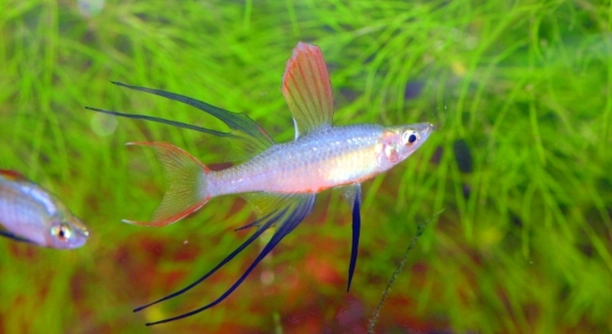
Caring for threadfin rainbowfish can be rewarding, but it requires attention and knowledge to keep them healthy. Many new fish keepers unknowingly make mistakes that stress the fish and affect their vibrant colors and behavior.
Avoiding poor water quality, overcrowding, improper diet, and inconsistent lighting are critical when caring for threadfin rainbowfish. Neglecting these aspects can lead to disease, stunted growth, and weakened immunity, compromising the overall well-being and longevity of the species in captivity.
Learning the habits to avoid will improve your fishkeeping skills and ensure your threadfin rainbowfish thrive in a stable, healthy environment.
Neglecting Water Quality
Maintaining clean water is essential for threadfin rainbowfish. Poor water quality can quickly stress fish, weaken their immune system, and cause diseases. Regular testing of ammonia, nitrite, nitrate, and pH levels is necessary to ensure a stable environment. Performing partial water changes weekly helps remove toxins and maintain proper mineral balance. Overfeeding can worsen water quality, as uneaten food decomposes and raises ammonia levels. Investing in a reliable filter and avoiding sudden changes in water temperature will also protect these sensitive fish. Monitoring the water closely allows early detection of potential problems, preventing long-term damage. Additionally, avoiding overcrowding reduces waste buildup and maintains oxygen levels. Threadfin rainbowfish thrive in clean, slightly acidic to neutral water. Proper maintenance ensures they remain active, display their natural colors vividly, and show consistent growth. Understanding these requirements can make a significant difference in their health and lifespan. Keeping water conditions stable is a cornerstone of responsible fishkeeping and promotes a thriving aquarium environment.
Regular water testing and consistent cleaning routines prevent stress and keep rainbowfish healthy.
Establishing a routine that combines partial water changes, filtration checks, and careful feeding creates a stable, healthy habitat. Observing water parameters and fish behavior helps detect early warning signs, such as sluggish swimming or color dulling. Keeping the aquarium environment balanced ensures long-term vitality.
Overfeeding and Improper Diet
Overfeeding threadfin rainbowfish can lead to digestive issues and poor water quality. These fish require a balanced diet of high-quality flakes, frozen foods, and occasional live treats to meet nutritional needs. Small, frequent feedings are better than large portions.
Providing a varied diet supports vibrant coloration, strong immunity, and natural behavior patterns.
A balanced diet should include proteins, vitamins, and minerals in appropriate proportions. Over-reliance on a single food type may cause deficiencies or excesses that affect growth and health. Incorporating live or frozen foods like brine shrimp or daphnia encourages natural foraging behavior, reducing stress and boredom. Feeding should be done in moderation to prevent leftover food from decomposing, which can pollute the water. Observing fish during feeding helps gauge their appetite and adjust portions accordingly. Proper nutrition enhances reproductive health and reduces susceptibility to disease. Combining careful feeding practices with routine water maintenance ensures rainbowfish remain vibrant and active. Consistent attention to diet and portion control is a key factor in sustaining a thriving aquarium and avoiding common health issues.
Inconsistent Lighting
Threadfin rainbowfish need consistent lighting to maintain their natural rhythm and vibrant colors. Sudden changes in light can stress them, causing hiding, reduced appetite, or faded coloration. A regular light schedule helps simulate natural day and night cycles.
Proper lighting supports feeding behavior, activity levels, and overall health. Using a timer ensures consistent periods of light and darkness, reducing stress. Too much light can encourage algae growth, while too little can make fish appear dull and inactive. Observing the fish under stable lighting allows for better assessment of health and coloration. Maintaining consistency also supports plant growth if live plants are present, contributing to a balanced ecosystem within the aquarium. Threadfin rainbowfish adapt best when lighting is stable and predictable.
Combining consistent lighting with water quality and diet routines creates a harmonious environment. Fish display natural behavior, maintain strong immunity, and thrive in well-managed aquariums. This approach reduces stress and supports long-term health.
Overcrowding
Overcrowding increases stress, aggression, and waste in the aquarium. Threadfin rainbowfish need space to swim freely and establish territories.
A proper stocking density ensures each fish has enough room to move, reduces stress, and prevents injuries. Overcrowding also negatively impacts water quality, as more fish produce more waste, raising ammonia and nitrate levels. Stress from crowding can suppress immune responses, making fish more susceptible to disease. Observing behavior helps identify if fish are competing too aggressively or if dominant fish are preventing others from accessing food. Adding hiding spaces and maintaining moderate stocking levels improves well-being. Proper spacing allows natural schooling behavior, vibrant coloration, and healthy growth. Overcrowding can be avoided by planning tank size carefully and gradually introducing new fish. Regular monitoring ensures the aquarium remains balanced.
When choosing tankmates, consider compatible species and avoid adding too many fish at once. Balancing numbers with filtration capacity maintains a healthy, stable environment, preventing long-term problems related to stress and poor water quality.
Ignoring Tank Maintenance
Regular tank maintenance prevents waste buildup and keeps fish healthy. Skipping cleaning can lead to harmful ammonia and nitrate levels, stressing threadfin rainbowfish.
Partial water changes, substrate vacuuming, and filter cleaning are essential. Neglecting these tasks can quickly deteriorate water quality, affecting fish health and coloration.
Sudden Temperature Changes
Threadfin rainbowfish are sensitive to temperature fluctuations. Sudden changes can weaken their immune system and trigger stress-related behaviors. Maintaining stable water temperature ensures comfort and reduces the risk of illness.
Using Incompatible Tankmates
Some species may bully or compete aggressively with threadfin rainbowfish. Avoiding overly aggressive or territorial fish prevents stress, injuries, and reduced activity.
Overlooking Disease Signs
Early detection of illness is crucial. Watch for unusual swimming patterns, faded colors, or lack of appetite. Prompt intervention helps protect the entire aquarium and maintains a healthy environment.
FAQ
How often should I perform water changes for threadfin rainbowfish?
Partial water changes should be done weekly, replacing around 20-25% of the tank water. This helps maintain stable water parameters, remove waste, and prevent the buildup of harmful chemicals like ammonia and nitrates. Skipping water changes can lead to stress and disease, affecting the fish’s overall health.
What is the ideal water temperature for threadfin rainbowfish?
Threadfin rainbowfish thrive in temperatures between 24°C and 28°C (75°F–82°F). Sudden changes outside this range can cause stress and weaken their immune system. Using a reliable heater and thermometer ensures the water stays within a stable, suitable range for long-term health.
Can I keep threadfin rainbowfish with other species?
Yes, but choose peaceful, similarly sized fish. Avoid aggressive or territorial species that may bully or stress threadfin rainbowfish. Suitable tankmates include small tetras, rasboras, or peaceful livebearers. Maintaining proper space and hiding spots reduces conflicts and encourages natural behavior in the aquarium.
How much should I feed threadfin rainbowfish?
Feed small portions two to three times daily. Offer a mix of high-quality flakes, frozen foods, and occasional live treats. Overfeeding can pollute the water and cause digestive problems. Observing the fish during feeding helps gauge the right amount to prevent leftovers from decomposing.
How do I prevent disease in threadfin rainbowfish?
Maintaining clean water, proper diet, and stable environmental conditions is key. Quarantine new fish before adding them to the main tank. Watch for early signs of illness, such as faded colors, sluggish swimming, or loss of appetite. Prompt treatment can protect the entire aquarium from outbreaks.
What is the best tank size for threadfin rainbowfish?
A minimum of 30 gallons is recommended for a small group. These fish are active swimmers and need space to school and explore. Larger tanks reduce stress, prevent overcrowding, and help maintain water quality, supporting healthy growth and vibrant coloration.
Do threadfin rainbowfish require live plants?
Live plants are not required but are highly beneficial. They improve water quality, provide hiding spots, and encourage natural behaviors. Hardy species like Java fern or Anubias work well. Plants also help maintain oxygen levels, contributing to a healthier environment for the fish.
How can I tell if my fish is stressed?
Signs include hiding frequently, reduced activity, faded colors, or irregular swimming patterns. Stress can result from poor water quality, overcrowding, incompatible tankmates, or sudden changes in temperature and lighting. Early detection allows corrective measures to restore a healthy environment.
Is it necessary to use a filter for threadfin rainbowfish?
Yes, a reliable filter is essential. It removes debris, circulates water, and supports biological filtration, maintaining stable water quality. Choose a filter suitable for the tank size to avoid excessive current, which may stress these active but delicate swimmers.
How long do threadfin rainbowfish live?
With proper care, they can live 5–8 years. Lifespan depends on maintaining stable water conditions, providing a balanced diet, and minimizing stress from overcrowding or incompatible tankmates. Consistent care ensures they remain active and display vibrant colors throughout their life.
Can threadfin rainbowfish reproduce in home aquariums?
Yes, they can breed in captivity if conditions are suitable. Provide slightly acidic to neutral water, fine-leaved plants for spawning, and high-quality live or frozen foods. Separating the eggs or fry from adult fish increases survival rates and allows healthy growth.
How often should I monitor water parameters?
Check ammonia, nitrite, nitrate, and pH at least once a week. Regular monitoring prevents sudden spikes that can harm fish. Keeping a log helps track trends and ensures timely corrective measures, maintaining a stable and safe environment for threadfin rainbowfish.
What should I do if my fish shows signs of illness?
Isolate affected fish if possible and consult a veterinarian or aquarium specialist. Perform a water test, improve cleanliness, and administer appropriate treatment. Early intervention increases the chance of recovery and prevents the disease from spreading to other fish.
Are there any special considerations for lighting?
Provide consistent light for 8–10 hours daily using a timer. Sudden changes or excessive light can stress fish and encourage algae growth. Balanced lighting supports activity, coloration, and overall health while maintaining a predictable day-night cycle.
How do I introduce new fish to an established tank?
Quarantine new fish for 2–3 weeks to monitor health. Introduce them gradually, using a floating bag or separate acclimation container to adjust temperature and water chemistry. Proper acclimation reduces stress and prevents disease transmission to the existing fish.
Can I keep only one threadfin rainbowfish?
No, they are schooling fish and thrive in groups of at least six. Keeping a single fish can cause stress, reduced activity, and dull coloration. A group allows natural social behaviors, providing a healthier and more visually engaging aquarium environment.
What type of substrate is best for threadfin rainbowfish?
Fine gravel or sand works well. Avoid sharp or rough substrates that may injure delicate fins. A smooth substrate supports natural behavior, easy cleaning, and healthy swimming while reducing stress in the aquarium.
How often should I clean the filter?
Rinse filter media in dechlorinated water every 3–4 weeks to maintain efficiency. Avoid using tap water with chlorine, which can kill beneficial bacteria. Regular maintenance ensures stable water conditions and a healthy environment for rainbowfish.
Do threadfin rainbowfish require supplemental vitamins or minerals?
A varied diet usually provides necessary nutrients. Occasional supplementation with high-quality vitamins can support immune function and coloration, especially if the diet lacks diversity. Avoid over-supplementing, which may harm fish or pollute the water.
Can I keep threadfin rainbowfish with plants that require high light?
Yes, but balance light intensity and duration. Threadfin rainbowfish prefer moderate lighting, so ensure plant requirements do not cause excessive brightness or temperature fluctuations. Adjust placement and light schedule to accommodate both fish and plants effectively.
Caring for threadfin rainbowfish requires attention to detail and consistent effort, but it can be very rewarding. These fish are sensitive to changes in their environment, so maintaining clean water, stable temperature, and proper lighting is essential. Neglecting these basic needs can quickly lead to stress, disease, and poor coloration. A routine that combines water testing, partial water changes, and careful feeding ensures a stable environment where the fish can thrive. By observing their behavior and appearance regularly, you can identify issues early and address them before they become serious. Proper planning, such as choosing the right tank size, compatible tankmates, and sufficient swimming space, also contributes to a healthy and peaceful aquarium. Understanding these requirements allows you to create a balanced habitat where threadfin rainbowfish can display natural behaviors and vibrant colors, making their presence in your aquarium both enjoyable and rewarding.
Nutrition plays a significant role in maintaining the health and appearance of threadfin rainbowfish. Offering a varied diet that includes high-quality flakes, frozen foods, and occasional live treats supports strong immunity, growth, and natural behavior. Overfeeding should be avoided, as leftover food can deteriorate water quality and lead to health problems. Observing how much the fish consume during feedings helps determine proper portion sizes and prevents waste. Supplementing their diet occasionally with vitamins or minerals can provide additional support, but a balanced and diverse diet is usually sufficient. Feeding small amounts multiple times a day mimics their natural feeding patterns and reduces the risk of digestive issues. A combination of proper nutrition, consistent feeding schedules, and careful observation ensures the fish remain healthy and active, while also contributing to a visually appealing aquarium environment. This approach allows for long-term care that supports both their physical and behavioral needs.
Creating a harmonious environment for threadfin rainbowfish extends beyond water and diet. Providing hiding spaces, live plants, and a moderate stocking level reduces stress and promotes natural schooling behavior. Avoiding aggressive or territorial tankmates prevents conflicts that can negatively impact health and activity levels. Maintaining consistent lighting and avoiding sudden environmental changes further supports a stable and predictable habitat. Paying attention to subtle signs of stress, illness, or discomfort allows timely intervention and reduces the risk of long-term problems. By combining proper maintenance, careful feeding, thoughtful tank design, and monitoring of fish behavior, you ensure that threadfin rainbowfish have the best chance to thrive. These measures foster a safe, healthy, and visually pleasing aquarium where the fish can display their full potential. Consistency, observation, and attention to their needs are key to successful fishkeeping and long-lasting enjoyment of these beautiful and active species.

Hello,
If you enjoy the content that we create, please consider saying a "Thank You!" by leaving a tip.
Every little bit helps us continue crafting quality advice that supports the health, happiness, and well-being of pets around the world, for pets of all shapes, sizes, and species.
We really appreciate the kindness and support that you show us!