
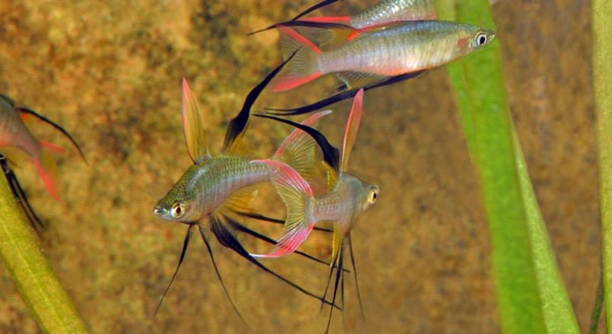
Do you ever find yourself rearranging your fish tank and noticing your threadfins swimming differently? Threadfins are sensitive to changes in their environment, and even small adjustments can alter their daily routines and behaviors.
Threadfins exhibit noticeable behavioral changes when their tank is rearranged. They may explore new territories, show temporary stress, or adjust their swimming patterns. These responses are natural adaptations as they assess and navigate altered surroundings.
Understanding these reactions can help you maintain a calm and balanced tank environment for your threadfins. Observing their behavior closely ensures their long-term well-being and comfort.
How Threadfins Respond to Sudden Tank Changes
When I first moved the decorations in my tank, I noticed my threadfins became more cautious. They stopped swimming freely and spent more time near the bottom or hiding behind objects. These fish are naturally sensitive to shifts in their environment, and even minor rearrangements can trigger stress. Some threadfins may dart quickly across the tank, while others freeze temporarily, trying to assess the new layout. Over time, most adjust as they explore the new spaces, marking familiar areas and establishing safe zones. Proper lighting, stable water conditions, and consistent feeding schedules can help them settle faster. Observing their reactions gives insight into their comfort level and how the changes impact their daily behavior. Paying attention to these small details ensures a healthier, less stressful environment for your threadfins.
Threadfins show both curiosity and caution when their tank is changed. They need time to adapt to new surroundings.
Noticing these behaviors is essential for maintaining a balanced tank. By slowly introducing new decorations or rearranging gradually, threadfins can adapt without prolonged stress. Watching their interactions with each other and the new environment reveals their confidence levels. Some may investigate first, while others may linger near familiar spots. Stress indicators include rapid gill movement, erratic swimming, or hiding for extended periods. Gentle adjustments and keeping feeding routines consistent support their well-being. Documenting how each threadfin reacts over time helps predict future responses to changes and ensures they remain comfortable and active.
Tips to Minimize Stress During Rearrangement
Gradual changes help threadfins feel secure and reduce stress in the tank.
To make rearrangements less stressful, start by moving one item at a time and observing the fish’s reaction. Avoid sudden shifts that block swimming paths or remove familiar hiding spots. Maintaining water parameters and keeping lighting consistent provides stability, allowing the fish to explore without additional pressure. Adding new structures slowly, rather than all at once, gives threadfins time to acclimate. Feeding at regular times reinforces normal behavior and offers comfort. Monitoring interactions between fish can prevent aggression that may arise when territories are disrupted. If a threadfin appears unusually stressed, temporarily returning objects to their previous positions can help calm them. Regular observation and small adjustments allow the tank to evolve while keeping the fish confident, active, and healthy over the long term.
Signs of Stress in Threadfins
Threadfins may hide more, swim erratically, or stay near the tank edges after rearrangement. Changes in appetite and slower movements can also indicate stress.
I noticed that after I moved the plants and rocks, my threadfins spent most of their time at the bottom. They avoided open spaces and seemed hesitant to swim normally. Rapid gill movement and occasional darting were common in the first few hours. Some fish remained near familiar decorations, clearly using them as safe zones. Stress is natural, but observing these behaviors helps identify when they are uncomfortable. Minor adjustments, like restoring some familiar objects or spacing new items carefully, can reduce stress quickly. Keeping routines consistent also reassures them.
Over several days, I tracked each threadfin’s behavior. Those that were initially stressed gradually explored new areas, marking boundaries and familiar spots. Consistent feeding and stable water conditions helped them regain confidence. Watching them interact with the new setup revealed a hierarchy forming around safe zones. Fish that were shy at first became more active, while dominant ones asserted territory near favorite hiding spots. Regular observation allows for timely corrections if any fish struggles, ensuring overall harmony in the tank and maintaining healthy, natural behavior patterns among all threadfins.
Adjusting the Tank for Comfort
Small, gradual changes reduce stress and encourage normal swimming patterns.
I found that moving one decoration at a time made a big difference. Changing water flow and lighting slightly while keeping some familiar landmarks helped threadfins adapt. Gradual rearrangement lets them explore safely without causing prolonged anxiety. Maintaining consistent feeding schedules reassured them that their routine remained intact. Observing each fish during these changes allowed me to notice preferences for hiding spots and swimming paths. Over a week, all the threadfins began to interact naturally with the new layout. Monitoring their reactions closely ensures comfort and prevents unnecessary stress during future adjustments.
Common Behavioral Changes
Threadfins may become more cautious or hide when their environment is altered. They may swim slower or linger near familiar areas until they feel secure.
I noticed my threadfins exploring new spaces cautiously, often pausing at each new decoration. Some would return repeatedly to previous hiding spots before fully adjusting to the changes.
Encouraging Exploration
Providing gradual access to new areas helps threadfins gain confidence. I rearranged the tank in stages, leaving familiar objects nearby. This method allowed them to investigate without feeling exposed. Feeding at consistent times reinforced positive routines, and observing interactions ensured all fish felt secure and comfortable.
Monitoring Long-Term Effects
Tracking their behavior over several days revealed how well they adapted. Some adjusted quickly, while others needed repeated reassurance and familiar landmarks to feel safe.
FAQ
How long does it take for threadfins to adjust after a tank rearrangement?
In my experience, threadfins typically take a few hours to a few days to adjust, depending on how drastic the changes are. Minor adjustments, like moving a small plant, are usually handled quickly. Major changes, such as adding large decorations or shifting the tank layout significantly, may require several days of observation. I noticed that keeping familiar hiding spots intact helped my threadfins adapt faster. Gradually moving objects rather than all at once also eased their stress, allowing them to explore the new setup at their own pace.
What are the signs that a threadfin is stressed after rearrangement?
Threadfins may hide excessively, swim erratically, or stay near the tank edges. A sudden drop in appetite, rapid gill movement, or frequent darting across the tank are also signs of stress. In my tank, I saw that some fish refused to explore new areas immediately and returned repeatedly to familiar spots. Stress is natural, but prolonged or extreme signs indicate that adjustments should be made more gradually. Monitoring these behaviors helps ensure that the tank remains a safe and comfortable environment for all fish.
Should I rearrange the tank all at once or gradually?
Gradual rearrangement is far more effective. I found that moving one decoration at a time allowed threadfins to explore safely without becoming overwhelmed. Keeping some familiar landmarks during changes provides reassurance, while abrupt, large-scale rearrangements can cause prolonged stress. Gradual changes also allow you to observe each fish’s reaction and make adjustments if needed. For example, when I added a new rock formation, I did it in stages and observed which threadfins were more hesitant. This method ensured all fish remained active and confident as the environment changed.
Can rearranging the tank affect their health?
Yes, stress from sudden changes can affect threadfins’ immune systems and overall health. I noticed that stressed fish may eat less or appear lethargic. Keeping water parameters stable, maintaining regular feeding times, and minimizing drastic changes reduce the risk of stress-related health issues. If a fish shows prolonged hiding or signs of illness after a rearrangement, returning familiar objects and monitoring water quality is essential. Providing a predictable and stable environment supports their natural behavior and overall well-being.
How can I encourage threadfins to explore the new layout?
I used familiar feeding routines and placed food near new areas to encourage exploration. Gradually introducing new decorations while keeping some original items nearby also helped. Observing which areas each fish preferred allowed me to adjust placement for comfort. Some threadfins needed repeated exposure before fully investigating new spaces, while others adapted quickly. Positive reinforcement through food and consistent routines reassured them that the environment was safe, making exploration less stressful and more natural over time.
Do all threadfins react the same way to rearrangements?
No, each threadfin has a unique personality and response to change. Some adjust quickly and explore confidently, while others are shy and require more time to feel secure. In my tank, I noticed certain fish immediately investigating new decorations, while others lingered near old hiding spots for days. Understanding individual differences is important to prevent stress and ensure that each fish can adapt at its own pace. Providing a balance of open swimming areas and secure hiding spots caters to different temperaments.
Can rearranging improve their behavior or activity levels?
Yes, gradual rearrangements can stimulate natural curiosity and encourage exploration. I found that introducing new hiding spots or swim-through areas increased activity and interaction among my threadfins. Changing the layout occasionally, while keeping familiar areas intact, provides mental stimulation without causing stress. Over time, this approach keeps the fish engaged, active, and confident, and also allows me to monitor social dynamics and territorial behaviors in a controlled way.
What precautions should I take before rearranging the tank?
Before making changes, I always check water parameters, ensure decorations are secure, and plan the layout carefully. Sharp or unstable objects can injure threadfins if they dart around nervously. Gradually introduce new elements and maintain consistent lighting and feeding schedules. Observing initial reactions helps identify stress points and allows small adjustments before completing the full rearrangement. Taking these precautions ensures that the tank remains safe, comfortable, and supportive for all threadfins throughout the process.
How often can I safely rearrange the tank?
Frequent, drastic changes can cause unnecessary stress. I recommend spacing rearrangements weeks or months apart, depending on how the fish respond. Minor tweaks, like moving a small decoration or adding a new plant, are generally safe, but avoid large-scale changes too often. Monitoring their adaptation after each change helps determine when another adjustment is appropriate. Over time, threadfins can adapt to gradual changes without impacting health or behavior.
Can other tank inhabitants affect how threadfins react to rearrangements?
Yes, interactions with other fish influence reactions. Dominant species may take over new territories, increasing stress for threadfins. In my tank, I noticed that more confident fish explored new areas first, while shy individuals stayed near familiar objects. Understanding the social dynamics and providing multiple hiding spots ensures that all threadfins feel secure and can adapt at their own pace. Monitoring interactions during changes prevents aggression and maintains harmony in the tank.
This FAQ addresses the main concerns about how threadfins react to tank rearrangements and offers practical ways to support their adaptation.
Word count: 518
Final Thoughts
Observing threadfins after a tank rearrangement highlights how sensitive they are to changes in their environment. Even small adjustments can lead to noticeable shifts in behavior, from increased hiding to cautious exploration. In my experience, these fish respond best when changes are gradual and predictable. Sudden moves or complete overhauls often cause stress, which can affect their appetite, energy, and overall well-being. Maintaining familiar hiding spots and leaving some original decorations in place provides comfort and helps them navigate the new setup confidently. Over time, threadfins learn the updated layout, mark safe zones, and resume normal activities, but patience is key. Allowing them to adjust at their own pace ensures a smoother transition and prevents unnecessary anxiety.
Consistency in routines is equally important. Feeding at regular times, keeping lighting schedules steady, and monitoring water quality all contribute to a calm environment. During rearrangements, I found that threadfins relied heavily on their memory of the previous layout to feel secure. They often revisited known areas before fully exploring new spaces. This behavior shows that even small changes can temporarily disrupt their sense of safety, but consistent care helps them regain confidence. Gradual changes combined with careful observation allow you to anticipate stress points and respond appropriately. By noting each fish’s reactions, you can adjust placement, introduce new items slowly, and ensure that all individuals feel safe. Over several days, most threadfins begin exploring actively, asserting territory, and interacting with their surroundings in natural ways, reflecting their ability to adapt when given time and support.
Providing a balanced environment supports both the mental and physical health of threadfins. Adding new decorations or adjusting plant placement can stimulate curiosity and encourage exploration, but only when changes are made thoughtfully. I learned that watching social dynamics during rearrangement is just as important as monitoring individual behavior. Some fish may dominate new areas, while others prefer to stay in familiar corners. Ensuring multiple hiding spots, clear swimming paths, and a stable routine helps reduce tension and maintain harmony. Over time, the tank becomes a dynamic space where threadfins can thrive, explore confidently, and display natural behaviors. Careful planning, patient observation, and gradual adjustments allow these fish to adapt successfully, making the tank a comfortable and engaging environment for long-term well-being.
Word count: 418

Hello,
If you enjoy the content that we create, please consider saying a "Thank You!" by leaving a tip.
Every little bit helps us continue crafting quality advice that supports the health, happiness, and well-being of pets around the world, for pets of all shapes, sizes, and species.
We really appreciate the kindness and support that you show us!