
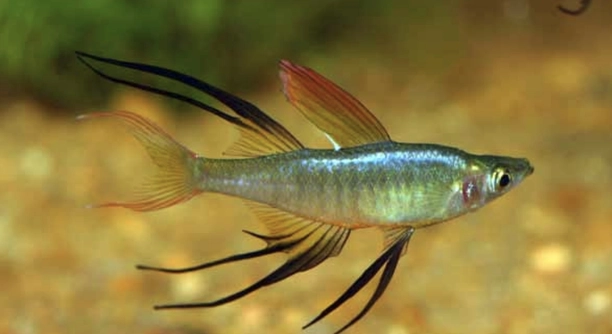
Have you ever set up a fish tank and wondered if your Threadfin Rainbowfish actually feel safe around the equipment inside their home?
Threadfin Rainbowfish can feel safe around filters when the water flow is gentle and consistent. Excessively strong currents, however, may cause stress and discomfort. Choosing the right filter type is essential for maintaining both safety and comfort.
Creating a balanced aquarium setup with gentle flow and hiding spots will encourage natural behavior while supporting your fish’s long-term health.
Understanding Filter Safety for Threadfin Rainbowfish
Threadfin Rainbowfish are delicate and sensitive fish that thrive in stable environments. Filters play a big role in keeping their water clean, but not every filter works well for them. Strong water currents can make them feel uneasy, since they prefer calmer waters that allow them to swim gracefully without struggling. A filter that is too powerful can cause constant stress, which may weaken their health over time. Gentle sponge filters or adjustable hang-on-back filters are often better choices, since they create movement without overwhelming the fish. It is also important to make sure the filter intake is safe, as Threadfin Rainbowfish have delicate fins that could be damaged. Covering the intake with a sponge can help prevent accidents while also adding another layer of filtration. By carefully selecting and adjusting the filter, you can create a safe environment where these fish remain comfortable and healthy.
Threadfin Rainbowfish are naturally shy and prefer spaces that make them feel protected. Using live plants and decorations around filters can create barriers that reduce stress.
Observing how your fish behave near the filter is one of the best ways to know if they feel safe. If they swim calmly and spend time exploring the area, the filter setup is likely working well for them. On the other hand, if they avoid the filter zone completely or seem to struggle against the water flow, adjustments may be needed. Their comfort depends on a gentle environment, and filters should support this rather than disrupt it. Taking time to adjust placement, reduce current strength, and add hiding spots makes a noticeable difference. These small efforts not only help your fish feel secure, but they also encourage more natural swimming patterns. A calm environment allows Threadfin Rainbowfish to display their beauty and remain healthy, bringing more life to your aquarium.
Choosing the Right Filter Type
The best filters for Threadfin Rainbowfish are those that balance water quality with gentle water flow. Sponge filters are often a safe option, since they provide both filtration and aeration without creating strong currents.
When selecting a filter, it helps to think about the needs of your specific aquarium setup. Sponge filters work well for smaller tanks, while adjustable hang-on-back filters are better suited for medium tanks. If you prefer canister filters, choose one that allows flow control, so the current stays manageable. Placement is just as important as type. Positioning the output near plants or decorations can break up water movement, making it softer and more natural for your fish. Adding pre-filter sponges to intakes prevents delicate fins from being harmed while also improving biological filtration. Each aquarium is different, so testing and observing how the fish react is key. By paying attention to flow strength, filter placement, and extra safety measures, you can find the best balance for your Threadfin Rainbowfish. This thoughtful approach helps your fish stay stress-free and ensures the tank remains both clean and comfortable.
How Water Flow Impacts Comfort
Threadfin Rainbowfish enjoy calm waters where they can swim without fighting against strong currents. If the flow is too powerful, they may hide more often, eat less, and appear stressed. Adjusting filter strength makes them feel more secure.
A steady but gentle flow helps mimic the slow-moving waters these fish are naturally found in. When the flow is properly adjusted, Threadfin Rainbowfish can glide around gracefully without exhaustion. Strong flow, however, forces them to use extra energy just to swim. Over time, this can weaken their immune systems and affect their overall health. Keeping the water movement balanced with plants or decorations is also helpful, as it creates softer zones where the fish can rest and feel safe. A soft, steady current supports their natural behavior and encourages brighter colors.
Paying close attention to swimming patterns can reveal how the fish feel about the current. When they linger near the middle or upper parts of the tank, it usually means the water flow is just right. If they constantly hug corners or avoid areas near the filter, it may be too strong. Adjusting flow settings, redirecting the filter output, or adding plants can make an immediate difference. The goal is to create a comfortable space where the fish can move freely. Gentle currents are best for maintaining both comfort and health.
Creating Safe Spaces Around Filters
Plants and decorations can be placed around filters to create safe hiding spots for Threadfin Rainbowfish. These barriers reduce direct flow, making the area feel calmer while also helping fish feel less exposed to open water.
When adding plants, tall species like Vallisneria or floating plants work well to soften water movement and provide shade. Driftwood or rock structures can also be positioned near the filter to break up current and create resting zones. Threadfin Rainbowfish often feel more secure when they have options to retreat and explore around such areas. These setups do not just look appealing but also improve comfort and safety. By giving them multiple zones to swim through, you help them display their natural schooling behavior more freely, all while keeping stress low and ensuring their well-being.
Signs of Stress Near Filters
Threadfin Rainbowfish may show stress if they constantly avoid areas near the filter. Rapid gill movement, clamped fins, or hiding for long periods are clear indicators that the filter setup is too strong or uncomfortable.
Another sign is if they appear restless and swim erratically against the current. This constant effort to resist strong flow can weaken their health over time. Small changes to filter placement or flow adjustments can quickly improve their comfort and behavior.
Balancing Filtration and Comfort
It is possible to keep water clean while still ensuring comfort for Threadfin Rainbowfish. The key is choosing a filter that provides effective biological and mechanical filtration without producing overwhelming currents. Combining gentle sponge filters with plants and decor is often ideal. This setup not only maintains water quality but also gives the fish calmer swimming spaces. Regular cleaning and checking for clogs help filters run smoothly without forcing them to work harder than needed. Monitoring water parameters and observing behavior ensures that the balance between safety, health, and comfort is consistently maintained.
Why Observation Matters
Watching your Threadfin Rainbowfish closely helps you recognize whether the filter setup is right. Their behavior will always show if adjustments are needed for better comfort and safety.
FAQ
Can Threadfin Rainbowfish get injured by filters?
Yes, Threadfin Rainbowfish can get injured if the filter intake is not protected. Their long, delicate fins are at risk of getting caught or torn when pulled toward uncovered intakes. Using a sponge pre-filter can prevent accidents while also adding extra filtration. It is a simple and effective way to keep them safe.
Do Threadfin Rainbowfish prefer strong or gentle water flow?
Threadfin Rainbowfish prefer gentle water flow. Strong currents make them uncomfortable and force them to spend unnecessary energy just to swim. A soft, steady flow allows them to glide naturally without stress. Adjusting the filter output or breaking up current with plants creates the calm conditions they need.
Is a sponge filter enough for Threadfin Rainbowfish?
A sponge filter can be enough for Threadfin Rainbowfish, especially in smaller aquariums. These filters provide biological and mechanical filtration without creating harsh currents. In larger tanks, pairing a sponge filter with another adjustable filter may work better to maintain both water clarity and gentle flow.
How do I know if the filter is too strong?
You can tell the filter is too strong if your fish hide often, struggle to swim, or avoid the filter area. Watch for rapid gill movement or erratic swimming. These are stress signs. Lowering the flow setting or redirecting the output usually helps.
Can filters make Threadfin Rainbowfish feel unsafe?
Yes, filters can make them feel unsafe if the water flow is overwhelming or if there are no hiding spots near the filter. Adding plants, driftwood, or rocks around the filter creates calmer spaces, reducing stress and helping them feel more secure.
Do filters affect Threadfin Rainbowfish colors?
Yes, indirectly. Stress from strong water flow or unsafe conditions can cause duller colors in Threadfin Rainbowfish. When they are comfortable and relaxed, their colors appear brighter and more vibrant. Maintaining gentle flow and safe spaces helps them show their natural beauty.
What type of filter is best for a Threadfin Rainbowfish tank?
The best filters are those that balance effective cleaning with gentle flow. Sponge filters, adjustable hang-on-back filters, or canister filters with flow control are good options. The choice depends on tank size, but all should be adjusted to keep currents soft.
Do Threadfin Rainbowfish hide near filters?
They may hide near filters if plants or decorations create safe areas there. However, if they hide constantly and avoid open swimming, it usually means the filter flow is too strong. Creating calmer zones helps them feel more comfortable and active.
Can filter noise stress Threadfin Rainbowfish?
Yes, filter noise can stress Threadfin Rainbowfish if it is loud or creates constant vibrations. While they tolerate low hums, rattling or gurgling can disturb them. Keeping the filter clean, filled with water, and properly maintained reduces unwanted noise and vibration.
How often should filters be cleaned in a Threadfin Rainbowfish tank?
Filters should be cleaned regularly to maintain performance and reduce buildup. A light rinse in tank water every few weeks is usually enough. Avoid over-cleaning or using tap water, as this can harm beneficial bacteria that support healthy water conditions.
Can Threadfin Rainbowfish sleep near filters?
Yes, Threadfin Rainbowfish can rest near filters if the flow is gentle and there are safe hiding spots. They usually find calmer areas where current is broken up. As long as the flow is not too harsh, they can rest comfortably without stress.
Do filters change Threadfin Rainbowfish behavior?
Yes, filters can influence their behavior. A properly adjusted filter encourages active swimming, exploring, and brighter colors. A poorly adjusted filter with strong flow causes hiding, stress, and less activity. Observing their response helps you decide if changes are needed for comfort.
Can too much filtration harm Threadfin Rainbowfish?
Too much filtration can harm them if it creates excessive current. Even if water quality stays good, the strong flow may tire them out and cause stress. Balancing strong cleaning power with gentle flow is the best way to keep them safe.
Do Threadfin Rainbowfish need extra air stones if a filter is used?
Not always. Many filters, especially sponge filters, already provide enough surface agitation for oxygen exchange. However, if the tank is heavily stocked or water movement is minimal, adding an air stone can improve oxygen levels and support overall fish health.
How do I make filters safer for Threadfin Rainbowfish?
Filters can be made safer by covering intakes with sponges, adjusting flow strength, and positioning outputs near plants or decorations to break up current. Providing hiding spaces and calm zones ensures the fish remain secure, healthy, and stress-free in their environment.
Final Thoughts
Threadfin Rainbowfish are delicate creatures that need the right environment to feel comfortable and thrive. Filters are a necessary part of their care because they keep the water clean, balanced, and safe. However, filters can also create challenges if the water flow is too strong or if the setup does not provide areas for the fish to rest and hide. These fish naturally prefer calm waters, so a filter that creates harsh currents can leave them stressed and less active. Stress not only affects how they behave but also weakens their immune systems over time. Choosing the right filter and making thoughtful adjustments can make a big difference in their well-being. By focusing on gentle flow, safe intake covers, and carefully placed decorations, you can provide a tank environment that feels both secure and natural to them.
Observation plays an important role in keeping Threadfin Rainbowfish safe around filters. Watching how they swim, where they spend their time, and how they react to different areas of the tank will tell you if the setup is working well. If they seem calm, swim freely, and even explore near the filter, it is a sign that the balance is right. On the other hand, if they constantly avoid the filter area, appear restless, or hide for long periods, it may mean adjustments are needed. These signs are easy to notice once you pay attention, and responding quickly helps prevent ongoing stress. By making small changes such as reducing the flow, redirecting the output, or adding more plants, you can instantly improve their comfort and create a healthier space.
In the end, filters are not just machines for keeping water clear. They are part of the living environment for your fish. Threadfin Rainbowfish can feel safe around filters if those filters are chosen and maintained with care. A safe setup does more than protect their fins—it allows them to show their natural behavior, maintain bright colors, and stay healthy long term. Creating balance between strong filtration and gentle water movement is the best way to support them. It also makes caring for your tank more enjoyable because you can see your fish at their best. By keeping their needs in mind and making thoughtful adjustments, you help your Threadfin Rainbowfish feel secure, comfortable, and safe in the presence of filters. This attention to detail not only protects their health but also brings out their beauty, making your aquarium more lively and rewarding.

Hello,
If you enjoy the content that we create, please consider saying a "Thank You!" by leaving a tip.
Every little bit helps us continue crafting quality advice that supports the health, happiness, and well-being of pets around the world, for pets of all shapes, sizes, and species.
We really appreciate the kindness and support that you show us!