
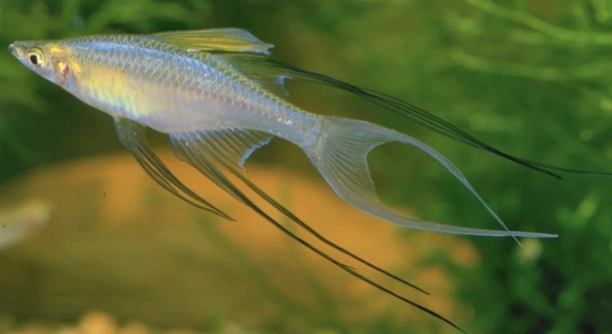
Do you ever notice your threadfin rainbowfish swimming directly into the glass of their aquarium? It can be surprising and concerning, especially when these colorful fish seem otherwise healthy and active in their environment.
Threadfin rainbowfish may repeatedly bump into glass due to a combination of stress, reflection confusion, or inadequate tank conditions. Bright reflections can mislead them, while limited space or sudden environmental changes can increase their likelihood of striking the tank walls.
Understanding these behaviors can improve your fish’s environment and overall well-being. Simple adjustments in tank setup and observation can make a noticeable difference in their daily activity.
Common Reasons Threadfin Rainbowfish Hit Glass
Threadfin rainbowfish often collide with aquarium glass due to reflections, limited space, or stress. Their bright scales can create illusions in the water, causing them to mistake their reflection for another fish. In smaller tanks, swimming space is restricted, which increases the chance of accidental bumps. Sudden changes in lighting or water conditions may also trigger erratic swimming. Maintaining a calm, stable environment helps reduce these behaviors. Observing your fish regularly can reveal patterns in movement, indicating whether the issue stems from reflections, overcrowding, or stress. Adding plants, decorations, or background elements can help break up reflections and provide visual cues for safer navigation. Ensuring proper water temperature, pH levels, and filtration contributes to a more comfortable habitat. Regular feeding schedules and minimizing sudden disturbances will also reduce anxiety-induced collisions. Attention to tank layout and environmental consistency can significantly decrease glass-bumping incidents, improving both fish health and tank harmony.
Addressing reflections and tank setup usually resolves repeated collisions effectively. Small environmental adjustments make a noticeable difference.
Consistent observation allows you to detect subtle signs of stress or confusion. Changes in behavior, such as increased hiding, erratic swimming, or frequent collisions, indicate the fish may need adjustments in their surroundings. Rearranging decorations or adding visual barriers reduces reflections that mislead rainbowfish. Providing a larger swimming area can also minimize accidents, allowing them to move naturally without striking the glass. Proper water quality and temperature management prevent stress-related behavior, supporting overall well-being. Understanding the reasons behind these collisions empowers you to create a safe and comfortable habitat, ensuring your threadfin rainbowfish thrive. Careful attention to these details not only reduces glass-bumping but also encourages healthier and more active fish, improving your experience as a caretaker and their quality of life in the tank.
How to Minimize Glass Collisions
Simple tank modifications can help reduce frequent collisions. Breaking up reflections and increasing swimming space can make a noticeable difference.
Adding background designs, plants, or subtle decorations disrupts reflections and provides better visual reference points. A larger tank or rearranging obstacles can prevent repeated collisions, offering rainbowfish more freedom to swim without hitting the glass. Regular maintenance and consistent feeding schedules create a stable environment that lowers stress. Monitoring water quality and adjusting lighting reduces disorientation, while gradual changes in temperature or décor prevent sudden behavioral spikes. Observing interactions among fish can help identify potential sources of stress, including territorial behavior or aggressive tank mates. By carefully considering tank layout and environmental stability, you can minimize glass-bumping behavior and support healthy, active swimming patterns for your threadfin rainbowfish. Consistency and attentiveness to small details in tank management lead to a calmer, safer habitat, promoting long-term well-being.
Reflection and Lighting Issues
Reflections in the aquarium can confuse threadfin rainbowfish, causing them to bump into glass. Bright lighting or shiny tank backgrounds increase these illusions, making the fish perceive their own image as another fish. Adjusting lighting and adding non-reflective surfaces reduces these incidents.
Controlling light intensity and direction is essential to prevent misperception. Placing the aquarium away from direct sunlight or using dimmable lights can reduce glare. Adding a solid or patterned background eliminates mirrored surfaces, helping fish navigate without mistaking reflections for intruders. Decorations like plants or rocks break up reflections, offering visual reference points. Over time, consistent lighting and thoughtful tank arrangement decrease stress-related collisions, encouraging safer and more natural swimming patterns. Monitoring the fish’s response after adjustments ensures the environment remains comfortable.
Sudden changes in lighting, such as switching on a strong overhead lamp, can trigger erratic swimming and accidental collisions. Gradual adjustments and consistent daily lighting schedules help rainbowfish adapt. Incorporating shaded areas with plants or décor allows them to retreat and feel secure. Even small reflective surfaces, like clean glass or decorative ornaments, may cause repeated bumps if not managed carefully. Paying attention to these details supports calmer behavior and reduces unnecessary stress, improving overall health and activity levels within the tank.
Tank Size and Swimming Space
Limited swimming space directly impacts threadfin rainbowfish behavior. Small tanks restrict natural movement, increasing the chance of collisions with walls. Larger tanks allow free swimming, which reduces stress and accidental bumps.
Providing adequate space is critical for healthy activity and interaction. Crowded tanks or those with minimal open water force fish to navigate tight areas, often resulting in repeated contact with glass. A properly sized tank ensures rainbowfish can establish territories and maintain natural swimming patterns. Decorations should be arranged to maximize open swimming areas while offering hiding spots. Overcrowding or insufficient space often leads to stress-induced behaviors, including erratic swimming. Gradual tank upgrades or reducing the number of fish can significantly improve their comfort and reduce wall collisions.
Fish require both horizontal and vertical space to swim naturally. A tank that is too shallow or narrow limits movement and increases frustration, sometimes causing repeated glass impacts. By carefully planning tank dimensions, including height, length, and depth, rainbowfish gain room for social interaction, exercise, and safe exploration. Open swimming areas, combined with strategic décor placement, allow fish to avoid obstacles while still having secure zones for rest or hiding. Regular observation ensures they are using space effectively and not showing signs of stress. Adjustments in layout or tank size help maintain calm, active behavior and prevent unnecessary collisions, improving overall fish welfare.
Stress and Environmental Changes
Stress can cause threadfin rainbowfish to swim erratically, leading to glass collisions. Sudden changes in water temperature, pH, or tank décor often trigger these behaviors. Maintaining stable conditions helps keep fish calm and reduces repeated bumps.
Overcrowding and aggressive tank mates also increase stress. Ensuring enough space and compatible companions allows rainbowfish to swim confidently. Stress management through environmental stability is key to their well-being.
Feeding Habits
Improper feeding schedules may cause heightened activity, leading to accidental glass bumps. Overfeeding or inconsistent timing can trigger rapid swimming and competition among fish, increasing collisions.
Decorations and Hiding Spots
Decorations influence how threadfin rainbowfish navigate their tank. Proper placement of plants and ornaments breaks up reflections and provides safe areas to rest, reducing stress and accidental collisions.
Monitoring Fish Behavior
Careful observation helps identify causes of repeated glass collisions. Watching patterns in swimming, feeding, and interaction allows timely adjustments to tank conditions, improving overall fish welfare.
Why does my threadfin rainbowfish keep bumping into the glass?
Repeated glass collisions are usually caused by reflections, stress, or restricted swimming space. Rainbowfish may mistake their reflection for another fish, respond to sudden changes in water conditions, or struggle to navigate a small tank. Maintaining a stable environment and providing adequate space can significantly reduce these behaviors.
Can stress alone cause this behavior?
Yes. Stress from overcrowding, aggressive tank mates, sudden changes in water temperature, or poor water quality can make rainbowfish swim erratically. Calm, consistent conditions with appropriate tank companions allow the fish to move naturally and reduce collisions. Observing their behavior helps identify stress triggers quickly.
Do reflections really confuse rainbowfish?
Reflections are a common cause. Bright lighting or clear glass can create illusions of other fish, prompting rainbowfish to react defensively or try to interact, resulting in bumps. Adding backgrounds, plants, or decorations to break up reflections minimizes these incidents.
Will a larger tank prevent this behavior?
A larger tank provides more swimming space, reducing accidental collisions. It allows rainbowfish to maintain natural movement patterns and establish territories. Combining open swimming areas with strategically placed decorations creates a balanced environment where fish can navigate safely and comfortably.
Could feeding habits influence glass collisions?
Yes. Irregular feeding times or overfeeding can trigger rapid swimming or competition among fish. Establishing a consistent feeding schedule and providing appropriate portions reduces excitement-driven erratic swimming, minimizing the likelihood of bumping into glass.
Do water conditions affect this behavior?
Unstable water conditions, including pH fluctuations, temperature shifts, or poor water quality, increase stress and confusion. Regular testing and adjustments create a stable environment, allowing rainbowfish to swim confidently without reacting to sudden changes.
Can tank decorations help reduce collisions?
Properly placed plants, rocks, and other decorations break up reflections and provide hiding spots. These visual cues help rainbowfish navigate safely, offering both open swimming space and areas for retreat, which reduces stress and accidental impacts.
How do I know if my rainbowfish is injured from bumping?
Look for visible signs like torn fins, scales missing, or unusual swimming patterns. Minor bumps may not cause harm, but frequent collisions can lead to injury. Promptly addressing the causes and providing a safer tank environment prevents further damage.
Are some rainbowfish more prone to this behavior than others?
Individual temperament and activity levels vary. Highly active or territorial fish may bump into glass more often, especially in smaller or reflective tanks. Understanding your fish’s personality and adjusting tank conditions accordingly can reduce the frequency of collisions.
Will adjusting lighting make a difference?
Yes. Bright or direct lighting increases reflections and stress, leading to collisions. Using softer, indirect lighting or dimmable lamps, along with adding background materials, reduces reflections and helps rainbowfish navigate without confusion.
How long does it take to see improvements?
Changes may be noticeable within days to weeks, depending on the severity of stress, tank setup, and behavioral patterns. Consistent observation and gradual adjustments ensure rainbowfish adapt to new conditions safely, reducing collisions over time.
Should I separate fish that keep bumping into the glass?
Separation is rarely necessary unless aggression or stress is extreme. Adjusting tank conditions, reducing reflections, and providing more space are usually sufficient. Only consider isolation if injuries occur or behavioral issues persist despite environmental improvements.
Can adding plants completely stop this behavior?
Plants help by breaking reflections and offering hiding spots, but they may not eliminate collisions entirely. Combining decorations, proper lighting, adequate space, and stress management provides the most effective solution for reducing glass-bumping behavior.
Is this behavior harmful if it happens occasionally?
Occasional bumps are generally harmless. Persistent or frequent collisions, however, may indicate stress, environmental issues, or reflections causing repeated confusion. Monitoring behavior and making adjustments prevents potential injuries and ensures overall well-being.
Do all threadfin rainbowfish exhibit this behavior?
Not all do. Behavior varies based on individual temperament, tank conditions, and environmental stability. Providing proper space, consistent care, and reflection-free environments reduces the likelihood of this behavior across most fish.
Can water flow influence glass collisions?
Strong or inconsistent water flow can disorient rainbowfish, leading to accidental impacts. Ensuring gentle, even circulation allows natural swimming patterns without pushing fish toward the tank walls. Adjusting filter output or using flow-reducing equipment can help.
Is frequent monitoring necessary?
Yes. Regular observation helps identify stress, reflection issues, or environmental problems before they worsen. Monitoring swimming patterns, interactions, and response to changes allows timely intervention and creates a healthier habitat.
What is the safest tank setup to prevent collisions?
A spacious tank with smooth, non-reflective surfaces, well-placed decorations, gentle water flow, consistent lighting, and stable water conditions provides the safest environment. Open swimming areas combined with visual references reduce confusion and stress, minimizing glass-bumping incidents.
Are there behavioral signs that predict collisions?
Erratic swimming, frequent darting, hiding excessively, or chasing reflections are indicators. Recognizing these patterns early allows adjustments in tank setup, lighting, or water conditions, preventing repeated impacts and improving overall fish comfort.
Can stress from tank mates worsen this behavior?
Aggressive or territorial companions increase stress, prompting erratic swimming and more collisions. Selecting compatible species and observing interactions ensures a calm environment, reducing the likelihood of stress-induced impacts.
Will adjusting feeding locations reduce glass bumps?
Yes. Feeding near the center of the tank or away from walls prevents fish from rushing toward glass. Spreading food evenly and maintaining a consistent schedule supports calmer, more predictable swimming during feeding times.
Do reflections affect all types of rainbowfish equally?
Threadfin rainbowfish are particularly sensitive due to their bright coloration and active behavior. While other species may react, threadfin rainbowfish are more likely to mistake reflections for other fish, increasing collision frequency in reflective tanks.
How do I balance decorations and open swimming space?
Decorations should break reflections without overcrowding. Providing open water for free movement while maintaining plants, rocks, or ornaments for hiding spots ensures safe navigation and reduces stress, promoting natural swimming behavior.
Can consistent water temperature prevent collisions?
Yes. Sudden temperature changes can disorient rainbowfish, causing erratic swimming. Stable water temperature, maintained with heaters or thermostats, allows fish to swim confidently and reduces accidental impacts against glass.
Is it normal for fish to recover after minor bumps?
Minor bumps usually do not cause long-term harm if environmental issues are addressed. Fish recover quickly in a stable, calm tank. Persistent collisions, however, require intervention to prevent injury and stress.
How often should I check the tank for issues causing collisions?
Daily observation is ideal, with weekly checks on water quality, décor placement, and lighting. Regular monitoring helps detect early signs of stress, reflection problems, or restricted space, allowing timely adjustments.
Do fish learn to avoid glass over time?
They can adapt partially, especially when reflections are minimized and space is adequate. Consistent care, proper tank layout, and environmental stability improve navigation skills, reducing the frequency of collisions over time.
What immediate steps should I take if collisions increase suddenly?
Check water conditions, lighting, and tank layout first. Ensure no aggressive tank mates or overcrowding. Adjust décor, add hiding spots, and provide a calm environment. Observing behavior closely allows timely corrective action, preventing injuries and prolonged stress.
Is this behavior a sign of illness?
Not always. While stress or reflections are common causes, persistent erratic swimming could indicate health issues. Monitor for other signs, such as lethargy, loss of appetite, or visible injuries, and address promptly.
Can reflection-reducing films or backgrounds help?
Yes. Applying non-reflective backgrounds or films on glass reduces visual confusion, preventing rainbowfish from mistaking reflections for other fish. Combining this with plants and decorations offers additional visual cues for safe navigation.
Will separating fish temporarily help reduce bumps?
Temporary separation can reduce stress in extreme cases but is rarely necessary. Adjusting tank layout, lighting, and décor usually resolves collisions without isolation, allowing fish to remain in their social environment safely.
How long should I wait to see improvement after changes?
Behavioral improvements can appear within a few days to several weeks. Consistency in lighting, feeding, tank layout, and water conditions allows rainbowfish to adapt gradually, reducing collisions over time.
Can bubble walls or strong currents worsen collisions?
Yes. Strong currents can push fish toward glass or cause disorientation. Bubble walls may create distractions, increasing erratic swimming. Gentle, even water flow is recommended to maintain natural movement and reduce accidental impacts.
Does tank cleanliness affect this behavior?
Poor water quality increases stress and confusion, leading to more collisions. Regular water changes, proper filtration, and debris removal create a healthy environment, supporting calm, predictable swimming patterns.
Are certain tank shapes better for preventing collisions?
Tanks with more length and open horizontal space allow rainbowfish to swim naturally, reducing wall collisions. Avoid narrow or shallow tanks that restrict movement, as limited space increases accidental impacts.
Should I be concerned if only one fish keeps bumping into the glass?
Individual temperament can play a role. Observe whether other environmental factors, such as reflections, water quality, or stress, are affecting this specific fish. Targeted adjustments often resolve the behavior for the affected individual.
Can stress-reducing supplements or additives help?
Mild stress-reducing supplements may support calmer behavior, but environmental management is more effective. Focus on tank stability, space, and reflection control rather than relying solely on additives for preventing collisions.
Is it normal for younger fish to bump more than adults?
Yes. Juvenile rainbowfish are more active, curious, and less experienced at navigating reflections or tight spaces. As they grow and adapt, collisions usually decrease with stable environmental conditions and adequate swimming space.
How do I know if my tank setup is ideal?
A well-balanced tank provides open swimming space, visual breaks, stable water conditions, gentle flow, and calm tank mates. Rainbowfish should swim naturally, rarely bumping into glass, and appear active and stress-free. Adjustments based on observation help achieve the ideal setup.
Does adding background images reduce collisions effectively?
Yes. Solid or patterned backgrounds eliminate reflections and visual confusion. Combining background images with plants and decorations improves navigation cues, making collisions less frequent while supporting natural swimming behavior.
Can frequent monitoring prevent long-term stress?
Daily observation allows early detection of stress or erratic swimming patterns. Timely adjustments in lighting, décor, or water conditions prevent prolonged stress and reduce repeated collisions, supporting overall rainbowfish health.
Are all interventions equally effective for every tank?
Effectiveness varies depending on fish behavior, tank size, and environmental conditions. A combination of space optimization, reflection control, stress management, and consistent care usually provides the best results. Observation and gradual adjustments ensure tailored solutions for your aquarium.
Will removing glass reflections completely stop collisions?
Eliminating reflections greatly reduces accidental bumps but may not prevent all collisions. Space, décor placement, water flow, and stress management remain important for ensuring safe, natural swimming patterns for threadfin rainbowfish.
Do rainbowfish remember tank layouts?
Yes. They learn visual cues and safe pathways over time. Consistency in décor and layout helps them navigate efficiently, reducing stress and the likelihood of bumping into glass.
Can changes in tank lighting schedule affect behavior?
Yes. Sudden or irregular lighting can confuse rainbowfish, triggering erratic swimming. A stable lighting schedule with gradual transitions prevents stress and reduces accidental collisions.
Are glass scratches or smudges a concern?
Smudges or scratches can distort reflections, increasing confusion. Keeping glass clean and free from damage improves visibility and helps rainbowfish avoid unnecessary collisions.
Is it necessary to track individual fish behavior?
Tracking helps identify which fish are more prone to collisions and whether specific tank conditions trigger the behavior. Individual monitoring supports targeted interventions and overall tank harmony.
How can I tell if my interventions are working?
Reduced collisions, calmer swimming patterns, and less stress indicate positive results. Continuous observation ensures adjustments are effective and allows further refinements to tank conditions as needed.
Do rainbowfish prefer certain areas of the tank to avoid collisions?
They often favor areas with visual breaks or hiding spots. Strategically placing plants, rocks, and background elements encourages safer swimming zones, reducing collisions while allowing natural exploration.
Can reflective ornaments worsen the problem?
Yes. Shiny decorations may mimic reflections of other fish, causing confusion and collisions. Using matte or natural-looking décor reduces this risk while still enhancing the tank’s appearance.
Are there behavioral signs after improvements?
Fish swim more calmly, interact naturally, and collide less often. Reduced erratic movement and stress behaviors show that environmental adjustments are effective. Consistency in care maintains these improvements.
Is professional advice necessary for persistent collisions?
Consulting an experienced aquarist or veterinarian may help if collisions persist despite proper tank setup. They can assess health, behavior, and environment to provide tailored recommendations for your rainbowfish.
Will adult fish behave differently than juveniles regarding collisions?
Adults are usually more experienced in navigating their environment, so collisions decrease over time. Juveniles are more active and less familiar with their surroundings, making them more prone to bumping into glass.
Can tank mates influence collision frequency?
Aggressive or territorial species increase stress and erratic swimming, raising the likelihood of collisions. Careful selection of compatible companions promotes a calmer, safer environment for rainbowfish.
Are water quality tests important for preventing collisions?
Yes. Poor water quality stresses rainbowfish, leading to erratic swimming. Regular testing for pH, ammonia, nitrites, and temperature ensures a stable environment, reducing the chances of accidental impacts.
Do background plants improve navigation?
Yes. Plants provide visual cues and hiding spots, breaking up reflections and offering safe swimming routes. Combining them with open spaces ensures natural movement and reduces collisions.
Can sudden noises or vibrations trigger collisions?
Yes. Loud sounds or sudden vibrations startle rainbowfish, causing rapid, uncontrolled swimming that may result in glass impacts. Minimizing disturbances helps maintain a calm tank environment.
Is it normal for rainbowfish to recover quickly from minor bumps?
Yes. Minor collisions typically do not cause lasting harm if environmental issues are addressed. Regular monitoring and stable conditions allow fish to swim confidently and reduce repeated bumps.
How can I prevent reflection-related collisions long-term?
Use solid or patterned backgrounds, add plants and décor, control lighting, and ensure a stable tank layout. Consistent care reduces stress and helps rainbowfish navigate safely, minimizing glass collisions over time.
Are there any behavioral exercises to reduce collisions?
No formal exercises exist, but encouraging natural swimming patterns with open space, gentle water flow, and minimal reflections helps rainbowfish adapt and reduces erratic movements that lead to collisions.
Do rainbowfish prefer dim or bright environments?
They usually prefer moderate lighting. Bright, direct light increases reflections and stress, while dim or evenly distributed light supports calmer behavior and safer navigation.
Can water flow direction influence bumping behavior?
Yes. Uneven or strong currents can push rainbowfish toward glass. Adjusting filter output and maintaining gentle flow encourages natural movement and reduces accidental collisions.
Is monitoring social interactions important?
Yes. Aggressive or territorial interactions increase stress and erratic swimming, causing more collisions. Observing behavior helps ensure a peaceful, balanced tank environment.
Can a combination of small adjustments prevent collisions effectively?
Yes. Addressing reflections, tank size, water quality, décor placement, lighting, and stress collectively creates a stable, safe environment, significantly reducing glass-bumping incidents for threadfin rainbowfish.
Will fish completely stop bumping into glass after adjustments?
Collisions may decrease but not always stop entirely. Continuous observation, consistent care, and gradual improvements help minimize incidents while supporting overall fish well-being.
Does frequent water change reduce stress?
Yes. Regular, partial water changes maintain water quality, reduce stress, and help rainbowfish swim calmly, lowering the likelihood of collisions.
Are certain tank shapes more reflective?
Flat glass surfaces and corners create more reflections. Choosing a tank with non-reflective backgrounds or rounded edges reduces visual confusion for rainbowfish.
Can rearranging décor periodically help?
Occasional rearrangement may improve navigation if reflections or bottlenecks are present. Avoid sudden or drastic changes to prevent additional stress and erratic swimming.
Should I monitor light cycles?
Yes. Consistent, gradual light transitions prevent disorientation and stress, promoting natural swimming patterns and reducing accidental collisions.
Do rainbowfish react differently in groups versus alone?
Groups may increase activity and competition, leading to occasional collisions. Solitary fish may react to reflections more frequently. Adjusting tank setup for social dynamics helps reduce both causes of bumping.
Is it important to track diet along with behavior?
Yes. Proper nutrition and consistent feeding schedules support calm behavior. Overfeeding or irregular meals can increase activity, causing more collisions with glass.
Can reflections from equipment affect behavior?
Yes. Filters, heaters, or other shiny equipment can create reflections. Covering or repositioning reflective elements reduces confusion and bumping.
Will calmer water flow improve behavior?
Yes. Gentle, even water movement allows rainbowfish to navigate safely and maintain natural swimming patterns, minimizing accidental impacts.
Do rainbowfish adapt to reflections over time?
They may adapt partially, but reflections often continue to trigger reactions. Combining reflection reduction with open swimming space improves adaptation and reduces collisions.
Are temperature fluctuations a major cause of stress-related collisions?
Yes. Rapid changes in temperature disorient rainbowfish, leading to erratic swimming. Maintaining stable water conditions prevents unnecessary stress and glass impacts.
Can plants alone prevent glass collisions?
Plants help, but they work best with proper lighting, open swimming space, stable water conditions, and reflection reduction. A combination of factors ensures effective prevention.
How often should I observe swimming patterns?
Daily observation is ideal for detecting early signs of stress, reflection issues, or restricted movement, allowing timely adjustments to prevent repeated collisions.
Does tank background color matter?
Yes. Dark or solid backgrounds reduce reflections, providing visual reference points for rainbowfish and minimizing mistaken identity or confusion that leads to collisions.
Can stress from human activity trigger collisions?
Yes. Frequent tapping, sudden movements, or vibrations near the tank startle rainbowfish, causing rapid swimming and potential impacts. Minimizing disturbances keeps fish calm.
Is it common for collisions to decrease with age?
Yes. Older, more experienced fish often navigate their environment better, making fewer collisions than juveniles, especially when tank conditions remain stable.
Are minor bumps a sign of normal behavior?
Occasional minor impacts are normal as fish explore. Persistent collisions indicate environmental issues, stress, or reflections that need attention.
Can adjusting feeding height reduce collisions?
Feeding in the center or away from walls prevents rushing toward glass. Evenly distributed food supports calmer swimming, reducing accidents.
Do rainbowfish have preferred swimming zones?
Yes. They favor areas with
Final Thoughts
Threadfin rainbowfish are active and curious fish that thrive in stable, well-planned environments. Their tendency to bump into glass can be unsettling for aquarists, but it is usually a result of reflections, stress, or limited swimming space rather than illness. Addressing these factors with practical adjustments helps create a safer and more comfortable habitat. Simple measures, such as adding a solid or patterned background, placing plants and decorations strategically, and maintaining gentle, consistent lighting, can reduce reflections and visual confusion. Providing adequate swimming space allows rainbowfish to navigate naturally, lowering the chance of collisions. Observing fish behavior regularly helps identify whether bumps are occasional or persistent, allowing timely interventions. Over time, these adjustments improve swimming patterns and reduce stress, supporting overall health. Understanding the root causes of glass-bumping behavior empowers aquarists to create an environment that promotes calm and natural behavior, which benefits both the fish and the caretaker.
Stable water conditions are essential for preventing erratic swimming. Sudden fluctuations in temperature, pH, or water quality can stress rainbowfish, leading to repeated impacts against the tank walls. Regular testing, consistent maintenance, and careful monitoring of water parameters ensure a comfortable habitat. Gentle water flow, combined with proper filtration, allows fish to swim naturally without being pushed toward glass. Overcrowding or aggressive tank mates can increase stress levels, so selecting compatible companions and providing sufficient space is equally important. Feeding schedules also play a role in behavior; overfeeding or inconsistent timing can cause excitement and rapid movement, leading to accidental collisions. By paying attention to these environmental and behavioral factors, aquarists can minimize risks and help rainbowfish adapt safely to their surroundings. The combination of water stability, adequate space, and thoughtful tank layout provides a foundation for calm and healthy activity.
Behavioral observation remains a key tool in managing glass-bumping behavior. Monitoring swimming patterns, interactions, and responses to environmental changes allows caretakers to make targeted adjustments. Minor collisions may be unavoidable, especially for younger or highly active fish, but persistent or frequent bumps signal that changes are necessary. Incremental improvements, such as rearranging decorations, adding visual barriers, or adjusting lighting, can have a significant impact over time. Providing hiding spots and shaded areas helps rainbowfish feel secure, further reducing stress-induced collisions. Overall, a balanced approach that combines environmental stability, careful observation, and practical interventions ensures rainbowfish can swim safely and comfortably. By addressing the factors that contribute to repeated glass impacts, aquarists can enhance both the well-being of the fish and the enjoyment of maintaining a vibrant, healthy aquarium. Thoughtful care and consistent attention allow threadfin rainbowfish to thrive in a safe, engaging habitat.

Hello,
If you enjoy the content that we create, please consider saying a "Thank You!" by leaving a tip.
Every little bit helps us continue crafting quality advice that supports the health, happiness, and well-being of pets around the world, for pets of all shapes, sizes, and species.
We really appreciate the kindness and support that you show us!