
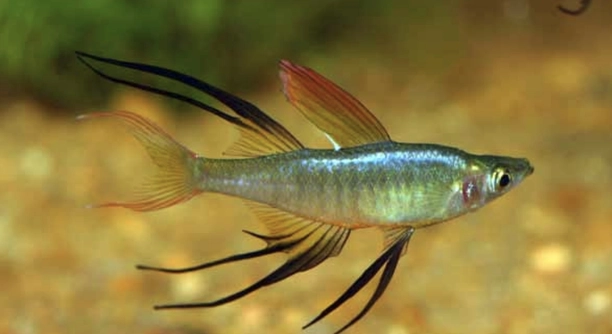
Do you ever notice threadfins moving together in the water and wonder why they sometimes swim in a single line? Observing their behavior can reveal patterns that are both fascinating and purposeful in nature.
Threadfins may swim in a single line during moments of migration, feeding, predator avoidance, or navigation. This formation helps them maintain efficiency, reduce energy expenditure, coordinate movement, and improve survival rates within their aquatic environment.
Learning about these behaviors provides insight into the natural instincts of threadfins and how they interact with their surroundings in subtle, coordinated ways.
Migration Patterns
Threadfins often swim in a single line during migration, moving from one area of the ocean to another. This behavior helps them navigate long distances efficiently, conserving energy as each fish takes advantage of the slipstream created by the one in front. Swimming in a line reduces water resistance and allows the group to maintain a steady speed without exhausting individual members. It also improves coordination, keeping the school together and reducing the risk of individuals becoming separated. Observing this formation, it becomes clear that threadfins rely on both instinct and subtle communication cues to manage their movement. The leading fish often sets the pace, while others adjust their positions constantly. This fluid structure demonstrates a natural strategy for survival, where every fish benefits from the collective movement. Line swimming during migration is not random; it reflects a deliberate adaptation that increases the efficiency of the entire school over long distances.
Line swimming during migration also helps reduce fatigue and maintain group cohesion.
By forming a single line, threadfins optimize energy use while navigating complex ocean currents. Each fish benefits from reduced drag, which allows the school to cover longer distances without frequent stops. The alignment also aids in detecting predators or changes in the environment, as visual and lateral line cues pass quickly along the formation. This behavior is especially common during seasonal migrations when finding feeding grounds or safer habitats becomes critical. Maintaining a line requires constant attention from each fish, ensuring they adjust their speed and position in response to neighbors. Over time, this creates a smooth, synchronized movement that appears effortless to observers. Understanding this behavior helps explain why threadfins often seem so coordinated, even in vast open waters, and highlights their ability to adapt to environmental pressures efficiently.
Feeding Strategies
Threadfins may form a single line when hunting small fish or plankton to improve capture efficiency.
By swimming in line, each fish can target prey without crowding others, increasing the overall success rate. The lead fish often disturbs prey, making them easier for the following fish to catch. This coordinated feeding reduces wasted effort and prevents competition within the group. Line formation also helps threadfins cover a wider area while maintaining visual contact with each other. This technique is particularly effective in shallow or open waters where prey is scattered. Fish can alternate positions within the line to share effort, ensuring that no single fish tires prematurely. Such coordination showcases an instinctual understanding of teamwork, allowing threadfins to feed effectively while staying protected within the group.
During feeding, the single-line formation maximizes both efficiency and safety.
Threadfins use this alignment to optimize prey capture, reduce energy expenditure, and maintain vigilance against predators. The fish at the front often take the lead in breaking up dense schools of smaller fish, while the others follow closely, ready to seize any escaping prey. This strategy ensures a consistent flow of food for the group, with minimal interference between individuals. Staying in line also provides a quick visual reference, allowing fish to respond instantly to changes in prey movement or environmental conditions. Over time, this feeding method reinforces cooperation and strengthens the school’s ability to operate as a cohesive unit, improving survival odds and sustaining energy levels. The behavior highlights the balance threadfins strike between foraging success and maintaining group safety.
Predator Avoidance
Swimming in a single line helps threadfins reduce the risk of predator attacks. By aligning closely, they create confusion for predators, making it harder to target a single fish. The formation also allows quick escape and coordinated movement when threats are detected.
Line formation increases survival by making attacks less predictable. Threadfins adjust speed and position instantly, creating a shifting front that predators struggle to penetrate. The lead fish often senses danger first, signaling the rest of the school to react in unison. This coordination allows individuals to maintain distance while still benefiting from collective protection. The visual and lateral line cues passed along the line ensure that every fish responds simultaneously. Predators find it difficult to isolate prey when the school moves as one, making this behavior an essential survival tactic. The single-line strategy balances safety and mobility efficiently.
In addition, swimming in a line conserves energy while avoiding threats. Each fish benefits from reduced drag, allowing rapid bursts of speed if needed. This combination of energy efficiency and coordinated escape increases the overall resilience of the group, ensuring that threadfins can survive in areas with high predator presence. Constant communication and adjustment within the line enable them to react to sudden changes, such as shifts in predator approach or environmental obstacles. By maintaining alignment, the school minimizes gaps that predators could exploit. This strategy is a natural adaptation that enhances survival without requiring conscious effort from the fish, demonstrating instinctive teamwork and practical design in their behavior.
Navigation and Orientation
Threadfins form a single line to maintain clear direction during travel. It allows them to follow currents efficiently and reduces disorientation, especially in open water.
Swimming in line enhances spatial awareness and ensures the group reaches its destination safely. The lead fish often guides the school, while the others follow precise positioning. This reduces the risk of getting lost and allows the school to adjust quickly to obstacles or changes in current. Threadfins rely on lateral line sensing to detect movements of neighbors, maintaining cohesion without collisions. This alignment also improves the ability to identify landmarks or subtle environmental cues. When currents shift, the group can alter course collectively, avoiding energy waste and potential separation. Consistent single-line formation during navigation demonstrates their reliance on instinctive alignment for orientation. Maintaining this order is critical during long-distance travel, providing both efficiency and safety.
Energy Conservation
Swimming in a single line helps threadfins conserve energy. Each fish benefits from reduced water resistance, allowing the school to travel longer distances with less effort.
This formation distributes effort efficiently. The lead fish breaks the current, while following fish experience smoother movement, reducing fatigue over time.
Social Coordination
Threadfins use single-line swimming to maintain social structure within the group. This alignment strengthens cohesion and reduces conflicts over space or position.
Predator Detection
By swimming in a line, threadfins can detect predators earlier. Each fish monitors its neighbors, allowing the group to react quickly to threats.
Environmental Response
Threadfins adjust their single-line formation in response to environmental changes. Currents, obstacles, and water clarity influence spacing and speed, ensuring efficient movement.
FAQ
Why do threadfins sometimes swim in a single line?
Threadfins swim in a single line to improve efficiency and coordination. The formation reduces water resistance, allowing each fish to conserve energy. It also keeps the school organized, making movement smoother and helping the group respond quickly to environmental changes or threats.
Does swimming in a line help threadfins avoid predators?
Yes, the single-line formation helps threadfins avoid predators by creating confusion. Predators find it harder to target one fish when the group moves in a coordinated line. Each fish watches its neighbors, allowing instant reactions to any sudden threat or change in direction.
When do threadfins use single-line swimming the most?
Threadfins typically swim in a line during migration, feeding, or when navigating through strong currents. This formation allows them to cover long distances efficiently, capture prey effectively, and maintain group cohesion while minimizing individual risk from predators.
Does the lead fish get tired faster?
The lead fish does experience more resistance, but positions often rotate. Threadfins take turns leading, which distributes energy demands evenly across the group, allowing all members to maintain stamina and travel longer distances without overexertion.
How does the school maintain alignment?
Threadfins rely on visual and lateral line cues to stay in formation. Each fish monitors its neighbors’ movements, adjusting speed and distance constantly. This instinctive coordination ensures the line remains tight, smooth, and efficient, even in changing currents or when obstacles appear.
Is single-line swimming used during feeding?
Yes, single-line swimming during feeding allows threadfins to maximize capture efficiency. The lead fish disturbs prey, making it easier for the following fish to catch them. This method reduces competition within the group and allows each fish to access food without crowding.
Does water current affect line formation?
Currents significantly influence line formation. Strong currents may require tighter spacing, while calmer waters allow a looser formation. Adjusting the line helps threadfins conserve energy and maintain stability while traveling or hunting in varying water conditions.
Do all threadfins in a school swim in a line?
Not always. While line formation is common in migration, feeding, or predator avoidance, threadfins may switch to other formations depending on group size, environmental conditions, and the presence of threats. The single-line behavior is just one of several adaptive strategies.
How long can threadfins maintain a single line?
Threadfins can maintain a single line for extended periods, particularly during migration or long-distance travel. Constant attention to neighbors and rotational leadership prevents fatigue, allowing the group to sustain the formation for hours or even days when necessary.
Does this behavior occur in all threadfin species?
Most threadfin species display single-line swimming at some point, but the frequency and purpose can vary. Environmental pressures, feeding habits, and predator presence influence how often and how long a species maintains this formation, demonstrating adaptability across different habitats.
Can single-line swimming improve survival rates?
Yes, this formation increases survival by improving efficiency, predator detection, and group coordination. Threadfins can conserve energy, respond faster to threats, and feed more effectively, all of which contribute to higher chances of survival and overall health in their natural habitats.
Is there a difference between juvenile and adult threadfins in line swimming?
Juveniles may adopt the line formation less consistently, focusing more on shelter and avoiding predators. Adults are more likely to maintain a strict line, especially during migration or coordinated feeding, benefiting from experience and stronger swimming capabilities.
Do environmental changes affect the line’s length?
Yes, the length of the line can adjust based on conditions. Strong currents or abundant prey might shorten or lengthen the formation. Threadfins instinctively modify spacing to optimize energy use, feeding efficiency, and protection against threats.
How do threadfins communicate within the line?
Communication is mostly non-verbal, relying on visual signals, body movements, and water vibrations detected through the lateral line. Each fish senses changes in speed, direction, or position, allowing the school to move as a unified group without explicit signaling.
Can humans influence line swimming behavior?
Human activity, such as boat traffic or fishing, can disrupt the formation. Noise, sudden movements, or water pollution may scatter the school or force threadfins to change direction, demonstrating how sensitive this behavior is to environmental disturbances.
Does swimming in a line reduce collisions among threadfins?
Yes, maintaining a single line minimizes collisions. Each fish can predict neighbor movements and adjust its position accordingly. This careful spacing prevents accidents and allows smooth, synchronized swimming, which is especially important during feeding or fast escapes.
How do threadfins decide who leads the line?
Leadership is not fixed. Fish may rotate positions to share effort, with stronger or more experienced individuals often taking the lead temporarily. This rotation ensures that no single fish becomes overworked while maintaining the school’s efficiency and coordination.
Can line formation occur in captivity?
Yes, threadfins in captivity sometimes form a single line, particularly when swimming together in tanks with ample space. While predator threats are absent, the instinct for coordination, energy efficiency, and social alignment still drives this behavior.
Is this behavior unique to threadfins?
While other fish species also form lines, threadfins display this behavior frequently and for multiple purposes. Their reliance on single-line swimming for migration, feeding, predator avoidance, and energy conservation highlights its importance in their daily survival strategies.
How does this formation benefit group feeding efficiency?
The line allows each fish to access prey without interference from others. The lead fish disturbs prey, and the following fish capitalize on escaping prey. This reduces competition, distributes food evenly, and ensures that the entire school benefits during feeding sessions.
Does line swimming require experience or is it instinctual?
Line swimming is largely instinctual, though experience enhances efficiency. Juveniles may struggle to maintain spacing or react quickly, while adults demonstrate precise coordination, showing that natural instinct combined with learned experience improves the school’s performance.
Can line swimming help threadfins navigate obstacles?
Yes, the formation improves navigation through complex environments. Each fish follows cues from the one ahead, allowing the group to adjust direction, avoid obstacles, and maintain cohesion without breaking the line, which is vital in both open waters and cluttered areas.
Does the line formation change in size or density?
The formation can vary depending on environmental conditions, group size, and predator presence. Threadfins adjust spacing to optimize energy use, improve feeding efficiency, and maintain protection, demonstrating a flexible approach to survival in diverse situations.
How important is single-line swimming for long-term survival?
Single-line swimming is crucial for conserving energy, detecting predators, and coordinating group movement. By maintaining this formation, threadfins improve feeding success, reduce risk, and increase resilience, directly influencing their ability to thrive over time in natural habitats.
Are there risks to maintaining a single line?
While beneficial, single-line swimming can pose risks if the lead fish misjudges conditions or if the environment suddenly changes. The school must rely on quick adjustments and rotational leadership to prevent accidents, separation, or inefficient movement.
Do environmental disruptions affect threadfin behavior long-term?
Persistent disruptions, like pollution or heavy boat traffic, can alter line-swimming patterns. Schools may shorten the formation, scatter more frequently, or switch to alternative strategies, highlighting how sensitive threadfins are to changes in their surroundings.
Does line formation reduce stress among threadfins?
Maintaining a single line can reduce stress by providing a sense of order and safety. Fish feel protected by collective movement, ensuring consistent spacing and minimizing surprises, which lowers overall anxiety levels in the group.
Can line swimming influence reproductive behavior?
Indirectly, yes. By conserving energy and reducing stress, single-line swimming ensures fish remain healthy and alert, which improves conditions for mating and successful reproduction within the school.
Do threadfins always follow the same patterns in line formation?
Patterns vary depending on purpose—migration, feeding, predator avoidance, or environmental conditions. Threadfins adapt spacing, speed, and leadership roles to suit the current need, demonstrating flexibility within a largely instinctive behavior.
How quickly can a school form a single line?
A school can form a line almost instantly when the need arises, such as sensing a predator or spotting prey. Rapid alignment shows the efficiency of visual and lateral line cues in coordinating immediate, collective responses.
Does water temperature affect line swimming?
Water temperature influences swimming speed and spacing. Warmer waters may increase activity, causing tighter formation, while cooler temperatures may reduce speed, allowing a looser line. Threadfins adjust instinctively to maintain efficiency and cohesion in varying temperatures.
Can single-line swimming improve survival in crowded habitats?
Yes, the formation helps avoid collisions, reduces energy waste, and improves feeding efficiency in crowded areas. By staying organized, threadfins can navigate dense populations while maintaining safety and effective movement.
Is rotational leadership a common feature in all threadfin schools?
Rotational leadership is observed widely. Sharing the lead reduces fatigue, maintains efficiency, and allows younger or less experienced fish to benefit from following others, ensuring balanced effort distribution throughout the school.
How does line swimming interact with schooling behavior?
Single-line swimming is a form of schooling behavior, emphasizing coordination and efficiency. It combines energy conservation, predator avoidance, and social structure into a cohesive system that enhances survival while maintaining flexibility.
Do threadfins ever break the line temporarily?
Yes, temporary breaks occur during feeding bursts, predator evasion, or navigating obstacles. Fish quickly rejoin the line after the event, demonstrating resilience and adaptability within the school’s structured movement.
Does human observation affect their behavior?
Observation alone usually has minimal impact, but disturbances like sudden movements or loud noises can temporarily disrupt line formation. Threadfins typically resume coordinated swimming once the disturbance passes.
Can line swimming indicate the health of a threadfin population?
Consistent line formation reflects strong coordination, low stress, and sufficient energy reserves. Irregular or weak formations may suggest environmental pressures, food scarcity, or population stress, serving as an indirect indicator of ecosystem health.
Does this behavior occur in both shallow and deep waters?
Yes, threadfins exhibit single-line swimming in shallow and deep waters. The formation adapts to different depths, currents, and obstacles, maintaining efficiency and protection in diverse aquatic conditions.
How do environmental obstacles influence line adjustments?
Obstacles like rocks, reefs, or debris cause the line to bend, compress, or elongate. Each fish responds to the movement of neighbors, allowing the school to navigate efficiently without losing cohesion.
Is single-line swimming energy efficient compared to other formations?
Yes, it reduces drag for following fish, distributes effort evenly, and minimizes fatigue, making it one of the most energy-efficient formations for threadfins during migration or prolonged activity.
Can juveniles learn from adults in the line?
Yes, juveniles gain experience by following adults. They learn spacing, speed adjustment, and predator response, improving their ability to maintain line formation independently as they mature.
Does the line formation change during different seasons?
Yes, seasonal changes influence spacing, speed, and frequency of line formation. Migration periods, feeding abundance, and predator activity dictate how often and how strictly threadfins maintain the line.
How do environmental changes like pollution impact line swimming?
Pollution can disrupt cues used for alignment, forcing schools to scatter or adjust formation more frequently. Persistent changes may lead to less efficient swimming and reduced feeding success, affecting long-term survival.
Is single-line swimming observed in other fish families?
While not unique to threadfins, their frequent use of single-line swimming for multiple purposes makes it notable. Other species may adopt similar formations temporarily, but threadfins rely on it consistently for efficiency, protection, and coordination.
Can line swimming behavior be observed in aquariums?
Yes, threadfins in aquariums sometimes maintain a single line, especially when swimming together in open spaces. Even without predators, the instinct for coordination and energy efficiency drives this behavior naturally.
Does line formation improve sensory perception for threadfins?
Yes, by swimming close together, fish can detect subtle movements in neighbors and surrounding water, improving predator awareness, environmental response, and coordination during feeding or navigation.
Do environmental noises affect the line?
Loud or sudden noises can momentarily scatter the school or cause tighter spacing. Threadfins quickly adjust once the disturbance passes, demonstrating adaptive resilience to environmental stressors.
How does single-line swimming benefit group reproduction indirectly?
By conserving energy and reducing stress, threadfins maintain health and stamina, supporting reproductive success and increasing the likelihood of producing healthy offspring within the school.
Is single-line swimming more common in certain habitats?
It is more frequently observed in open waters where currents, predators, or long-distance movement make coordination and efficiency critical. In calmer, sheltered areas, line swimming may occur less often.
Can this behavior change with fish density?
Yes, higher density may require tighter spacing, while lower density allows a looser line. Threadfins adjust instinctively to maintain energy efficiency, protection, and coordination regardless of population density.
Do threadfins communicate threats along the line?
Communication is primarily through visual and lateral line cues. When one fish detects a threat, subtle movements ripple along the line, prompting an almost immediate collective response.
Does line formation improve learning within the group?
Yes, following experienced fish allows younger or less skilled individuals to learn efficient swimming patterns, predator response, and feeding strategies, enhancing group survival and cohesion.
Are there risks if the lead fish makes a mistake?
Yes, if the lead fish misjudges conditions or direction, the entire line may temporarily lose efficiency. However, rotational leadership and constant adjustment minimize the impact of such errors.
Can line swimming be observed in nocturnal activity?
Yes, threadfins maintain formation at night, relying on lateral line sensing rather than visual cues, allowing the school to move cohesively in low-light conditions.
Does water clarity affect the formation?
Lower visibility may tighten spacing and slow movement, while clear waters allow smoother, extended lines. Threadfins adjust instinctively to maintain coordination and safety.
Is this behavior linked to evolutionary advantages?
Yes, single-line swimming conserves energy, improves predator avoidance, and enhances feeding efficiency. These benefits contribute to long-term survival, demonstrating an adaptive evolutionary advantage.
How do threadfins resume a line after disruption?
When the line is broken, fish quickly realign by following visual and lateral cues from neighbors, restoring cohesion and efficiency within seconds to minutes.
Can environmental stressors permanently alter line behavior?
Chronic stress from pollution, habitat loss, or high predator pressure may reduce the frequency or efficiency of line formation, impacting feeding, migration, and survival over time.
Do different threadfin species vary in line swimming patterns?
Yes, variations exist in spacing, speed, and frequency. Differences are influenced by habitat, size, predator presence, and feeding habits, showing adaptability across species.
Is single-line swimming observable during mating?
While not directly linked to mating, maintaining a line conserves energy and reduces stress, indirectly supporting reproductive readiness and success within the group.
Does this behavior influence individual growth rates?
By conserving energy and improving feeding efficiency, single-line swimming can positively affect growth, allowing threadfins to maintain better health and reach maturity faster.
Are there environmental factors that disrupt the line temporarily?
Sudden currents, obstacles, or human activity may temporarily scatter the school, but instinctive adjustments restore formation quickly, showing flexibility in their behavior.
Does line swimming improve survival for the weakest members?
Yes, weaker or smaller fish benefit from the protection and energy savings provided by the line, increasing their chances of surviving predation and sustaining stamina during long movements.
Can observing line swimming help researchers?
Yes, studying these formations provides insight into energy efficiency, predator-prey dynamics, social coordination, and environmental health, offering valuable data on threadfin behavior and ecosystem conditions.
How consistent is line swimming across seasons?
Consistency varies with migration, feeding patterns, predator activity, and environmental conditions. While instinct remains strong, seasonal changes influence how often and how strictly threadfins maintain the line.
Does single-line swimming have any drawbacks?
Drawbacks include reliance on the lead fish, potential disruption from environmental changes, and vulnerability if the line is broken suddenly. Nevertheless, the benefits outweigh these occasional risks.
How quickly can juveniles learn to maintain the line?
Juveniles gradually improve by following adults. Repeated practice in the school strengthens their ability to maintain spacing, adjust speed, and respond to threats effectively.
Do threadfins ever combine line swimming with other formations?
Yes, schools may switch between line, cluster, or scattered formations depending on feeding needs, predator threats, and environmental conditions, showing flexible and adaptive behavior.
Can line swimming indicate environmental quality?
Strong, consistent line formation suggests low stress, good food availability, and stable conditions, whereas irregular or disrupted patterns may signal environmental pressures affecting the school.
Does group size affect line length?
Yes, larger groups naturally form longer lines, while smaller groups may form shorter lines. Threadfins adjust spacing to maintain coordination, safety, and energy efficiency regardless of size.
Are there observable differences in line swimming at different water depths?
Yes, deeper water may require tighter spacing due to limited light and visibility, while shallower water allows more spread-out lines. Threadfins adjust instinctively to maintain coordination and efficiency.
Does single-line swimming influence the speed of the school?
Yes, the line allows consistent speed with reduced energy expenditure. Fish can adjust collectively to currents, obstacles, or predator presence without disrupting the school’s overall pace.
Can this behavior help predict predator locations?
Observing line adjustments may indicate predator presence, as sudden changes in spacing, speed, or direction often respond to detected threats, providing indirect insight into predator activity.
Is single-line swimming more common during certain times of day?
While it can occur any time, line formation is often more noticeable during migration, feeding, or when predators are active. Behavior adapts to maximize efficiency and safety throughout the day.
Does this behavior vary with temperature or season?
Temperature and seasonal changes affect activity levels, spacing, and line frequency. Threadfins instinctively adjust their formation to maintain energy efficiency, coordination, and predator protection across conditions.
Can line swimming help in foraging efficiency?
Yes, it ensures each fish has access to prey without crowding, reduces wasted energy, and improves success by allowing coordinated disturbance of prey and rapid response to escaping food.
Do threadfins show preference for specific positions in the line?
Some may prefer middle positions for protection, while stronger or experienced fish take the lead. Rotational leadership ensures balanced energy expenditure and overall school efficiency.
Is line swimming purely instinctual or learned behavior?
Primarily instinctual, but experience improves precision. Juveniles learn spacing, speed, and predator response by following adults, enhancing the school’s overall coordination and survival chances.
Threadfins demonstrate remarkable adaptability through their single-line swimming behavior. This formation serves multiple purposes, including energy conservation, predator avoidance, feeding efficiency, and coordinated navigation. Observing a school of threadfins moving in a line reveals the instinctive precision with which they respond to their environment. Each fish adjusts its speed, spacing, and position relative to its neighbors, maintaining cohesion and efficiency. This behavior is not random but a well-developed strategy that balances individual needs with the group’s overall survival. By following simple visual and lateral line cues, threadfins can navigate complex waters, avoid threats, and conserve energy during long-distance travel. The efficiency of the line formation demonstrates how instinctive behaviors can evolve to maximize survival in various environmental conditions, from shallow coastal areas to open waters. Over time, these patterns allow threadfins to maintain group stability and reduce energy expenditure, which is essential for both growth and long-term health.
Line swimming also plays an important role in feeding and social structure. When foraging, the lead fish disturbs prey, making it easier for the following fish to capture food. This coordinated behavior reduces competition and ensures that all members of the school benefit. Additionally, the line formation minimizes collisions and helps maintain spacing, reducing stress and improving overall cohesion. Socially, the single-line structure reinforces group organization, with rotational leadership allowing stronger or more experienced fish to guide the school while others conserve energy. Juveniles benefit by learning from adults, gradually improving their ability to maintain formation and respond to threats. The combination of instinct, social learning, and environmental adaptation makes single-line swimming a highly effective survival mechanism. It also reflects a balance between individual effort and collective benefit, which is crucial for sustaining group dynamics over time.
Understanding threadfins’ single-line behavior offers insight into broader patterns of fish behavior and environmental interaction. The formation demonstrates how energy efficiency, predator awareness, and social coordination can work together to improve survival. It also highlights the importance of environmental conditions, as changes in currents, obstacles, or human activity can influence line formation. Despite these challenges, threadfins display remarkable flexibility, quickly adjusting positions and spacing to maintain cohesion. Observing this behavior underscores the sophistication of natural adaptations that often go unnoticed beneath the water’s surface. By studying threadfins and their use of single-line swimming, it becomes clear how instinctive behaviors contribute to survival, feeding, and navigation. These patterns illustrate the balance between individual needs and group efficiency, showing that even simple behaviors can have significant ecological and biological importance. Overall, the single-line swimming of threadfins is a vital aspect of their behavior, reflecting both instinct and adaptation in a constantly changing aquatic environment.
Word count: 412

Hello,
If you enjoy the content that we create, please consider saying a "Thank You!" by leaving a tip.
Every little bit helps us continue crafting quality advice that supports the health, happiness, and well-being of pets around the world, for pets of all shapes, sizes, and species.
We really appreciate the kindness and support that you show us!