
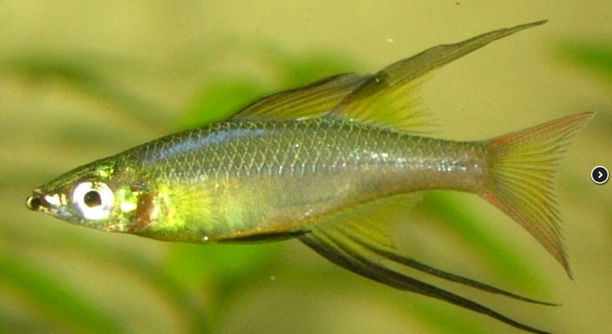
Many aquarists enjoy keeping threadfin fry in their tanks, hoping to see them grow into healthy adults. Despite careful feeding and tank maintenance, these tiny fish often fail to survive past their early days in captivity.
Threadfin fry often fail due to a combination of environmental stress, poor water quality, inadequate nutrition, and predation. Additionally, improper temperature, overcrowding, and lack of suitable shelter significantly reduce their survival rates, making early care critical for their development.
Understanding these common threats will help hobbyists improve their care strategies and increase the chances of raising strong, thriving threadfin fry.
Poor Water Quality
Poor water quality is one of the biggest challenges for threadfin fry. Even slight changes in pH, ammonia, or nitrate levels can stress the fry and weaken their immune system. Many hobbyists overlook how sensitive these tiny fish are. Dirty water encourages the growth of harmful bacteria and parasites. Regular testing and partial water changes are essential. Maintaining stable temperature and oxygen levels also plays a key role. A sudden shift in water parameters can shock the fry, sometimes fatally. Filtration must be gentle, as strong currents can harm delicate fry. Avoid overcrowding, which worsens water conditions quickly. Using dechlorinated or conditioned water helps prevent chemical stress. Observing the fry daily can reveal early signs of poor water quality, like sluggish swimming or gasping at the surface. Investing time in water care ensures a healthier environment. Consistency is more important than perfection, as tiny fluctuations can have a large impact on survival.
Monitoring water parameters closely prevents unnecessary losses.
Keeping water clean and stable improves fry health, supports growth, and reduces disease risk. With consistent care, fry develop stronger immune systems and are more likely to thrive. Even small tanks benefit from careful water management, ensuring that every fry has a safe environment to grow. Providing hiding spaces and gentle filtration creates comfort and reduces stress, while regular observation allows early intervention if problems arise. Water changes, temperature control, and careful feeding all contribute to survival. Understanding and maintaining water quality directly influences overall fry development, longevity, and activity levels. This attention to detail transforms a fragile setup into a supportive habitat. Over time, proper water care becomes a routine part of raising threadfin fry, making survival more achievable and growth more reliable.
Inadequate Nutrition
Threadfin fry require frequent feedings of tiny, nutrient-rich food. Missing even one meal can affect growth and survival.
Many fry die because they cannot access food easily. They need live or finely crushed feeds suitable for their size. Feeding too little slows growth, while overfeeding pollutes water and encourages disease. Fry have fast metabolisms, so multiple small feedings per day are ideal. High-quality food supports development, strengthens immune systems, and improves energy levels. Observing feeding habits helps ensure all fry are eating. Sometimes weaker fry are outcompeted and need isolated feeding. Rotating foods like infusoria, baby brine shrimp, or commercial microfoods ensures balanced nutrition. Avoid sudden changes, as fry are sensitive to new diets. Gentle, consistent feeding routines are key. Over time, well-fed fry grow faster, resist disease, and adjust better to their environment. Proper nutrition is a critical factor in reducing mortality and encouraging strong, healthy development during the early weeks.
Temperature Fluctuations
Threadfin fry are highly sensitive to sudden changes in temperature. Even a few degrees can stress them, slow growth, or lead to death. Stable warmth is essential for metabolism and immune function.
Maintaining consistent temperature is crucial for survival. Fry are ectothermic, meaning their body temperature relies on the water. Sudden drops or spikes can shock their system, reduce appetite, and make them vulnerable to disease. Using a reliable heater and thermometer helps keep conditions steady. Avoid placing tanks near windows, vents, or areas with drafts. Even minor fluctuations during water changes can harm fry, so pre-warming or cooling replacement water is necessary. Monitoring daily ensures immediate action if readings drift. Stability supports digestion, activity, and overall development. Over time, fry exposed to steady temperatures show stronger growth patterns and better survival rates compared to those in inconsistent conditions.
Temperature consistency affects behavior, feeding, and energy levels. Fry in stable water swim more actively, feed reliably, and resist stress-related illness.
Overcrowding
Overcrowding increases stress, reduces oxygen, and makes feeding difficult. Fry need space to swim and grow without constant competition.
Crowded conditions heighten aggression and competition for limited food. Weaker fry often get pushed aside, reducing survival rates. High density also accelerates waste buildup, deteriorating water quality quickly. Adequate space allows fry to establish territories, reduces injuries, and ensures everyone can access food. Even in small tanks, dividing fry into groups or using breeding nets can prevent overcrowding. Proper stocking density keeps stress levels low and supports healthy development. Observing interactions helps identify when space adjustments are needed. Providing hiding spots and plants can reduce tension.
Well-managed space encourages natural behavior, better growth, and stronger immune systems. Healthy fry are active, alert, and more resilient, making careful population control essential for their survival.
Predation
Fry are extremely vulnerable to predators, including larger fish and even their own species. Without protection, many do not survive past the first few days.
Providing hiding spots and separating fry from adult fish reduces losses. Dense plants, mesh barriers, or breeding nets offer safety and lower stress.
Improper Tank Setup
A tank with poor structure can harm fry. Sharp decorations, strong currents, or lack of cover increases stress and injuries. Fry need calm water, smooth surfaces, and areas to hide. Plants or floating cover help them feel secure. Even small adjustments improve survival.
Disease
Fry are highly susceptible to infections. Poor hygiene, contaminated food, or stress can trigger illness, often spreading quickly through the tank.
How can I improve the survival rate of threadfin fry?
Providing stable water conditions, consistent temperature, and clean water is the first step. Small, frequent feedings with appropriate live or micro foods ensure proper nutrition. Using gentle filtration and adding hiding places reduces stress. Separating fry from adult fish prevents accidental predation. Regular observation allows early intervention if problems arise.
What is the ideal water temperature for threadfin fry?
Threadfin fry thrive in a stable range, usually between 26–28°C (78–82°F). Sudden fluctuations can shock them, slow growth, or cause death. Use a reliable heater and thermometer to monitor conditions. Avoid placing tanks near windows, air vents, or drafts that can cause rapid changes.
How often should I feed threadfin fry?
Fry have fast metabolisms and require multiple feedings daily. Small amounts every two to three hours are ideal for young fry. Overfeeding can pollute water, while underfeeding slows growth and weakens immune systems. Rotate foods such as infusoria, baby brine shrimp, and finely crushed microfoods for balanced nutrition.
What types of food are best for threadfin fry?
Live foods like infusoria, microworms, and baby brine shrimp provide essential nutrients and stimulate natural hunting behavior. As fry grow, finely crushed commercial microfoods can supplement their diet. High-quality food supports growth, strengthens immunity, and improves energy. Gradually introduce new foods to prevent stress and digestive issues.
How do I prevent disease in threadfin fry?
Maintain clean water and proper feeding routines. Avoid overcrowding and remove uneaten food promptly. Quarantine new fish to prevent introducing pathogens. Observe fry daily for signs of illness, such as lethargy, discoloration, or unusual swimming patterns. Early detection and intervention are crucial to minimize losses.
Why do threadfin fry often fail despite careful care?
Even with careful feeding and water management, fry are fragile. Stress, minor temperature fluctuations, overcrowding, poor water quality, and lack of shelter all contribute. Predation, both from adult fish and other fry, further reduces numbers. Consistent observation and adjustments are needed to improve survival rates.
How can I protect fry from predation?
Separate fry from adult fish and more aggressive species using breeding nets, mesh barriers, or dedicated fry tanks. Add dense plants, floating cover, or small hiding spots to reduce stress and provide safe areas for the fry to retreat. Proper setup allows fry to feed and grow without constant threat.
When should I move fry to a larger tank?
Move fry when they are strong swimmers and can feed well on their own. Ensure the larger tank has stable water conditions, gentle filtration, and enough hiding spots. Gradual acclimation helps reduce stress, and avoiding overcrowding ensures proper growth and development in the new environment.
How do I know if fry are stressed?
Signs include erratic swimming, gasping at the surface, reduced appetite, and hiding excessively. Stress often results from poor water quality, temperature fluctuations, overcrowding, or lack of hiding spaces. Addressing these issues quickly improves health, growth, and chances of survival.
What are common mistakes new keepers make with threadfin fry?
Common errors include overfeeding, neglecting water testing, overcrowding, and sudden changes in temperature. Many also fail to provide hiding places or separate fry from adult fish. Consistency, observation, and attention to detail are essential to raising healthy fry successfully.
How long does it take for threadfin fry to grow into juveniles?
With proper care, threadfin fry develop rapidly over the first few weeks. Growth rates depend on temperature, feeding, water quality, and stress levels. Providing optimal conditions ensures stronger, healthier juveniles that can better survive the challenges of their early life stages.
Can I use tap water for raising fry?
Tap water must be conditioned to remove chlorine, chloramines, and heavy metals. Using a water conditioner ensures safe water for fry. Testing parameters like pH, ammonia, and nitrite before introducing fry helps prevent early mortality caused by chemical stress or poor water quality.
How important are hiding spaces for fry?
Hiding spaces reduce stress and protect fry from predation. Dense plants, floating cover, or mesh dividers allow fry to feel secure and reduce energy spent hiding in open areas. Stress reduction directly improves feeding, growth, and overall survival rates.
Is it necessary to separate weak fry?
Weak or slow-growing fry are often outcompeted for food and may die if left with stronger fry. Isolating them allows targeted feeding and reduces stress. With proper care, some weaker fry can catch up and develop normally, improving overall survival.
How do I maintain water quality efficiently?
Regular partial water changes, gentle filtration, and monitoring of ammonia, nitrite, and nitrate levels are essential. Avoid overfeeding, remove uneaten food promptly, and maintain stable temperature. Consistency in water care prevents disease, reduces stress, and supports healthy fry development.
What signs indicate healthy growth in fry?
Active swimming, consistent feeding, bright coloration, and steady size increases show healthy development. Fry should respond to food promptly and explore their environment without excessive hiding. Observing these behaviors helps assess whether care routines are effective.
How long do threadfin fry remain delicate?
The first few weeks are the most fragile period. During this time, stable water, proper nutrition, minimal stress, and protection from predation are critical. Once they reach juvenile size, they become hardier but still benefit from good care.
Can stress be reduced without moving fry?
Yes, stress can be minimized by adding plants or floating cover, adjusting water flow, and keeping tank conditions stable. Even small environmental improvements create a sense of safety and reduce energy spent on hiding, which supports growth and survival.
Are all threadfin fry equally vulnerable?
No, weaker or smaller fry are more at risk of predation, starvation, and disease. Providing sufficient food, hiding spaces, and observing individual behavior ensures even vulnerable fry have a chance to survive and thrive.
What is the best way to monitor fry daily?
Observe swimming patterns, feeding behavior, coloration, and response to stimuli. Note any sudden changes in activity or appetite. Regular checks allow early detection of problems like illness, poor water quality, or aggression from other fish, enabling timely intervention.
How can I balance feeding without polluting water?
Feed small amounts frequently and remove uneaten food promptly. Use sinking or slow-dissolving foods to ensure fry can consume it before it decomposes. Balancing nutrition with water cleanliness reduces stress, disease risk, and ensures healthy growth.
What is the most important factor for long-term survival?
Consistent care, including stable water parameters, proper nutrition, gentle tank setup, and protection from predation, has the greatest impact. Observation and timely adjustments ensure fry develop into strong, healthy juveniles capable of thriving in a controlled environment.
How do I know if my tank setup is suitable for fry?
The tank should have stable water, gentle filtration, hiding spaces, and minimal current. Adequate space for swimming and feeding, combined with clean conditions, ensures fry are comfortable and reduces mortality risk. Proper setup supports growth, activity, and overall health.
What steps prevent sudden losses after initial survival?
Maintaining water quality, feeding consistently, monitoring for disease, and minimizing stress prevent unexpected deaths. Gradual changes, careful observation, and separating fry if needed support long-term survival and reduce the likelihood of sudden declines.
How do environmental changes affect fry?
Fry are highly sensitive to fluctuations in temperature, water chemistry, or tank arrangement. Even minor changes can stress them, slow growth, or increase susceptibility to disease. Maintaining a stable, consistent environment is essential for healthy development and survival.
How often should water tests be conducted?
Daily or every other day for ammonia, nitrite, nitrate, and pH is ideal for fry tanks. Frequent testing helps catch problems early, preventing stress, disease, or death. Adjustments can then be made quickly to keep conditions safe and stable.
What is the best way to acclimate new fry?
Gradual introduction to water conditions minimizes shock. Float the bag, slowly mix tank water, and allow fry to adjust over 30–60 minutes. Sudden changes in temperature or chemistry can be fatal, so careful acclimation ensures higher survival rates.
How does lighting affect fry?
Moderate lighting supports feeding and exploration while reducing stress. Too bright lighting can cause hiding and inactivity, while complete darkness may hinder feeding. Floating plants or dimmed lights provide balance and comfort.
Can fry survive without plants or cover?
They can, but survival rates are lower. Lack of hiding spaces increases stress, exposure to aggression, and vulnerability to disease. Even minimal cover helps fry feel secure, feed properly, and grow consistently.
How important is gentle filtration for fry?
Strong currents can injure fry or push them into corners. Gentle filtration maintains water quality without creating turbulence, allowing safe swimming, feeding, and growth. Proper flow supports oxygenation while reducing physical stress.
What adjustments help when fry stop eating?
Check water quality, temperature, and stress levels. Offer live foods or different micro foods to entice feeding. Reduce competition and provide hiding spots. Small changes often restore appetite and prevent starvation.
How do I handle sudden deaths in fry?
Remove dead fry promptly, test water, and observe survivors for signs of disease or stress. Identify causes such as water quality, predation, or illness. Quick action prevents further losses and protects remaining fry.
How can I encourage stronger fry to support weaker ones?
Feed in multiple locations, provide hiding spots, and reduce competition. Avoid overcrowding and monitor interactions. Well-spaced feeding and shelter give weaker fry a chance to access food and grow without constant stress.
Can fry adapt to different tank conditions over time?
Yes, but adaptation is gradual. Sudden changes in water, temperature, or flow can cause stress or death. Gradual adjustments allow fry to acclimate safely and maintain health during environmental shifts.
How long should fry be monitored closely?
The first few weeks are critical. Daily observation ensures early intervention for water quality issues, feeding problems, or stress. Continued monitoring after this period supports ongoing growth and prevents unexpected losses.
What is the role of oxygen levels in fry survival?
Adequate oxygen is essential for metabolism and activity. Low oxygen stresses fry, reduces feeding, and increases susceptibility to disease. Gentle aeration or plants help maintain stable oxygen levels without creating harmful currents.
How can I minimize stress during water changes?
Use pre-conditioned water at the same temperature and add it slowly. Avoid strong currents and sudden movements. Partial changes rather than full swaps help maintain stability and reduce stress for delicate fry.
Are commercial fry foods sufficient on their own?
High-quality micro foods can support growth, but live foods offer nutrients and stimulate natural feeding behaviors. Combining both ensures balanced nutrition, stronger immunity, and better overall development.
What is the recommended tank size for a group of fry?
A small tank can work for the first few weeks if overcrowding is avoided. As fry grow, larger tanks provide swimming space, reduce competition, and improve water stability. Adequate space is essential for survival and healthy development.
How does stress impact long-term growth?
Stress reduces feeding, slows growth, and increases disease risk. Fry under constant stress may fail to reach juvenile size or develop properly. Minimizing stress through stable conditions, proper nutrition, and protection from aggression is crucial.
What signs show fry are thriving?
Active swimming, consistent feeding, healthy coloration, and steady growth indicate thriving fry. They interact with the environment, explore, and respond quickly to food. These behaviors show care routines are effective and survival rates are improving.
How often should hiding spots be rearranged?
Minimal rearrangement is best. Sudden changes can stress fry. Occasional adjustments for cleaning or growth accommodate space needs while maintaining a familiar, safe environment that encourages feeding and activity.
Is it necessary to use live plants for fry survival?
Not strictly necessary, but they provide hiding, reduce stress, and improve water quality. Live or artificial plants create secure areas, helping fry feed, grow, and avoid predation. Proper placement improves survival rates.
How can I tell if fry are receiving enough food?
Observe swimming activity and growth. Fry should actively chase food and show steady size increase. Uneaten food indicates overfeeding, while slow growth or weak fry signals underfeeding. Balanced portions support health without polluting water.
What adjustments help when water quality fluctuates?
Perform partial changes with pre-conditioned water, reduce feeding, and check filtration. Testing parameters frequently allows early detection of ammonia, nitrite, or nitrate spikes. Maintaining stability prevents stress, disease, and fry loss.
Can temperature changes be managed without a heater?
Small tanks may experience rapid fluctuations, so a heater is recommended. Without it, positioning tanks away from drafts or direct sunlight helps reduce sudden shifts. Stability remains key to survival.
How do I prevent fry from being outcompeted?
Feed multiple times in small portions, provide hiding spots, and separate weaker fry if needed. Balanced feeding and adequate space ensure all fry access nutrition and reduce mortality from competition.
Is quarantine necessary for new fry introductions?
Yes, isolating new fry prevents disease transfer. Gradual introduction after monitoring ensures healthy integration without exposing existing fry to illness or stress.
How can I tell if weak fry are improving?
Improved swimming, regular feeding, brighter coloration, and weight gain indicate recovery. Consistent monitoring ensures interventions are effective and survival chances increase.
What is the best method for cleaning fry tanks?
Gentle water changes, removal of uneaten food, and soft cleaning of decorations prevent debris buildup. Avoid disturbing fry or creating strong currents. Clean, stable conditions support healthy growth.
How does lighting schedule affect fry?
A moderate day-night cycle supports feeding and rest. Excessive light increases stress, while darkness may limit activity. Consistent timing encourages natural behaviors and improves survival.
Can fry recover from mild stress?
Yes, with stable water, proper feeding, and reduced aggression, fry can regain strength. Quick intervention prevents long-term health effects.
How do I prevent overcrowding in small tanks?
Divide fry into groups or use separate rearing containers. Even distribution reduces competition, lowers stress, and prevents water quality deterioration. Proper planning ensures optimal growth conditions.
What are signs of successful acclimation to a new tank?
Active swimming, feeding normally, exploring hiding spots, and maintaining coloration indicate successful adjustment. Fry adapt gradually without showing stress behaviors like gasping or erratic swimming.
How can I balance food variety without stress?
Introduce new foods slowly and in small amounts. Rotate live and commercial microfoods to ensure nutrition while preventing digestive upset. Gradual changes minimize stress and support steady growth.
What is the most effective way to monitor fry health?
Daily observation of swimming, feeding, coloration, and behavior helps detect problems early. Noting changes allows prompt action to prevent disease or stress-related mortality.
How important is patience in raising threadfin fry?
Patience is critical. Fry require careful attention, consistent care, and gradual adjustments. Hasty changes or overhandling increase stress, reducing survival rates. Steady routines improve growth and long-term health.
Can fry survive minor mistakes in care?
Yes, occasional small errors can be corrected if caught early. Quick adjustments in water quality, feeding, or tank setup prevent permanent harm. Consistency remains more important than perfection.
How do I know when fry are ready for juvenile care?
When they swim actively, feed reliably, and maintain coloration, fry are ready. Transitioning to a larger tank with stable conditions ensures continued growth and reduces mortality risks.
What is the best overall strategy for survival?
Consistent water quality, proper nutrition, gentle tank setup, hiding spots, and protection from predation form the core strategy. Daily observation, patience, and timely adjustments ensure threadfin fry develop into healthy juveniles with higher survival rates.
How do I manage multiple groups of fry?
Separate groups by age or size to reduce competition. Provide adequate space, hiding spots, and feeding areas. Monitor each group individually for growth, health, and stress indicators. Organized management improves survival across all groups.
What is the role of observation in daily care?
Observation allows early detection of disease, stress, or feeding issues. Watching behavior, appetite, and activity helps prevent problems and ensures interventions are timely. Consistent attention is essential for raising healthy fry.
How long should monitoring continue after fry reach juvenile stage?
Continue careful observation for a few weeks until growth stabilizes. Juveniles are more resilient but still benefit from consistent care, proper feeding, and stable environmental conditions to prevent setbacks.
Can minor changes in feeding schedule impact survival?
Yes, fry are sensitive to routine changes. Sudden gaps or irregular feeding can stress them, slow growth, or increase mortality. Small, consistent meals maintain energy, promote growth, and support immune function.
What should I do if a disease outbreak occurs?
Isolate affected fry, improve water quality, and provide appropriate treatment. Early action limits spread and reduces mortality. Monitoring healthy fry closely prevents further losses.
How do I know if hiding spots are sufficient?
Fry should feel secure, swim actively, and have multiple retreat options. Observing behavior indicates whether additional cover or rearrangement is needed. Proper shelter reduces stress and encourages feeding.
Can fry survive short-term stress events?
Minor, brief stress can be tolerated if water, temperature, and nutrition remain stable afterward. Recovery depends on prompt correction of the stress source and continued care.
What adjustments help if water chemistry changes unexpectedly?
Partial water changes with pre-conditioned water, reducing feeding, and monitoring filtration help restore balance. Immediate attention prevents stress, disease, or mortality.
How do I ensure even growth among fry?
Feed multiple times in small portions, provide ample space, and separate weaker fry if needed. Hiding spots and balanced access to food promote uniform development.
What is the most common cause of sudden fry death?
Sudden deaths often result from poor water quality, temperature shocks, disease, or predation. Prompt identification and correction of environmental or health issues can prevent widespread loss.
How important is tank stability overall?
Tank stability—water quality, temperature, flow, and minimal disturbance—is essential. Consistency reduces stress, supports feeding, and improves growth. Unstable conditions lead to disease, slow development, and high mortality.
Can minor injuries affect fry survival?
Yes, even small injuries increase vulnerability to infection, stress, and predation. Smooth tank surfaces, gentle handling, and safe decor reduce the risk.
How do I track progress over time?
Monitor size, activity, coloration, and feeding behavior. Keeping notes or photographs helps evaluate growth trends and detect early signs of problems. Consistent tracking ensures timely intervention.
What is the role of patience in feeding routines?
Patience ensures small, frequent feedings without overfeeding. Observing each fry’s behavior during meals allows adjustments, reduces stress,
Raising threadfin fry can be both rewarding and challenging. These tiny fish are extremely sensitive to their environment, and even small mistakes can affect their survival. Factors like water quality, temperature, nutrition, and stress all play a role in determining whether fry thrive or fail. Paying attention to these elements consistently can make a big difference. Even experienced keepers sometimes face losses, so it’s important to accept that some fry may not survive despite careful care. Understanding the reasons behind mortality helps improve practices over time, giving future batches a better chance. Observing the fry closely every day allows for quick corrections when problems arise. Small, consistent efforts like testing water, feeding appropriately, and maintaining hiding spaces gradually build a stable environment for the fry to grow. Stability is more important than perfection, and a patient approach usually results in healthier, stronger fish.
Providing proper nutrition is one of the most critical aspects of raising threadfin fry. They need frequent feedings of tiny, nutrient-rich food to support rapid growth and development. Using live foods like infusoria or baby brine shrimp, combined with high-quality microfoods, ensures they get balanced nutrition. Overfeeding should be avoided because leftover food can pollute the water and increase disease risk. Underfeeding can slow growth and weaken the fry, leaving them more susceptible to illness. A consistent feeding routine helps maintain energy levels and supports proper development. Watching the fry while they eat also allows you to identify weaker individuals who may need special attention. Ensuring all fry have access to food and are growing steadily contributes to a stronger overall group. Nutrition and water care go hand in hand, as healthy fry are better able to tolerate minor environmental changes and stress.
Creating a safe and stable environment is equally important. Fry are vulnerable to predation, overcrowding, and stress caused by sudden changes in water or tank setup. Providing hiding spots, gentle filtration, and separating them from larger fish increases survival chances. Gradually acclimating fry to new conditions and monitoring for signs of illness reduces mortality. Every detail, from temperature stability to feeding schedules and tank arrangement, affects how well fry grow. Patience, careful observation, and consistency are key to supporting their development. While raising threadfin fry requires attention and effort, the results are rewarding. By maintaining stable water, providing proper nutrition, reducing stress, and protecting them from threats, it is possible to raise strong, healthy fry that reach juvenile stages successfully. Over time, these practices become routine and create a reliable system for future batches, improving both survival rates and overall fish health.

Hello,
If you enjoy the content that we create, please consider saying a "Thank You!" by leaving a tip.
Every little bit helps us continue crafting quality advice that supports the health, happiness, and well-being of pets around the world, for pets of all shapes, sizes, and species.
We really appreciate the kindness and support that you show us!