
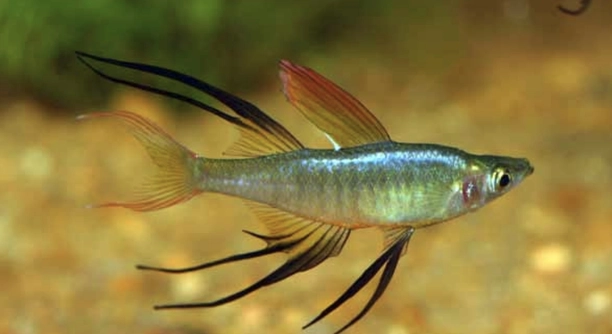
Threadfins are known for their striking appearance and active behavior, especially during spawning. Many aquarists struggle to maintain a calm environment, as these fish can become highly territorial and aggressive when reproducing.
Providing adequate space, maintaining stable water conditions, and minimizing disturbances are essential to keep threadfins peaceful during spawning. Structured feeding schedules, careful tank arrangement, and monitoring interactions reduce stress and aggression, supporting natural behaviors and overall health in a controlled environment.
These methods will help ensure your threadfins remain calm and healthy while allowing their natural spawning behaviors to occur without conflict.
Understanding Threadfin Behavior
Threadfins are naturally active fish, and their behavior changes significantly during spawning. They become more territorial, often chasing or nipping at other fish. Observing their behavior closely is essential to prevent injuries. Recognizing signs such as flaring fins, rapid swimming, and sudden aggression helps aquarists prepare and intervene when necessary. Threadfins respond strongly to their environment, so maintaining stable water conditions is critical. Proper tank size reduces stress by giving each fish its own space. Decorations and hiding spots also play a role, as they allow fish to retreat when tensions rise. Feeding patterns influence behavior as well; irregular feeding can increase aggression. By understanding their instincts and environmental triggers, it becomes possible to create a balanced habitat that minimizes conflict. Continuous observation and adjustment ensure the fish remain healthy, calm, and able to spawn naturally. A proactive approach reduces the risk of injuries and improves overall tank harmony.
Observing these patterns daily helps prevent serious conflicts and keeps your threadfins healthier and calmer.
Creating a calm environment involves combining adequate space, proper feeding, and structured tank design. Hiding spots like plants or rocks allow less dominant fish to escape tension, reducing injuries. Consistent water parameters, including temperature, pH, and oxygen levels, prevent stress that can trigger aggression. Even small adjustments, such as spacing decorations or reducing sudden movements around the tank, make a noticeable difference. Feeding smaller portions more frequently can limit competition during meal times. Monitoring fish interactions ensures that aggressive individuals do not harm others. Maintaining a routine supports natural behaviors while keeping the tank peaceful. Threadfins, when provided with the right environment, can spawn successfully without excessive conflict, resulting in a healthier and more visually appealing aquarium.
Tank Preparation for Spawning
Proper tank setup is essential before threadfins begin spawning. Space, water quality, and hiding areas must be prioritized to reduce stress and aggression.
Preparing a tank requires careful consideration of size, filtration, and layout. A tank that is too small will amplify aggression, while a well-structured environment allows fish to establish territories and retreat when needed. High-quality filtration ensures clean, oxygen-rich water, which supports health and reduces stress. Decorations should provide both open swimming areas and shelters, such as plants or rocks. Separating aggressive individuals temporarily can also prevent injuries. Lighting schedules should mimic natural conditions, promoting natural spawning behavior without overstimulating the fish. Regular maintenance, including water changes and substrate cleaning, further enhances tank stability. Monitoring behavior closely during this period allows for timely adjustments and ensures peaceful interactions. By addressing these factors proactively, aquarists can encourage calm spawning, minimize stress-related aggression, and support the long-term health of all tank inhabitants.
Feeding Strategies During Spawning
Feeding threadfins regularly with high-quality food reduces aggression and keeps them healthy. Smaller, frequent meals prevent competition and ensure all fish get proper nutrition during stressful spawning periods.
Balanced diets that include live, frozen, or pellet foods support reproductive health and maintain energy levels. Overfeeding can cause water quality issues, increasing stress and aggression. Offering a variety of foods ensures fish receive all essential nutrients, which helps maintain calm behavior. Timing meals consistently also reduces chasing and squabbling, as fish learn when to expect food. Monitoring feeding behavior allows adjustments if certain fish are being bullied or missing meals, preventing unnecessary stress. Proper feeding is a simple yet effective method to keep threadfins peaceful and healthy.
Using feeding as a behavioral tool allows you to manage aggression without interfering with natural interactions. Structured feeding schedules can reduce tension, providing a calmer environment for spawning.
Monitoring Water Conditions
Maintaining stable water conditions is crucial for keeping threadfins calm. Sudden changes in temperature, pH, or oxygen levels trigger stress and aggression. Regular testing ensures parameters remain within safe ranges.
Temperature consistency is vital, as even small fluctuations can alter behavior and reduce spawning success. pH stability supports fish health and prevents stress-induced aggression. Oxygen levels must remain high, particularly during spawning, when activity increases. Frequent water changes and quality filtration remove waste and toxins that could otherwise heighten conflicts. Observing fish responses to water adjustments helps identify stress triggers early. A well-maintained tank minimizes aggression, improves health, and supports natural reproductive behaviors. Maintaining this environment requires attention but greatly benefits fish well-being.
Checking water daily ensures early detection of issues, keeping the environment safe and calm for spawning threadfins.
Managing Tank Crowding
Keeping the tank properly stocked reduces stress and aggression among threadfins. Overcrowding increases competition for space and resources, which can lead to fights during spawning.
Providing adequate swimming areas and hiding spots allows each fish to claim its territory. Proper spacing between individuals minimizes direct confrontations and helps maintain a calm environment.
Adjusting Lighting
Moderate lighting supports natural behavior without causing overstimulation. Bright or fluctuating light can trigger stress and aggression. Properly timed lighting helps fish establish routines and reduces unnecessary conflicts during spawning periods.
Temporary Separation
Separating overly aggressive individuals temporarily prevents injuries and stress. This intervention is crucial when some fish dominate feeding or territory, ensuring all threadfins remain safe and calm during spawning activities.
FAQ
How often should I feed threadfins during spawning?
Feeding threadfins two to three times a day in small portions helps reduce aggression and ensures all fish receive adequate nutrition. Overfeeding can harm water quality, which may increase stress, so maintaining balanced, consistent meals is key.
What is the ideal tank size for multiple threadfins?
A larger tank provides enough space for each fish to establish territory, reducing fights. At least 100 gallons is recommended for a group, with extra room for swimming and hiding spots. Adequate space helps maintain calm behavior during spawning periods.
Which water parameters are most important to monitor?
Temperature, pH, and oxygen levels are crucial. Sudden changes can trigger aggression and stress. Keep water stable within recommended ranges for threadfins. Regular testing and maintenance help ensure a healthy, peaceful environment.
How can hiding spots help during spawning?
Hiding spots like plants, rocks, or ornaments allow less dominant fish to retreat from aggressive individuals. Providing multiple shelters reduces stress, prevents injuries, and allows natural interactions to occur without constant confrontations.
Is it necessary to separate aggressive fish?
Yes, temporary separation can prevent injuries. Aggressive fish can dominate feeding or territory, creating stress for others. Separating them allows the group to remain calm while minimizing the risk of physical harm during spawning.
Can lighting affect threadfin behavior?
Moderate and consistent lighting helps maintain natural routines. Bright or fluctuating lights can overstimulate fish, causing aggression. Timed lighting schedules that mimic natural day and night cycles encourage calmer behavior during spawning.
What types of food are best for spawning threadfins?
High-quality pellets, frozen, or live foods provide essential nutrients. A varied diet supports energy levels and reproductive health. Offering multiple food types ensures balanced nutrition while reducing competition and aggression during meal times.
How do I know if water quality is causing stress?
Signs include increased aggression, unusual swimming patterns, loss of appetite, or faded coloration. Regular testing for ammonia, nitrite, nitrate, and pH helps detect problems early, allowing timely corrective measures to maintain a calm environment.
Does tank layout influence spawning behavior?
Yes, open swimming areas combined with shelters reduce conflicts. Proper arrangement allows fish to claim territories, retreat when threatened, and interact naturally without constant aggression, improving overall tank harmony.
How can I minimize fighting without interfering with natural behavior?
Providing space, hiding spots, stable water, and a structured feeding schedule reduces tension naturally. Occasional temporary separation of aggressive fish may be necessary, but maintaining consistent environmental conditions allows threadfins to spawn peacefully with minimal interference.
Are there signs that spawning is approaching?
Threadfins may become more active, chase each other, flare fins, or display bright coloration. Observing these behaviors allows timely adjustments in feeding, water management, and tank layout to support a calm spawning period.
How long does spawning typically last?
Spawning duration varies by species and individual fish but generally spans several days to a week. Maintaining consistent care, feeding, and water quality throughout this period is essential to reduce stress and prevent conflicts.
What should I do if aggression persists despite all measures?
Evaluate tank size, stocking levels, and hiding spaces. Aggressive individuals may need permanent separation. Monitoring water quality and diet is crucial. Adjustments in environment or social grouping can restore calm and support successful spawning while protecting all fish.
Can stress affect egg viability?
Yes, stressed threadfins may produce fewer eggs or unhealthy fry. Minimizing aggression, maintaining water stability, and providing a suitable environment improves reproductive success and overall fish health.
How do I balance multiple adult threadfins in one tank?
Provide ample space, hiding spots, and structured feeding. Monitor interactions closely and separate aggressive fish temporarily. Consistent care and observation ensure all adults coexist peacefully and spawning occurs without excessive conflict.
This FAQ addresses common concerns and practical strategies to maintain calm behavior and support successful spawning in threadfins, focusing on care, environment, and monitoring practices.
Final Thoughts
Keeping threadfins peaceful during spawning requires a combination of careful planning, consistent care, and attention to detail. These fish are naturally active and territorial, so it is normal for some level of competition to appear. However, by providing enough space, stable water conditions, and structured feeding, most aggressive behavior can be minimized. Tank size plays a major role in reducing conflicts. Larger tanks allow each fish to claim a territory and retreat when necessary, which lowers stress. Decorations, plants, and rocks also help by creating natural hiding spots. Observing the fish regularly helps you notice early signs of tension before fights occur. Even small changes, such as adjusting feeding times or moving a rock to create a new hideaway, can make a noticeable difference in the behavior of your threadfins. Consistency in routine, including feeding and water maintenance, is key to keeping the tank calm throughout the spawning period.
Water quality and environment stability are equally important for a peaceful aquarium. Threadfins are sensitive to changes in temperature, pH, and oxygen levels, and sudden fluctuations can trigger aggression. Regular water testing ensures that parameters stay within safe ranges, protecting fish health while reducing stress. Filtration and water changes also remove waste and toxins that could otherwise increase tension in the tank. Monitoring the fish for unusual behavior, such as erratic swimming or persistent chasing, can help identify stressors early. Structured lighting schedules that mimic natural day and night cycles prevent overstimulation and support normal activity patterns. All of these factors together create a controlled environment in which threadfins can behave naturally without excessive aggression, which is crucial for successful spawning.
Feeding and social management complete the approach to maintaining calm threadfins. Providing high-quality food in small, frequent portions ensures proper nutrition while reducing competition. A varied diet supports energy levels and reproductive health, while careful observation during feeding prevents bullying or exclusion of less dominant fish. Temporary separation of particularly aggressive individuals can also protect the group, giving them space to settle. Balancing multiple adults in one tank requires patience and attention, but the benefits are worth it. When each fish has room to establish territory, access to hiding spots, stable water conditions, and consistent feeding, the aquarium remains peaceful. Following these strategies helps threadfins spawn naturally without unnecessary stress or injury. A calm and well-maintained tank not only improves fish health but also creates a more enjoyable and visually appealing environment for the aquarist, allowing the natural beauty and behaviors of the threadfins to be fully appreciated.

Hello,
If you enjoy the content that we create, please consider saying a "Thank You!" by leaving a tip.
Every little bit helps us continue crafting quality advice that supports the health, happiness, and well-being of pets around the world, for pets of all shapes, sizes, and species.
We really appreciate the kindness and support that you show us!