
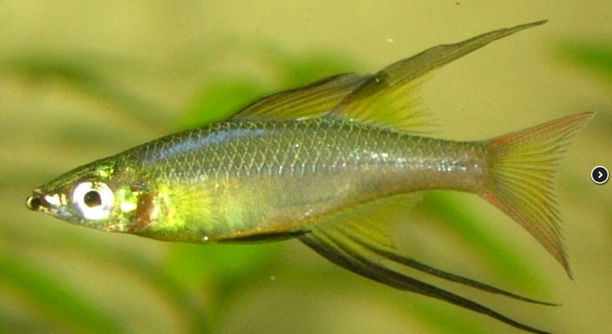
Have you ever considered adding a splash of color to your Fluval Edge tank with small, lively fish? Threadfin Rainbowfish are known for their shimmering scales and active swimming, making them a popular choice for aquarists.
Threadfin Rainbowfish can adapt to Fluval Edge tanks if proper care is provided, including stable water parameters, adequate swimming space, and a compatible community. Their moderate size and peaceful temperament make them suitable for small, well-maintained aquariums.
Learning how to create a balanced environment for these fish will help you maintain both their health and the beauty of your tank.
Tank Size and Setup Considerations
Fluval Edge tanks are compact and stylish, but their size can pose challenges for Threadfin Rainbowfish. These fish are active swimmers, and they need enough horizontal space to move freely. A 12-liter tank is usually too small, while a 23-liter or larger Edge tank can support a small group. Adding plants, rocks, and driftwood can create hiding spots, which helps reduce stress. Lighting should mimic a natural day-night cycle to encourage healthy activity, and a gentle filter is essential to maintain clean water without creating strong currents. Regular water changes are necessary to keep ammonia and nitrate levels low. These fish prefer slightly acidic to neutral water, with stable temperatures between 24°C and 28°C. Proper substrate, like fine gravel or sand, allows for natural foraging behavior. The key is balancing aesthetics with functionality so the fish have room to swim while keeping the tank visually appealing.
Small groups of at least five fish are recommended to prevent loneliness and aggression.
Keeping Threadfin Rainbowfish in a Fluval Edge requires careful planning. Their active nature means overcrowding can lead to stress and disease. Plants provide cover, and rocks or driftwood offer hiding spaces, which reduces tension in the tank. The tank should be cleaned regularly, and water parameters must remain stable. Avoid sharp decorations that could injure the fish. Feeding should be consistent, offering a mix of flakes, pellets, and occasional live or frozen foods. Monitoring behavior helps detect early signs of stress or illness. A well-planned tank enhances both the health of the fish and the tank’s overall appearance. Balancing swimming space with decor ensures they feel secure. Lighting should support plant growth while avoiding excessive heat. Regularly checking water pH, temperature, and filtration keeps the environment suitable. These steps create a stable habitat that encourages natural behavior, vibrant coloration, and social interaction among the Rainbowfish. Over time, careful attention helps maintain a thriving small aquarium community.
Diet and Feeding Tips
Threadfin Rainbowfish need a varied diet to stay healthy and colorful.
Feeding them high-quality flakes, micro-pellets, and occasional frozen foods provides essential nutrients. Overfeeding should be avoided, as leftover food can degrade water quality. A consistent feeding schedule supports growth and vitality.
It is important to observe how your fish respond to different foods. They often enjoy small live or frozen options like brine shrimp or daphnia, which add protein and variety. Vegetables such as blanched spinach or zucchini can supplement their diet, ensuring balanced nutrition. Portion control is key; feed only what they can consume in a few minutes to prevent water pollution. Rotating food types helps maintain interest and enhances coloration. Hydration and digestion are affected by diet quality, so fresh, high-quality ingredients improve overall health. Monitoring feeding habits also reveals early signs of stress or illness, as changes in appetite can indicate problems. Establishing a feeding routine supports both the fish’s well-being and the cleanliness of the Fluval Edge tank, creating a stable and visually appealing aquarium environment.
Water Parameters and Maintenance
Threadfin Rainbowfish need clean, stable water to thrive. Maintaining a temperature between 24°C and 28°C and a pH of 6.5–7.5 ensures their health. Regular water changes are crucial to prevent buildup of toxins and keep the tank balanced.
Consistency in water conditions is key for these fish. Sudden changes in temperature, pH, or hardness can stress them, making them more prone to disease. A gentle filter prevents strong currents while keeping the water clear. Testing water weekly for ammonia, nitrites, and nitrates helps maintain a safe environment. Using dechlorinated water during changes is essential, and keeping the tank free of decaying food reduces algae growth. Regular maintenance promotes natural behavior, vibrant colors, and active swimming. Observing the fish during water changes also helps identify early signs of stress or illness, allowing timely intervention.
Adding live plants improves water quality by absorbing excess nutrients and provides hiding spots. Fast-growing species like hornwort or floating plants can help stabilize parameters. Monitoring filtration, adjusting flow, and ensuring proper aeration are all critical for small tanks like the Fluval Edge. Even minor neglect can impact the health of Threadfin Rainbowfish.
Tankmates and Compatibility
Peaceful species are ideal tankmates for Threadfin Rainbowfish. Avoid aggressive or fin-nipping fish that could stress them. Small tetras, rasboras, and peaceful bottom dwellers coexist well in a community setup.
Choosing compatible fish helps reduce stress and maintains a balanced aquarium. Overcrowding should be avoided, as limited space in Fluval Edge tanks can increase tension. Monitor interactions, especially in the first weeks, to ensure harmony. Introducing new fish slowly and quarantining them beforehand prevents disease outbreaks. Live plants provide cover and reduce territorial disputes, while decorations create boundaries within the tank. Selecting species of similar size and temperament supports healthy social behavior. A well-planned community tank encourages natural swimming patterns, feeding routines, and vibrant coloration. Proper attention to tankmate compatibility ensures a peaceful, visually appealing environment for all residents.
Breeding Threadfin Rainbowfish
Threadfin Rainbowfish can be bred in home aquariums if water conditions are stable. They prefer slightly acidic to neutral water, dense plants, and calm surroundings for spawning.
Providing fine-leaved plants or spawning mops gives eggs a safe place to develop. Adults should be monitored to prevent them from eating the eggs.
Behavior and Social Needs
These fish are naturally schooling and feel safest in groups of five or more. Their activity and color improve with company, and a well-structured tank reduces stress. They interact frequently, chasing each other gently and exploring their environment together.
Common Health Issues
Threadfin Rainbowfish are generally hardy but can develop problems if water quality is poor. Watch for signs of fin rot, stress, or unusual swimming patterns. Maintaining clean water and proper diet prevents most issues and ensures long-term health.
Ideal Decor and Plants
Dense plants, driftwood, and smooth rocks offer hiding spots and reduce stress. Avoid sharp objects that can injure fins or scales.
FAQ
How many Threadfin Rainbowfish can I keep in a Fluval Edge tank?
In a small Fluval Edge tank, like the 23-liter version, a group of five to six is recommended. These fish are active swimmers and need enough space to move freely. Overcrowding causes stress, which can lead to illness and dull coloration.
Can Threadfin Rainbowfish live with other fish?
Yes, they can coexist with peaceful community fish of similar size. Small tetras, rasboras, and Corydoras catfish are good options. Avoid aggressive or fin-nipping species, as these can injure the Rainbowfish and create a stressful environment.
What is the best diet for Threadfin Rainbowfish?
A varied diet is essential. High-quality flakes, micro-pellets, and occasional frozen or live foods like brine shrimp or daphnia provide protein. Adding blanched vegetables like zucchini or spinach ensures balanced nutrition. Feed only what they can eat in a few minutes to prevent leftover waste.
How often should I change the water?
Weekly water changes of 20–30% are ideal for Fluval Edge tanks. Regular water changes remove toxins, maintain stable pH, and support overall fish health. Always use dechlorinated water, and try to match temperature to avoid shocking the fish.
What water parameters are best for Threadfin Rainbowfish?
Maintain a temperature between 24°C and 28°C and a pH of 6.5–7.5. Slightly soft to moderately hard water is preferred. Stable parameters are crucial, as sudden changes can stress the fish and increase susceptibility to disease.
Do Threadfin Rainbowfish need a heater and filter?
Yes. A heater ensures a stable temperature, which is vital for their metabolism and immune system. A gentle filter keeps the water clean without creating strong currents, as these fish prefer calmer swimming conditions.
Can they breed in a Fluval Edge tank?
Breeding is possible if water is stable and conditions are ideal. Provide dense plants or spawning mops for eggs. Remove adults after spawning to prevent them from eating the eggs. Fry should be fed fine, protein-rich foods once hatched.
How can I tell if my fish is stressed?
Signs of stress include clamped fins, faded color, erratic swimming, or hiding more than usual. Stress often results from poor water quality, overcrowding, or incompatible tankmates. Identifying the cause quickly can prevent illness and maintain vibrant fish.
Are live plants necessary for this species?
While not mandatory, live plants improve water quality, reduce stress, and provide hiding spaces. Fast-growing species like hornwort, Java moss, or floating plants are ideal. They also create natural boundaries, reducing territorial disputes among the fish.
What tank decorations are safe for Threadfin Rainbowfish?
Smooth rocks, driftwood, and fine substrate are safe. Avoid sharp or rough decorations that could tear fins. Decorations should provide hiding spots without reducing swimming space, as active movement is critical for their health and well-being.
How long do Threadfin Rainbowfish live?
With proper care, they typically live five to eight years. Maintaining stable water parameters, a balanced diet, and a low-stress environment contributes to a long, healthy life. Regular monitoring helps catch problems early.
Do they need a specific light cycle?
A consistent day-night light cycle of around 10–12 hours helps regulate their behavior. Proper lighting supports natural activity and enhances coloration. Avoid sudden changes, as rapid shifts can stress the fish.
Can I keep them in a planted Fluval Edge aquascape?
Yes, they thrive in planted tanks. Plants provide cover, reduce stress, and improve water quality. Choose sturdy, easy-to-maintain plants to avoid constant replacement. Combining plants with smooth decorations creates a balanced, visually appealing environment for both fish and plants.
Are they suitable for beginners?
Threadfin Rainbowfish are moderately easy to care for. They require stable water conditions, a varied diet, and peaceful tankmates. Beginners who monitor water quality and provide proper space can successfully maintain these colorful, lively fish.
How do I introduce new fish to the tank?
Quarantine new fish before introducing them to prevent disease. Add them slowly to the Fluval Edge to reduce stress. Monitor behavior closely for signs of aggression or bullying. Rearranging decorations before introduction can help minimize territorial disputes.
Can they tolerate slight temperature fluctuations?
Minor fluctuations are usually tolerated, but large or rapid changes can stress the fish. Maintaining a consistent temperature with a reliable heater is crucial. Sudden drops or spikes increase the risk of disease and negatively affect behavior and coloration.
Do they interact with each other?
Yes, Threadfin Rainbowfish are social and schooling fish. They swim together, chase gently, and establish group hierarchies. Observing their interactions provides insight into their health and comfort. A minimum group of five ensures natural social behavior and reduces stress.
How do I prevent diseases?
Maintain clean water, stable parameters, and a balanced diet. Quarantine new fish and avoid overcrowding. Monitor for early signs of illness such as clamped fins, white spots, or lethargy. Prompt action and preventive care help keep the tank healthy and disease-free.
Is substrate important for these fish?
Yes, a fine gravel or sand substrate allows natural foraging behavior. Avoid sharp substrates that could injure fins. Substrate also supports plant growth, which contributes to a stable, stress-free environment in the Fluval Edge tank.
How often should I test water quality?
Weekly testing for ammonia, nitrites, nitrates, and pH is recommended. Frequent checks help maintain stable conditions and prevent stress-related illnesses. Consistent monitoring allows timely intervention, ensuring a healthy environment for Threadfin Rainbowfish.
This FAQ covers the most important aspects of keeping Threadfin Rainbowfish in Fluval Edge tanks, offering practical, easy-to-follow guidance for both new and experienced aquarists.
Threadfin Rainbowfish are colorful and lively fish that can bring energy and beauty to a Fluval Edge tank. Their shimmering scales and active swimming make them a popular choice for aquarists who enjoy small community tanks. While they are not overly demanding, they do require consistent care to thrive. Maintaining stable water parameters, a balanced diet, and appropriate tankmates ensures these fish remain healthy and vibrant. Their peaceful nature makes them compatible with other non-aggressive species, and keeping them in small groups allows them to display natural schooling behavior, which is both fascinating and rewarding to watch.
Caring for Threadfin Rainbowfish in a Fluval Edge tank means paying close attention to their environment. These tanks are compact, so providing adequate swimming space is essential. Decorations, driftwood, and live plants help create hiding spots and reduce stress, but overcrowding should always be avoided. Water quality is critical; regular testing, water changes, and proper filtration prevent the buildup of harmful toxins. Feeding should be consistent and varied, including high-quality flakes, pellets, and occasional live or frozen foods. Observing behavior daily allows you to notice signs of stress or illness early, making it easier to address problems before they escalate. Small adjustments to temperature, pH, or diet can make a noticeable difference in their overall health and color intensity.
Ultimately, keeping Threadfin Rainbowfish in a Fluval Edge tank can be highly rewarding if proper care is provided. They require a thoughtful setup, attention to water quality, and compatible tankmates, but their active swimming and bright colors make the effort worthwhile. These fish encourage a sense of responsibility and observation, as their health reflects the care provided. With the right environment, they can live several years, offering long-term enjoyment and visual appeal. Creating a balanced tank that meets their needs benefits not only the fish but also the overall aesthetics and functionality of the aquarium. Proper planning, consistent maintenance, and attention to detail ensure that Threadfin Rainbowfish remain vibrant, healthy, and active, transforming a small Fluval Edge tank into a lively, colorful aquatic display.
The combination of ease of care, peaceful temperament, and striking appearance makes Threadfin Rainbowfish a suitable choice for small aquariums. While they are not the simplest fish to maintain, the rewards outweigh the effort when the right environment is provided. Regular maintenance, attention to water parameters, and thoughtful tankmate selection create a stable and enjoyable home for these fish. Over time, observing their interactions, swimming patterns, and coloration provides both satisfaction and insight into their well-being. With proper care, Threadfin Rainbowfish can thrive in a Fluval Edge tank, offering a dynamic and visually appealing addition to a small, well-maintained aquatic environment.

Hello,
If you enjoy the content that we create, please consider saying a "Thank You!" by leaving a tip.
Every little bit helps us continue crafting quality advice that supports the health, happiness, and well-being of pets around the world, for pets of all shapes, sizes, and species.
We really appreciate the kindness and support that you show us!