
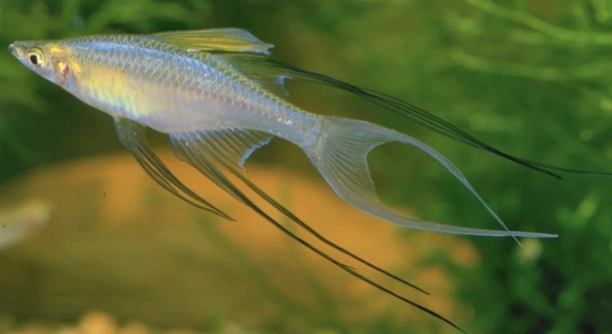
Threadfins are fascinating fish with unique habits that often go unnoticed in everyday observation. Their courtship behaviors, in particular, reveal an unusual and intricate display of movements and signals that stand out in the aquatic world.
During courtship, threadfins exhibit behaviors such as synchronized swimming, rapid fin flicks, water splashing, body vibrations, and unique color changes. These actions serve to attract mates, establish dominance, and communicate readiness for reproduction, reflecting complex social and reproductive strategies.
These peculiar behaviors highlight the remarkable ways threadfins interact during mating and provide insight into their fascinating aquatic life. Observing them can deepen appreciation for their natural world.
Synchronized Swimming Displays
Threadfins often swim in precise, coordinated patterns during courtship. They align their bodies closely and move in tandem, creating fluid formations that resemble a choreographed dance. This behavior is more than just visual appeal—it signals strength, health, and compatibility to potential mates. Each synchronized movement demonstrates stamina and coordination, which are traits preferred in a mate. Observing this behavior reveals how subtle and complex fish communication can be. Even small variations in timing or position can affect the impression they make. This synchronized swimming also reduces conflict, allowing males and females to interact without aggression. For the female, these displays are critical for selecting a mate with superior physical condition. For males, consistency and skill in swimming enhance their chances of being chosen. Over time, these patterns may evolve, becoming more refined as threadfins adapt to environmental conditions and the preferences of their partners. It’s a fascinating glimpse into how survival and reproduction are intertwined through movement and rhythm.
Synchronized swimming allows threadfins to convey strength and coordination clearly, helping them establish connections with potential mates efficiently.
Watching these patterns closely can provide insight into social hierarchy, mating preferences, and subtle signaling strategies that threadfins employ in their aquatic interactions.
Fin Flicks and Vibrations
Fin flicks are short, rapid movements of the tail and pectoral fins that threadfins use to grab attention. These flicks are often accompanied by slight body vibrations, which create small ripples in the water. This behavior communicates energy and readiness to mate, while also demonstrating alertness and vitality. Flicks can vary in speed and frequency depending on the fish’s age, size, or reproductive state. Vibrations serve as an extra layer of signaling, allowing nearby fish to sense intentions even without visual contact. Researchers note that these subtle actions reduce physical confrontation between competing males by signaling intent before aggression occurs. Threadfins also use these motions to test female responsiveness, as repeated flicks and vibrations may indicate interest or disinterest. Observing them, it’s clear that even minor movements play a major role in reproductive success. These behaviors underline the importance of non-verbal communication among aquatic species, showing how survival strategies are woven into mating displays.
Fin flicks and vibrations are essential for signaling reproductive readiness and establishing early communication between males and females.
These behaviors also serve to manage competition and maintain social balance, ensuring that courtship proceeds with minimal conflict while maximizing reproductive opportunities.
Color Changes
Threadfins can rapidly change the shades of their scales during courtship. Bright flashes or subtle shifts signal readiness to mate and attract attention from potential partners. These changes also help individuals communicate status and mood without physical confrontation, making them a key part of reproductive behavior.
Color shifts are controlled by specialized pigment cells called chromatophores, which expand or contract to alter hue and intensity. Males often display brighter, more vibrant colors to demonstrate vitality, while females may show softer shifts to indicate receptivity. This visual signaling helps reduce unnecessary aggression by clarifying intentions before interaction occurs. It also plays a role in mate selection, as more vivid displays can indicate superior health and genetic quality. The ability to change color quickly allows threadfins to adapt to environmental conditions, such as water clarity and light, ensuring that their messages are seen clearly. Overall, these color changes are an elegant combination of biology and social signaling that enhances reproductive success.
Observing threadfins during color changes provides insight into their intricate communication methods, revealing how much information is conveyed through visual cues alone.
Bubble Blowing
Bubble blowing occurs when threadfins release air from their mouths or gills to create small bubbles. These bubbles can attract attention, signal readiness, or even mark territory in crowded areas. The pattern and frequency of bubbles vary among individuals.
During courtship, males often blow bubbles in a steady, rhythmic pattern to demonstrate endurance and coordination. These bubbles catch light and movement in the water, creating visual markers that females notice. In addition, bubble streams can serve as a subtle warning to competing males, reducing the chance of direct confrontation. Females may follow these trails to assess the male’s physical condition and behavioral consistency, using bubble patterns as one of several cues for mate selection. The act also stimulates nearby females by creating a dynamic display that combines motion and visual interest, adding depth to the courtship process. Researchers note that even minor variations in bubble size, speed, and density can influence female preference, highlighting the precision of this behavior.
This behavior illustrates how threadfins combine multiple sensory signals, ensuring their intentions are clear and that mating interactions proceed smoothly.
Water Splashes
Threadfins create small splashes by striking the water with their fins or tails. These splashes catch attention and emphasize their movements, signaling energy and readiness to mates.
The intensity and frequency of splashes can indicate strength and stamina. Males that splash more consistently often attract more females, while excessive or irregular splashing may signal nervousness or weakness.
Chasing Rituals
During courtship, males often chase females in short bursts through the water. This behavior demonstrates agility, endurance, and determination. Chasing is usually non-aggressive, focusing on guiding the female along a path rather than forcing interaction. Females respond by adjusting their speed or direction, allowing males to assess her reactions. These chases can last several minutes, with males repeating the behavior multiple times to maintain attention. The movement patterns also help males display physical fitness, while females evaluate potential partners based on consistency and responsiveness. Observing these interactions shows how threadfins balance effort and display, combining pursuit with careful signaling to maximize mating opportunities.
Tail Vibrations
Threadfins use rapid tail vibrations to create small waves in the water. These vibrations serve as subtle signals to communicate with nearby mates efficiently.
What are the main courtship behaviors of threadfins?
Threadfins display several unique behaviors during courtship, including synchronized swimming, fin flicks, body vibrations, rapid chasing, bubble blowing, water splashes, and color changes. Each behavior has a purpose, such as signaling health, readiness, or dominance. These behaviors allow males to attract females while avoiding unnecessary aggression, and they give females multiple cues to assess potential mates. By observing these behaviors, researchers can gain insight into mating strategies and social interactions among threadfins.
Why do threadfins change color during courtship?
Color changes in threadfins occur through specialized pigment cells called chromatophores. Males often show bright, vivid colors to demonstrate vitality and attract females, while females use softer shifts to indicate receptivity. Rapid color changes allow individuals to convey messages without physical contact. These shifts also reduce conflict, as intentions become visually clear. Environmental conditions, like water clarity and light, influence the intensity and visibility of these colors. Over time, the ability to change color enhances reproductive success by giving threadfins a reliable signaling method that complements other courtship behaviors.
How do fin flicks and tail vibrations help threadfins communicate?
Fin flicks and tail vibrations produce subtle movements in the water, serving as a form of non-verbal communication. These actions signal energy, alertness, and reproductive readiness. They can also reduce direct aggression by clarifying intentions before confrontation occurs. Males use these signals to test female responses and maintain attention during courtship. The rhythm, speed, and frequency of flicks or vibrations indicate strength and coordination, helping females assess a male’s fitness. These behaviors highlight the complex use of motion as communication, combining physical demonstration with sensory signaling to improve mating success.
Why do threadfins blow bubbles during courtship?
Bubble blowing is another visual and tactile signal in threadfin courtship. Males release air from their mouths or gills to create small bubbles, which attract female attention and communicate readiness. Bubble patterns can also indicate stamina and coordination, as sustained blowing requires energy. This behavior can act as a subtle warning to competing males, reducing the risk of physical conflict. Females often track these bubbles to evaluate males, considering size, frequency, and rhythm. This method of signaling combines motion, visual cues, and endurance, making bubble blowing an effective tool for communication and mate selection.
What is the role of chasing in courtship?
Chasing rituals allow males to display agility and persistence while interacting with females. The pursuit is usually controlled, non-aggressive, and designed to guide rather than intimidate. Females respond by adjusting speed and direction, giving males feedback on her receptivity. Repeated chases show endurance and consistency, which are critical for demonstrating fitness. This behavior also allows males to combine display with evaluation, ensuring that courtship progresses in a structured manner. Chasing emphasizes both physical and behavioral traits, creating a dynamic interaction where males present their qualities while females gather information about potential partners.
Do all threadfins show the same courtship behaviors?
Not all threadfins display every behavior, and individual patterns can vary depending on age, size, environmental conditions, and health. Some males may rely more on visual displays like color changes, while others emphasize movement, splashes, or bubble blowing. Female responsiveness also influences which behaviors are repeated or intensified. Variation ensures that courtship is flexible and adaptive, allowing threadfins to adjust signals to maximize reproductive success. Observing multiple individuals provides a clearer picture of behavioral diversity, showing how these fish balance energy expenditure, signaling efficiency, and social interactions.
How long does threadfin courtship typically last?
Courtship duration varies but often occurs over several minutes to hours. Males repeat behaviors like chasing, fin flicks, and color changes to maintain female attention. Longer displays indicate stamina and persistence, qualities that are attractive to females. Environmental factors, such as water temperature and population density, also influence timing. Short bursts of activity are interspersed with pauses, allowing energy conservation while keeping communication active. Duration is closely tied to reproductive success because it gives females time to evaluate males thoroughly.
Can courtship behaviors affect survival?
Yes, some behaviors carry risks, such as attracting predators or expending excessive energy. Bright color displays, repeated chasing, or constant splashing make threadfins more visible. However, these behaviors are carefully balanced with survival instincts. Displaying strength and coordination without overexposing oneself is key. Successful courtship reflects not only reproductive skill but also the ability to navigate risks, highlighting the evolutionary balance between attracting mates and maintaining safety.
Are female threadfins selective based on these behaviors?
Females assess multiple signals, including color vibrancy, fin flick consistency, chasing skill, and bubble patterns. They choose mates based on perceived health, stamina, and coordination. Selection ensures that offspring inherit strong genetic traits. By integrating these visual, tactile, and movement-based cues, females can make informed decisions without direct confrontation. Courtship behaviors thus function as a filter, allowing females to select the most capable mates while minimizing risks.
How can observing threadfin courtship improve understanding of fish behavior?
Observing threadfins provides insight into communication, social hierarchy, and mating strategies in aquatic environments. These behaviors illustrate how fish use a combination of visual, tactile, and motion-based signals. Studying these interactions helps scientists understand evolutionary pressures, reproductive success, and environmental adaptations. It also highlights the importance of nuanced, non-verbal communication in species survival. By paying attention to these subtle cues, we gain a better appreciation for the complexity and intelligence embedded in fish behavior, revealing patterns that might otherwise go unnoticed in daily observation.
Threadfins are remarkable fish whose courtship behaviors reveal the complexity of aquatic life. Their displays, from synchronized swimming to color changes and bubble blowing, serve clear purposes in communication, mate selection, and social interaction. Each action is purposeful, demonstrating strength, coordination, and readiness to mate. Observing these behaviors provides a clear example of how even small movements or subtle visual cues carry significant meaning. Unlike many other species, threadfins rely heavily on non-verbal signals, combining motion, color, and vibrations to convey their intentions. These behaviors are not random; they follow patterns shaped by evolution to maximize reproductive success while minimizing conflict. Watching them interact highlights the careful balance between energy expenditure and effective signaling, showing that reproductive strategies in fish are both precise and adaptive.
The variety of behaviors displayed during courtship shows that threadfins are highly responsive to their environment and social context. Males adjust their actions based on female reactions, competing males, and water conditions. Color changes are influenced by light and clarity, while bubble patterns, splashes, and tail vibrations communicate subtly yet effectively. Each behavior complements others, forming a coordinated set of signals that ensures both sexes understand each other. Females use these cues to evaluate health, stamina, and genetic suitability, allowing natural selection to play its role. Courtship is therefore not just a performance; it is a sophisticated system of feedback and response. It highlights the intelligence embedded in instinctual behavior and the importance of observation in understanding reproductive success. These interactions underline the interconnectedness of survival, social structure, and reproduction, illustrating how natural behaviors evolve to meet specific ecological and biological needs.
Understanding threadfin courtship behaviors also offers insight into broader principles of animal communication and mating strategies. Observing these fish teaches that communication extends beyond sound or obvious motion, involving nuanced signals that carry multiple layers of information. Each display, from chasing to synchronized swimming, contributes to social cohesion and mate selection, demonstrating a balance between competition and cooperation. While these behaviors may seem unusual at first, they are essential to maintaining reproductive efficiency and species continuity. Threadfins remind us that even in a simple aquatic environment, complex social and biological mechanisms are at play. Their actions encourage careful observation and appreciation of subtle behaviors that are often overlooked. By studying these fish, we gain not only knowledge about their reproductive strategies but also a deeper understanding of how adaptation and signaling shape life under water. Every flick, splash, and color shift contributes to the survival and continuation of the species, making threadfins an impressive example of nature’s intricate design.

Hello,
If you enjoy the content that we create, please consider saying a "Thank You!" by leaving a tip.
Every little bit helps us continue crafting quality advice that supports the health, happiness, and well-being of pets around the world, for pets of all shapes, sizes, and species.
We really appreciate the kindness and support that you show us!