
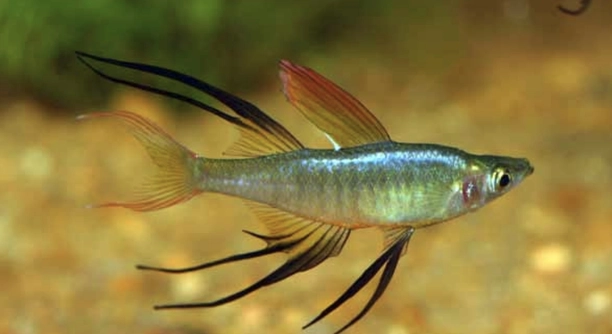
Do you enjoy watching Threadfin Rainbowfish swim gracefully but notice some remain shy and reserved in your aquarium? Their delicate colors and movements make them a joy to observe, yet social behaviors may vary widely among individuals.
Threadfin Rainbowfish can become more social over time through gradual acclimation, consistent group interactions, and a stable environment. Providing sufficient space, hiding spots, and regular feeding routines encourages natural social behaviors to develop progressively.
Observing their gradual changes offers insights into their personalities and enhances the overall harmony of your aquarium community.
Early Social Behavior in Threadfin Rainbowfish
When Threadfin Rainbowfish are first introduced to an aquarium, they often display cautious or timid behavior. Some fish will explore the tank quickly, while others may hide behind plants or decorations. This initial shyness is natural and not a sign of health issues. Over time, as the fish become familiar with their surroundings and the other inhabitants, they begin to interact more. The presence of multiple Threadfin Rainbowfish helps them feel secure and encourages group swimming. Feeding routines also play a significant role in promoting social behavior. Regular, gentle feeding at consistent times allows fish to associate human presence with positive experiences, which gradually reduces skittishness. Environmental enrichment, such as live plants, rocks, and safe hiding spaces, gives them the confidence to explore. Observing these early behaviors can provide valuable insights into their personalities and help you support their growth. Patience is essential, as each fish adjusts at its own pace.
Initial shy behavior is typical and usually diminishes with consistent care and interaction over a few weeks.
Watching the gradual shift from cautious hiding to active group swimming is rewarding. Each fish reacts differently, and noticing small changes in movement, color intensity, and interactions can indicate comfort levels. Providing a stable environment with minimal stressors ensures they develop confidence safely.
Encouraging Long-Term Social Growth
Social development in Threadfin Rainbowfish requires more than simply placing them in a tank together. They respond positively to structured environments and predictable routines. Maintaining water quality, proper temperature, and balanced nutrition is critical to reduce stress, which directly impacts social behavior. Observing interactions within the group allows you to identify dominant or overly timid fish, helping you make adjustments if necessary. Gradual introduction of new tank mates should be monitored carefully to avoid conflict. Behavioral enrichment, including open swimming areas and hiding spots, allows fish to explore and establish comfort zones. Encouraging regular group swimming sessions by gently moving food around can also promote cohesion. Over several months, consistent care and attention lead to noticeable increases in sociability, with fish actively engaging with one another. Understanding these dynamics helps maintain a peaceful and vibrant aquarium.
By paying attention to their needs and interactions, you can nurture confident, social Threadfin Rainbowfish that thrive in your care and display natural group behaviors.
Group Dynamics and Interaction
Threadfin Rainbowfish form stronger social bonds when kept in small groups of five or more. Individual personalities become more apparent, and shy fish often gain confidence by observing active members of the group. Interaction helps reduce stress and encourages natural behaviors.
Within a group, dominant fish may establish territories, but this is usually mild compared to other species. Subtle displays, such as fin flaring or chasing, are normal and help maintain social balance. Providing open swimming spaces and visual barriers like plants or rocks allows each fish to retreat when needed, reducing potential conflicts. Over time, fish learn each other’s behaviors and adjust, resulting in a more harmonious tank environment.
Monitoring these interactions is key. Some fish may need extra space or temporary separation if aggression persists. Feeding practices can influence social structure, as fish often compete for food. Rotating feeding locations and providing multiple feeding spots prevents dominant fish from monopolizing resources. This encourages timid individuals to participate without fear. Gradual adjustments in group size or tank layout can improve overall social cohesion and help each fish thrive, promoting confident behavior over time.
Environmental Influence on Sociability
Tank size and setup significantly affect how social Threadfin Rainbowfish become. Crowded tanks increase stress, while spacious aquariums with plants and hiding spots promote exploration and interaction. Visual barriers give shy fish the confidence to engage gradually.
Stable water conditions, including temperature, pH, and filtration, are crucial for consistent behavior. Sudden changes can cause stress and withdrawal, reducing social activity. Lighting that mimics natural cycles encourages normal swimming patterns and interaction. Decorations like smooth rocks and driftwood create territories and offer security, helping fish feel safe while exploring or feeding. Observing how fish respond to these environmental elements allows adjustments to enhance comfort and social engagement. Over weeks, a well-structured environment encourages timid fish to join the group, gradually increasing cohesion and overall activity levels in the tank.
Feeding and Social Behavior
Feeding routines influence how Threadfin Rainbowfish interact. Fish that feel secure during feeding are more likely to engage with the group. Predictable times and consistent locations help reduce stress and encourage natural social behavior.
Providing multiple feeding spots prevents dominant fish from controlling access. This allows timid individuals to eat comfortably and observe others.
Handling New Additions
Introducing new fish requires patience. Gradual acclimation in a separate container or divider allows both existing and new fish to adjust. Observing their behavior during this period reduces stress and promotes smoother integration into the group.
Observing Subtle Changes
Small changes in posture, color, or swimming patterns indicate shifts in confidence and social comfort. Timid fish slowly becoming more active signals successful acclimation and increasing sociability.
FAQ
Can Threadfin Rainbowfish become more social if kept alone?
Threadfin Rainbowfish are naturally social, and keeping one alone often leads to stress and timid behavior. Even if a single fish appears comfortable, it may not exhibit natural behaviors fully. Introducing at least four to five individuals helps them interact, form groups, and display typical social patterns. Gradually adding companions while monitoring behavior encourages confidence and reduces fear.
How long does it take for shy fish to become more social?
The time frame varies depending on the individual fish and tank conditions. Some fish may show noticeable social improvement within a few weeks, while others take several months. Consistent care, stable water conditions, and predictable feeding routines accelerate the process. Creating a safe environment with plenty of hiding spots also helps timid fish gradually engage. Observing small behavioral changes, such as exploring open areas or joining group swims, indicates progress. Patience is key, as rushing interactions can increase stress and reverse gains in social behavior.
Does tank size affect social behavior?
Yes, tank size significantly impacts sociability. Crowded tanks cause stress and reduce natural interaction, while spacious tanks allow fish to establish territories and interact freely. Open swimming areas combined with hiding spots balance security and exploration. Larger tanks give timid fish the space to gradually approach others, while also reducing competition for food and minimizing dominance conflicts. Regular observation ensures that all fish are comfortable and participating in group activities.
Can feeding practices improve social behavior?
Feeding routines play a crucial role. Providing food at consistent times and using multiple feeding spots prevents dominant fish from monopolizing resources. This allows shy fish to feed comfortably while observing the group. Incorporating live or frozen foods occasionally encourages active behavior and interaction. Slowly moving food around the tank can prompt timid fish to join group swimming sessions without feeling threatened. Positive associations with feeding times build confidence and gradually enhance sociability.
How do I know if my fish are stressed or uncomfortable?
Signs of stress include hiding for extended periods, rapid darting, clamped fins, or loss of color. Stress can hinder social development, making fish more withdrawn. Maintaining stable water conditions, minimizing sudden changes, and providing adequate space help reduce stress. Observing interactions regularly ensures that timid fish are gradually integrating without being overwhelmed. Temporary separation or rearrangement of decorations may be necessary if certain fish dominate or bully others.
Is it safe to introduce new fish into an existing group?
Yes, but careful acclimation is essential. Using a divider or floating container initially allows new fish to observe the group without direct contact. Gradually increasing interaction time while monitoring for aggression helps maintain harmony. Providing hiding spots and evenly distributed food ensures all fish feel secure. Slowly introducing new individuals prevents stress and supports gradual social integration.
Can environmental enrichment influence social behavior?
Absolutely. Plants, rocks, and driftwood create territories, hiding spots, and visual barriers that encourage exploration. Shy fish gain confidence when they can retreat safely and observe others before joining group activities. Structured environments with varying depths, textures, and open swimming areas promote natural behavior. Over time, fish learn to navigate the space, interact more, and establish a balanced social hierarchy.
Should I intervene in dominance conflicts?
Minor displays, like chasing or fin flaring, are normal and help maintain group balance. Intervention is only necessary if aggression becomes persistent or harmful. Rearranging decorations, adding hiding spots, or temporarily separating aggressive fish can restore harmony. Observing interactions regularly ensures all fish have opportunities to participate without fear, supporting overall social development.
Do shy fish always remain timid?
No, shy fish can become more social over time with consistent care. Gradual acclimation, stable routines, and positive environmental conditions help timid fish gain confidence. While some individuals may never become the most outgoing, most show significant improvement in social interactions, joining group swimming, feeding together, and displaying normal behaviors.
How can I encourage group cohesion?
Encouraging group swimming during feeding, providing open areas, and minimizing stressors supports cohesion. Regular observation allows subtle adjustments to tank setup or feeding routines. Maintaining balanced nutrition and clean water further reinforces confidence and healthy interactions. Over weeks and months, consistent effort leads to a more harmonious and sociable aquarium.
This FAQ section addresses the common concerns about Threadfin Rainbowfish sociability, providing practical guidance to support their natural behavior and confidence in your care.
Final Thoughts
Threadfin Rainbowfish are naturally social creatures, and their behavior can change significantly with proper care and attention. Observing their personalities and understanding their needs allows them to become more confident and interactive over time. Shy fish are not permanently timid; with patience, consistent routines, and a stable environment, they can gradually engage more with the group. Group size plays a major role, as keeping at least four or five individuals together helps them feel secure and encourages natural behaviors. In addition, providing plenty of open swimming space and hiding spots allows timid fish to explore without fear. Watching these subtle shifts in behavior is rewarding, as small changes often indicate progress in social development.
Environmental stability is another key factor in supporting social behavior. Maintaining clean water with stable temperature, pH, and filtration reduces stress, which directly impacts how fish interact with one another. Sudden changes in the tank, such as new decorations, abrupt temperature shifts, or inconsistent feeding, can cause withdrawal and slow social growth. Regular feeding at predictable times helps fish associate positive experiences with interaction, and multiple feeding spots prevent dominant individuals from controlling resources. Enriching the tank with plants, rocks, or driftwood creates territories and safe spaces, giving shy fish the confidence to observe the group and gradually join in. Monitoring interactions carefully ensures that aggression or excessive dominance does not hinder shy fish from participating. Over weeks and months, these consistent measures allow timid individuals to gain confidence and demonstrate normal social patterns.
Ultimately, promoting social behavior in Threadfin Rainbowfish is a gradual process that combines observation, patience, and attention to environmental details. Each fish develops at its own pace, and small improvements, such as joining group swims or exploring open areas, signal success. Adjustments to tank layout, feeding practices, or group composition may be needed at times, but these efforts contribute to a more harmonious and active aquarium. By providing a stable, enriched environment and consistent care, owners can support the natural sociability of their fish while fostering healthy interactions. Observing these changes not only improves the well-being of the fish but also makes the aquarium experience more enjoyable and rewarding. Over time, even the shyest Threadfin Rainbowfish can become confident and interactive members of their group, showcasing their vibrant colors and graceful movements for everyone to appreciate.

Hello,
If you enjoy the content that we create, please consider saying a "Thank You!" by leaving a tip.
Every little bit helps us continue crafting quality advice that supports the health, happiness, and well-being of pets around the world, for pets of all shapes, sizes, and species.
We really appreciate the kindness and support that you show us!