
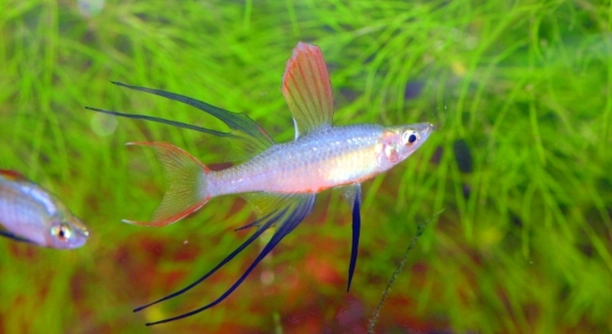
Threadfin Rainbowfish are small, colorful freshwater fish that are popular in home aquariums. Their vibrant fins and social behavior make them fascinating to observe, especially when it comes to their unique breeding habits and interactions.
Threadfin Rainbowfish display several breeding behaviors that are distinct among freshwater species. Males establish territories and perform elaborate courtship displays, while females select mates based on these displays. Spawning typically occurs among dense vegetation, ensuring egg protection and optimal survival rates.
Observing these behaviors provides insight into their natural instincts and helps aquarists maintain a healthy breeding environment for these captivating fish.
Male Courtship Displays
Male Threadfin Rainbowfish are known for their vibrant fins and energetic movements during courtship. They perform a series of displays, including fin flaring, rapid swimming, and subtle nudges near females. These actions are meant to attract attention and signal fitness. Observing these behaviors can be fascinating, as each male has unique patterns that he repeats. The intensity and frequency of the displays often increase in the presence of other males, suggesting a competitive aspect. Females respond to these displays by approaching the more vigorous males, indicating a preference for health and vitality. Courtship is not just visual; males may also engage in tactile communication, brushing against the female’s body gently. This helps synchronize spawning readiness and encourages egg-laying in chosen areas. The combination of movement, color, and touch ensures that only the fittest males contribute to the next generation, maintaining the population’s overall health. These behaviors are subtle yet essential for successful reproduction.
Courtship displays serve as both attraction and selection, ensuring stronger genetics within the population.
Understanding male displays allows aquarists to create optimal environments for breeding success and healthier fish interactions.
Egg-Laying Habits
Females prefer dense vegetation for laying eggs, offering protection and higher survival chances.
Eggs are adhesive, sticking to plants and hiding from predators. Females carefully choose where to deposit them, often returning to the same locations. Once laid, males may guard nearby areas to deter intruders. The process is quick but precise, ensuring eggs are not scattered. Environmental factors like water temperature and light influence spawning frequency.
Maintaining proper conditions is crucial for healthy egg development. Threadfin Rainbowfish eggs hatch within a few days, and fry are extremely small and delicate. Early care involves providing infusoria or finely crushed flakes as initial food. Overcrowding should be avoided, as it increases competition and stress, reducing survival rates. Observing egg-laying behavior can also indicate overall fish health and readiness to breed. Aquarists often use spawning mops or artificial plants to mimic natural conditions. By understanding these habits, breeders can improve hatching success while ensuring a balanced tank environment. Proper timing, nutrition, and habitat structure all contribute to thriving offspring and a stable breeding population.
Male Territorial Behavior
Males establish territories in the aquarium, often selecting areas with dense plants or hiding spots. These spaces become their display zones, where they perform courtship and defend against intruding males. Territorial behavior helps reduce conflict and ensures better access to potential mates.
Territorial disputes involve chasing, fin flaring, and brief confrontations. These actions are usually non-lethal but serve to establish dominance and hierarchy within the tank. A male’s chosen territory often correlates with the quality of egg-laying sites, making it more attractive to females. The intensity of territorial behavior can vary depending on tank size, population density, and the presence of other males. Providing enough space and visual barriers can minimize stress and aggression. Observing these interactions offers insight into social structure, helping maintain a stable and harmonious aquarium environment for breeding. Proper understanding of territory ensures healthier fish interactions and successful reproduction.
Creating multiple focal points in the tank allows several males to establish territories simultaneously, reducing constant confrontations and promoting a balanced environment for all fish.
Spawning Frequency and Timing
Threadfin Rainbowfish spawn more frequently under stable water conditions and proper nutrition. Timing often aligns with daylight cycles and temperature changes.
Spawning events can occur every few days when conditions are optimal. Males remain active, performing displays to attract females, while females assess suitable egg-laying sites. The frequency is influenced by water temperature, pH, and availability of fine-leaved plants or spawning mops. Regular feeding with high-quality protein encourages readiness for reproduction, ensuring eggs are healthy and viable. Observing patterns in spawning frequency can help manage population growth and tank dynamics.
Proper monitoring of water parameters and nutrition supports consistent spawning. By adjusting lighting cycles, temperature, and diet, aquarists can optimize reproductive activity and improve overall fry survival rates, maintaining a healthy and thriving breeding population.
Fry Care Behavior
After hatching, fry hide among plants and stay close to sheltered areas for safety. They rely on instinct to avoid predation, often remaining near the bottom or within dense vegetation.
Fry gradually begin exploring the tank as they grow, learning to find food and interact with their surroundings. Early care and minimal disturbance increase survival rates.
Synchronized Spawning
Threadfin Rainbowfish sometimes spawn in synchrony, with multiple females releasing eggs simultaneously. This behavior increases fertilization success and disperses risk among offspring. Synchronized spawning is often triggered by environmental cues such as light cycles, water temperature, and tank conditions. Males may intensify displays during these events, ensuring widespread fertilization and a higher survival rate for the eggs.
Male-Female Interactions
Males frequently follow females after courtship, maintaining close proximity to ensure spawning opportunities.
This persistent behavior reinforces pair bonding and increases reproductive success, supporting stable population growth within the aquarium.
What is the ideal tank setup for breeding Threadfin Rainbowfish?
The tank should be spacious, ideally 30 gallons or more, to allow males to establish territories. Dense vegetation or fine-leaved plants is essential for egg-laying and fry shelter. Floating plants can provide shade and mimic natural conditions. A gentle filter ensures clean water without strong currents that could displace eggs. Lighting should follow a consistent day-night cycle, supporting regular spawning behavior. Hiding spots such as caves or plant clusters reduce stress and aggression, especially among males competing for territories. Keeping water parameters stable is crucial, including temperature between 24–28°C (75–82°F), pH around 6.5–7.5, and soft to moderately hard water. Regular water changes and monitoring prevent buildup of harmful substances, which can affect spawning success. Providing enough space, plants, and proper water conditions encourages natural breeding behaviors and increases survival rates for both eggs and fry.
How often do Threadfin Rainbowfish spawn?
Spawning frequency depends on water conditions, nutrition, and environmental stability. Under optimal conditions, females may spawn every few days. Younger, healthy females often produce eggs more frequently, while older or stressed fish may slow down. Males continuously display and defend territories, which encourages females to lay eggs regularly. Consistent feeding with protein-rich foods like brine shrimp, daphnia, or high-quality flakes supports reproductive readiness. Light cycles and water temperature also influence frequency; stable lighting encourages predictable spawning patterns. Observing the tank for subtle behaviors, such as increased male display activity or females lingering near plants, can indicate upcoming spawning events. Maintaining ideal conditions ensures regular spawning and maximizes fry production without overburdening the tank population.
What should I feed Threadfin Rainbowfish during breeding?
High-protein diets are essential for both males and females. Live or frozen foods like brine shrimp, daphnia, and mosquito larvae provide energy for courtship displays and egg production. High-quality flake or pellet foods can supplement the diet, but they should not replace live or frozen options. Feeding multiple small meals throughout the day keeps fish active and supports consistent reproductive behavior. Proper nutrition also affects egg quality and fry health; underfed females may produce fewer or weaker eggs, while males may show reduced courtship activity. Providing a balanced diet improves overall vitality, coloration, and readiness to spawn. Variety is key, as alternating food types ensures all nutritional needs are met.
How can I protect eggs and fry from adult fish?
Eggs and newly hatched fry are extremely vulnerable to adult fish, including their parents. Using dense plants, spawning mops, or fine-leaved vegetation allows eggs to attach safely out of reach. Some aquarists separate adults into another tank after spawning to prevent predation. Fry can also be raised in a dedicated nursery or a mesh breeder box within the main tank. Maintaining calm, stable water conditions reduces stress and accidental egg consumption. Regular monitoring ensures eggs remain healthy, and any unfertilized or fungus-infected eggs can be removed to prevent contamination. Providing hiding spaces allows fry to grow with minimal risk.
What signs indicate successful breeding?
Successful breeding can be recognized by several behaviors and physical cues. Males display intensified fin flaring, chasing, and nudging females, signaling readiness. Females often become plumper with visible eggs and linger near preferred egg-laying sites. After spawning, eggs are visible attached to plants or mops, and males may guard nearby areas. Hatchlings appear a few days later, hiding among plants or floating near the bottom. Observing these behaviors ensures that the fish are healthy and reproductive. Maintaining proper feeding, tank conditions, and minimal disturbance supports ongoing breeding success.
How long do Threadfin Rainbowfish eggs take to hatch?
Eggs typically hatch within 7–10 days, depending on temperature and water quality. Warmer water speeds up development, while cooler water may slow the process. Newly hatched fry are tiny and require very small, frequent feedings of infusoria or finely crushed flakes. Providing stable water conditions during this period is critical, as fry are sensitive to changes in temperature, pH, and ammonia levels. Monitoring hatching progress allows aquarists to plan feeding schedules and prevent overcrowding. Keeping fry in a protected environment supports healthy growth and reduces mortality rates.
Can multiple pairs spawn in the same tank?
Yes, multiple pairs can spawn together if there is enough space and hiding spots. Adequate vegetation and territorial boundaries reduce aggression between males. Observing spawning activity ensures that eggs are distributed and fry have room to grow. Overcrowding or insufficient plants may lead to stress, predation, and reduced fry survival. Providing separate spawning zones or partitions can help manage multiple pairs without conflict. Proper feeding, stable water conditions, and careful monitoring allow several pairs to breed successfully within the same aquarium.
What is the best way to raise fry to adulthood?
Fry should be kept in a safe environment with fine-leaved plants or a dedicated nursery tank. Feed small amounts of infusoria, microworms, or finely crushed flakes multiple times a day. Water changes must be frequent but gentle to maintain stability. Gradually introduce larger foods as they grow. Avoid overcrowding and monitor growth to separate weak or slow-growing fry. Keeping the tank quiet and stable reduces stress. As fry mature, they can be transferred to larger tanks with adults once they are strong enough to avoid predation. Consistent care ensures healthy growth and vibrant adult fish.
How can I encourage natural breeding behavior?
Maintaining stable water parameters, proper nutrition, and adequate plant coverage encourages natural breeding behavior. Consistent lighting cycles mimic day and night rhythms. Reducing stress through calm handling and minimizing aggressive interactions helps fish display courtship and territorial behaviors. Environmental enrichment, such as plants, hiding spots, and gentle water flow, stimulates natural instincts. Observing male displays, pairing patterns, and egg-laying activity allows aquarists to adjust tank conditions as needed. By creating an environment that closely resembles their natural habitat, Threadfin Rainbowfish are more likely to engage in successful breeding behaviors.
What are common challenges in breeding Threadfin Rainbowfish?
Challenges include predation of eggs by adults, insufficient plant cover, poor water quality, and inadequate nutrition. Overcrowding and stress can reduce spawning frequency and fry survival. Monitoring environmental conditions and providing appropriate hiding spaces, balanced diets, and stable parameters minimizes these challenges. Consistent observation helps address issues before they impact breeding success.
This FAQ provides guidance for maintaining a healthy, productive breeding environment and understanding the unique behaviors of Threadfin Rainbowfish.
Threadfin Rainbowfish are fascinating freshwater fish, and their breeding behaviors highlight just how unique they are. Observing males perform courtship displays, defend territories, and interact with females can be both engaging and informative. These behaviors are instinctive, yet they are influenced by environmental conditions, nutrition, and social dynamics within the tank. Understanding these natural tendencies is important for anyone looking to breed Threadfin Rainbowfish successfully, as it helps create conditions that support healthy reproduction. The combination of vibrant colors, energetic displays, and careful egg-laying patterns makes them a rewarding species for aquarists to study and care for.
Creating an appropriate environment for breeding is key to encouraging natural behaviors. Tanks should be spacious, with plenty of fine-leaved plants, hiding spots, and areas where males can establish territories. Stable water parameters, including temperature, pH, and hardness, are crucial for both adult fish and developing fry. Providing a high-protein diet supports reproductive health, giving males energy for displays and females the nutrients needed for quality eggs. Fry care also requires attention to detail, including suitable food, gentle water changes, and protection from adult fish. By carefully managing these factors, aquarists can observe a complete reproductive cycle and support the survival of young fish.
Paying attention to the subtle aspects of Threadfin Rainbowfish behavior allows for a deeper appreciation of their natural instincts. Spawning frequency, synchronized breeding, and territorial interactions all contribute to the overall health and success of the population. Observing these behaviors can also indicate the general well-being of the fish, allowing for adjustments in care when necessary. Consistent observation, combined with proper feeding, water management, and tank structure, ensures a balanced environment that promotes thriving fish. Understanding and supporting these breeding behaviors not only helps with successful reproduction but also fosters a calm, healthy aquarium where Threadfin Rainbowfish can flourish and display their full range of natural behaviors.

Hello,
If you enjoy the content that we create, please consider saying a "Thank You!" by leaving a tip.
Every little bit helps us continue crafting quality advice that supports the health, happiness, and well-being of pets around the world, for pets of all shapes, sizes, and species.
We really appreciate the kindness and support that you show us!